13 Savvy Long Shower Curtain Ideas for a Crisp, Custom Space
Long shower curtains can instantly make a bathroom feel taller, more polished, and intentionally designed—without a full renovation. The trick is knowing which style, fabric, and hanging method will actually work in your space.
From floor-length drapes that add spa-like drama to clever rod extensions that solve awkward measurements, these 13 ideas are all about practical upgrades that look custom. Each one is easy to implement, budget-friendly, and designed to fix a common curtain problem.
Whether you're dealing with an odd window height or just want a crisper finish, there's a solution here that fits.
1. Measure Twice, Buy Once: Getting the Right Length
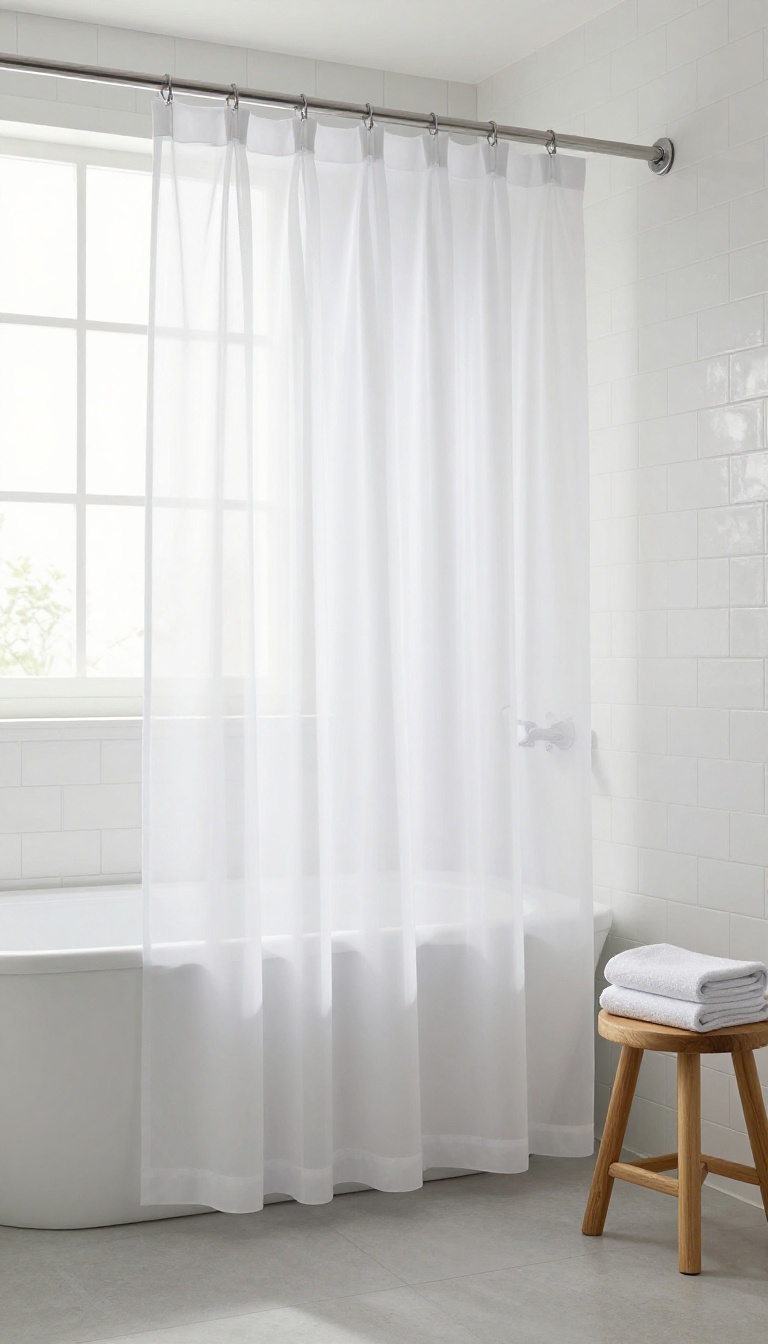
Before you get swept away by fabric swatches and patterns, take a tape measure to your shower. The perfect length isn't just about aesthetics—it's about function. A curtain that's too short leaves a gap that water can sneak through, while one that's too long puddles on the floor and becomes a breeding ground for mildew.
Knowing the exact dimensions you need will save you time, money, and frustration.
The golden rule is to measure from the rod to the floor, then subtract about half an inch to keep the curtain from dragging. But don't forget to account for the height of your shower curtain rings or hooks—they typically add an inch or two. If you're using a curved rod, measure from the rod's lowest point, as the curve can affect the drop.
And if you plan to hem the curtain yourself, add a few extra inches to allow for the fold.
Standard Vs. Extra-long: Know Your Numbers
Standard shower curtains are usually 72 inches, but that's meant for tubs with a standard rod height. If your rod is higher than 75 inches or you have a freestanding shower, you'll likely need an extra-long curtain—usually 84 or 96 inches. Measure the distance from your rod to the floor and compare it to the curtain's finished length.
If you're between sizes, go with the longer option and hem it to fit.
The Puddle Factor: How Much Is Too Much?
A little extra fabric can look luxurious, but too much becomes a hazard. Aim for a curtain that just barely kisses the floor—no more than an inch of pooling. If you're using a curved rod, remember that the curtain will hang closer to the wall at the ends, so adjust your measurements accordingly.
When in doubt, opt for a slightly shorter curtain and use a tension rod to adjust the height.
Don't Forget The Liner
Your liner should be the same length as your decorative curtain, or slightly shorter. If your liner is too long, it will bunch up and cause the outer curtain to ride up. Measure both together to ensure a clean, even look.
Also, consider a weighted liner to keep it from blowing into the shower—it'll help maintain that crisp, custom appearance.
2. Go Floor-Length for a Dramatic, Spa-Like Feel
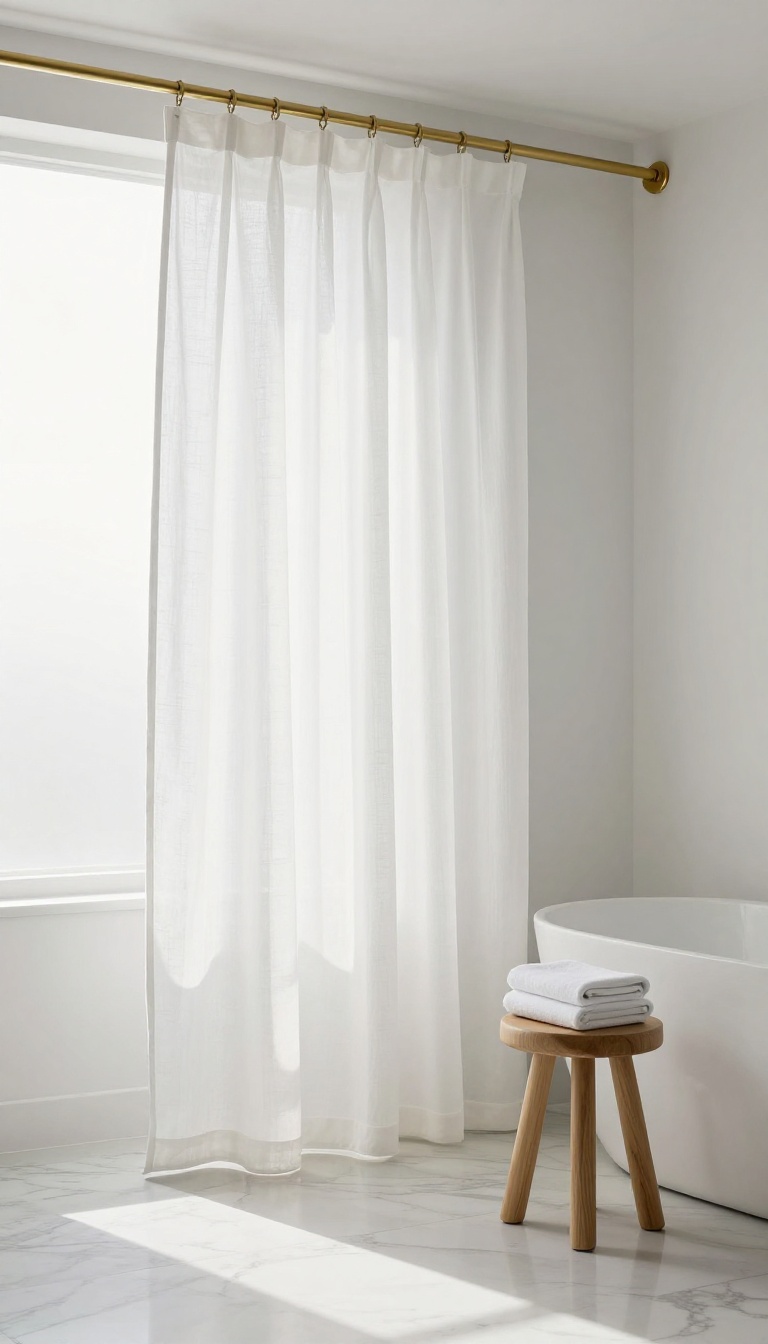
A curtain that pools just a touch on the floor changes the whole vibe of a bathroom. It reads as intentional and luxurious, like something you'd find in a high-end hotel. The extra length also gives you more flexibility with rod height, so you can mount it higher to make the ceiling feel taller.
Floor-length curtains are a simple swap that delivers a big visual payoff. The key is getting the length right—you want the fabric to just kiss the floor, not puddle excessively, unless you're going for a very relaxed, romantic look. A slight break (about half an inch to an inch) looks crisp and tailored.
For a true spa feel, pair the curtain with a matching liner to protect the fabric from water and mildew.
Measure For The Perfect Kiss
Start by measuring from the rod to the floor. If you're using a standard 72-inch curtain, you'll likely need a longer one—84 or 96 inches—depending on your rod height. Remember to account for the curtain rings or hooks, which add a couple of inches.
The goal is to have the bottom edge hover just above the floor or lightly touch it. A weighted hem can help keep it in place and prevent it from floating around.
Choose The Right Fabric And Liner
For a floor-length style, heavier fabrics like cotton, linen, or a cotton-poly blend drape nicely and don't cling to your legs. Stay away from thin, flimsy materials that might look droopy. Always use a waterproof liner behind the curtain to protect the fabric from moisture and soap scum.
You can buy a separate liner or look for curtains with a built-in liner—just make sure it's long enough to reach the floor too.
Hang It High For Extra Drama
Mount the rod as close to the ceiling as you can—typically 6 to 12 inches above the shower frame. This instantly draws the eye upward and makes the bathroom feel more spacious. Combine that with a floor-length curtain, and you've got a look that feels custom and expensive.
Just double-check that the curtain length still works with the higher rod, or you might need to order a custom length.
3. Use a Curtain Rod Extension for a Custom Fit
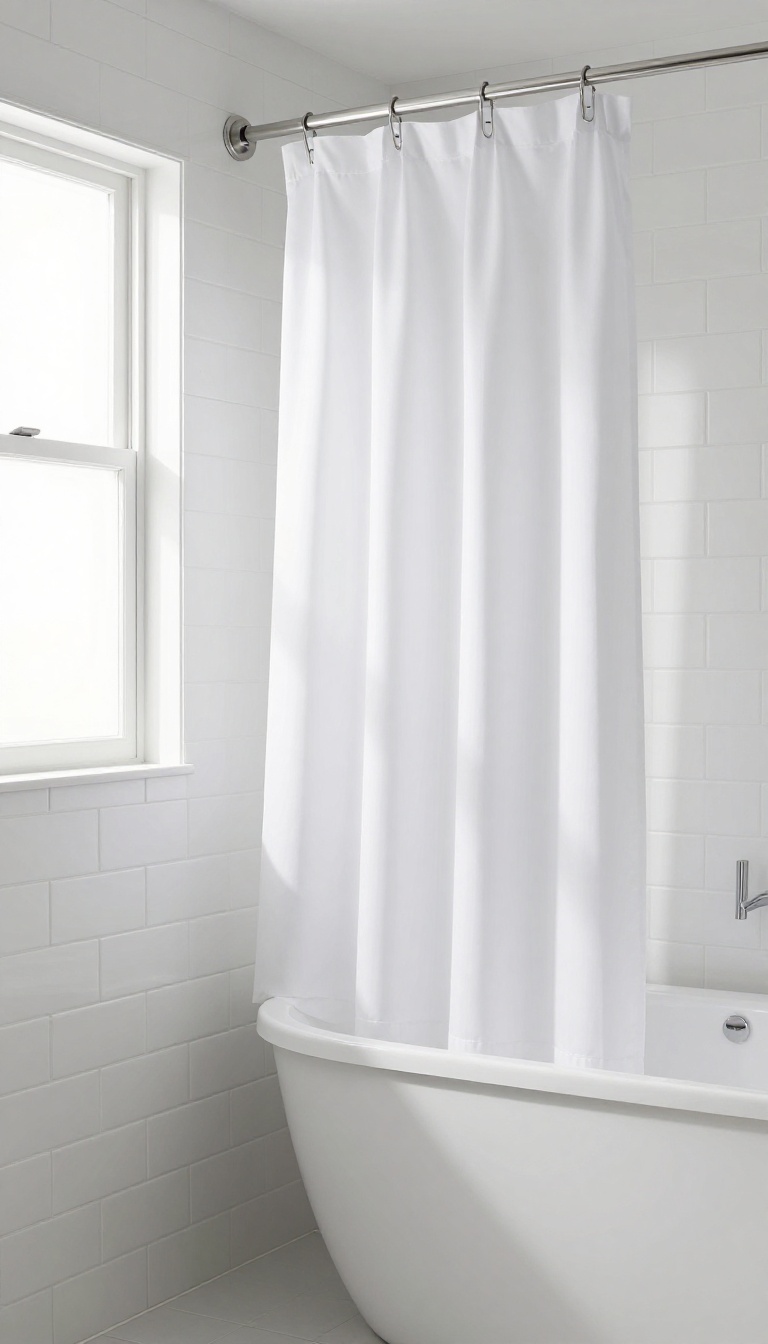
Sometimes the only thing standing between you and a perfectly hung long curtain is the rod itself. If your existing rod is too short to reach the desired width or height, don't rush to replace it—extend it instead. A simple extension can transform an off-the-shelf curtain into a custom-looking solution without the hassle of new hardware.
Extending your shower curtain rod is a practical workaround that solves two common problems: a rod that's too narrow for a wider curtain, or one that's mounted too low for a floor-length drop. With the right extension method, you can achieve a crisp, tailored look that feels intentional and polished.
Tension Rod Extenders
If your rod is just a few inches short, a tension rod extender is the easiest fix. These small metal sleeves slide over the end of your existing rod and tighten in place, giving you extra length without tools. They're ideal for standard shower widths and can be adjusted to fit snugly.
Just make sure the combined length doesn't exceed the tension rod's maximum, or it might slip.
Ceiling-mounted Rods
For a more dramatic height adjustment, consider a ceiling-mounted rod. This involves attaching a rod to the ceiling with chains or brackets, allowing you to hang curtains from a higher point. It's perfect for creating a floor-to-ceiling effect that makes the bathroom feel taller.
You can use a simple curtain rod kit and add decorative chains for a custom look. This method gives you full control over the height, so you can achieve that crisp, tailored drop you're after.
Flange And Bracket Extensions
If your rod is mounted to the wall but you need to extend it outward, flange and bracket extensions are a sturdy option. These attach to the existing wall flange and add a few inches of projection, letting you position the curtain further from the wall. This can help if your curtain is too long and bunches at the bottom, or if you want to clear a window sill.
It's a simple hardware swap that doesn't require moving the original mounts.
4. Choose a Fabric That Hangs Well
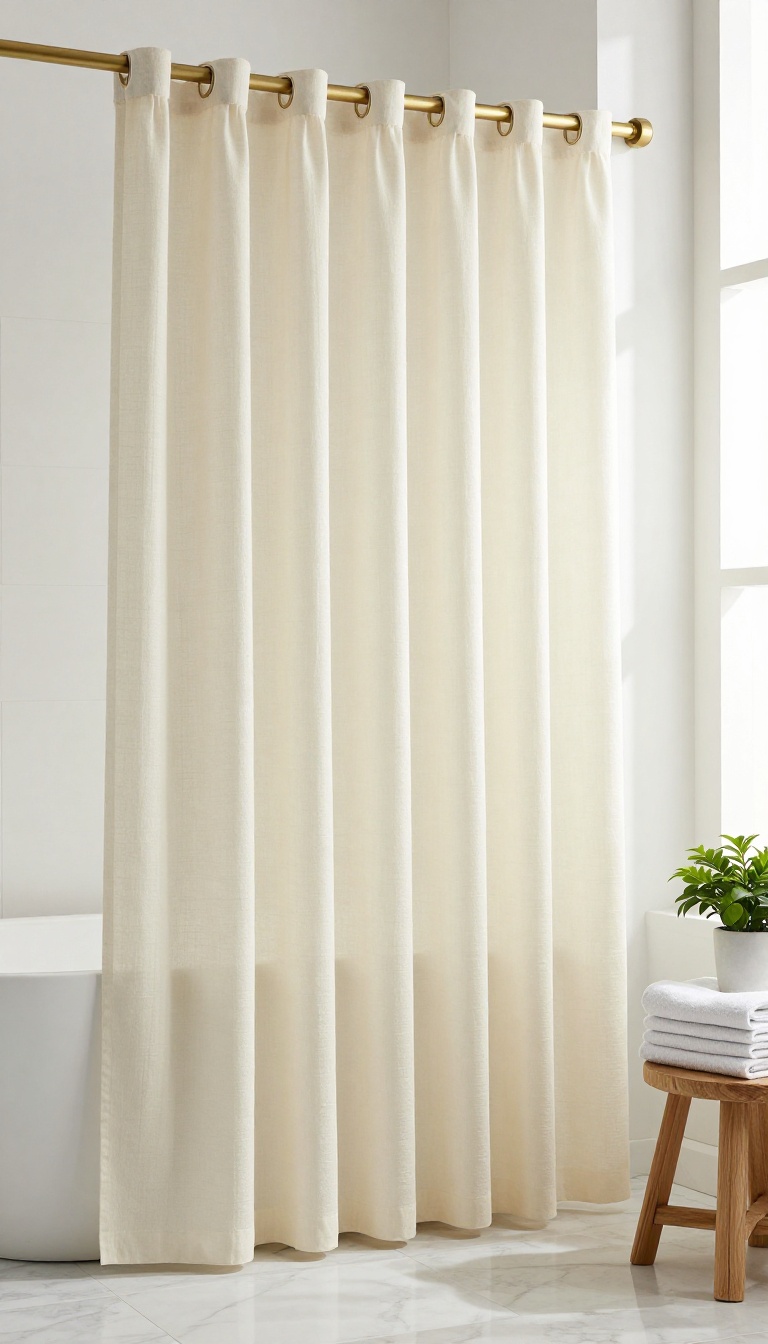
Fabric choice can make or break the look of a long shower curtain. A heavy, drapable material will fall smoothly and keep its shape, while a stiff or flimsy one might stick out awkwardly or wrinkle easily. Picking the right textile is a simple way to get that crisp, custom feel without any extra work.
Why Weight Matters
Heavier fabrics like cotton, linen, or polyester blends have enough weight to hang straight and resist creases. Lightweight materials, such as thin polyester or nylon, tend to billow and cling, which can look messy and let water escape. A fabric with a bit of body will also stay put when you brush against it, keeping the curtain neatly in place.
Look For Drape And Flow
Before you buy, hold the fabric up and see how it moves. Does it flow naturally or does it hold a stiff shape? Cotton and linen have a soft, natural drape that looks elegant, while some synthetic blends mimic that feel but are easier to care for.
Avoid anything that feels like a tarp or has a shiny, plastic-like finish—those will never hang nicely.
Check The Weave And Finish
A tight, smooth weave will look more polished and resist water better than a loose, textured one. Also, look for a fabric that's been pre-washed or treated to resist wrinkles. If you're shopping online, read reviews about how the curtain hangs in real bathrooms—photos can be deceiving.
5. Add a Decorative Valance or Cornice
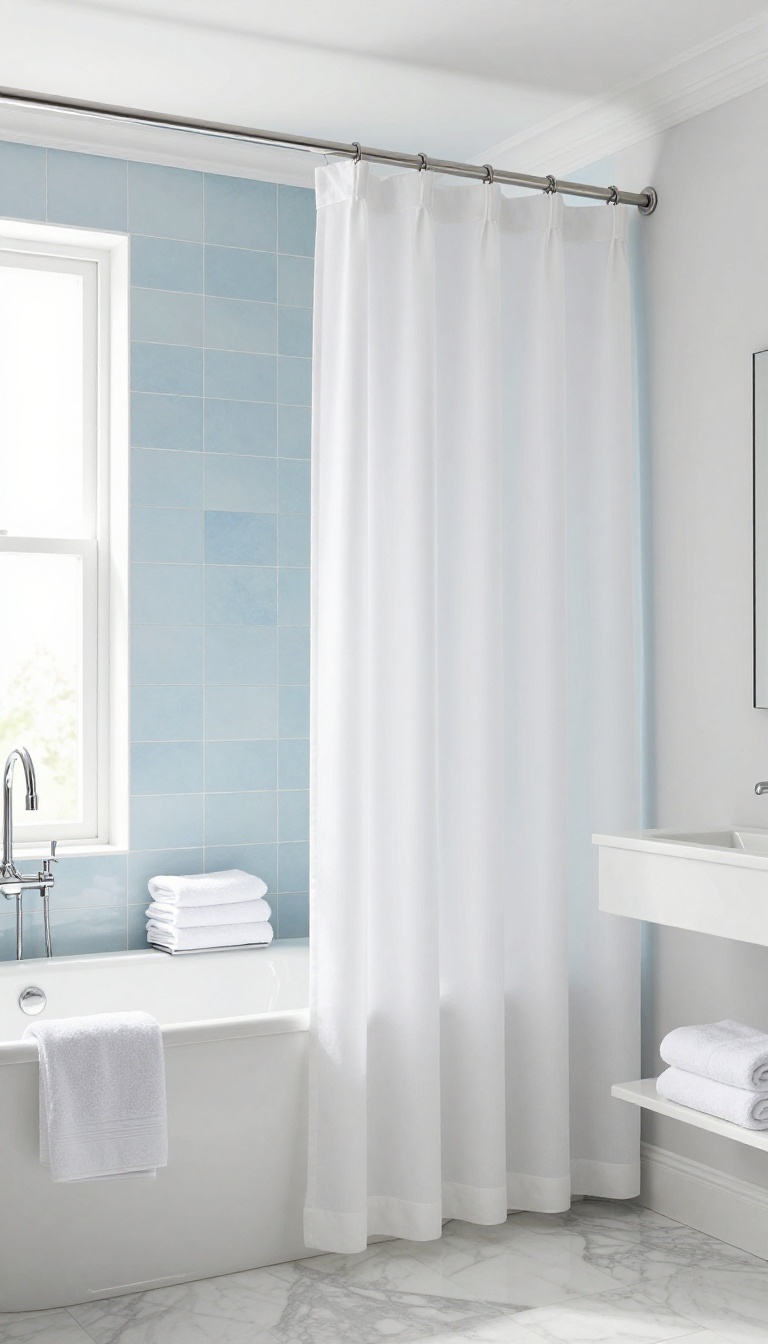
A long curtain can sometimes feel a bit unfinished at the top, especially if the rod is plain or the hardware is visible. Adding a valance or cornice is a clever way to frame the window and give the whole setup a more designed look. It also hides the mechanics, so the eye focuses on the fabric and the space.
A valance is a short fabric panel that sits above the curtain, while a cornice is a rigid, upholstered or wooden box that covers the rod entirely. Both options add a layer of polish and can make a standard shower curtain look like a custom window treatment. They also help visually connect the curtain to the rest of the bathroom decor, especially if you choose a pattern or color that ties in with your tiles or towels.
Choose The Right Style
Valances come in many styles—from gathered and ruffled to tailored and flat. For a crisp, modern look, go with a flat valance in a matching or contrasting fabric. If you prefer a softer feel, a gathered valance in a sheer or light fabric adds a romantic touch.
Cornices offer a more structured, architectural option. You can have one custom-made or DIY it with plywood and foam padding, then upholster it in fabric that coordinates with your curtain.
Installation Tips
Hang the valance or cornice on its own mounting board or use a double rod system. For a valance, a separate, smaller rod works well. For a cornice, attach it directly to the wall above the shower curtain rod, making sure it's level and securely anchored.
Keep the valance or cornice about 4 to 6 inches above the curtain rod so it doesn't interfere with opening and closing the curtain. Also, consider the height—it should sit high enough to avoid water splashes but low enough to create a cohesive look.
Fabric And Color Coordination
To make the valance or cornice feel intentional, pull a color or pattern from your shower curtain or bathroom decor. If your curtain is solid, a patterned valance can add visual interest. If your curtain is busy, a solid valance in a complementary shade keeps things balanced.
For a seamless look, use the same fabric for both the curtain and the valance or cornice. This creates a custom, cohesive appearance that looks like it was professionally designed.
6. Install a Ceiling-Mounted Curtain Track
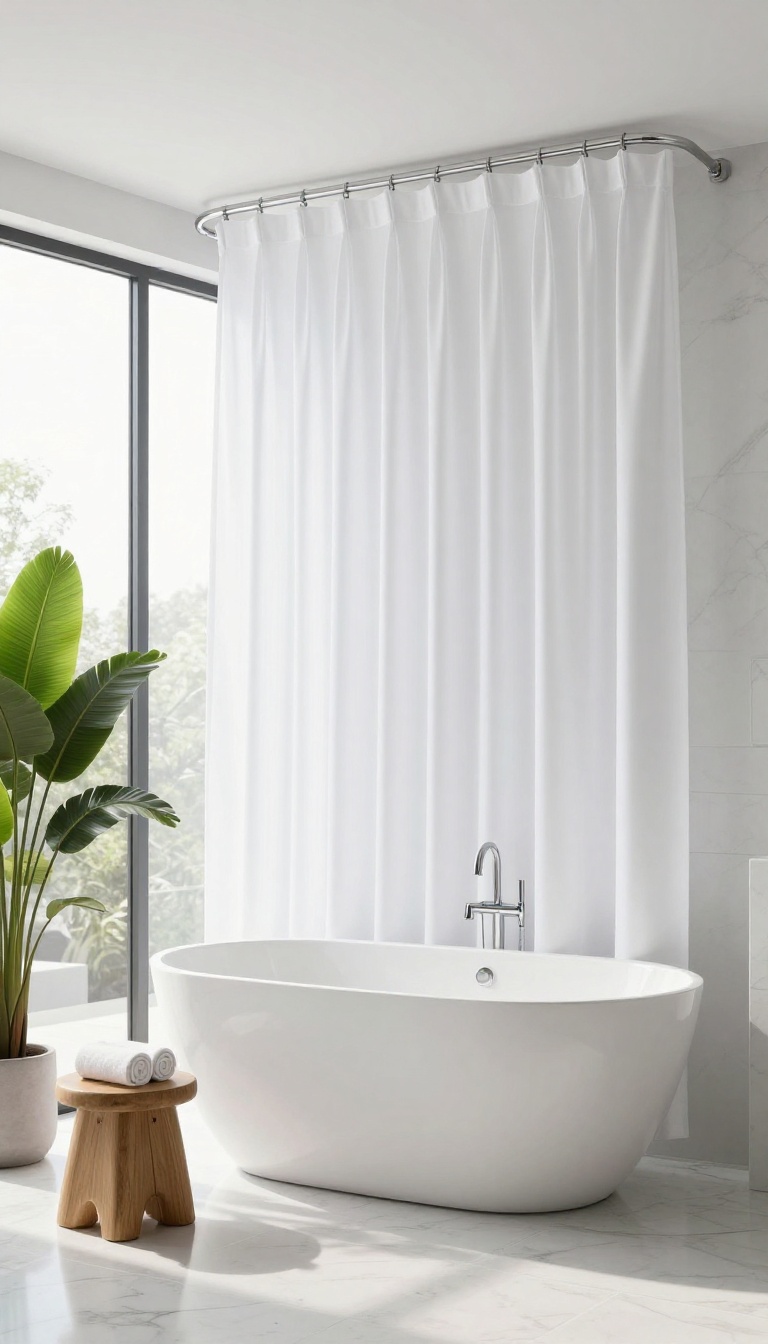
When you want that crisp, custom look, the hardware matters just as much as the fabric. A ceiling-mounted track takes the curtain all the way up, eliminating the visual break of a traditional rod. It’s a favorite for tall showers and freestanding tubs because it draws the eye upward, making the ceiling feel higher and the space more open.
Why Ceiling Mounts Work So Well
Standard rods sit a few inches above the shower frame, which can chop the vertical line. A ceiling track runs the full height, so the curtain hangs in one clean, continuous plane. This instantly gives the room a more polished, built-in feel—no gaps at the top, no awkward rod ends.
Choosing The Right Track System
Look for a track with smooth-gliding rollers and a sturdy aluminum or stainless steel base. Curved tracks are great for freestanding tubs because they let you wrap the curtain around the tub without a bulky rod. For straight showers, a simple straight track works fine.
Make sure the track is long enough to overlap the opening by at least 6 inches on each side to prevent water escape.
Installation Tips For A Flawless Finish
Measure the ceiling height and mark the track placement carefully. Use a stud finder to locate ceiling joists, and attach the track with appropriate anchors if you’re drilling into drywall. If you’re installing over tile, use a tile-safe drill bit.
Finally, hang the curtain with clip rings or grommets—both work well with ceiling tracks.
7. Layer with a Sheer Curtain for Softness
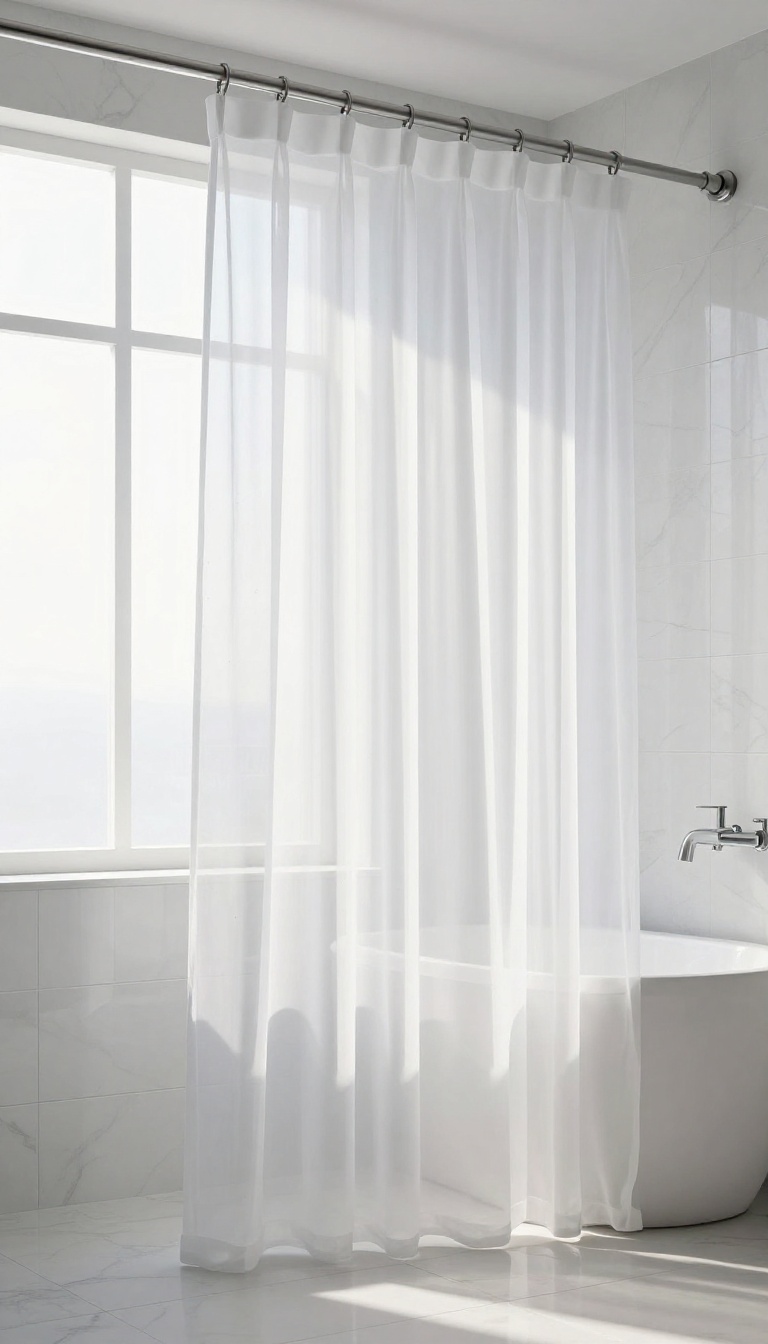
A sheer curtain behind your main shower curtain does more than just look pretty. It filters harsh light, adds a layer of privacy, and gives the whole setup a soft, airy feel. This trick works especially well in bathrooms with windows or glass doors, where you want to let light in without sacrificing modesty.
Start by hanging a sheer liner or curtain on a separate rod behind your main curtain. Choose a white or light-colored sheer to keep the space bright and open. This layered approach instantly makes the bathroom feel more luxurious and custom, like something you'd see in a high-end spa or boutique hotel.
Choosing The Right Sheer
Look for a sheer that's water-resistant or at least easy to wash, since it will be close to the shower. Polyester or nylon blends work well—they dry quickly and resist mildew. Avoid heavy cotton sheers that can stay damp and promote mold growth.
Hanging Options
You can hang the sheer on a tension rod inside the tub or on a second ceiling-mounted rod. If you're using a standard shower rod, consider a curved one to give the sheer a bit more space. For a cleaner look, use clip rings so both curtains hang from the same rod, with the sheer in front or behind.
Styling Tips
Keep the sheer slightly shorter than the main curtain to create a subtle layered effect. Or, let it pool on the floor for a more dramatic, romantic look. Pair a crisp white sheer with a bold patterned main curtain to let the pattern pop while softening the overall feel.
8. Pick a Pattern That Elongates the Space
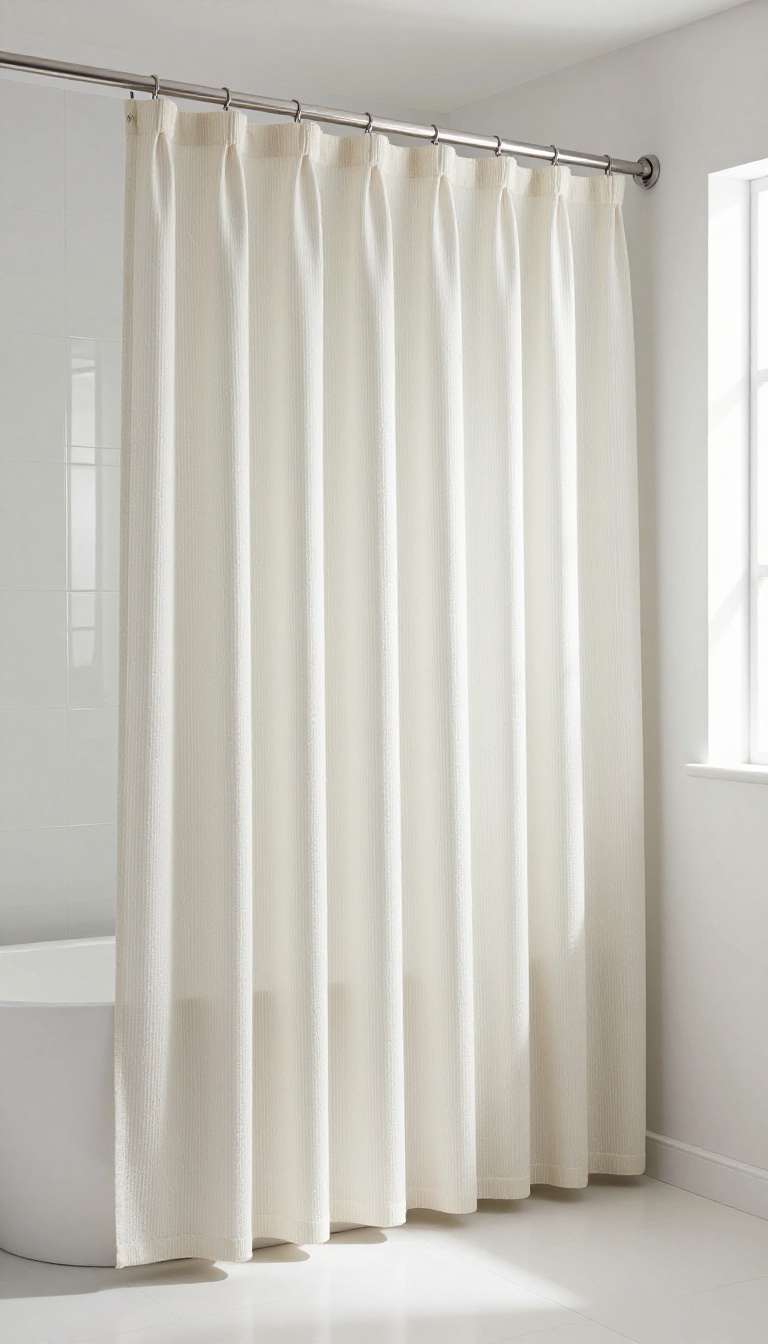
Patterns do more than add personality—they can trick the eye into seeing a taller, more open bathroom. The right print draws your gaze upward and makes the ceiling feel higher, while the wrong one can make the room feel cramped and busy. This idea is all about choosing a pattern that works with your space, not against it.
Why Vertical Stripes Work
Vertical stripes are a classic choice for a reason. They create a continuous line from top to bottom, which visually stretches the wall. Thin, subtle stripes in neutral tones are especially effective because they add texture without overwhelming the eye.
If you want a bolder look, go for wider stripes in contrasting colors, but keep the rest of the bathroom simple to avoid visual chaos.
Tall Geometric Prints
Geometric patterns with tall, elongated shapes—like diamonds, chevrons, or elongated hexagons—can also create a lengthening effect. These prints add a modern, artistic touch while maintaining a sense of order. Choose a pattern that repeats vertically rather than horizontally, and keep the scale in proportion to your bathroom.
A large print in a small space can feel overpowering, so opt for medium-sized motifs that still allow the eye to travel upward.
Subtle Textures Over Loud Patterns
If you prefer a more understated look, textured fabrics like waffle weave, ribbed cotton, or brushed linen can add depth without a bold print. These textures catch light and create subtle shadows, which adds visual interest and a sense of height. They also blend easily with any decor style, making them a safe but stylish choice.
Avoid large, busy patterns that can make a small bathroom feel even more confined—stick to delicate, repetitive textures that feel calm and airy.
9. Use a Liner with Magnets to Keep It in Place
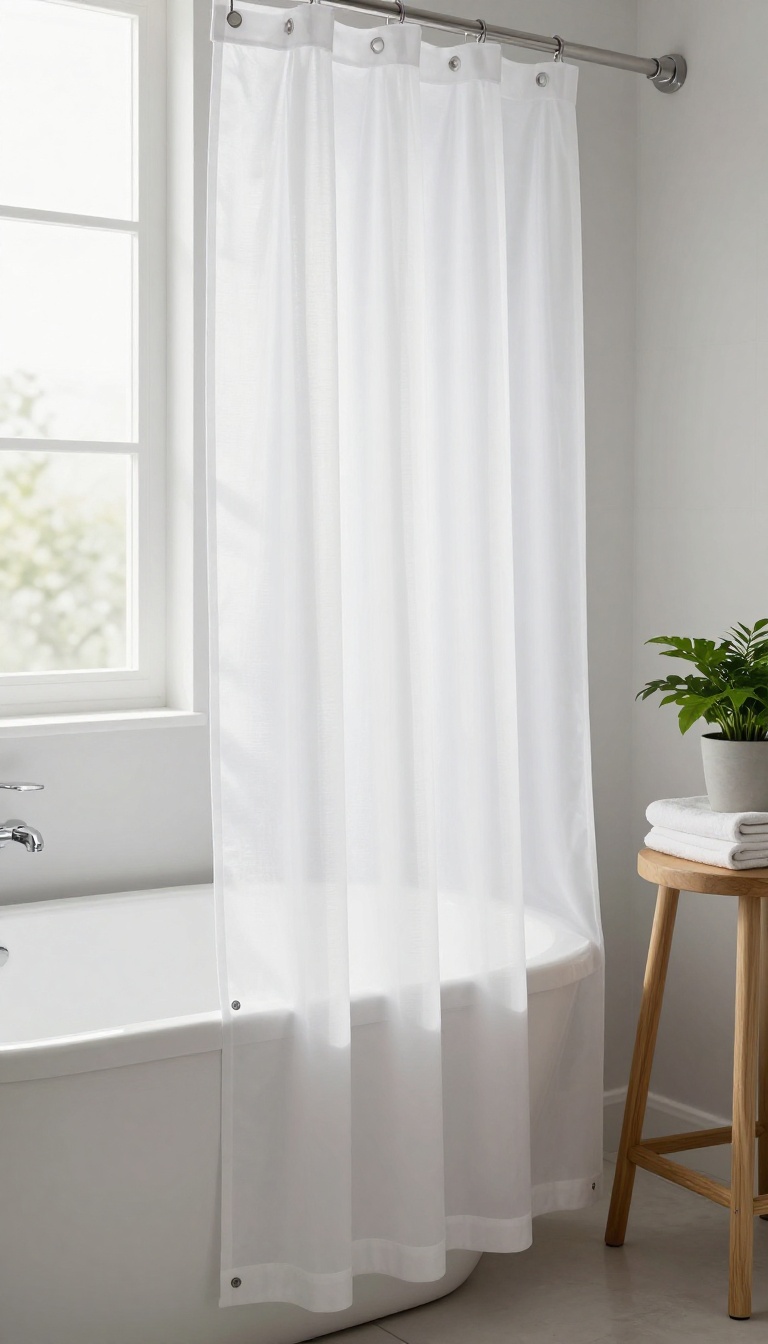
A long curtain that floats around every time you move can be annoying. Magnets at the bottom of the liner solve that by holding it to the tub or wall. This simple upgrade keeps your curtain where it belongs, so you can enjoy the crisp look without the fuss.
Magnets are a small addition that makes a big difference, especially with floor-length curtains that have more fabric to drift. They grip the metal tub or a steel strip, so the liner stays put even with the fan on or when you brush past it. Plus, they help keep water inside the shower, which is a win for your bathroom floor.
Why Magnets Work So Well
The magnets create a gentle but firm hold that doesn't interfere with opening or closing the curtain. They're strong enough to resist billowing but easy to pull apart when you need to step in. This means you get a stable liner without any complicated clips or weights.
How To Choose The Right One
Look for a liner with sewn-in magnets or a strip that runs along the bottom. Check that the magnets are rust-resistant and strong enough for your tub or wall material. If you have a fiberglass tub, you might need to attach a metal strip first, but most standard tubs work fine.
Installation And Care Tips
Installation is as simple as hanging a regular liner—no tools needed. Just make sure the magnets sit flat against the tub or wall. When it's time to clean, most magnetic liners are machine washable, so just toss it in and hang it back up.
10. Try a Curved or C-Shaped Rod for More Room
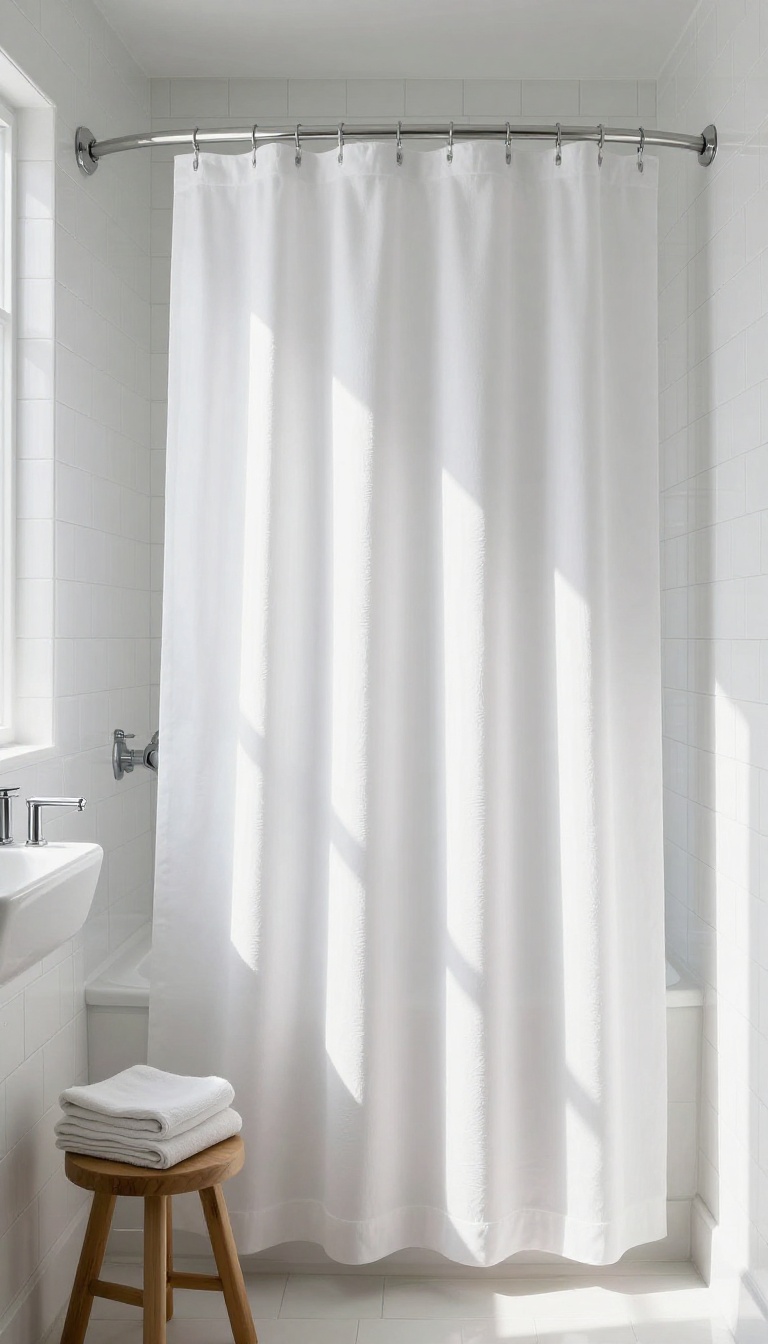
A curved rod is one of those small upgrades that makes a big difference the moment you step into the shower. It bows outward, giving you extra elbow room and keeping the curtain from clinging to your body. Plus, the gentle arc makes the fabric hang more elegantly, adding a subtle touch of luxury to any bathroom.
If your shower feels cramped or the curtain always seems to find its way to your skin, a curved rod solves both problems at once. The design pushes the curtain out by several inches, so you get more space to move without changing the footprint of your tub. It also creates a cleaner, more tailored look because the curtain drapes in a smooth curve instead of hanging flat against the liner.
Why A Curved Rod Feels More Spacious
The extra few inches of clearance might not sound like much, but they make a noticeable difference when you're washing your hair or reaching for soap. You won't accidentally brush against the wet fabric, and the shower feels less confining overall. The curved shape also adds a bit of visual depth, making the bathroom appear larger than it is.
Installation And Compatibility Tips
Most curved rods are designed to fit standard 60-inch tubs, but you'll want to measure your space before buying. Some models are tension-mounted, which means no drilling, while others require wall anchors for extra stability. If you're replacing an existing straight rod, check that the mounting brackets align with the new curved rod's hardware—most are adjustable, but it's always good to confirm.
Choosing The Right Curved Rod
Look for a rod with a sturdy metal construction and a smooth finish that matches your other bathroom fixtures. Stainless steel or brushed nickel are popular choices because they resist rust and look crisp. Also consider the depth of the curve—some are more pronounced than others.
A deeper curve gives you more room but might look bulkier, so pick one that balances function with style.
11. Add a Decorative Trim or Tassels
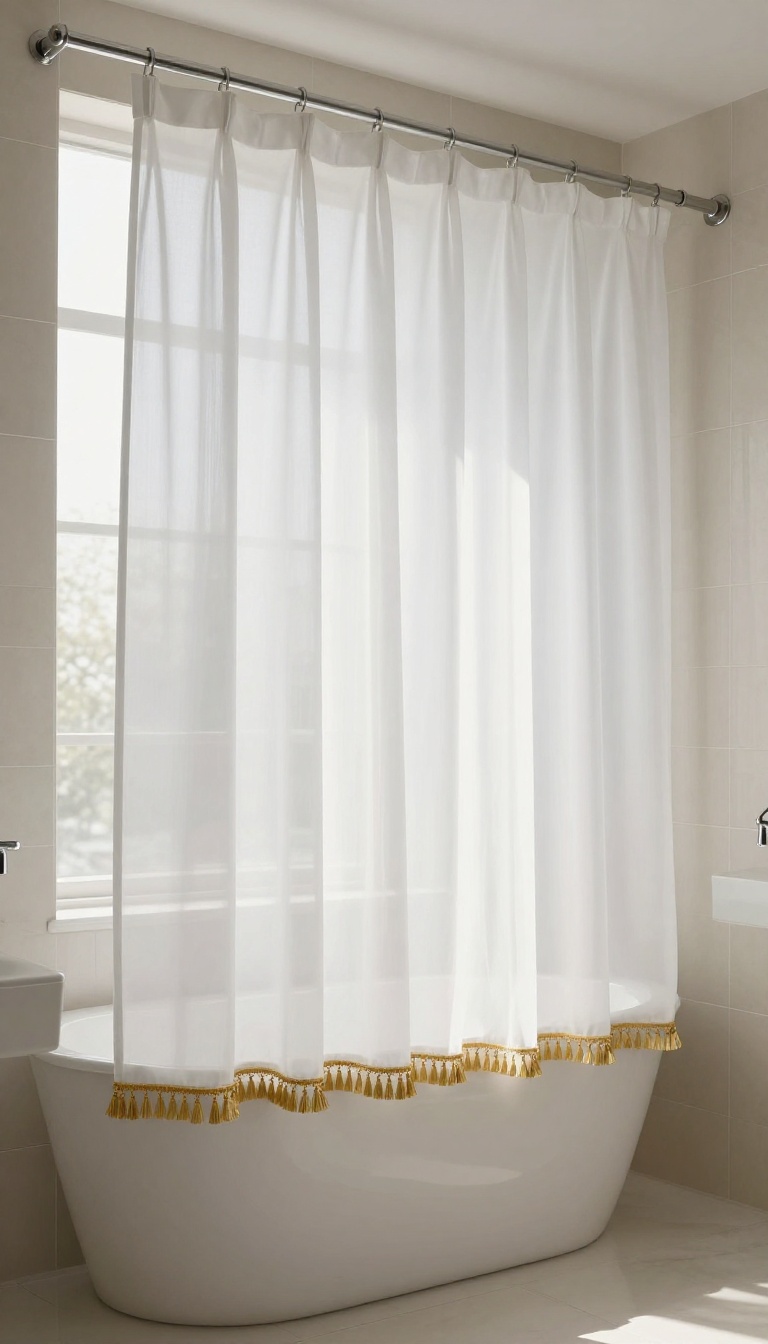
A plain curtain is a blank canvas, and that's a good thing. Adding trim, fringe, or tassels is one of the quickest ways to make it look like a designer piece. You don't need sewing skills—just fabric glue or iron-on tape and a little patience.
This idea is perfect if you love a custom look but don't want to spend a fortune on a high-end curtain. You can find trim at any craft store, and the options are endless: pom-poms, tassels, velvet ribbon, or even a simple contrasting border. The result is a curtain that feels personal and polished.
Pick The Right Trim
Think about the vibe you want. For a boho feel, go with tassels or pom-poms. For a more classic or elegant look, a velvet ribbon or a thin metallic trim works well.
Measure the bottom edge of your curtain and buy a little extra—just in case. Also, consider the fabric of your curtain; a heavier trim might pull and distort a lightweight liner.
Attach It Securely
You can sew the trim on, but that takes time. Fabric glue or fusible hem tape is faster and holds well. Lay the curtain flat, apply the adhesive, and press the trim in place.
Let it dry completely before hanging. If you're using tassels individually, attach them at even intervals with a few stitches for extra security.
Play With Placement
The bottom edge is the most common spot, but don't be afraid to think outside the box. A trim along the top, just below the grommets, adds a subtle detail. Or, if you have a curtain with a hem, add the trim just above it for a layered look.
For a dramatic effect, attach tassels at the corners so they hang down.
12. Consider a Water-Repellent Fabric for Durability
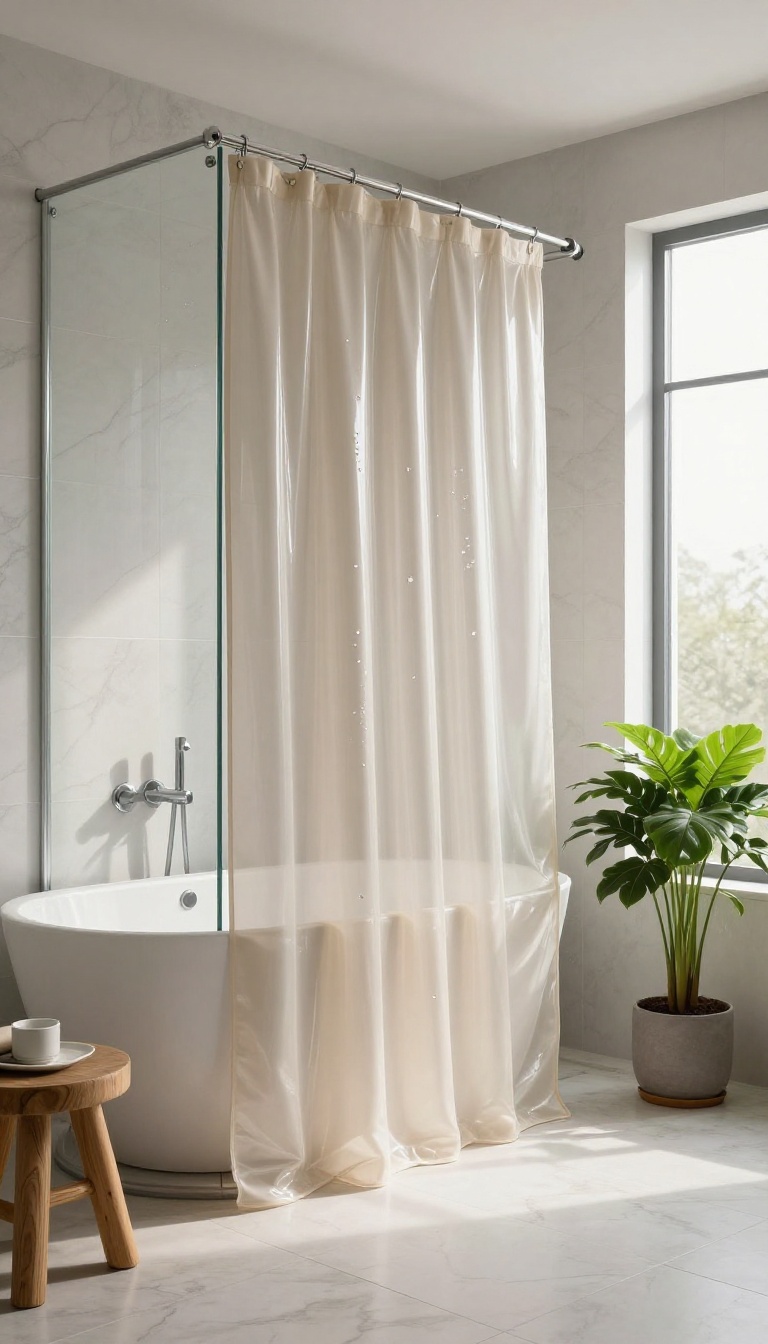
Long curtains that brush the floor are more likely to soak up splashes and humidity, which can lead to mold and mildew over time. Choosing a fabric with a water-repellent finish—or adding a high-quality liner—keeps the curtain looking fresh and prevents that damp, musty smell. It's a simple upgrade that pays off in the long run.
When you invest in a long shower curtain, you want it to last. Water-repellent fabrics are treated with a coating that makes water bead up and roll off instead of soaking in. This is especially important for floor-length curtains that might brush against a wet floor or catch stray spray.
Look for materials like polyester or nylon that are naturally water-resistant, or check for a Teflon or similar finish. If your favorite fabric isn't water-repellent, a separate waterproof liner is a smart addition—it protects the curtain and can be washed or replaced easily.
Why Water-repellent Matters For Long Curtains
Long curtains have more surface area that can come into contact with water. A water-repellent finish prevents moisture from seeping into the fabric, which reduces the chance of mold and mildew. This is crucial in a humid bathroom where ventilation might not be perfect.
Plus, water-repellent fabrics dry faster, so the curtain doesn't stay damp and heavy after every shower.
Fabric Options That Repel Water Naturally
Polyester and nylon are your best bets for water resistance. They're durable, easy to clean, and often come with a water-repellent coating. Some curtains are made with a blend of polyester and cotton for a softer feel while still offering some water resistance.
If you prefer a natural look, look for a cotton curtain that's been treated with a water-repellent finish—just be aware that it may need more frequent washing.
Pairing With A Liner For Extra Protection
Even if your curtain is water-repellent, adding a liner is a smart move. A good liner acts as a barrier between the water and the curtain, keeping the outer fabric pristine. Look for a PEVA or polyester liner that's easy to wipe down and machine washable.
This combo extends the life of your curtain and makes maintenance a breeze.
13. Hang It High and Wide for a Grand Look
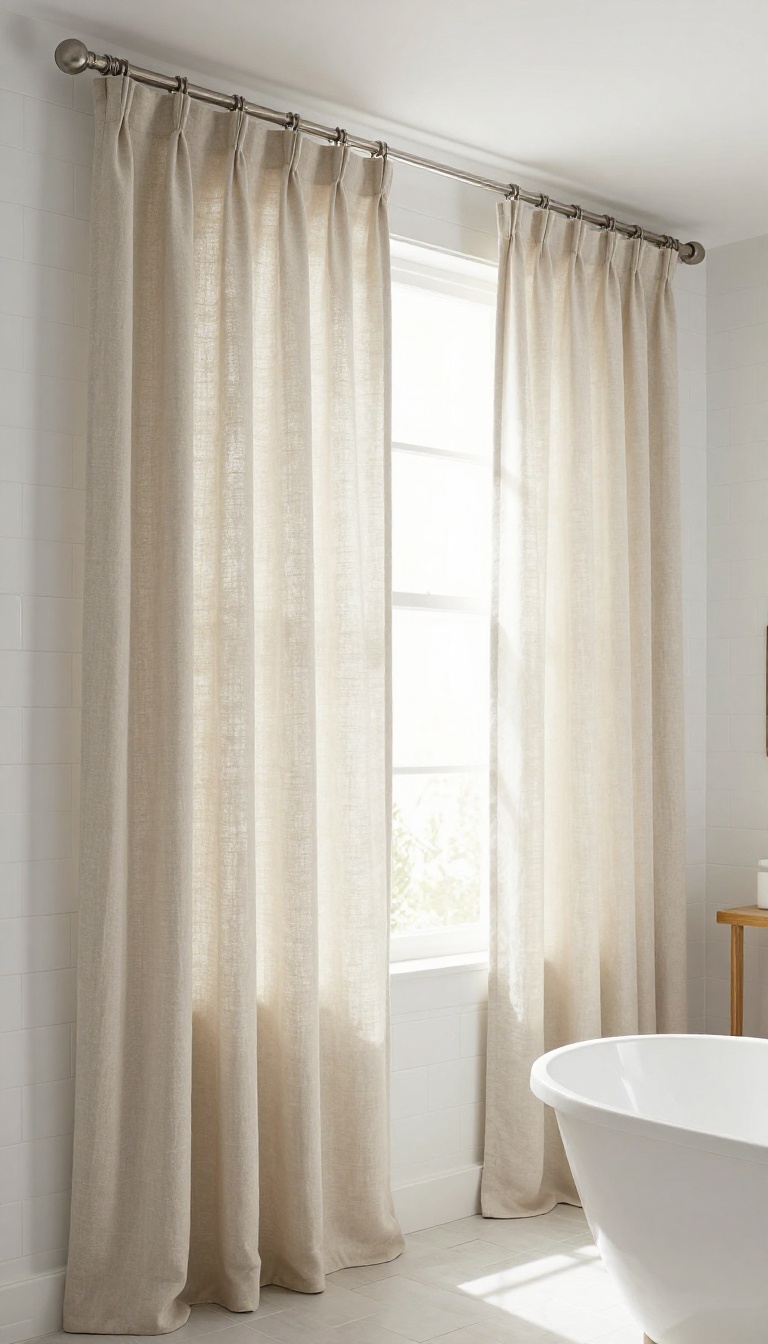
Most people hang the rod right at the top of the window or tub, but that's a missed opportunity. Raising the rod several inches higher—and extending it well beyond the edges—creates a more expansive, custom feel. It's a simple trick that makes the whole bathroom look more intentional.
This technique is all about tricking the eye. When the curtain hangs from a higher point, it draws the gaze upward, making the ceiling feel taller. Extending the rod wider than the actual window or tub adds width, so the space feels larger and more luxurious.
It's a favorite among interior designers because it costs almost nothing but delivers a high-end look.
How High Should You Go?
Aim for 4 to 6 inches above the window frame or tub edge. If you have high ceilings, you can go even higher—just make sure the curtain still reaches the floor or the desired length. A good rule of thumb: the rod should sit about halfway between the top of the window and the ceiling, but adjust based on your space.
How Wide Should You Extend?
Extend the rod 6 to 12 inches beyond each side of the window or tub. This allows the curtain to stack neatly when open, without blocking the glass. For a dramatic effect, go wider—just ensure the brackets are sturdy enough to support the extra length.
Picking The Right Rod And Hardware
Since you're going wider, choose a rod that's strong and adjustable. Tension rods work for lightweight curtains, but for a long fabric curtain, a sturdy metal rod with wall-mounted brackets is safer. Make sure the brackets are installed into studs or use heavy-duty anchors to avoid sagging.
FAQ
What length should a long shower curtain be?
A long shower curtain is typically 72 inches or longer. For a floor-length look, measure from the rod to the floor and subtract about 1 inch to avoid dragging.
How do I keep a long shower curtain from molding?
Use a waterproof liner, ensure good ventilation, and wash the curtain regularly. Choose quick-drying fabrics or treat them with a water-repellent spray.
Can I use a long shower curtain with a standard tub?
Yes, if your tub is standard height, a 72-inch curtain works well. For taller tubs, measure to ensure the curtain reaches the desired point.
What's the best fabric for a long shower curtain?
Cotton, linen, or polyester blends are durable and drape nicely. Avoid 100% cotton if it wrinkles easily; a blend is often better.
How do I hang a long shower curtain without a drill?
Use a tension rod that fits your space, or a ceiling-mounted track with adhesive hooks. For a more permanent solution, consider a spring-loaded rod.
Conclusion
Long shower curtains are a simple swap that can make your bathroom feel taller, cleaner, and more intentional. Whether you lean into bold patterns, textured fabrics, or clever hanging tricks, the right curtain sets the tone without a full remodel.
Start with one idea that fits your space and budget, then build from there. A crisp, custom look is more achievable than you think—just measure twice, pick a style you love, and enjoy the fresh feel every time you step in.