10 Must-See Glass Shower Ideas with a Seamless Custom Finish
A glass shower can completely change how your bathroom feels. The right design opens up the space, lets in more light, and adds a touch of luxury that’s hard to beat.
But not all glass showers are created equal—the secret lies in a seamless custom finish that looks intentional and polished. Whether you’re remodeling or just dreaming, these ten ideas cover a range of styles, from sleek and modern to warm and organic.
Each one focuses on the details that make a custom glass shower stand out: clean lines, minimal hardware, and a finish that feels built-in, not bolted on. Let’s walk through some of the most striking options you can bring to your bathroom.
1. Frameless Glass Panels for a Minimalist Look
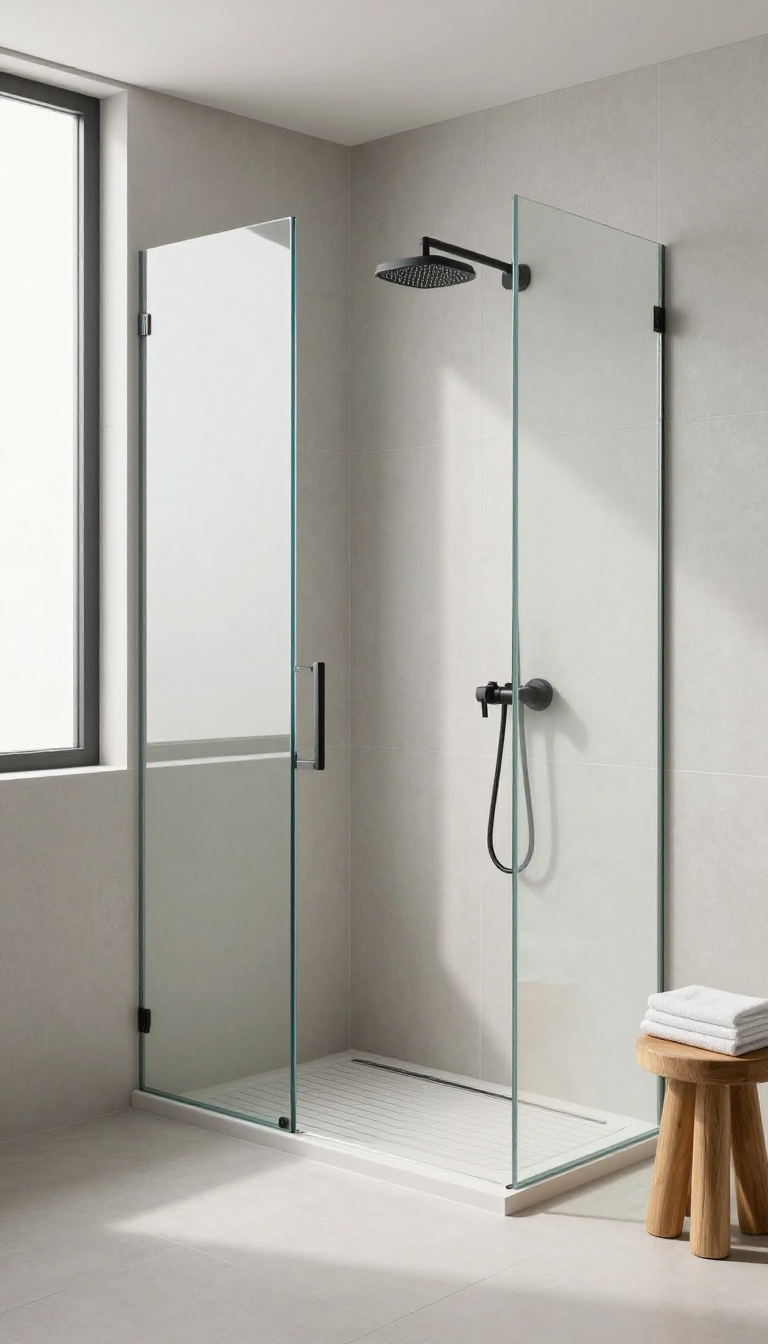
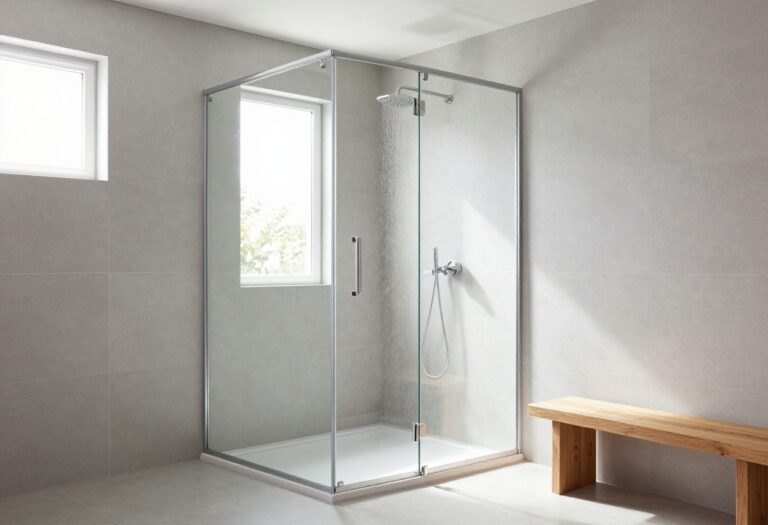
Frameless glass panels are the ultimate choice when you want your shower to disappear into the room. Without bulky metal frames, the glass becomes the star, offering an unobstructed view that makes even a compact bathroom feel airy and open. The seamless custom finish—achieved with precision-cut glass and minimal hardware—creates a polished, high-end look that’s surprisingly practical.
When you choose frameless glass, you’re not just picking a shower door; you’re redefining the space. The lack of a frame means fewer places for soap scum and grime to hide, making cleaning a breeze. Plus, the heavy-duty hinges and clips used to support the glass are designed to be discreet, so the focus stays on the clean lines and the beautiful tile or stone behind it.
Why Frameless Works So Well
Frameless glass panels rely on thick tempered glass—usually 3/8 or 1/2 inch—for strength and stability. This thickness not only feels substantial but also allows for larger panels without the need for extra support. The result is a sleek, uninterrupted surface that visually expands your bathroom, letting natural light flow freely from one end to the other.
Hardware That Disappears
The secret to a truly seamless look is the hardware. Choose hinges and clips in finishes that blend with your bathroom fixtures—like brushed nickel or matte black—but keep them minimal. Some systems even offer concealed hinges that mount on the inside of the glass, so from the outside, all you see is pure glass.
This attention to detail makes the shower feel like a built-in part of the room, not an afterthought.
Perfect For Small Bathrooms
If you’re working with a tight space, frameless glass is a game-changer. Because there’s no frame to add visual weight, the shower area feels less boxed in. You can also opt for a sliding or pivot door that doesn’t swing outward, saving precious floor space.
The open, airy feel makes the whole bathroom appear larger, which is a huge win when square footage is limited.
2. Sliding Barn Door Style with a Modern Twist
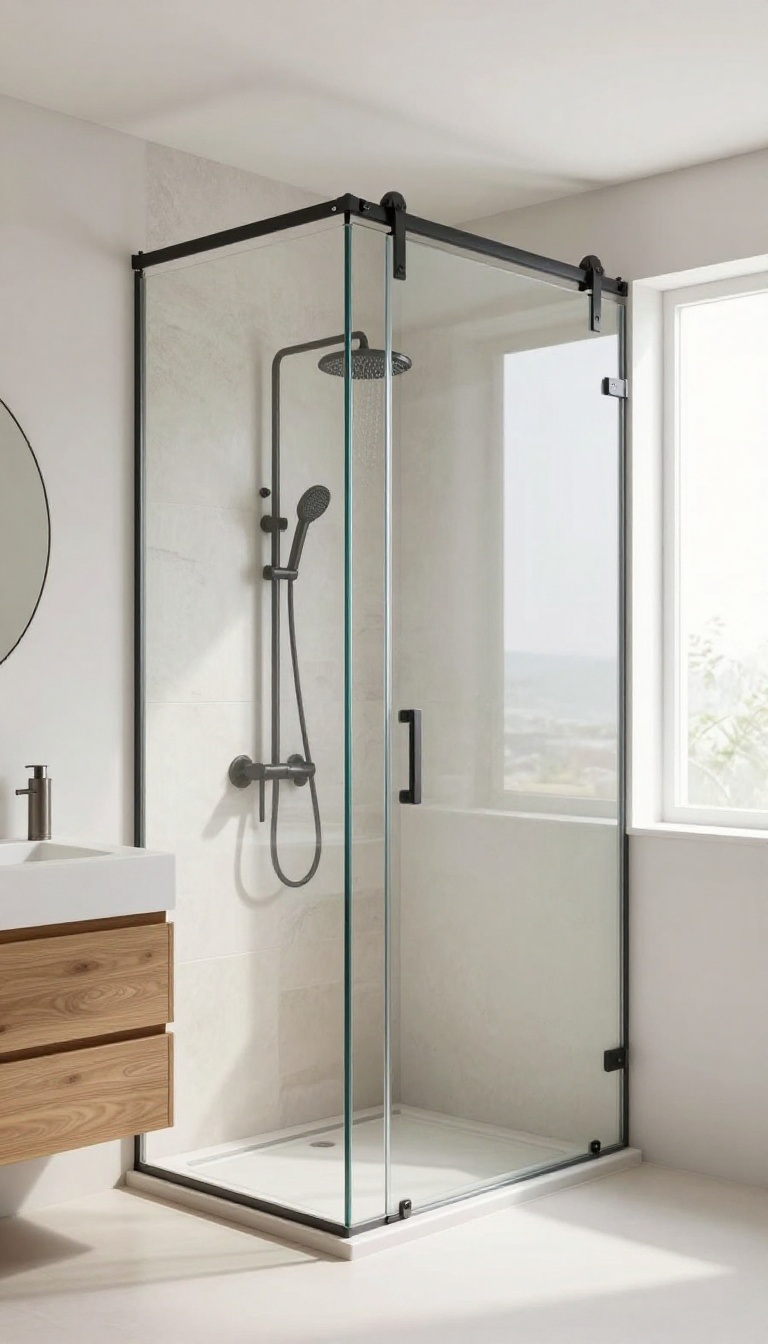
Barn doors have been a favorite in farmhouse-style homes for years, but they’re not just for living rooms anymore. When you adapt that same sliding concept to a glass shower, you get something unexpected and practical. The door glides along a sleek track, which means you don’t need to worry about clearance for a traditional swing door.
That makes it a smart pick for tighter bathrooms or for anyone who wants a shower that feels a little more distinctive.
The sliding barn door shower is all about blending rustic charm with modern minimalism. The glass panel itself is usually clear or lightly frosted, so it keeps the open, airy feel you want from a glass enclosure. The hardware does the heavy lifting: matte black or brushed nickel tracks and rollers give it that contemporary edge, while the sliding motion adds a touch of theater to your daily routine.
Plus, since the door doesn’t swing outward, you can place it flush against a wall or even tuck it into a corner without sacrificing floor space.
Why It Works In Small Bathrooms
Space is often at a premium in bathrooms, and a swinging door can eat up valuable square footage. The barn door style slides parallel to the wall, so it doesn’t intrude into the room when open. That makes it ideal for compact layouts or for showers tucked into an alcove.
You get the full opening width without the clearance issue, and the track can be mounted overhead or on the wall, depending on your ceiling height and stud placement.
Hardware Choices That Set The Tone
The hardware is what really sells this look. Matte black gives a bold, industrial vibe that pairs well with dark tile or concrete floors. Brushed nickel or stainless steel feels softer and more traditional, while brass or gold adds a warm, upscale touch.
Don’t forget the handles—choose a slim bar or a round pull that matches the finish. The track itself can be exposed for an industrial feel or hidden inside a recessed channel for a cleaner silhouette.
Glass Options For Privacy And Light
Clear glass keeps the shower open and bright, but if you want a little more privacy, go with frosted or textured glass. You can also do a partial frosted panel—say, the lower half—while keeping the top clear to let in light. Another option is to use a patterned glass that adds visual interest without making the space feel closed off.
Just remember that textured glass can be trickier to keep clean, so weigh the aesthetic against the maintenance.
3. Corner Entry with Curved Glass
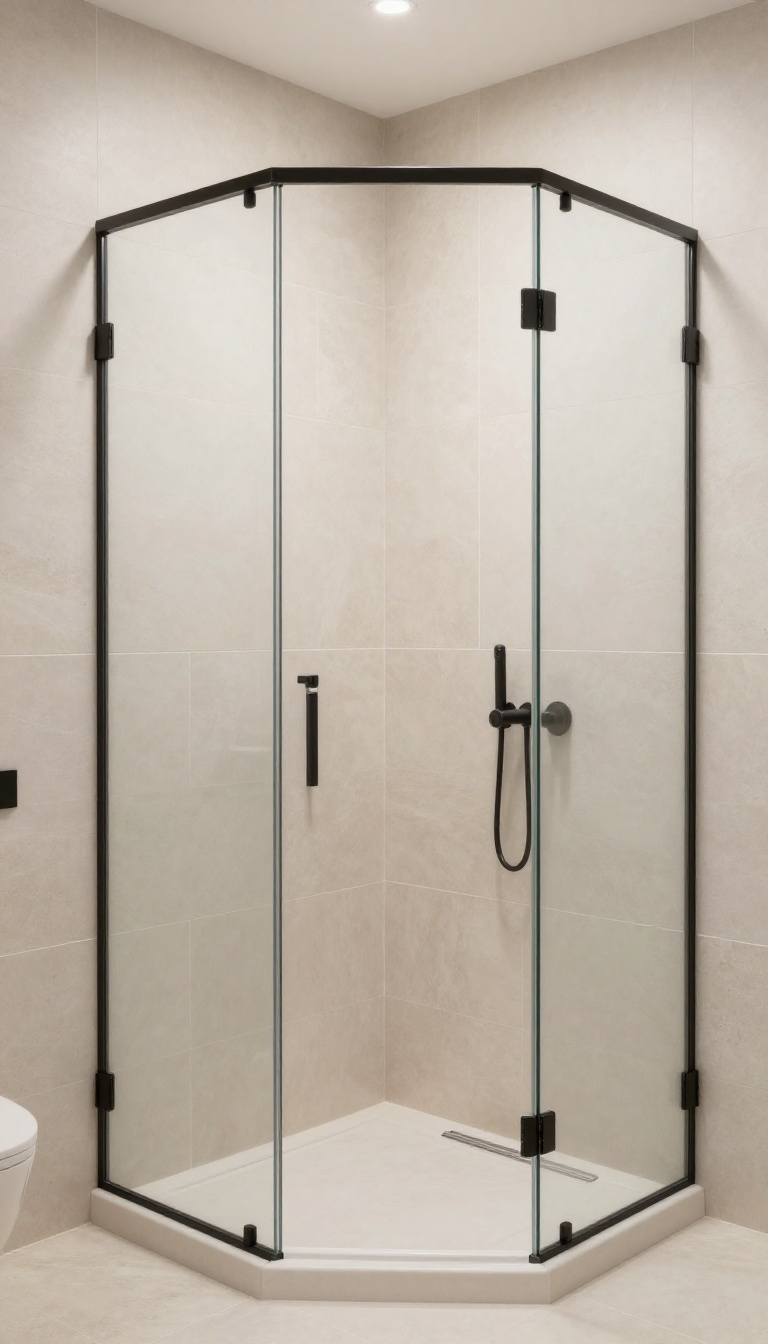
A corner shower with a curved glass panel brings a soft, sculptural feel to the bathroom. The gentle arc breaks the boxy look of standard showers, making the space feel more open and welcoming. It’s a clever way to add a custom touch without taking up extra floor area.
The curved design works especially well in compact bathrooms, where every inch matters. The rounded edge allows for a wider entry without swinging a door outward, so you save space and gain a more fluid transition into the shower. Plus, the lack of sharp corners means less visual clutter and a smoother, more organic line.
Space-saving Entry
A curved panel can slide or pivot on a single hinge, letting you step in without a full door swing. This is perfect for tight layouts where a traditional door would hit a vanity or toilet. The arc also creates a natural guide into the shower, making the entry feel more deliberate and less cramped.
Softer Aesthetic
The curve adds a gentle, almost artistic element to the bathroom. It softens the overall look, especially when paired with matte black or brushed nickel fixtures. If you're aiming for a spa-like vibe, this shape helps break the monotony of straight lines and gives the eye a pleasing focal point.
Custom Finish Options
To keep the seamless look, choose a continuous curve that flows from the wall to the glass without visible joints. A polished edge and minimal hardware, like a slim floor guide or a discreet hinge, enhance the clean finish. You can also opt for a light tint or frosted stripe for privacy while maintaining the smooth silhouette.
4. Textured Glass for Privacy Without Sacrificing Light
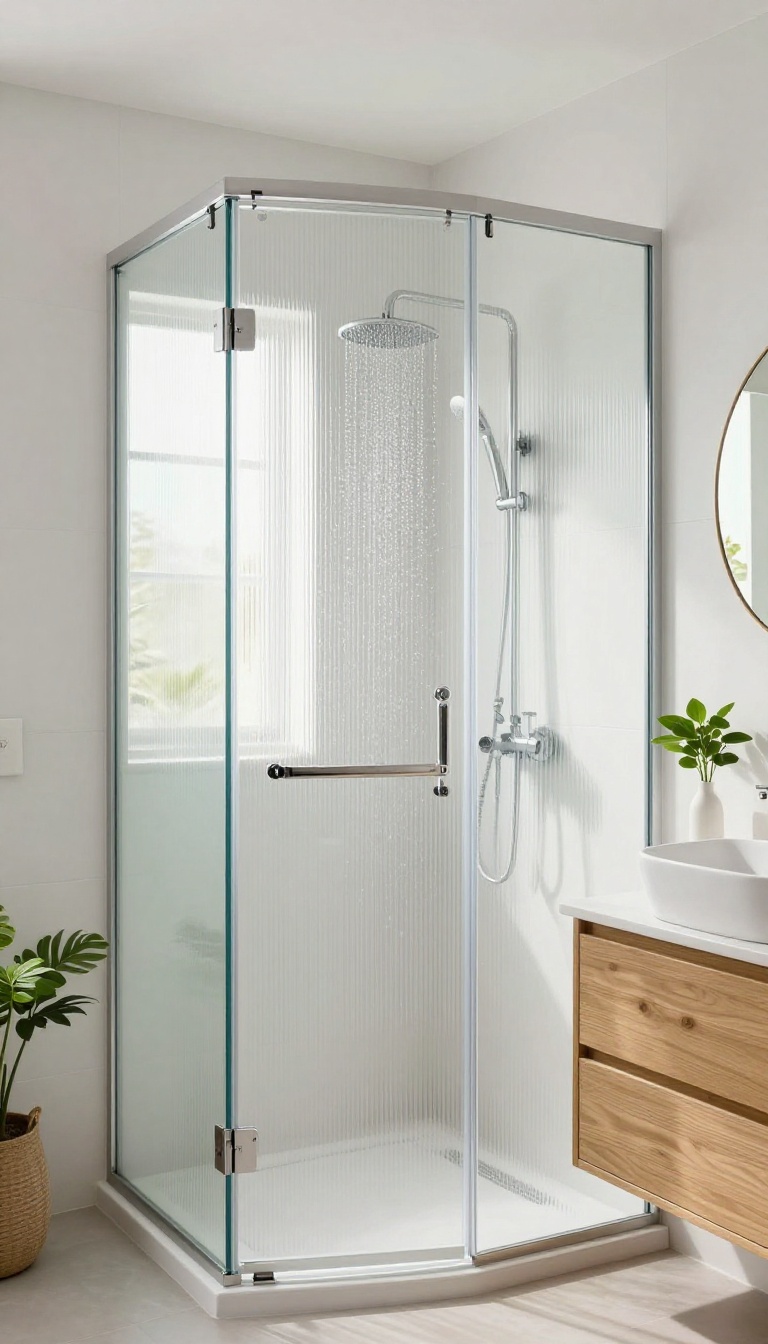
Privacy doesn’t have to mean a dark, closed-off shower. Textured glass gives you that secluded feel while still letting daylight pour through, keeping the bathroom airy and open. It’s a smart pick for shared bathrooms or anyone who wants a calm, spa-like vibe without a solid wall.
Textured glass comes in a variety of patterns—rain, frosted, ribbed, or even bamboo—so you can match the look to your bathroom’s style. The texture scatters light, so you get soft, diffused illumination instead of harsh glare, and it obscures the view from outside without making the space feel boxed in. Plus, it hides water spots and soap scum better than clear glass, which means less frequent cleaning and more time enjoying your shower.
Patterns That Play With Light
Rain glass has vertical ridges that create a gentle waterfall effect, while frosted glass gives a smooth, matte finish that feels soft and modern. If you want something more decorative, bamboo or reed patterns add subtle texture that echoes nature. Each pattern changes how light moves through the glass, so you can pick one that complements your tile and fixtures.
Pairing With Frameless Or Semi-frameless
Textured glass works beautifully with frameless setups because the lack of metal framing lets the pattern take center stage. For a more budget-friendly option, semi-frameless with a minimal hinge and handle still keeps the look clean. Just make sure the glass is tempered for safety and that the texture is on the inside if you want easier cleaning from the outside.
Maintenance And Care Tips
Textured surfaces can trap grime, but a daily squeegee and a weekly mild cleaner will keep them looking fresh. Avoid abrasive scrubbers that can scratch the finish. For hard water spots, a vinegar and water solution works wonders.
With a little routine care, textured glass stays beautiful for years.
5. Floor-to-Ceiling Glass with a Built-In Bench
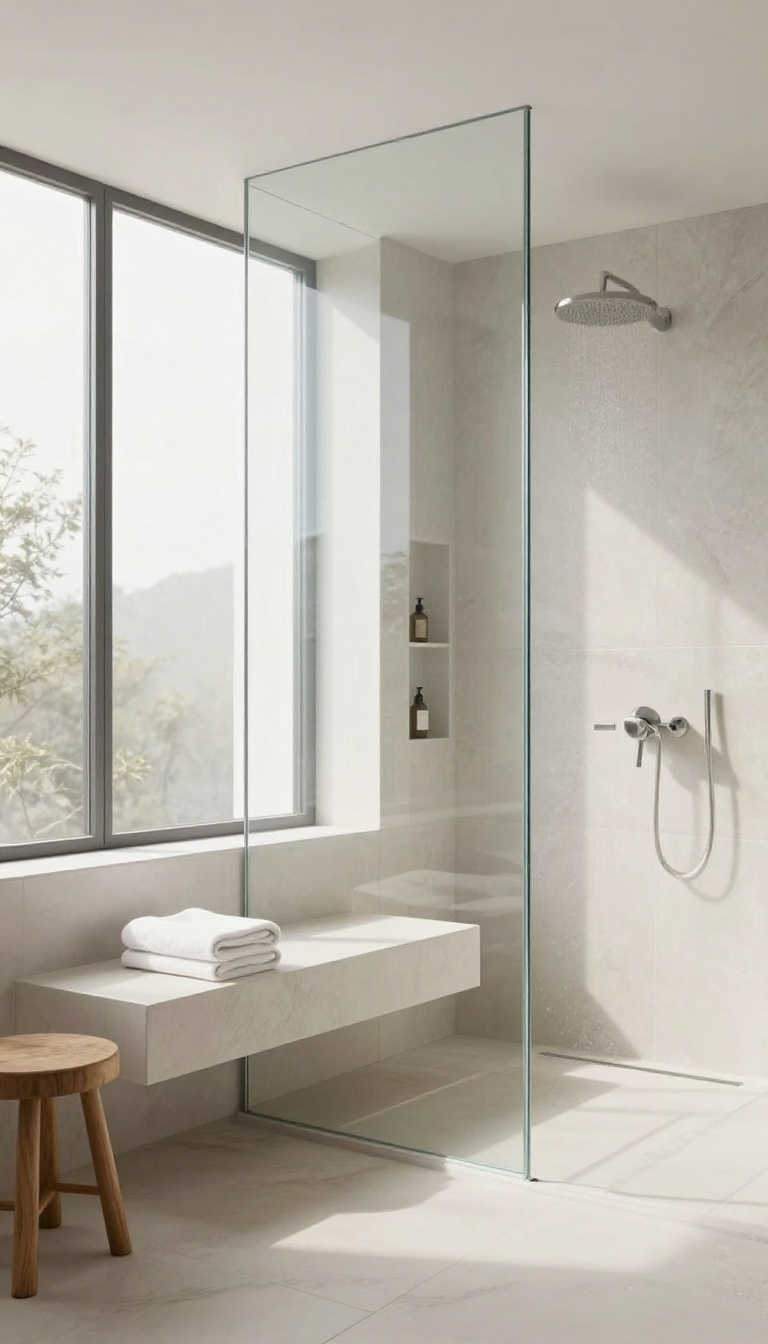
When you let glass run from floor to ceiling, the shower stops feeling like a separate box and starts feeling like part of the room. That uninterrupted view does more than show off your tile—it makes the whole bathroom feel bigger and brighter. Add a built-in bench or niche, and you’ve got a shower that’s both practical and seriously luxurious.
The bench isn’t just a place to sit; it anchors the design, giving the eye a solid resting spot within all that openness. It also solves the age-old problem of where to put your foot while shaving or your products without cluttering the space. The result is a shower that feels custom because it is—every line, every surface, every detail works together.
Floor-to-ceiling glass creates a dramatic, seamless enclosure. Pair it with a built-in bench or niche for a luxurious shower experience. The uninterrupted glass highlights the tile work and adds a high-end feel.
Why Floor-to-ceiling Works
Standard shower doors stop a few inches short of the ceiling, which breaks the visual line and can make the ceiling feel lower. Taking the glass all the way up eliminates that break, creating a clean, continuous surface that draws the eye upward. It also keeps steam and water inside better, so your bathroom stays drier and your mirror stays clearer.
Bench Placement And Design
A built-in bench can go against the back wall, along the side, or even span the full width of the shower. For a seamless look, match the bench material to your tile or use the same stone as your countertops. A floating bench with hidden supports feels even lighter and more modern, while a solid block bench adds a spa-like weight.
Just make sure it’s slightly sloped so water doesn’t pool.
Tiling And Finishing Touches
The real magic happens when the tile flows from the walls onto the bench and floor without interruption. Large-format tiles or continuous slabs make the space feel more expansive, while a niche cut into the tile keeps your shampoo bottles within reach without breaking the visual plane. Choose a grout color that blends with the tile so the lines stay subtle, and consider a linear drain to keep the floor sleek.
6. Black-Framed Glass for an Industrial Edge
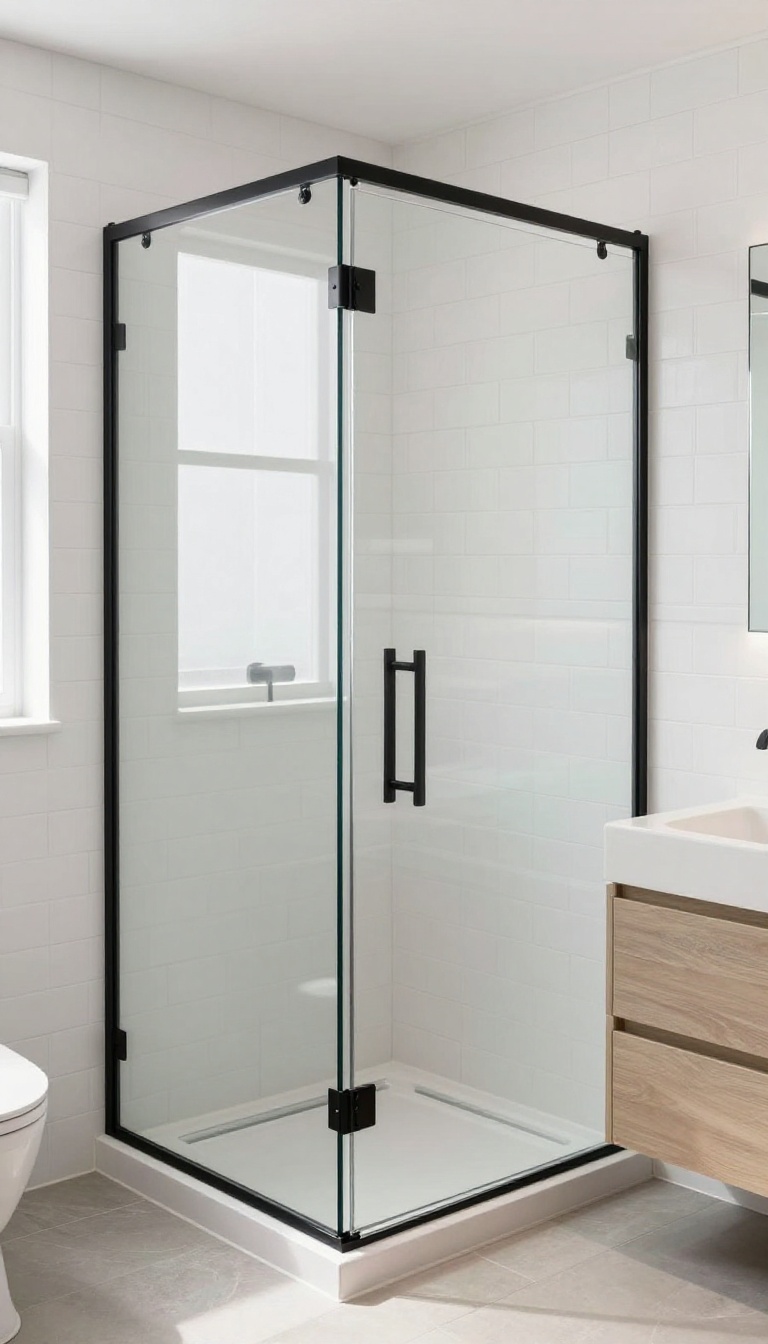
Some showers are meant to stand out, and a black-framed glass enclosure does exactly that. The bold, dark lines add structure and a touch of urban cool, making the shower feel like a deliberate design statement rather than just a functional space. It’s a look that pairs beautifully with lighter tiles and raw textures, giving your bathroom an edge that’s both stylish and inviting.
Black-framed glass showers bring a graphic, architectural quality to the bathroom. The strong contrast between the dark frame and light surroundings creates a focal point that draws the eye. This style works especially well in modern and industrial-inspired spaces, where the mix of metal and glass adds depth and character.
Choosing The Right Frame Finish
Matte black is the go-to for a subtle, sophisticated look, while a glossy black can add a bit of shine. Consider the other metals in your bathroom—faucets, handles, and lighting—to keep everything cohesive. A black frame with brushed nickel accents can feel intentional and layered.
Pairing With Tile And Textures
To let the black frame pop, surround it with lighter materials like white subway tile, light gray stone, or pale wood tones. The contrast makes the frame feel crisp and sharp. You can also add texture with a concrete or brick-look tile for extra industrial flair, but keep the palette simple so the shower remains the hero.
Hardware And Hinges That Complete The Look
The hardware matters as much as the frame itself. Choose hinges and handles that match the black finish for a seamless appearance. Heavy-duty hinges give the door a solid feel, and a simple black handle adds to the industrial vibe.
Don’t forget the towel bar—match it to the frame for a unified look.
7. Semi-Frameless with a Chrome Accent
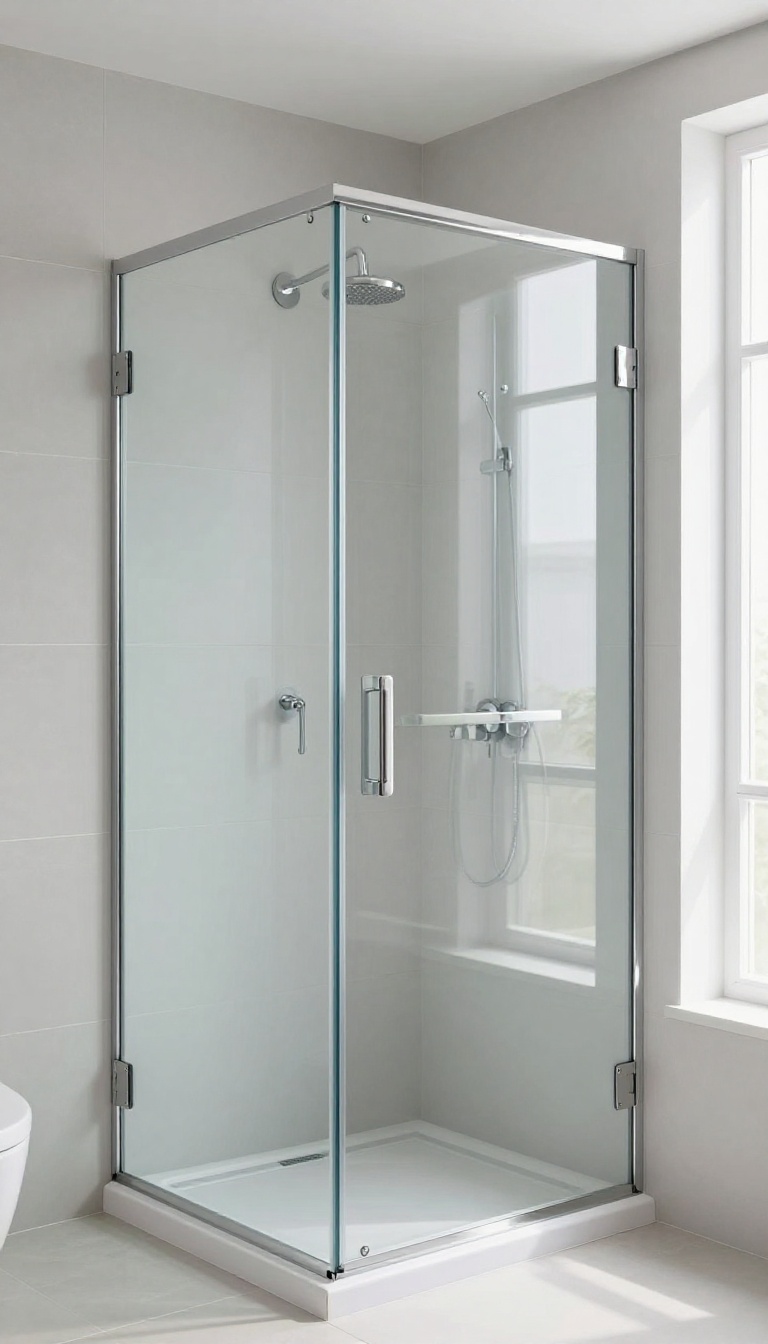
Semi-frameless showers strike a balance between the open look of frameless glass and the stability of a fully framed unit. They use a minimal frame on the door and panels, but the chrome accents give it a refined, polished edge. This option is more budget-friendly than fully frameless while still offering a seamless appearance that fits most bathrooms.
The key to this style is the chrome trim—it adds a crisp, reflective line that catches the light and makes the shower feel intentional. You get the airy, open feel of a frameless shower without the higher price tag, and the chrome hardware ties in nicely with faucets and fixtures. It's a smart choice if you want a custom look without going over budget.
Why Choose Semi-frameless?
Semi-frameless showers are easier to install than fully frameless ones because the minimal frame provides extra support. That means you can use slightly thinner glass, which lowers the cost. The chrome accent adds a touch of elegance that plain aluminum frames lack, giving the shower a more upscale feel without the premium price.
Design Tips For Chrome Accents
Pair the chrome trim with matching chrome fixtures, like the showerhead and handles, for a cohesive look. If your bathroom has cool-toned tiles or fixtures, chrome will blend right in. For a subtle contrast, consider a matte black or brushed nickel accent elsewhere, but keep the chrome as the main focus to maintain that seamless finish.
Maintenance And Durability
Chrome is known for being easy to clean and resistant to corrosion, which is perfect for a humid bathroom. Wipe down the frames regularly with a soft cloth to keep them shiny. The semi-frameless design also means fewer crevices for soap scum to build up, making your cleaning routine a bit easier.
8. Glass Block Accent Wall for a Vintage Vibe
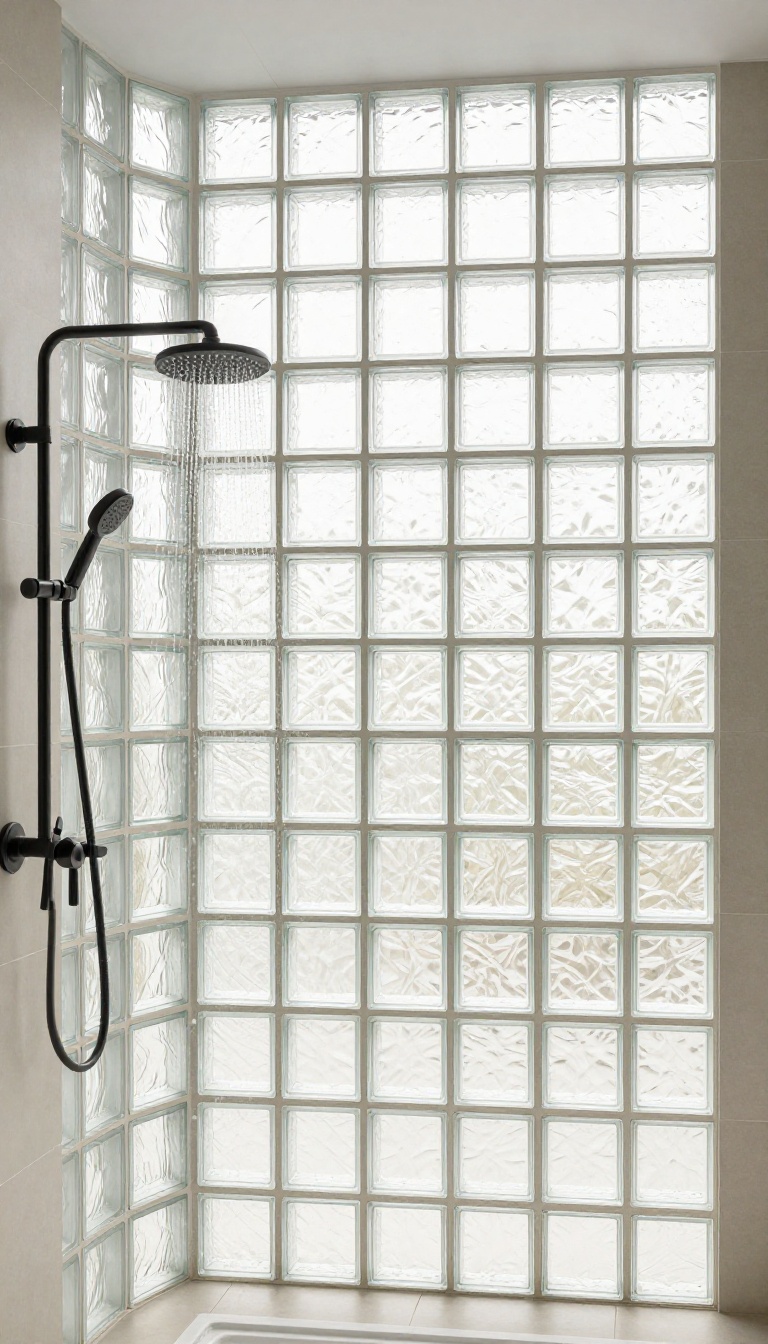
Glass blocks often bring back memories of 80s bathrooms, but they’re due for a comeback. When used sparingly, they add texture and a soft, diffused glow that plain glass can’t match. A glass block accent wall can give your shower a retro feel without looking dated.
The key is to pair it with modern fixtures and clean lines, so it feels intentional rather than stuck in the past. It’s also a clever way to let light through while keeping some privacy.
Why Glass Blocks Work In A Shower
Glass blocks are thick and sturdy, so they provide a sense of enclosure without making the space feel boxed in. They scatter light beautifully, turning harsh bathroom lighting into a gentle glow that flatters everyone. They’re also great for creating a partition—say, separating the shower from the toilet area—while still letting natural light travel through.
That makes the whole bathroom feel bigger and airier.
Mixing Modern And Retro Elements
To keep the vintage vibe from taking over, pair the glass block wall with contemporary touches. Think matte black fixtures, a sleek rainfall showerhead, and large-format tiles in neutral tones. Avoid adding too many other retro elements, like patterned tiles or brass accents, unless you’re going for a full-on retro look.
The glass blocks should be the star, not part of a time warp.
Installation And Maintenance Considerations
Glass blocks are heavier than standard glass panels, so the floor and wall need to be able to support the weight. It’s best to have a professional install them to ensure proper sealing and waterproofing. Cleaning is straightforward—just use a mild glass cleaner and a soft cloth.
The mortar lines might need a little extra attention, but they can be sealed to resist soap scum and mildew.
9. Custom Etched Glass for a Personal Touch
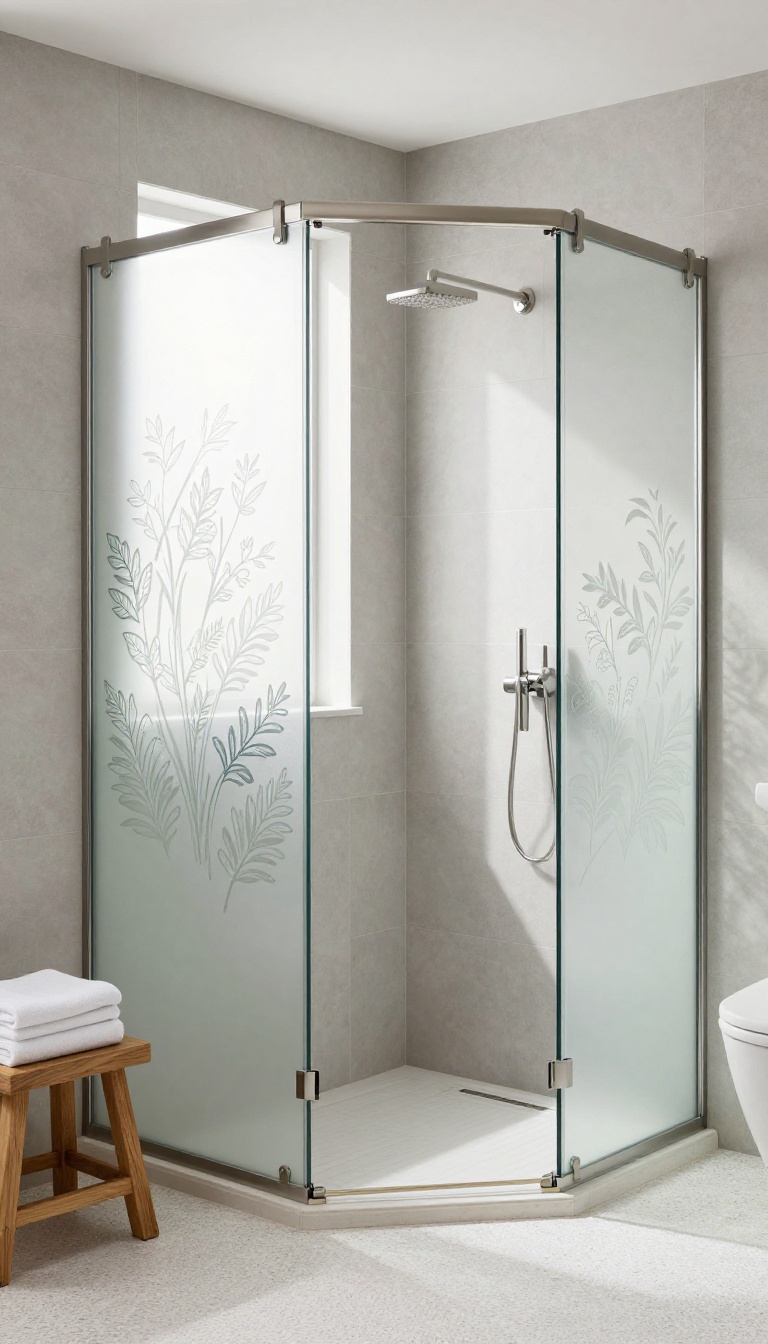
Etched glass takes your shower from functional to personal. Instead of plain transparency, you get a design that’s baked into the surface—permanent, private, and uniquely yours. It’s a way to add artistry without sacrificing practicality.
Etching works by sandblasting or acid-etching the glass to create a frosted effect. The pattern can be subtle or bold, covering the whole panel or just a section. Because the etching is part of the glass, it won’t peel or fade, and it’s just as easy to clean as regular glass.
You get privacy and a conversation piece in one.
Pick A Pattern That Fits Your Style
Geometric lines give a modern, structured look. Nature-inspired motifs like leaves or waves soften the space. Even a simple monogram or family crest adds a personal touch.
Think about what you see every day—make it something you’ll enjoy.
Balance Privacy And Light
Etching doesn’t have to cover the entire glass. A frosted band at eye level or a scattered pattern can give you privacy while letting in natural light. This keeps the shower feeling open and airy, not closed off.
Keep It Low-maintenance
One of the best parts of etched glass is how easy it is to care for. The frosted surface hides water spots better than clear glass. A quick wipe with a squeegee or mild cleaner keeps it looking fresh.
No special treatments needed.
10. Walk-In Shower with a Single Glass Pane
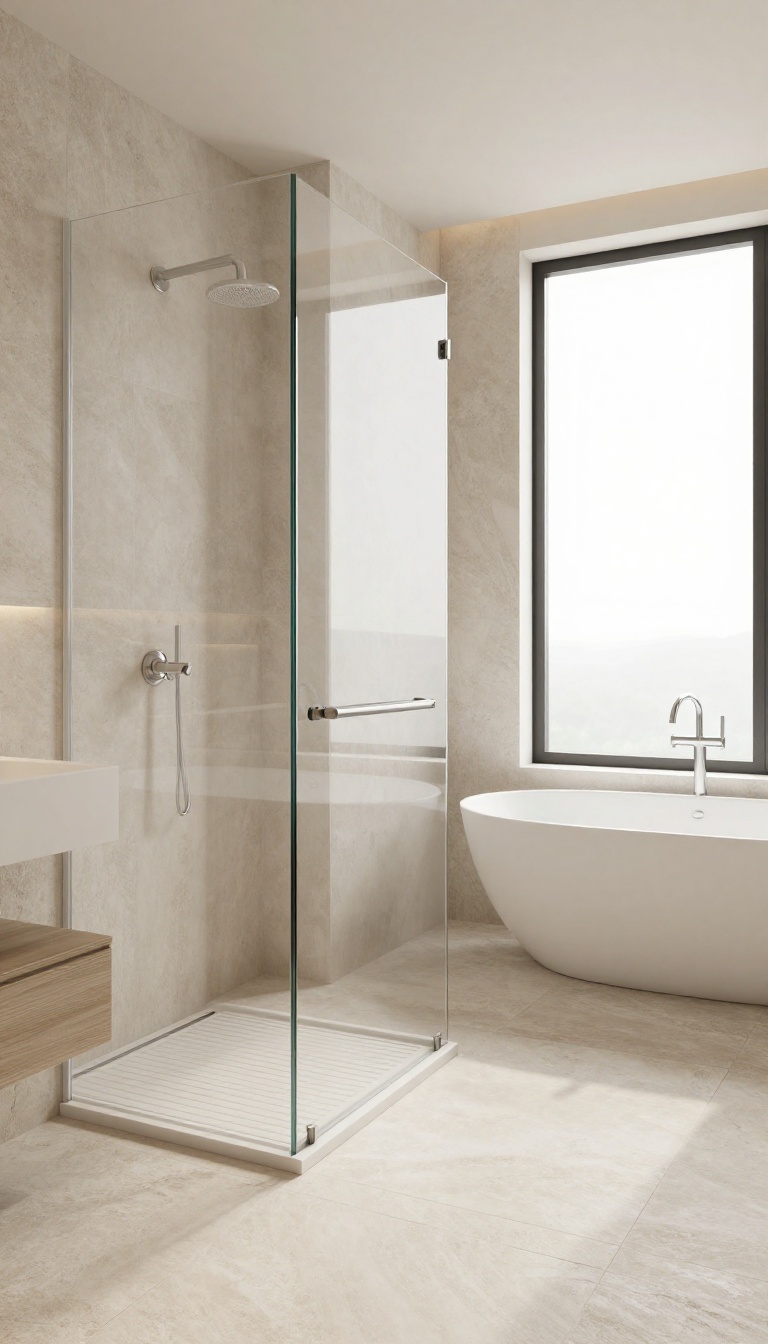
Sometimes less really is more. A walk-in shower with a single fixed glass pane strips the enclosure down to its essence: one clear sheet that shields the wet area while keeping the rest of the bathroom open. It’s the go-to choice for a wet-room style layout, where the shower blends seamlessly with the surrounding floor.
The result feels spacious, modern, and almost invisible—exactly what a seamless custom finish should be.
A single glass pane works best when you have the space to let the shower breathe. Instead of a door that swings or slides, you get a fixed panel that acts as a splash guard. Water stays in, but the shower never feels closed off.
This design shines in bathrooms where you want to highlight beautiful tile or a freestanding tub nearby. The lack of hardware also means fewer places for grime to hide, making cleanup a breeze.
Why One Pane Beats A Door
Doors add moving parts, hinges, and tracks that can break or collect soap scum. A fixed pane eliminates all that. You simply walk in and out, which is especially handy if you have kids or pets.
Plus, without a door, you gain a few extra inches of visual space—something that makes a small bathroom feel larger.
Getting The Size Right
The key is to make the pane long enough to keep water from splashing out, but not so long that it blocks the entry. A good rule of thumb is to extend the glass at least halfway past the showerhead. If you have a rainfall shower, you might need a wider pane.
Custom glass allows you to tailor the width and height to your exact layout.
Finishing Touches For A Seamless Look
To keep the seamless vibe, choose minimal hardware: a single top mount or a slim floor bracket. Clear glass with a low-iron finish reduces the green tint and makes the pane nearly invisible. You can also opt for a light frosted stripe for privacy without losing the open feel.
The goal is to make the glass disappear into the design.
FAQ
What is the difference between frameless and semi-frameless glass showers?
Frameless showers use thick tempered glass (usually 3/8" or 1/2") with minimal hardware like hinges and clips, offering a clean, open look. Semi-frameless showers have a metal frame around the door and sometimes the panels, which is more affordable but still looks sleek.
How do I keep glass shower doors clean and free of water spots?
Regularly squeegee after each use and use a mild cleaner or a vinegar-water solution. Applying a water-repellent coating can also help prevent buildup. Avoid abrasive scrubbers that can scratch the glass.
Can I install a glass shower myself or should I hire a professional?
While DIY kits are available, professional installation is recommended for safety and to ensure a proper, watertight fit. Glass panels are heavy and require precise measurements and drilling into tile or stone, which can be tricky.
What type of glass is best for a shower enclosure?
Tempered glass is the standard because it’s safety glass that shatters into small, blunt pieces. For clarity, look for low-iron glass, which has a clearer, less green tint. Textured or frosted glass is great for privacy.
How much does a custom glass shower typically cost?
Costs vary widely based on size, glass type, hardware, and labor. On average, you might spend between $1, 500 and $5, 000 or more. Frameless and custom designs are at the higher end, while semi-frameless and standard sizes are more budget-friendly.
Conclusion
A seamless custom finish ties all these glass shower ideas together, giving your bathroom a polished, high-end look without the upkeep headaches. Whether you lean toward frameless minimalism or bold patterned panels, the right choice comes down to your space and daily routine.
Take your time picking the style that feels right, and don't skip the details like hardware and lighting. A well-planned shower isn't just a visual upgrade—it's a practical investment in your home's comfort and value.