15 Small Square Bedroom Ideas for Smarter Room Layouts
A small square bedroom can feel like a puzzle where every piece has to fit just right. But with the right layout tricks, you can turn that cramped feeling into a cozy, efficient space that works for you.
The key is to think vertically, choose multi-functional furniture, and keep the floor as open as possible. These 15 ideas will show you how to make the most of every inch without sacrificing style or comfort.
Whether you're dealing with a tiny guest room or a compact primary bedroom, these solutions are practical, affordable, and easy to adapt to your own space.
1. Center the Bed for a Balanced Look
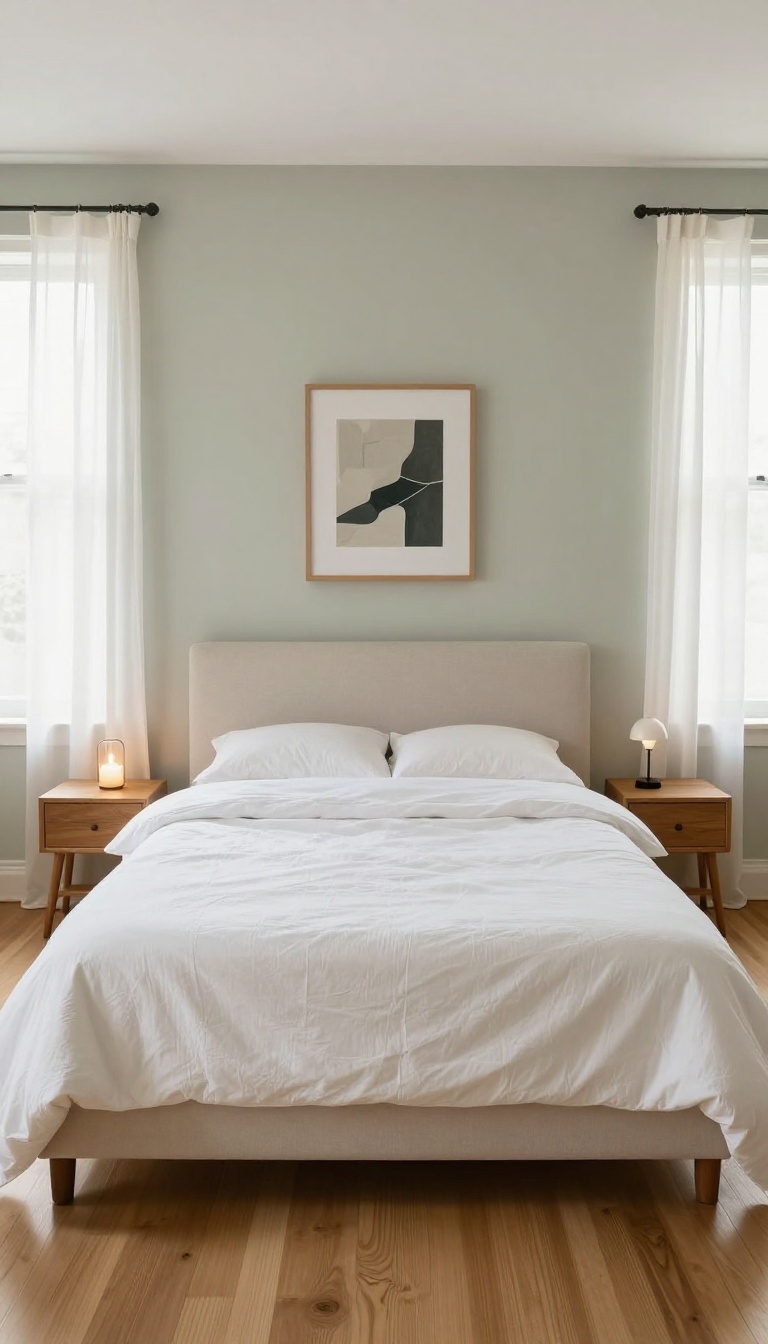
In a square room, symmetry is your secret weapon. When you push the bed against a wall, you create an awkward empty corner and a cramped side that feels off. Centering the bed on the main wall instantly balances the space and gives you equal room to move on both sides.
Centering the bed doesn't mean you need a massive room. Even in a 10×10 space, pulling the bed away from the wall by just a few inches can make a difference. You'll gain easier access to both sides, which is a game-changer for making the bed or getting up in the middle of the night.
Plus, the visual weight of a centered bed anchors the room and makes it feel intentional rather than thrown together.
Why Symmetry Works
Symmetry tricks the eye into seeing more space. When the bed is centered, the left and right sides mirror each other, so the room feels orderly and open. You also avoid the dead zone that happens when a bed is shoved into a corner.
That dead zone collects clutter and makes the room feel smaller. With a centered bed, every area has a purpose.
How To Pull It Off In A Tight Square
Measure your room and your bed first. If you have a full or queen, you might only have 18 to 24 inches on each side. That's still enough for a slim nightstand or a wall-mounted shelf.
Keep the foot of the bed clear by choosing a low-profile frame or a bed without a footboard. If space is really tight, angle the bed slightly in a corner—it's a compromise that still feels balanced.
Nightstand Solutions For Both Sides
Matching nightstands on each side reinforce the symmetry. But if you can't fit two, use floating shelves or narrow ledges. Even a small stool or a stack of books can work as a surface.
The goal is to give both sides equal function so the room doesn't feel lopsided. You'll be surprised how much more spacious it feels when you can actually use both sides of the bed.
2. Use a Corner Bed to Free Up Floor Space
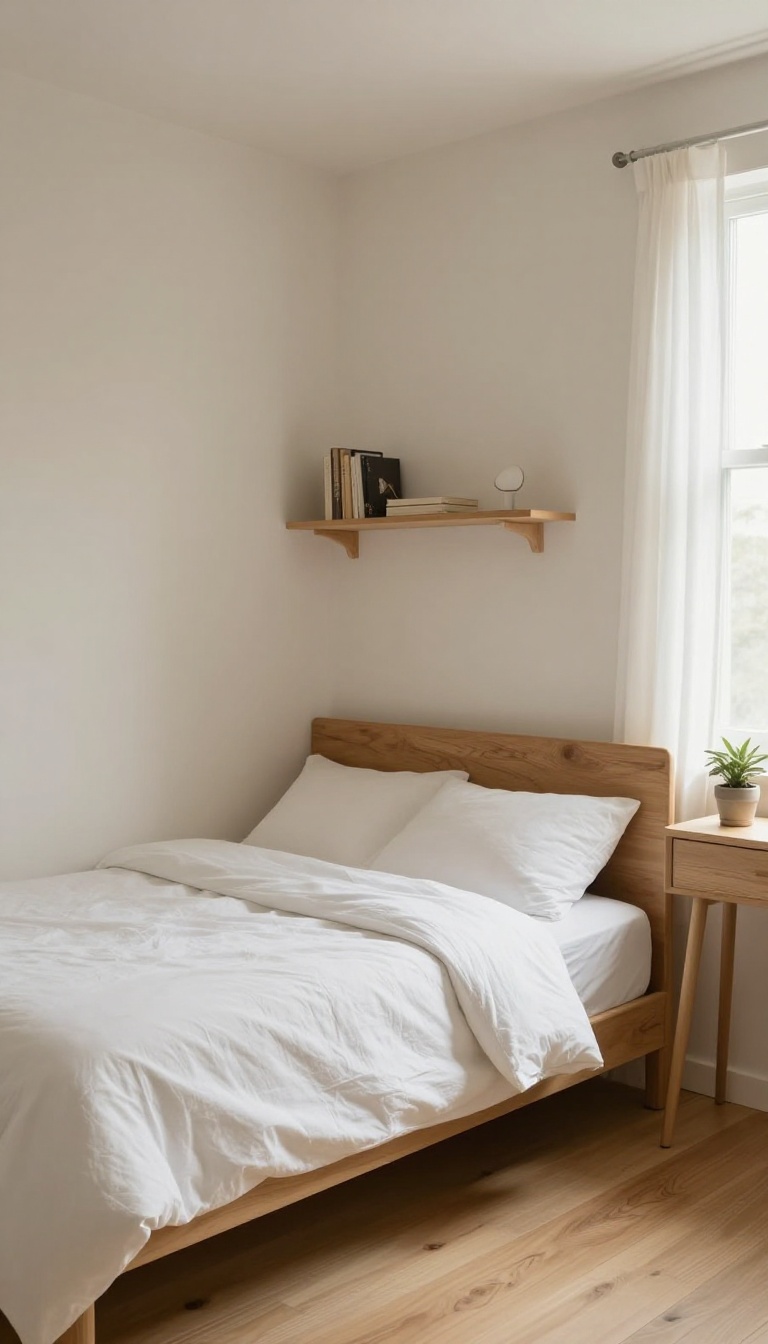
Pushing your bed into a corner might feel like a step backward, but in a square room it’s often the smartest move you can make. The center of the floor stays clear, so you can actually walk around without sidestepping furniture. It also gives you a natural spot for a nightstand, a reading nook, or even a tiny desk.
A corner bed works because it eliminates the dead space that usually collects dust and clutter. Instead of a bed floating in the middle with awkward gaps on both sides, you anchor it against two walls. That instantly opens up the rest of the room for a dresser, a chair, or a small table.
You’re not losing storage—you’re just rearranging it to work harder.
Pick The Right Corner
Not all corners are equal. Choose the one that leaves the longest wall free for a wardrobe or a desk. Avoid the corner next to the door if it blocks the swing or makes entry feel tight.
The goal is to keep the path from door to window as open as possible.
Make The Bed Feel Intentional
A corner bed can look shoved in if you don’t style it. Use a headboard that fits snugly into the corner, or create one with a couple of large pillows. Add a small shelf or a wall sconce above the bed to make it feel like a cozy nook, not an afterthought.
Use The New Space Wisely
With the bed out of the center, you can add a slim console behind the door or a floating desk on the opposite wall. Keep the floor clear by choosing furniture with legs so you can see more floor. That visual openness makes the room feel bigger than it is.
3. Choose a Platform Bed with Under-Bed Storage
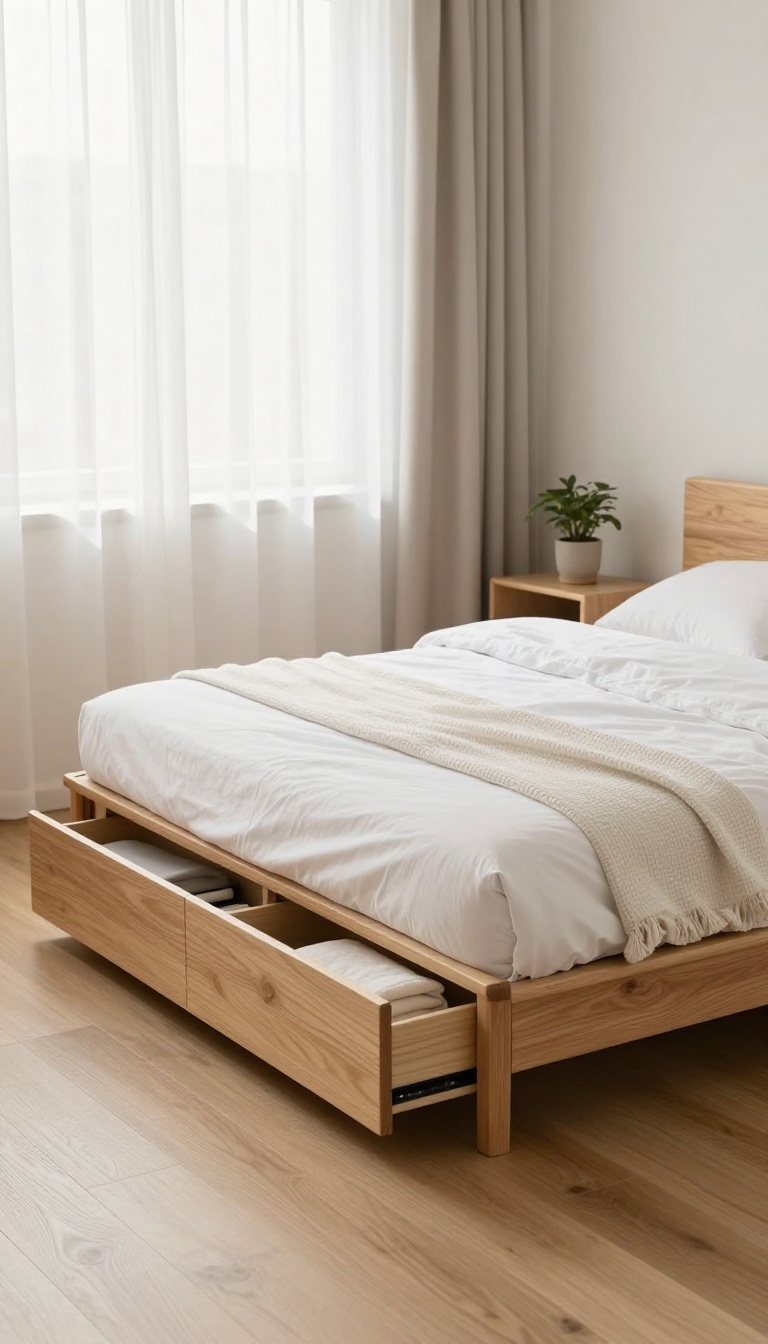
A platform bed sits low to the ground, which instantly makes a square room feel more open. But the real magic happens underneath. Many platform beds come with built-in drawers or a lift-up base that gives you hidden storage without adding a single piece of furniture.
In a small square bedroom, floor space is precious. A traditional bed frame with legs wastes the area underneath, and that gap often becomes a dust magnet or a spot for stray shoes. A platform bed with storage turns that dead space into a functional zone.
You get a place for extra blankets, off-season clothes, or whatever else is cluttering your room. And because the bed stays low, your sightlines stay clear, making the room feel larger than it is.
Drawers Vs. Lift-up: Which Works Better?
Drawer-style platform beds are easy to access daily. You can pull them out like dresser drawers and grab what you need without moving anything. They work well if you have a little clearance on the sides of the bed.
Lift-up beds, on the other hand, give you one big storage cavity under the entire mattress. You lift the whole platform with a hydraulic mechanism to reveal a deep space. That's perfect for bulky items you don't need often, like winter coats or guest bedding.
If you use the space daily, go with drawers. For seasonal storage, lift-up wins.
Keep The Footprint Tight
One of the best things about a platform bed is that it doesn't need a box spring. That saves height and money. Look for a model that matches the dimensions of your mattress exactly, so you don't lose inches to an oversized frame.
In a square room, every inch counts. A bed that's too wide can block walking paths or make it hard to open closet doors. Measure your room and mark out the bed's footprint with tape before you buy.
You'll quickly see what fits and what doesn't.
Style That Doesn't Fight The Room
Platform beds come in plenty of styles, from sleek metal frames to warm wood finishes. In a small square room, a low-profile design in a light color can help the bed blend into the background. That makes the room feel less crowded.
If you want a bolder look, choose a darker wood or upholstered headboard, but keep the rest of the room simple. The goal is to let the bed do its job without dominating the space. A clean, uncluttered look will always make a small room feel more spacious.
4. Float the Bed Away from Walls
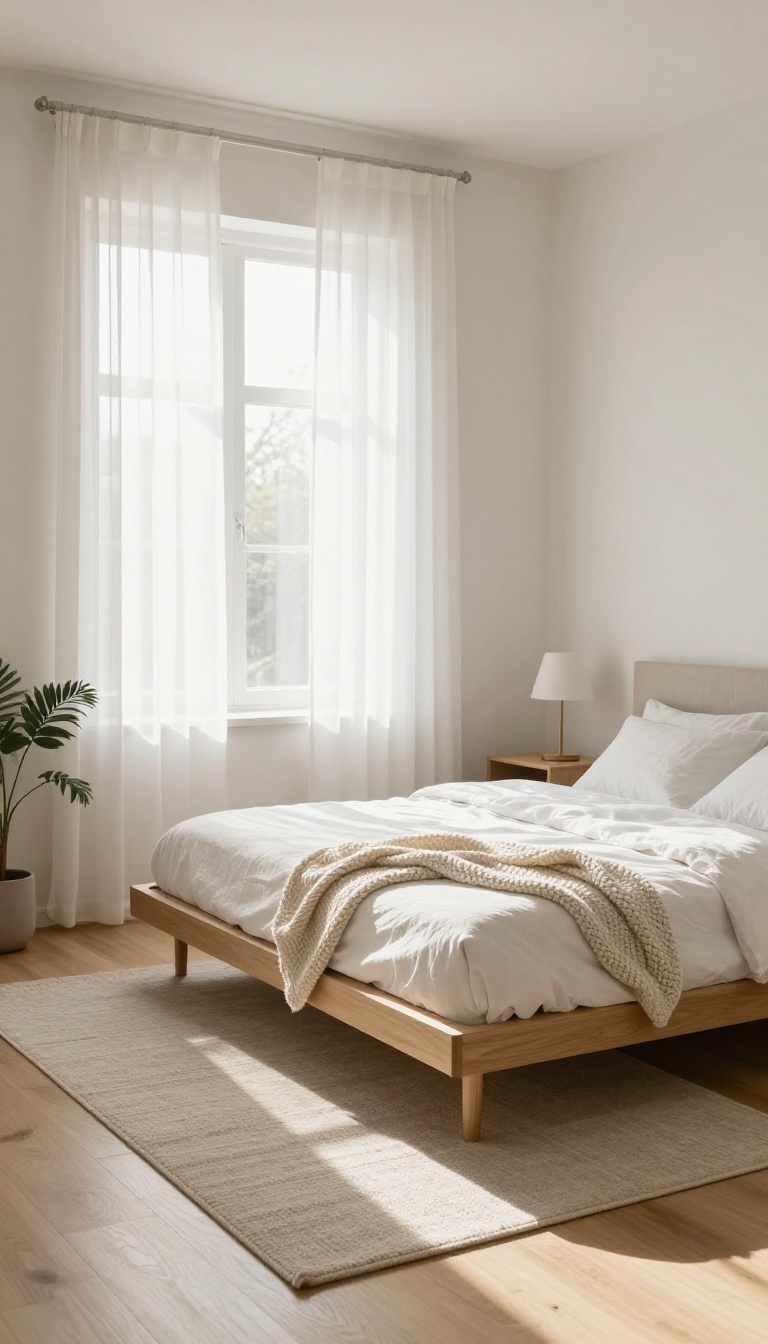
Most people shove their bed against a wall to save space, but in a square room that can actually make things feel tighter. Pulling the bed out just a few inches—or even a foot—creates breathing room around it. That gap changes how you perceive the entire layout, adding depth where there was none.
When your bed sits flush against two walls, it creates a dead zone that visually shrinks the room. Floating it, even slightly, lets light and air move around the bed. You also gain access to both sides, which makes the bed easier to make and use.
The trick is finding the sweet spot where the bed feels intentional, not awkwardly placed in the middle of nowhere.
How Much Space To Leave
You don't need a huge gap. Six to twelve inches is often enough to create that sense of separation. If your room is really tight, even four inches can make a difference.
Just make sure you can still walk around the bed without squeezing.
Use A Rug To Anchor The Bed
A rug under the bed helps define the sleeping area and makes the floating look deliberate. Choose a rug that extends a bit beyond the bed on all sides. It visually ties the bed to the floor, so it doesn't seem like it's drifting.
Watch Out For Traffic Flow
Floating the bed means you need clear paths on at least two sides. If you can't walk comfortably between the bed and the wall, you've pulled it out too far. Test it by walking around the bed—if you have to turn sideways, adjust.
5. Install a Murphy Bed for Flexibility
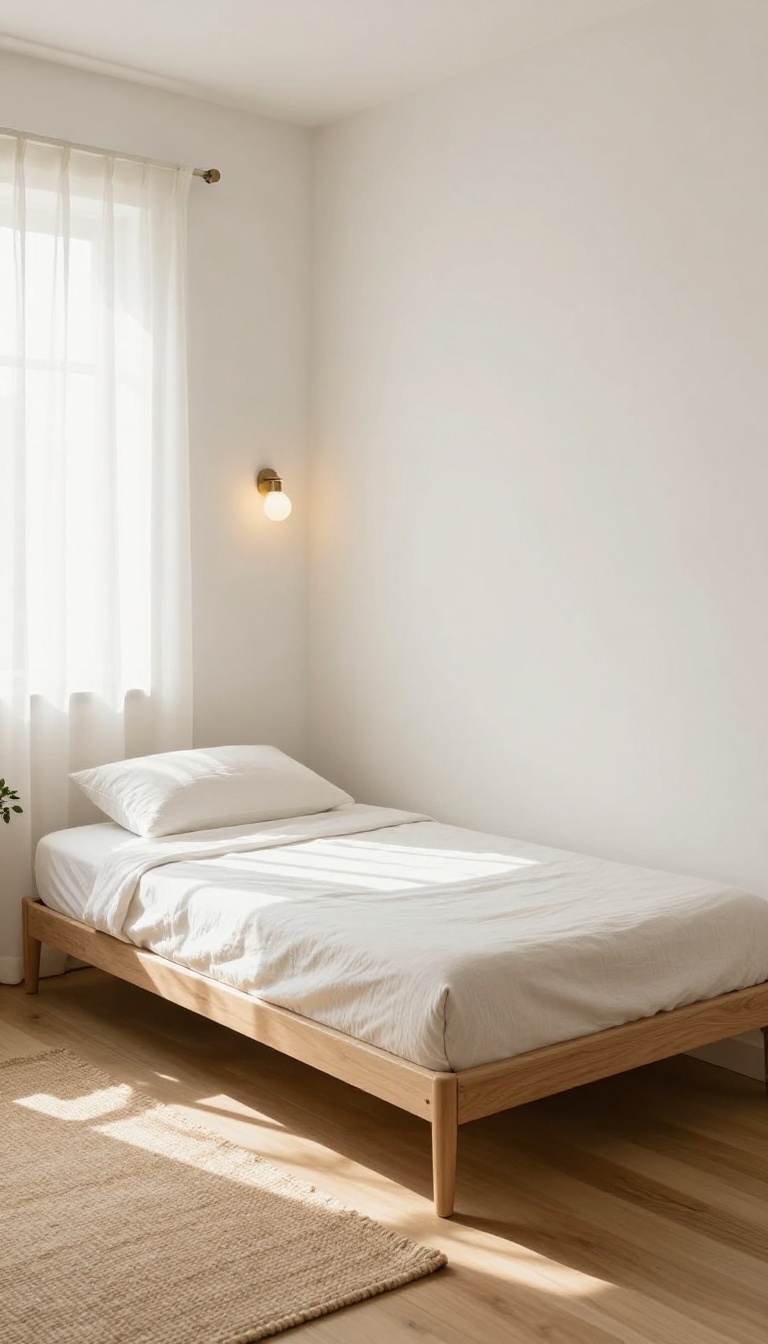
A Murphy bed—also called a wall bed—folds up and out of the way when you're not sleeping. In a small square room, that means you can turn your bedroom into a home office, guest room, or workout space during the day. It's a game-changer for multi-purpose rooms where every square foot counts.
Unlike a regular bed that permanently occupies floor space, a Murphy bed gives you options. You can host guests on the weekend and still have a functional office on Monday morning. The trade-off is the installation, but the payoff is a room that adapts to your life.
Why It Works In A Square Room
Square rooms have equal walls, so you can mount a Murphy bed on any wall without worrying about awkward angles. When folded up, it frees up the entire floor, making the room feel twice as big. That open space is gold for yoga, crafting, or just moving around without bumping into furniture.
Choosing The Right Murphy Bed
You'll find two main types: horizontal and vertical. Horizontal beds are great for low ceilings, while vertical ones suit rooms with more height. Also consider the mechanism—piston-lift systems are easier to operate than spring-based ones.
And don't forget the mattress: memory foam works best because it can stay on the bed when folded.
Installation Tips And Tricks
Murphy beds must be anchored to wall studs, so find a wall with solid framing. If you're not handy, hire a pro—this isn't a DIY project for beginners. Also, leave at least 30 inches of clearance around the bed when it's down for easy access.
And think about lighting: a wall-mounted sconce or swing-arm lamp can replace a bedside table.
6. Go Vertical with Wall-Mounted Shelves
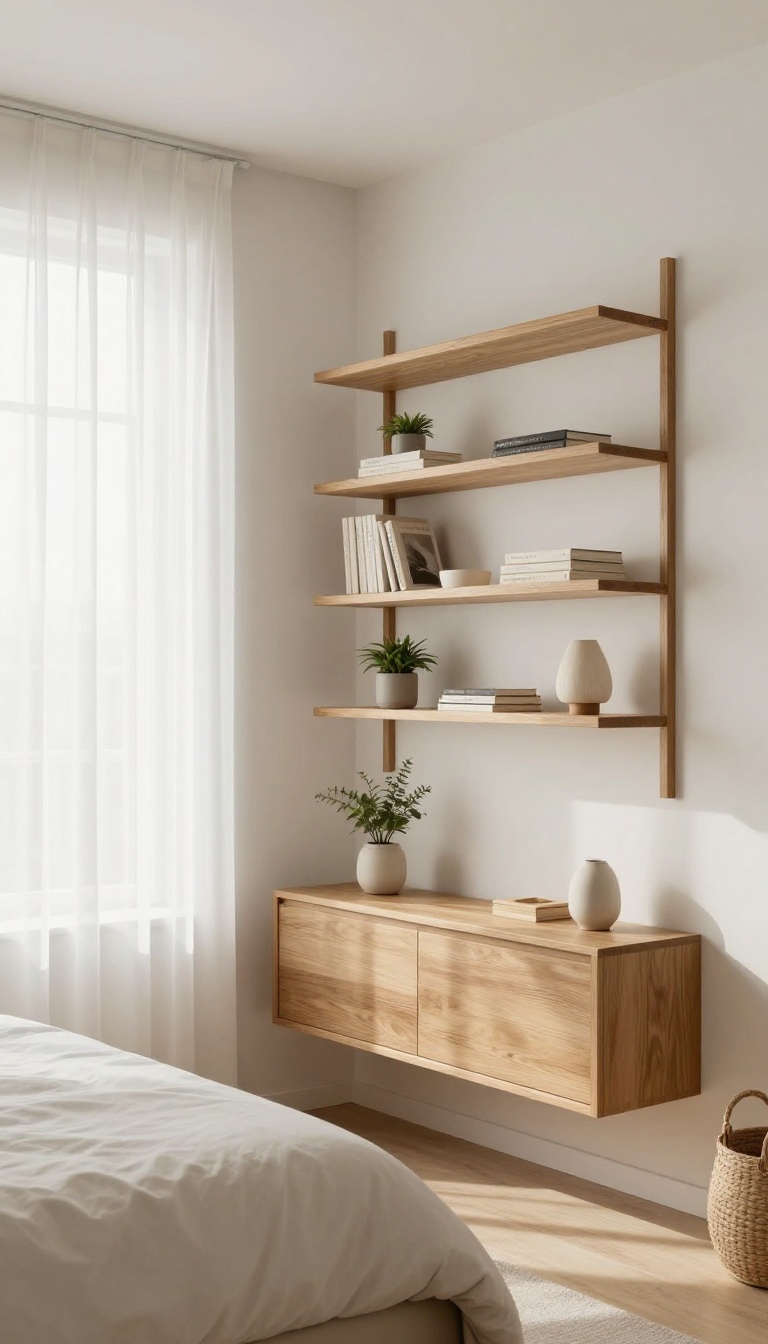
Floor space is precious in a square bedroom, but your walls are wide open. Wall-mounted shelves let you store books, decor, and daily essentials up high, freeing up the floor for the things you actually need to walk on. This move is simple, affordable, and instantly makes the room feel less cluttered.
You don't need a full renovation to pull this off. A few brackets, a level, and some screws can turn empty wall space into a functional storage zone. The trick is to place shelves where they won't crowd your head or block natural light.
Pick The Right Spot
Above the bed is prime real estate. Mount a single shelf a few feet above the headboard for books, a small lamp, or a glass of water. Just make sure it's high enough that you won't bump it when you sit up.
Above a desk works great too—keep office supplies and decor within arm's reach without eating into your work surface.
Choose Your Shelves
Floating shelves look clean and modern, and they come in tons of sizes. For heavier items, go with brackets that screw into studs. If you're renting, adhesive shelves can hold lightweight stuff like picture frames or small plants.
Mix depths—shallow shelves for trinkets, deeper ones for books—to add visual interest without bulk.
Style Without The Clutter
A shelf crammed with stuff defeats the purpose. Leave some breathing room between items. Group similar colors or textures together.
Use small baskets or bins to corral loose items like chargers or hair accessories. Rotate your decor every few months so the shelves stay fresh and don't become a dust magnet.
7. Pick a Mirrored Wardrobe or Sliding Doors
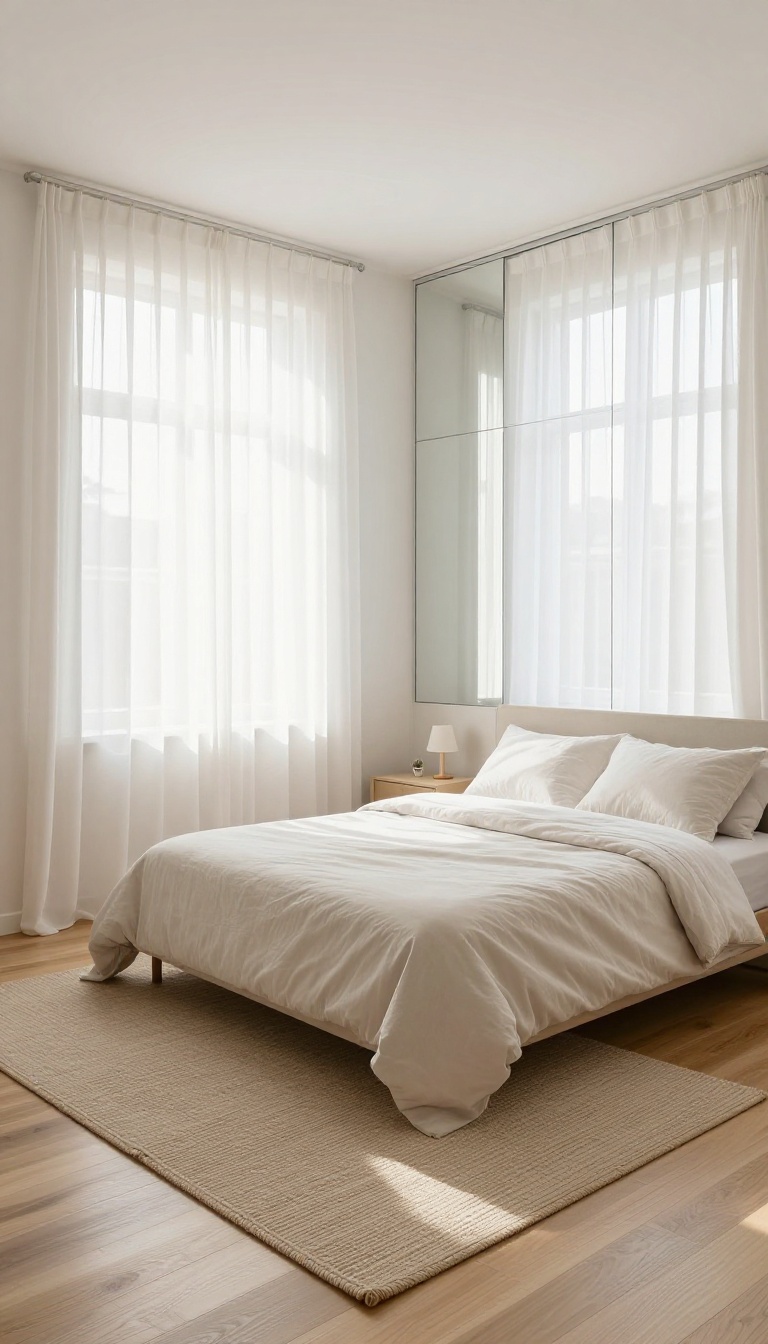
A wardrobe with mirrored or sliding doors does double duty in a small square bedroom. It reflects light around the room, making the space feel bigger and brighter. And because the doors slide instead of swing, you don’t lose any floor space to a traditional door arc.
In a square room, every inch counts. A swinging closet door can eat up a chunk of valuable floor area, especially if it opens into the main walkway. Sliding doors eliminate that problem entirely.
Mirrored doors also act like a bonus window, bouncing natural light into darker corners. That can make even a tiny room feel more open and airy.
A wardrobe with mirrored or sliding doors does double duty in a small square bedroom. It reflects light around the room, making the space feel bigger and brighter. And because the doors slide instead of swing, you don’t lose any floor space to a traditional door arc.
In a square room, every inch counts. A swinging closet door can eat up a chunk of valuable floor area, especially if it opens into the main walkway. Sliding doors eliminate that problem entirely.
Mirrored doors also act like a bonus window, bouncing natural light into darker corners. That can make even a tiny room feel more open and airy.
Why Sliding Doors Win In Tight Spaces
Traditional hinged doors need clearance to open. In a square bedroom, that clearance often overlaps with your bed, dresser, or walking path. Sliding doors glide along a track and stay flush with the wall, so you never have to dodge them.
They’re also safer in small rooms because there’s no door to bump into. If you’re short on space, this is one of the easiest upgrades you can make.
Mirrors That Make The Room Feel Bigger
Mirrored wardrobe doors reflect whatever light is in the room. That means a single window can do the work of two. Place the wardrobe opposite a window or lamp, and the reflection will brighten the whole space.
Just be mindful of what the mirror faces. If it points directly at your bed, it might feel a bit odd at night. Angle it toward a wall or a nice view instead.
Style And Installation Tips
You can find sliding wardrobe doors in wood, glass, or mirrored finishes. For a small square room, light colors and reflective surfaces work best. If you’re handy, a sliding door kit can be a weekend project.
Otherwise, a custom closet company can measure and install quickly. Keep the track clean so the doors glide smoothly. And if you go mirrored, a quick wipe with glass cleaner keeps them looking sharp.
8. Create a Cozy Reading Nook in a Corner
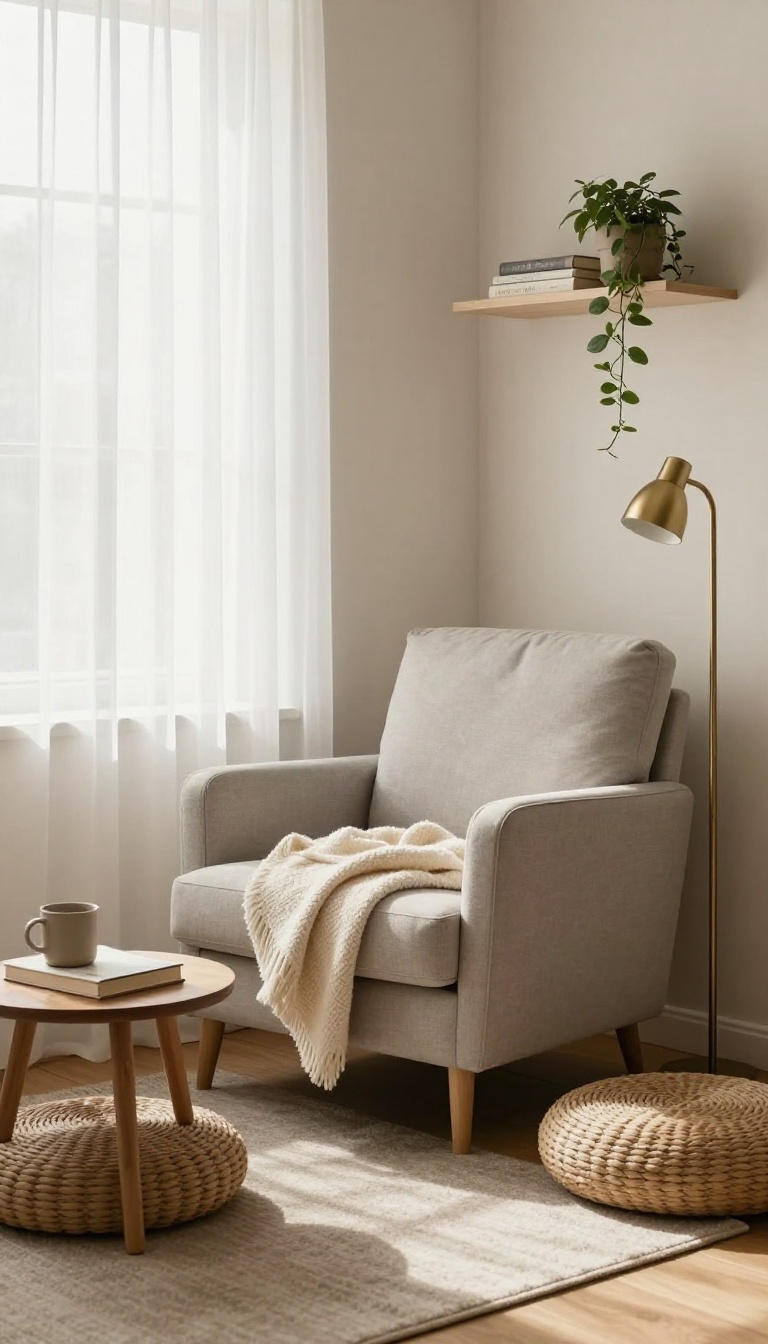
A corner that just holds dust and a forgotten lamp is wasted potential. Turn it into a reading nook, and suddenly your square bedroom has a dedicated spot for unwinding. You don't need much space—just enough for a small chair or a floor cushion and a good light.
The best corners for a reading nook are usually near a window, where natural light gives you a free glow during the day. If your window is drafty or you read mostly at night, a slim floor lamp or a wall-mounted sconce works just as well. The goal is to carve out a tiny retreat that doesn't eat up your walking paths.
Keep the footprint small. A petite armchair, a pouf, or even a stack of floor cushions can define the nook without blocking traffic. Add a small side table or a wall shelf for your book and a mug, and you're set.
The key is to make it feel intentional, not like you just dropped a chair in the corner.
Pick The Right Corner
Not all corners are equal. The one by the window is prime real estate, but if that's where your bed or dresser sits, look for a corner that gets indirect light or has an outlet nearby. A corner that's out of the main walking path will feel more like a destination and less like an obstacle.
Choose Seating That Fits
Measure your corner before you buy anything. A chair that's too big will crowd the room, but one that's too small might feel flimsy. Look for a compact armchair with a narrow profile, or go with a large floor cushion if you want something you can tuck away.
A folding chair or a butterfly chair can also work if you need to reclaim the space occasionally.
Light It Well
Good lighting makes or breaks a reading nook. A clip-on reading light attached to a shelf, a plug-in wall sconce, or a slim floor lamp with an adjustable arm will give you focused light without taking up floor space. If you have a window, sheer curtains can soften the glare and make the corner feel cozier.
Add Small Comforts
A throw blanket, a tiny side table, and a basket for magazines can make the nook feel finished. Use a wall-mounted shelf or a floating ledge to hold your book and a cup of tea, so you don't need a full table. Keep it simple—clutter will make the corner feel cramped instead of cozy.
9. Use a Desk That Doubles as a Nightstand
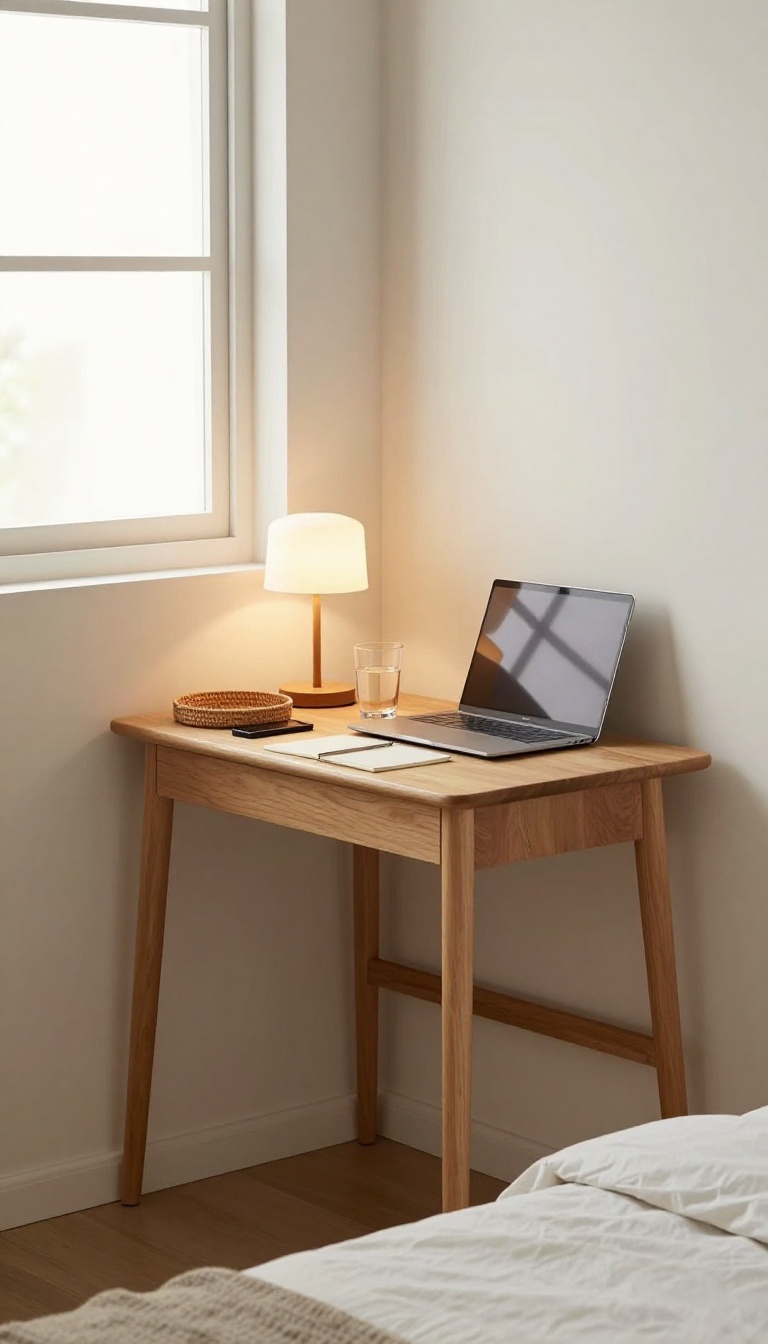
In a square bedroom, every piece of furniture has to earn its spot. A slim desk placed right next to your bed can pull double duty as a nightstand, giving you a place to work during the day and a surface for your lamp, phone, and water glass at night. It’s a simple swap that frees up floor space and saves you from buying two separate pieces.
Think about how you actually use your bedroom. If you need a spot for a laptop or journal, a full-size desk might feel like overkill. But a narrow desk—say, 30 to 40 inches wide—fits neatly beside a bed without crowding the room.
You get a dedicated workspace that doesn’t scream “office, ” and at night it becomes your bedside table. The trick is choosing the right desk and positioning it so it feels intentional, not like you just shoved a table against the wall.
Pick The Right Size And Style
Measure the gap between your bed and the wall or closet. You want a desk that leaves at least a few inches of breathing room so the space doesn’t feel jammed. Look for a depth of 18 to 20 inches—deep enough for a laptop, shallow enough to keep the floor open.
A simple writing desk or a console table with a drawer works well. Avoid bulky executive desks with thick sides; they eat up visual space. If you can, choose one with a finished back so it looks good from every angle.
Make It Work For Both Jobs
During the day, keep the surface clear for your laptop or a notebook. At night, you need a lamp, your phone, maybe a book. A small tray or a shallow basket can corral those items so they don’t slide around.
If your desk has a drawer, use it for chargers, pens, or a sleep mask. A clip-on lamp or a slim wall sconce above the desk saves surface space and gives you reading light. Just remember: the more you pile on, the less it feels like a desk.
Keep it edited.
Sneak In Extra Storage
A desk with a single drawer is a small win. But you can add more without bulk. Slide a rolling cart or a set of narrow bins underneath.
A wall shelf above the desk holds books or decorative items and draws the eye up, making the room feel taller. If you’re handy, attach a small hook or two on the side for headphones or a tote. These little additions keep clutter off the desk and make the double-duty setup feel deliberate.
10. Hang Curtains High and Wide
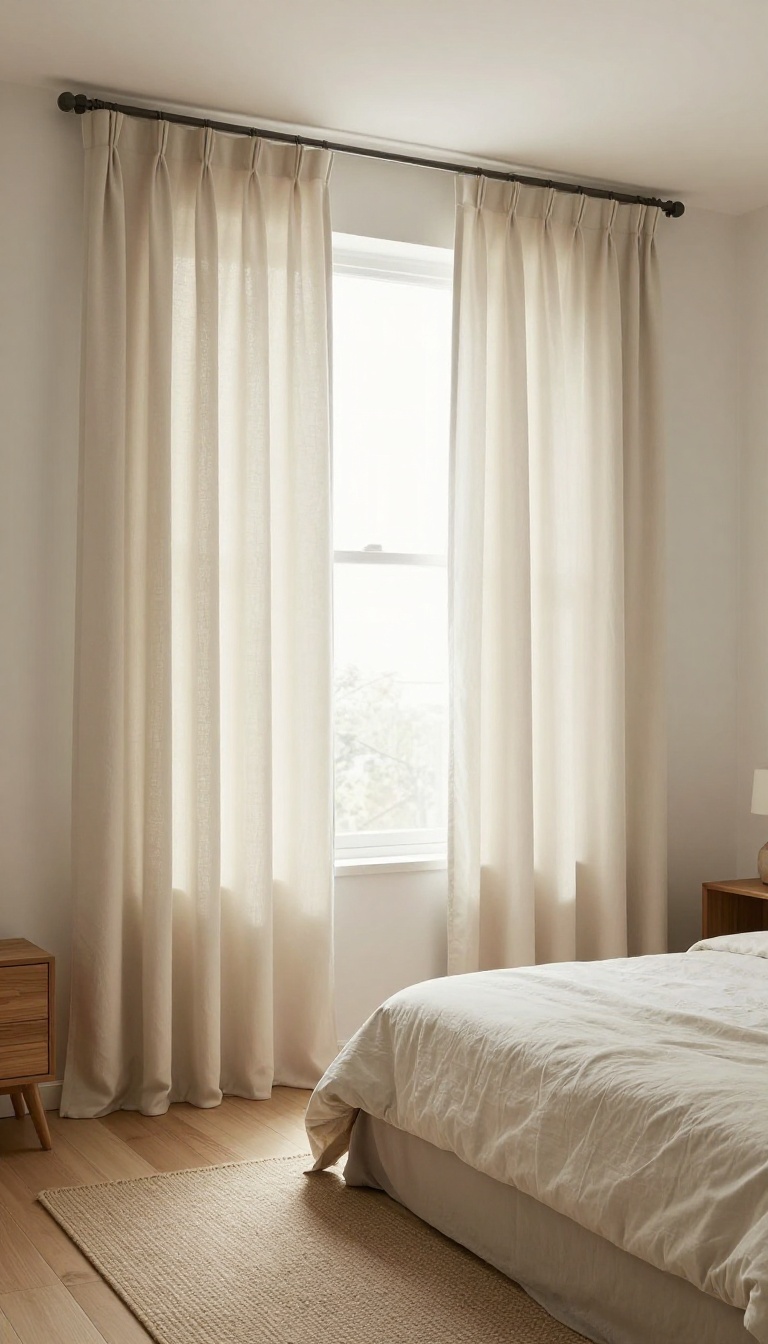
Curtains can make or break the look of a small square bedroom, but most people hang them too low and too narrow. The fix is simple: mount the rod close to the ceiling and extend it several inches past each side of the window frame. This draws the eye upward and outward, creating the illusion of a taller, wider space without any remodeling.
The standard curtain rod placement—just above the window trim and barely wider than the glass—actually shrinks your room. It chops the wall into sections and emphasizes how small the window really is. By moving the rod up and out, you trick the eye into seeing a larger window and a higher ceiling.
It's a designer trick that costs nothing extra and takes only a few minutes to adjust.
How High Is High Enough?
Aim for the rod to sit 4 to 6 inches below the ceiling, or even at the ceiling line if your trim allows. This pulls the eye up and makes the ceiling feel farther away. If you have crown molding, mount the rod just beneath it for a seamless look.
The key is to avoid that awkward gap between the rod and the ceiling—it creates a visual stop that kills the height effect.
The Width Rule That Changes Everything
Extend the rod 8 to 12 inches beyond the window frame on each side. When curtains are open, they should cover the wall, not the glass. This makes the window appear wider and lets in more light.
For a square room, this extra width also balances the proportions, making the walls feel less boxy. Just make sure the rod is sturdy enough to handle the extra length and weight.
Pick The Right Curtains For The Trick
Floor-length curtains work best—they create a continuous vertical line that stretches the room. Choose a color close to your wall color to blend in, or go bold if you want them to be a focal point. Lightweight fabrics like linen or cotton are ideal because they hang straight and don't add bulk.
Avoid heavy, dark curtains that can make the space feel closed in.
11. Opt for Light, Neutral Colors
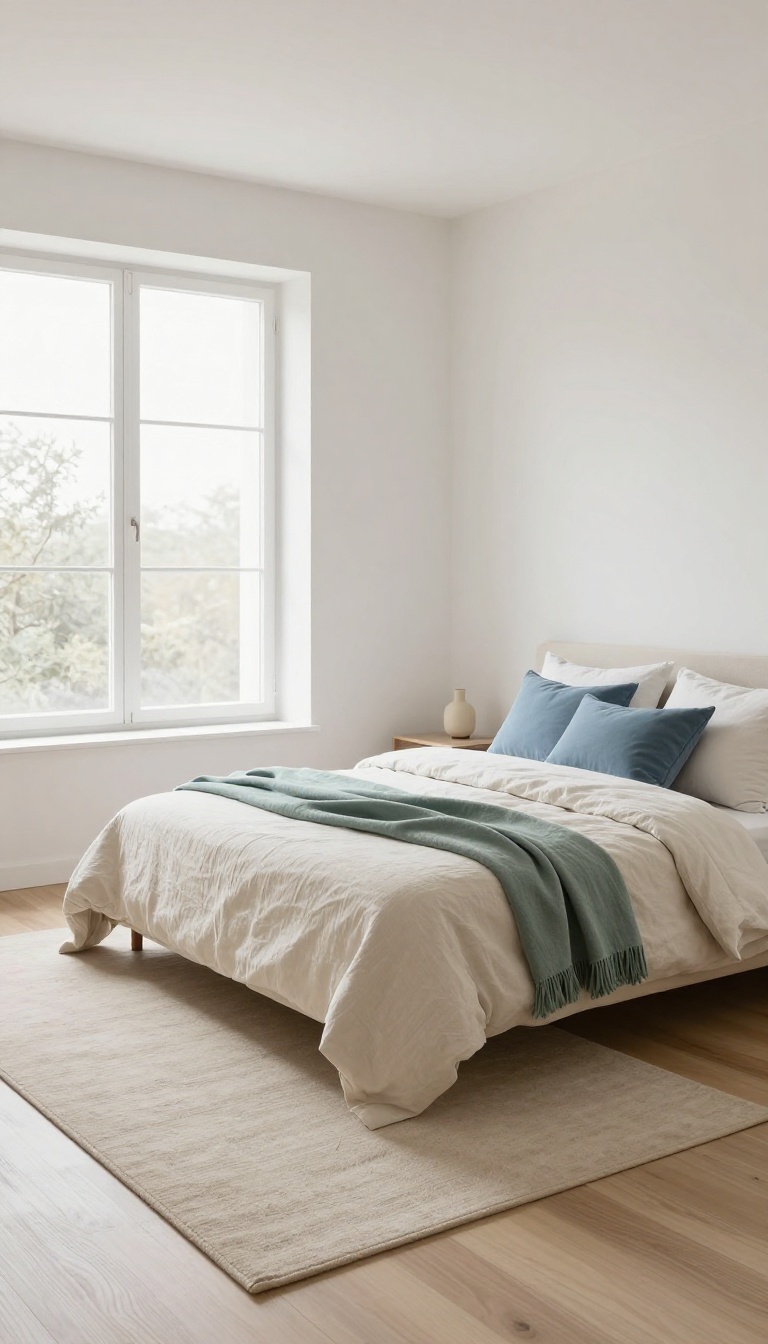
Dark walls in a small square bedroom can feel like a heavy blanket you can't take off. Light, neutral colors do the opposite—they bounce light around and make the room feel open and airy. You don't have to go all white, either.
A soft palette with one accent color keeps things interesting without shrinking the space.
Start with your walls. Shades like warm white, pale gray, soft beige, or light greige reflect light instead of soaking it up. In a square room, that reflection helps blur the hard corners and makes the walls feel farther apart.
If you love color, pick a muted version—think dusty blue or sage green—and use it on all four walls for a cohesive look. Next, extend that light palette to your bedding. White or cream sheets and a light duvet create a clean, uninterrupted surface that feels calm.
Add a throw blanket or a few pillows in your accent color to tie the room together. The goal is contrast without clutter. Finally, don't forget the floor.
A light rug or pale wood flooring continues the airy feel. If you have dark floors, a large light-colored rug can lighten the area under your bed and make the whole room feel brighter.
Pick The Right White
Not all whites are the same. Cool whites with blue undertones feel crisp and modern, while warm whites with yellow or pink undertones feel cozy and soft. Test a few samples on your wall at different times of day to see how they look in your light.
In a small square room, a warm white often works best because it feels inviting without being sterile.
Add One Accent Color
A single accent color adds personality without overwhelming the space. Choose a shade you love—like terracotta, navy, or mustard—and use it in small doses. Think a lumbar pillow, a piece of art, or a lampshade.
Keep the rest of the room neutral so the accent pops and the room still feels open.
Keep The Ceiling Light
A white or very light ceiling helps light bounce down into the room. If your ceiling is dark or textured, consider painting it a flat white. This simple change can make your square bedroom feel taller and brighter without any major renovation.
12. Add a Rug to Define Zones
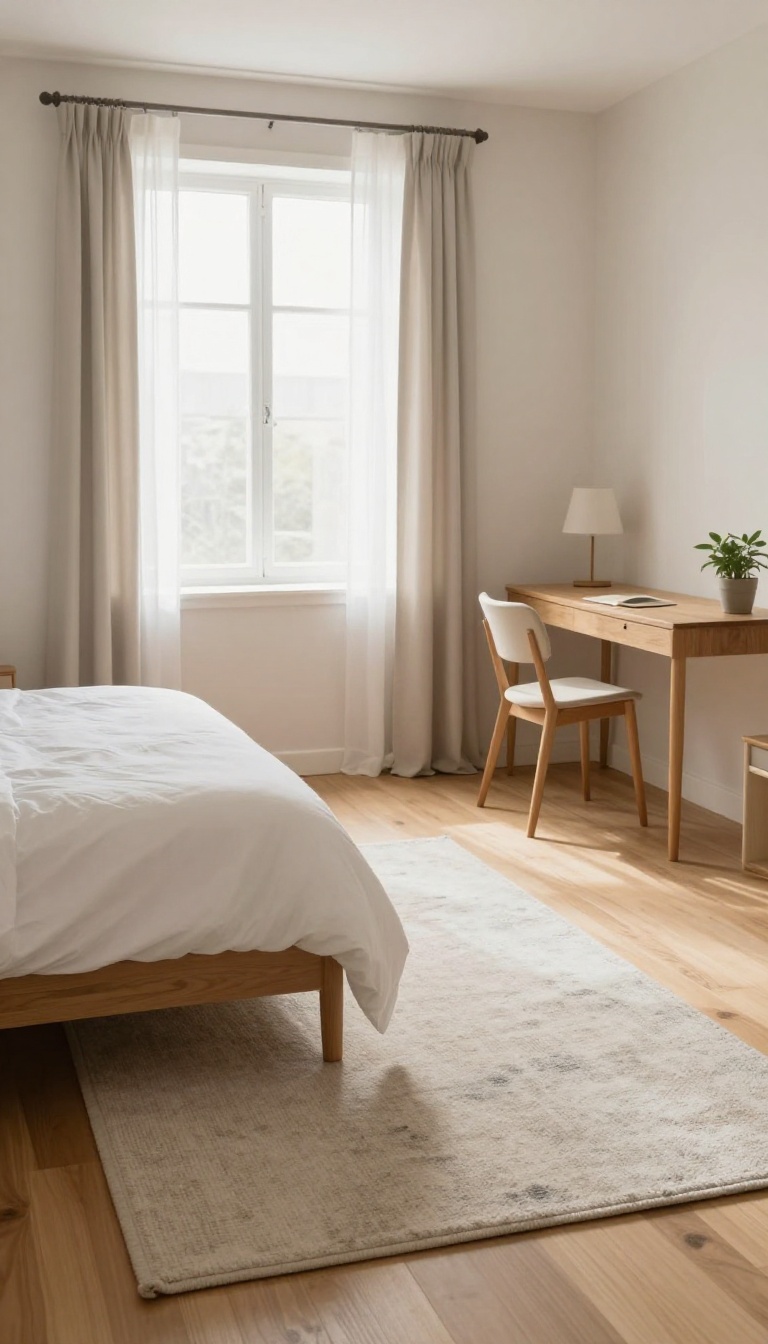
A rug does more than soften your steps in a small square bedroom. It draws an invisible line around whatever sits on top of it, which helps your brain read one corner as the sleeping spot and another as the study nook. That visual sorting is exactly what a square room needs, since the walls give you no natural cues to work with.
Think of the rug as a low-cost room divider you never have to fold up. Place it under the bed and it anchors the sleeping zone; slide a second, smaller one under a desk or vanity and that area instantly feels like its own little room. The floor stays walkable, the layout stays flexible, and nothing gets bolted down.
Pick The Right Size First
Measure the zone you want to define, not the whole floor. A rug that runs about two feet past each side of the bed frames the sleeping area without swallowing the room. For a desk corner, a 3×5 or 4×6 rug is usually plenty.
If the rug is too small, it looks like a bath mat that wandered off; too big and it erases the open floor you fought for.
Use Color And Pile To Separate Functions
A plush, light rug under the bed says rest. A flat-weave or darker rug under the desk says focus. That contrast does the zoning work for you, even when the two rugs sit close together.
Just keep one shared color running through both so the room still reads as a single space.
Layer Without Cluttering
One rug per zone is the sweet spot in a square bedroom. Two is fine if the room is on the larger side; three starts to feel like a showroom. Let the edges stay visible so the floor still breathes, and skip the thick pads if you need the door to clear the rug.
A non-slip pad underneath is worth it, though, especially on hardwood.
Keep Walkways Clear
Leave a clear path between zones so you never have to tiptoe around rug edges at 2 a. m. A simple rule: if you can walk from the door to the bed without stepping off a rug, you have got the spacing right. Tuck the rug slightly under the bed frame or desk legs to lock it in place and stop it from sliding around.
13. Maximize Closet Space with Organizers
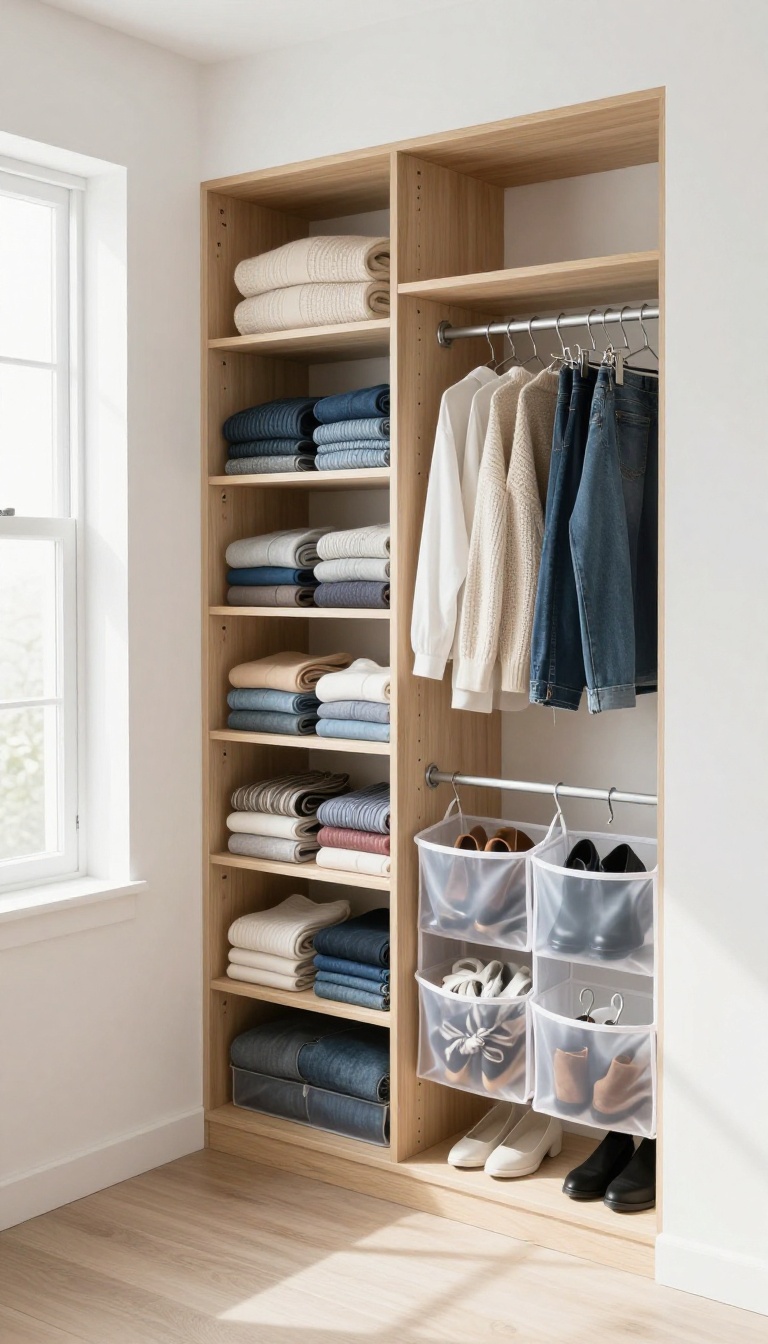
A cluttered closet can make even a tidy bedroom feel chaotic. In a small square room, the closet is prime real estate, so it pays to use every inch. With a few smart organizers, you can double your storage and keep the space looking neat.
Start by assessing what you have and what you actually wear. Then add organizers that fit your specific needs. The goal is to make everything visible and easy to reach, so you're not digging through piles.
Shelf Dividers Keep Stacks Tall
Shelf dividers are simple but game-changing. They turn a single shelf into multiple cubbies, so you can stack sweaters or jeans without them toppling over. Look for adjustable dividers that clip onto your existing shelves.
You'll instantly create more usable vertical space.
Hanging Organizers Add Instant Storage
A hanging organizer with pockets is perfect for shoes, accessories, or folded tees. It hangs from the rod and uses vertical space that would otherwise be empty. Choose one with clear pockets so you can see what's inside.
It's a quick way to add storage without installing anything.
Stackable Bins Corral Small Items
Stackable bins are great for corralling small items like socks, belts, or scarves. They keep like with like, so you always know where things are. Clear bins are best because you can spot what you need at a glance.
Stack them on the floor or on shelves to maximize every inch.
14. Choose a Ceiling Light with a Low Profile
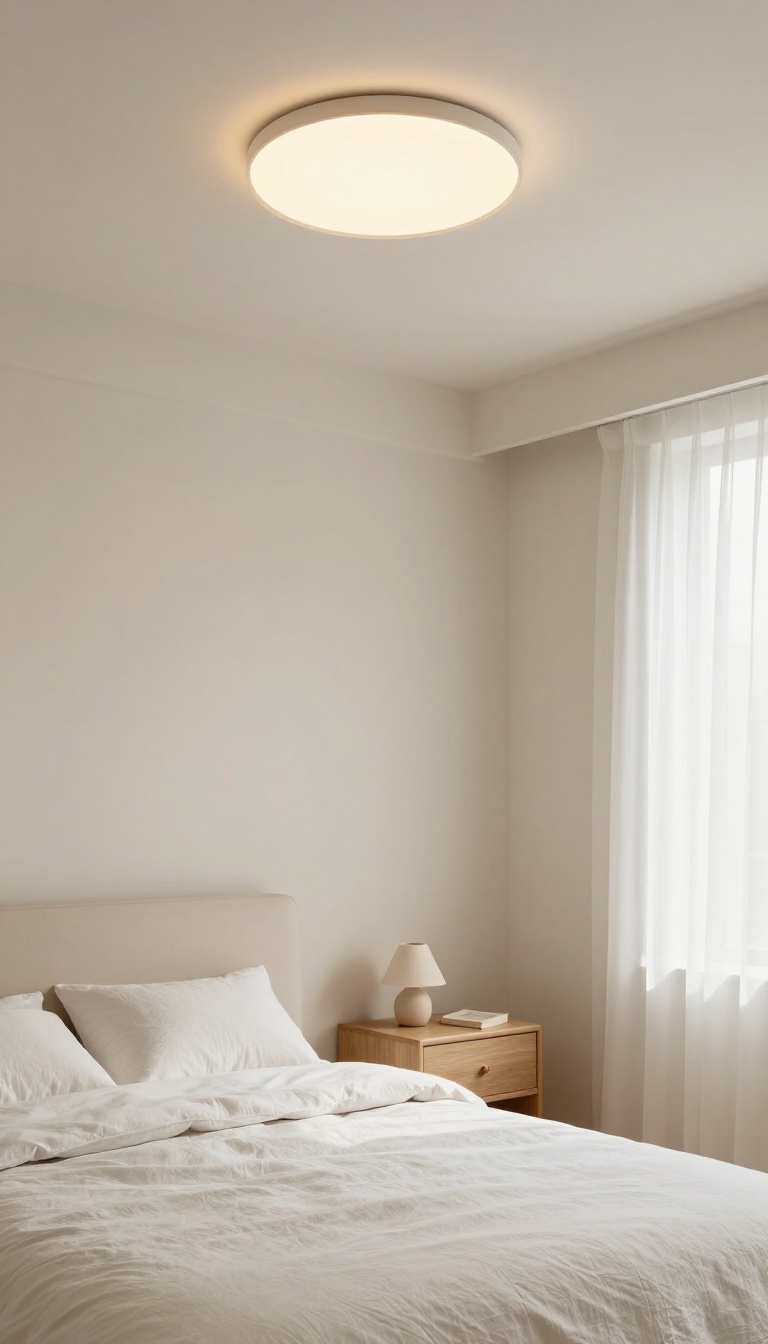
Overhead space disappears fast in a small square bedroom, and a bulky pendant or chandelier eats into it before you even notice. A flush-mount or semi-flush fixture sits close to the ceiling, so your eyes travel upward without hitting a visual roadblock. It's one of the easiest swaps you can make, and it changes how open the whole room feels.
Most standard ceilings leave you with eight feet of height, and a hanging light can steal a foot or more of that in an instant. A low-profile fixture keeps that clearance intact while still throwing plenty of light across the room. You get brightness where you need it and a cleaner sightline everywhere else.
Flush mounts sit tight against the ceiling, while semi-flush styles drop just a few inches on a short stem or bowl. Both work well in square rooms because they don't fight the geometry of the space. They also stay out of the way when you're moving around furniture or reaching for something on a high shelf.
Why Low-profile Wins In A Square Room
Square rooms have a way of making anything overhead feel heavier, because your eye can't escape the ceiling line. A slim fixture keeps that line clean and lets the walls do the work of making the room feel bigger. It also reduces shadows in corners, which is where small bedrooms tend to look the darkest.
Flush Vs. Semi-flush
Flush mounts hug the ceiling and disappear into the background, which is ideal if you want the light to feel built-in. Semi-flush options hang a few inches lower and often look a bit more decorative without eating real headroom. Pick flush for the tightest fit, semi-flush if you want a little style showing.
Getting The Brightness Right
A low-profile light doesn't have to mean dim. Look for fixtures rated for the square footage of your room, and lean toward warm white bulbs around 2700K to 3000K. If one fixture leaves corners dark, add a small plug-in sconce or a floor lamp to fill the gaps.
Install Tips That Keep It Simple
Most flush mounts use the same wiring as a standard ceiling light, so swapping one out is a beginner-friendly job. Turn off the breaker, match the wires, and tighten the fixture flush to the ceiling. If you rent, a plug-in semi-flush or a swag-style low-profile light can work without touching the wiring.
15. Keep Nightstands Slim and Simple
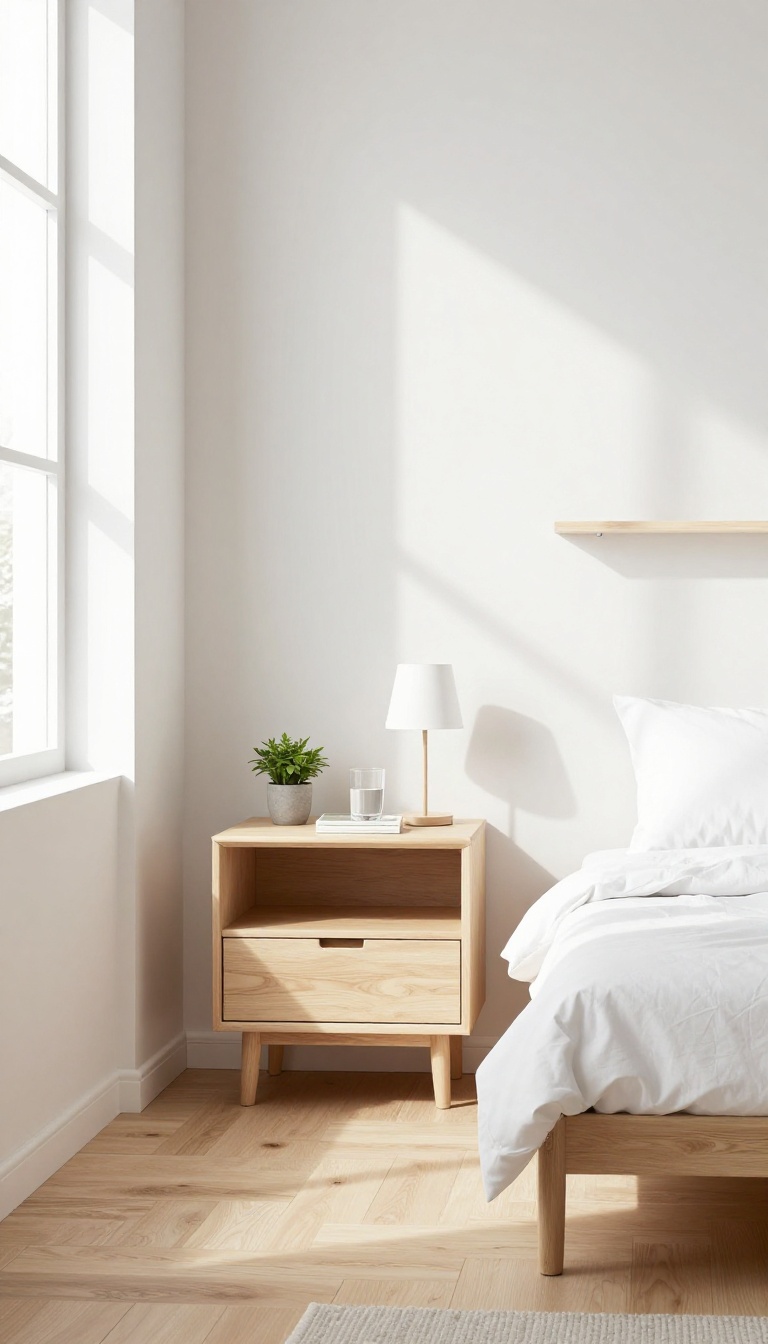
Bulky nightstands can swallow up precious floor space in a small square bedroom. They crowd the bed, make it harder to move around, and often become a catch-all for clutter. The fix is simple: go slim.
Narrow nightstands or wall-mounted floating shelves give you just enough surface for the essentials without stealing square footage. You still get a spot for your phone, a book, and a glass of water, but the room feels more open and easier to navigate.
Slim nightstands come in plenty of styles, so you can match your bedroom's vibe without sacrificing function. Look for pieces that are 12 to 18 inches wide and no deeper than 12 inches. That's enough for a lamp, a coaster, and a small tray for odds and ends.
If you need a drawer, choose a single-drawer design to keep the profile low. Materials like metal, glass, or thin wood keep the look light and airy. Avoid chunky designs with thick legs or heavy drawers, as they'll visually weigh down the space.
Wall-mounted floating shelves take the concept even further. They attach directly to the wall, leaving the floor completely clear. You can position them at the perfect height for your mattress, and they double as display space for a small plant or a framed photo.
Just make sure they're securely installed and deep enough to hold a book without wobbling. A simple L-bracket shelf from a hardware store can work, or you can buy ready-made floating shelves in various finishes. Another option is a narrow console table or a repurposed stool.
A console table that's 10 to 12 inches deep can slide behind the bed if you have a headboard with an open design. A sturdy stool can act as a nightstand and then move to another spot when you need extra seating. The key is to keep it lightweight and easy to relocate.
Whatever you choose, stick to one side if space is extremely tight, or use two matching slim pieces for symmetry.
Slim Nightstand Options
Narrow nightstands are available in many materials and styles. Look for widths between 12 and 18 inches. A single drawer is fine, but open shelves or a simple top work too.
Metal frames and glass tops keep things feeling light. Avoid thick legs or bulky drawers that eat up visual space.
Floating Shelves That Work
Wall-mounted shelves are a great alternative because they don't touch the floor. Install them at a height that's comfortable from your mattress. They can hold a small lamp, a book, and a glass of water.
Just be sure they're sturdy and deep enough. You can find affordable floating shelves at most home stores.
Multipurpose Alternatives
A narrow console table or a stool can serve as a nightstand. Console tables that are 10 to 12 inches deep fit well behind an open headboard. A stool can double as extra seating.
Choose pieces that are easy to move so you can reconfigure your layout when needed.
FAQ
What is the best bed placement for a small square bedroom?
Centering the bed on the main wall often works best because it creates balance and allows access from both sides. If space is tight, a corner bed can free up floor area.
How can I make my small square bedroom look bigger?
Use light colors, hang curtains high, add mirrors, and keep clutter to a minimum. Vertical storage and multi-functional furniture also help maximize space.
Should I use a rug in a small bedroom?
Yes, a rug can define areas and add warmth. Choose a size that fits the room without overwhelming it, and consider a light color to keep the space feeling open.
What kind of storage works best in a small square bedroom?
Under-bed drawers, wall-mounted shelves, and a tall wardrobe with sliding doors are great options. Look for furniture that serves multiple purposes.
How do I choose a nightstand for a tiny bedroom?
Opt for slim, narrow nightstands or wall-mounted shelves. A small desk or a stack of crates can also work as a bedside table if space is limited.
Conclusion
A small square bedroom works best when you stop fighting its shape and start using it. Pick one idea from this list that solves your biggest daily headache, whether that is a bed hogging the floor or a corner that collects clutter. Try it for a week before stacking on another change.
You do not need all fifteen. Get the layout and storage right first, then layer in lighting, color, and the small comforts that make the room feel like yours. Square rooms reward a little patience, and a few smart moves usually beat a rushed overhaul.