10 Unique Wet Shower Room Ideas for a Calm, Functional Setup
Designing a wet room is about blending openness with everyday practicality. You get a seamless, easy-to-clean space that feels larger than a traditional shower enclosure, but only if the details work together.
From the floor to the lighting, each choice shapes how calm and functional the room truly feels. The right materials and features can turn a simple wet area into a personal retreat.
This collection focuses on ideas that solve real problems—like drainage, comfort, and storage—while keeping the aesthetic serene and uncluttered. Whether you're planning a full remodel or just tweaking a few elements, these ten concepts will help you build a wet room that looks intentional and works beautifully.
1. Use Natural Stone for a Spa-Like Floor
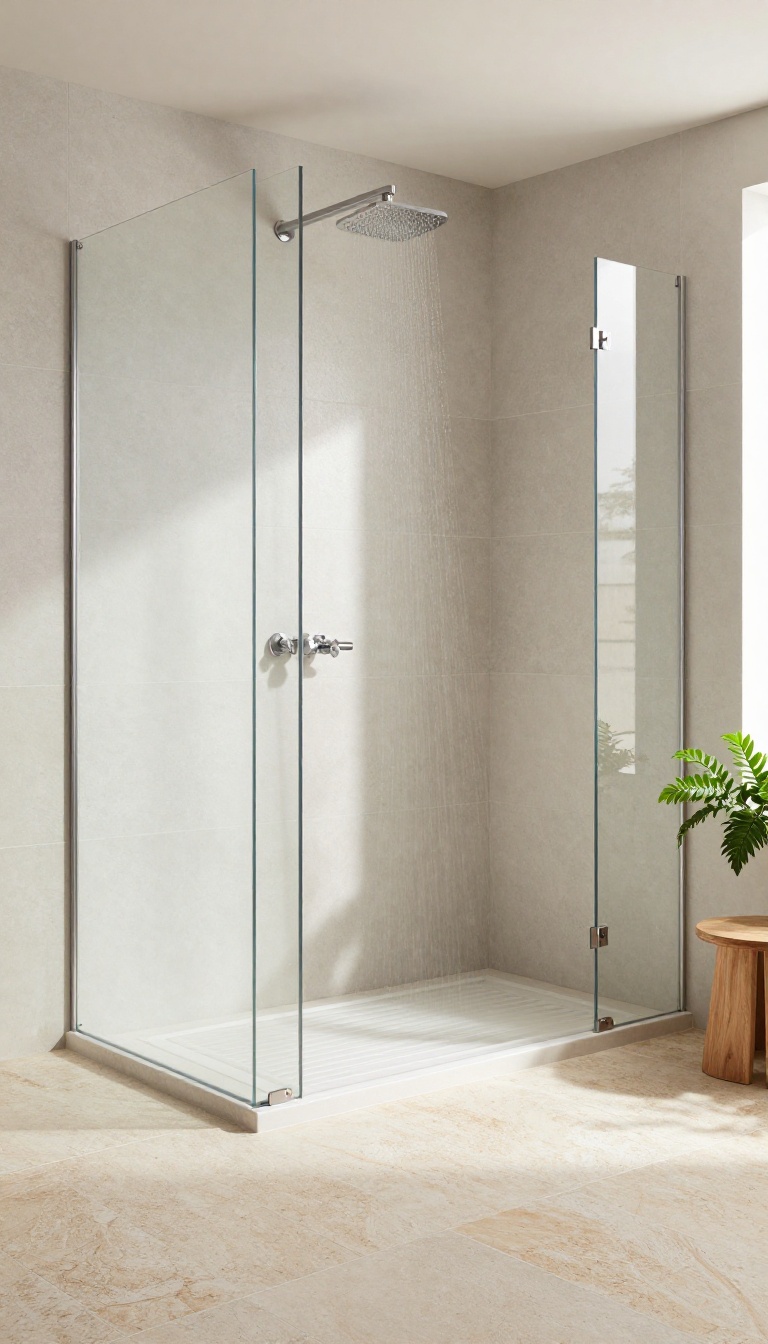
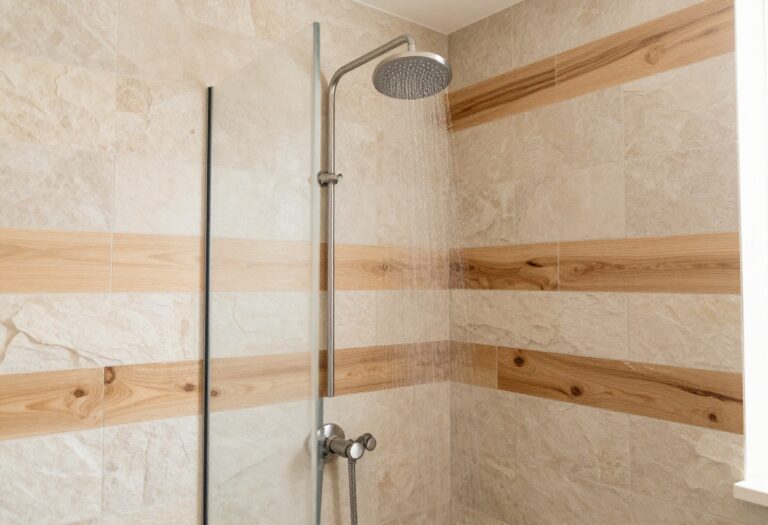
The floor sets the tone for the entire wet room, and natural stone brings a grounded, organic feel that instantly calms the space. Beyond looks, stone offers practical benefits like slip resistance and durability, especially when you pick the right finish and size.
Natural stone tiles, like travertine or slate, bring organic texture and a warm, earthy feel. They’re naturally slip-resistant when textured, and their porous surface can be sealed for durability. Choose large-format tiles to minimize grout lines and simplify cleaning.
Why Stone Works In Wet Areas
Stone handles moisture well when sealed properly, and its thermal mass helps keep the floor from feeling icy underfoot. Textured finishes like tumbled or honed provide extra grip without looking industrial, making them a safe and stylish choice for a shower floor.
Pick The Right Finish And Size
Go for a matte or textured finish rather than polished, which can get slippery. Large-format tiles reduce grout lines, cutting down on cleaning time and giving the floor a seamless, modern look. If you prefer smaller tiles, use a tight grout line and a high-quality sealer.
Sealing And Maintenance Tips
Seal your stone every year or two to keep water and stains out. Use a penetrating sealer that doesn’t change the surface appearance. Daily care is simple: a squeegee after showers and a mild pH-neutral cleaner keeps the stone looking fresh without harsh chemicals.
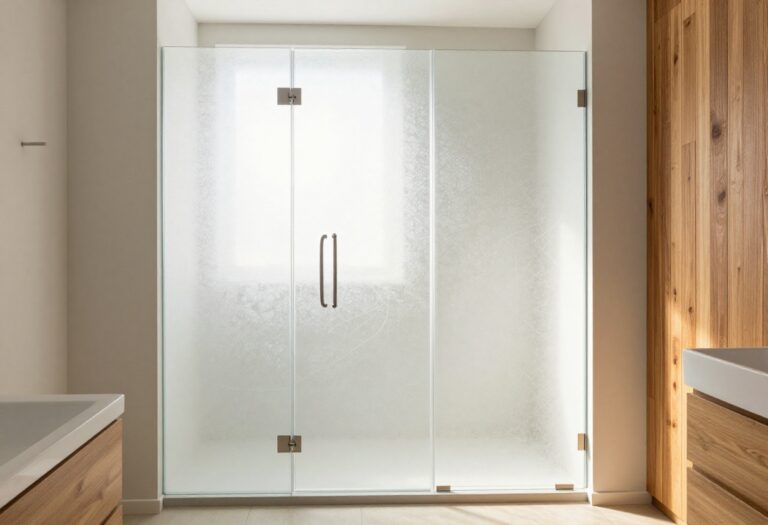
2. Install a Frameless Glass Divider for Openness
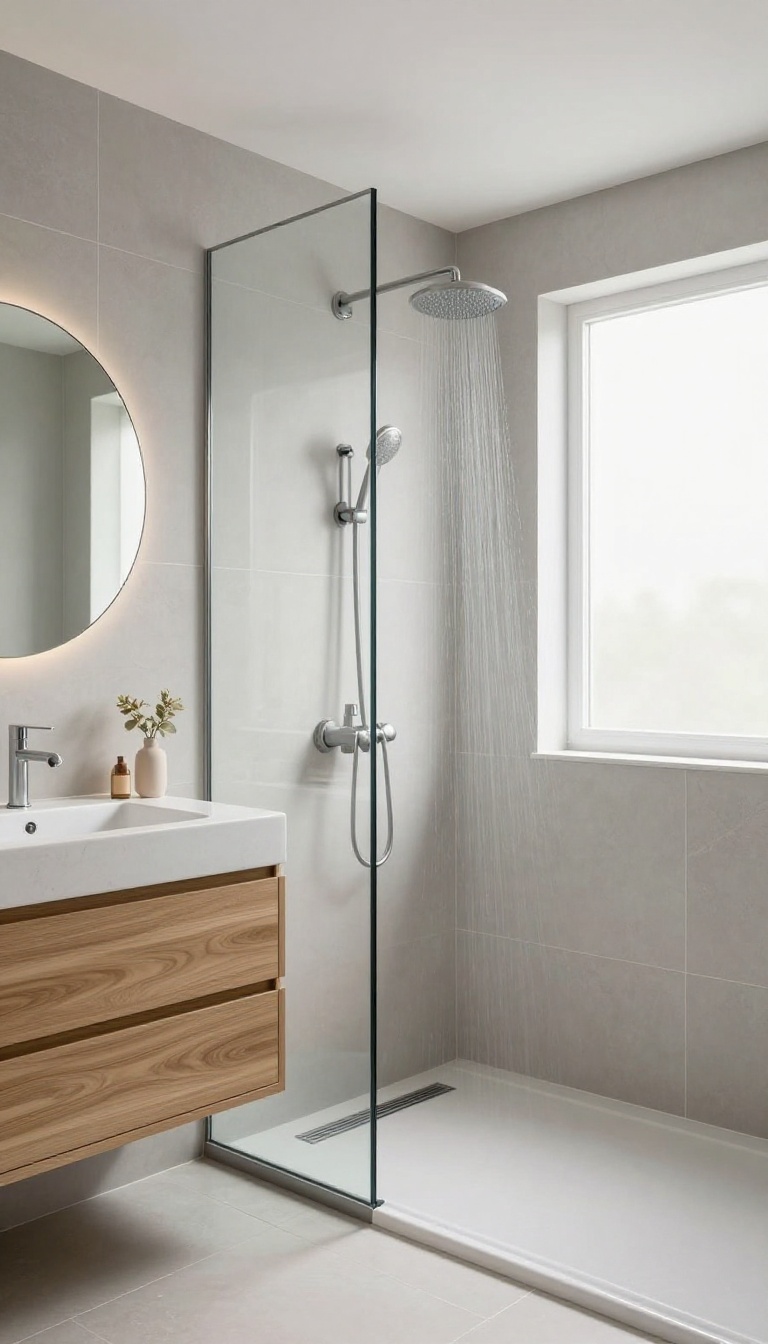
One of the quickest ways to make a wet room feel more spacious is to ditch the bulky shower door. A frameless glass panel separates the shower zone without cutting off the rest of the room, so your eye travels freely from one end to the other. The result is a clean, airy look that still keeps water where it belongs.
Frameless glass works because it does the job of a wall without actually looking like one. You get the function of a barrier, but the visual weight disappears. That makes the whole bathroom feel larger, even if the square footage hasn't changed.
Plus, the sleek lines of the glass fit neatly into modern, minimalist, or even traditional designs.
Why Clear Glass Feels Bigger
Clear glass lets light travel across the room, which is a simple trick to make a small space feel open. If you're worried about privacy, you can choose lightly frosted glass or a textured finish that still lets light through but blurs the view. Either way, the room keeps that connected, unbroken feel.
Getting The Details Right
A frameless panel only works if the installation is spot on. You'll need a professional to ensure the glass is properly supported and sealed. The key is to have a slight slope on the shower floor and a linear drain or a well-placed floor drain so water flows away quickly and doesn't creep under the glass.
Keeping Maintenance Simple
No frame means fewer nooks and crannies for soap scum and grime to hide. But glass still needs regular care. A daily squeezegee and an occasional wipe with a mild cleaner will keep it looking crystal clear.
You can also ask for a protective coating during installation to make water bead off and reduce buildup.
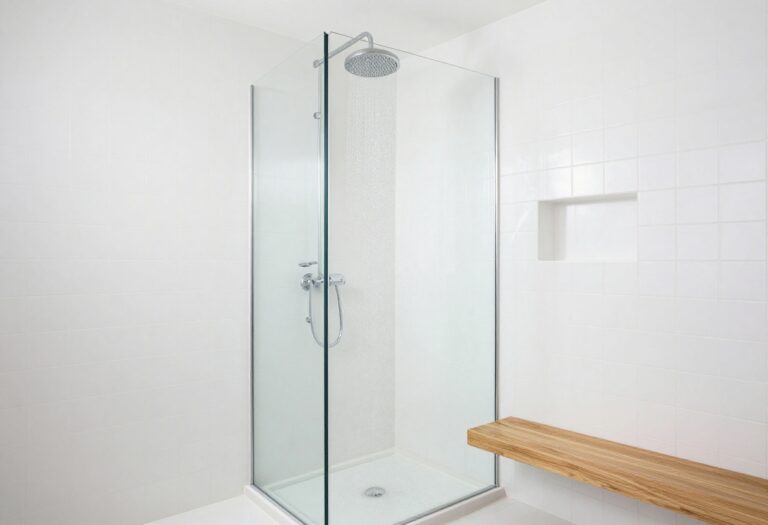
3. Add a Built-In Bench for Comfort and Convenience
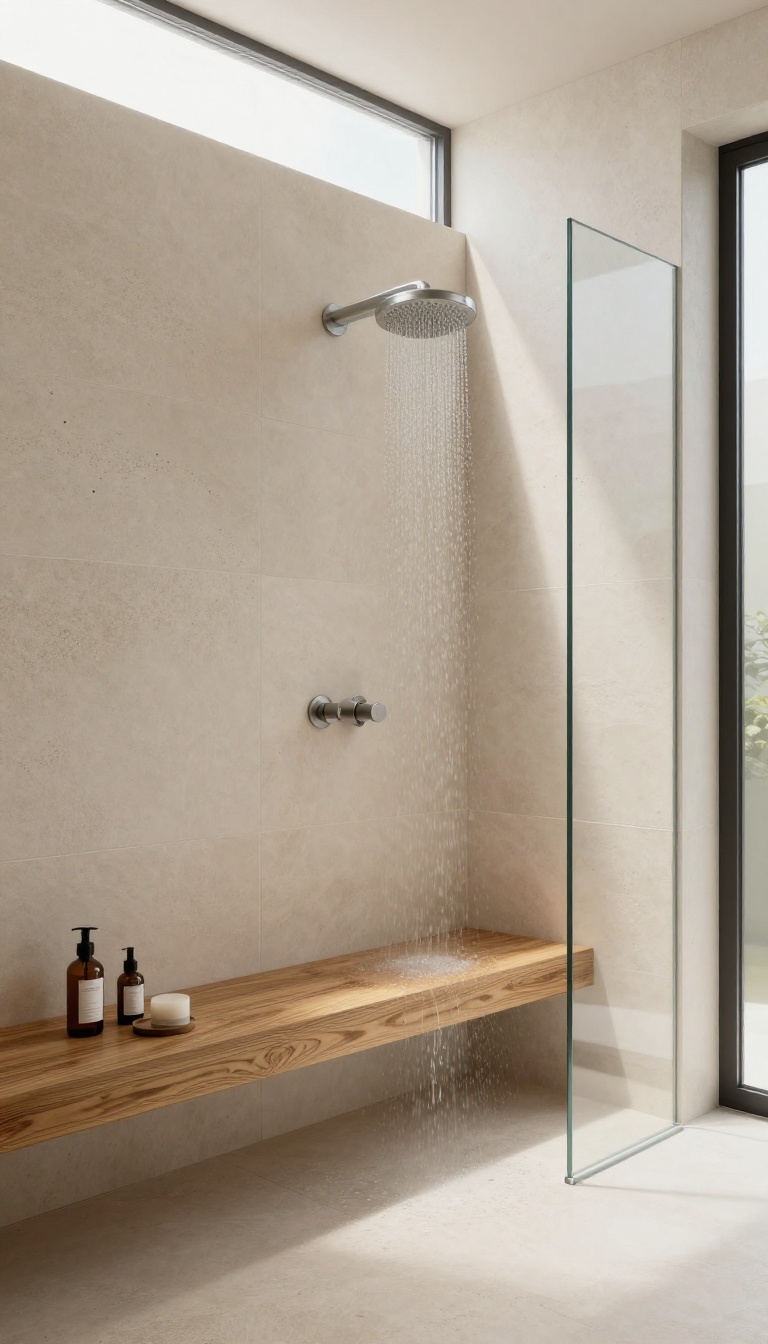
A built-in bench does more than give you a place to sit—it becomes a handy ledge for toiletries, a safe spot for shaving your legs, or a perch to simply pause under the warm spray. It’s a small addition that makes the wet room feel more like a spa and less like a utility space. When you choose the right materials and position it thoughtfully, a bench can also help with drainage and add a sleek, architectural touch.
It’s one of those features that feels luxurious but is surprisingly practical.
The key is to treat the bench as part of the wet room’s design, not an afterthought. Opt for materials that handle moisture without warping or getting slippery—teak, stone, or even a solid surface like quartz are all great choices. Angle the seat slightly (about two degrees) so water runs off instead of pooling, and consider adding a subtle lip or texture to prevent slipping.
Placement matters, too. A bench along the back wall keeps the sightline clean, while one near the controls can double as a seat for those who prefer to shower sitting down. Just make sure it doesn’t block the drain or make the space feel cramped.
With a bit of planning, your bench will become the spot you look forward to using every day.
Pick The Right Material
Teak is a classic choice because it’s naturally water-resistant and feels warm underfoot. Stone, like marble or slate, adds a spa-like vibe but needs sealing to prevent stains. Solid surface materials such as Corian are non-porous and easy to wipe down, making them a low-maintenance alternative.
Whichever you pick, ensure it has a textured or slip-resistant finish to stay safe when wet.
Design For Drainage
A flat bench can hold water, creating a puddle that’s both annoying and a slipping hazard. Instead, ask your installer to tilt the seat slightly toward the drain or add a subtle channel at the back. This way, water flows off naturally, keeping the bench dry faster and reducing soap scum buildup.
Make It Multi-functional
Think beyond sitting. A bench can serve as a shelf for shampoo bottles, a place to rest a foot while shaving, or even a spot to sit while you dry off before stepping out. If space allows, consider a corner bench that wraps around, giving you more surface without taking up too much floor area.
Add a small recessed niche above it for extra storage, and you’ve got a wet room that works harder for you.
4. Choose a Linear Drain for a Sleek Look
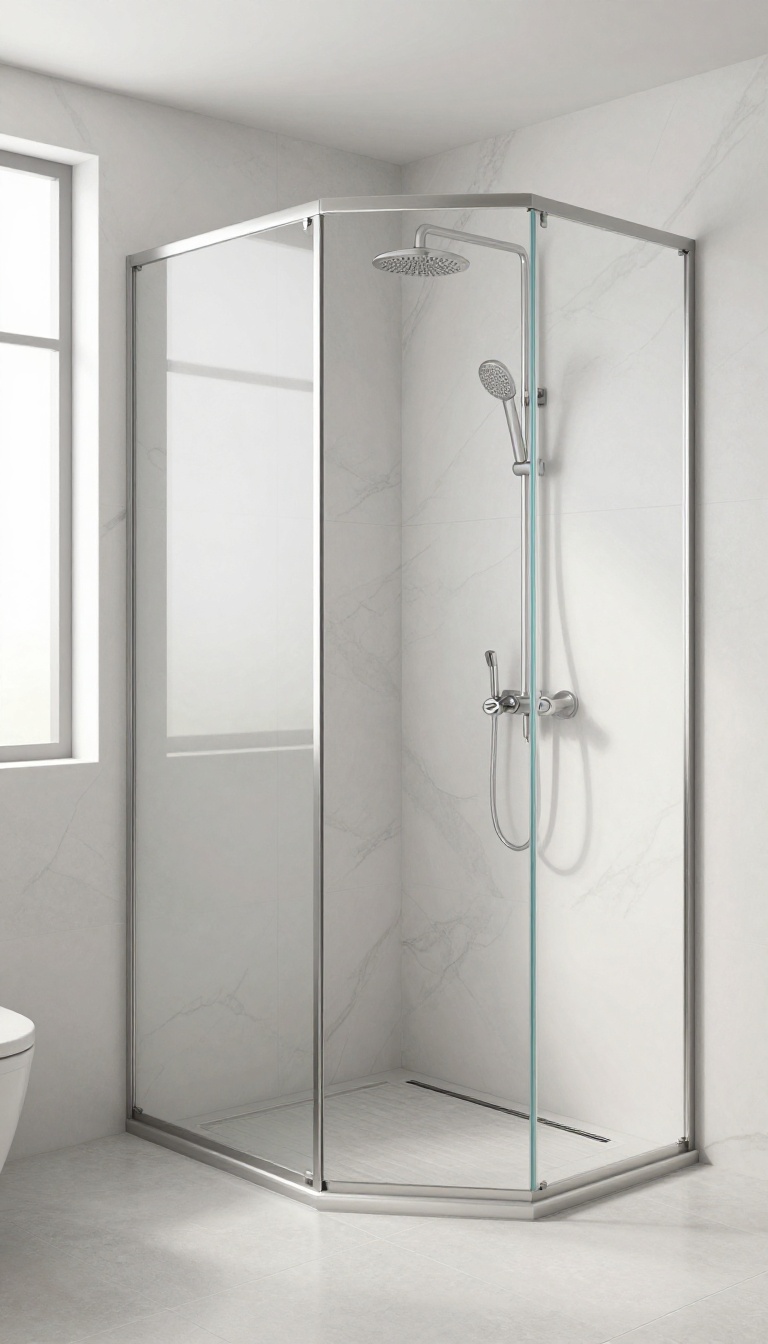
Drainage might not be the first thing you think about when designing a wet room, but it's the backbone of the whole setup. A traditional center drain often forces you to slope the floor in every direction, which can make tiling tricky and visually busy. A linear drain flips that idea, letting you create a flat, seamless plane that looks clean and feels modern.
Linear drains sit flush with the floor and run in a straight line, usually along a wall or at the shower entry. Because they only need slope in one direction, you can use larger tiles without awkward cuts or extra grout lines. The result is a smoother surface that's easier to keep clean and much more comfortable underfoot.
Why Linear Drains Look So Clean
A linear drain creates a crisp, intentional line that visually separates the shower zone from the rest of the room. It removes the need for a raised curb or bulky drain cover, making the floor feel continuous and open. This minimalist look pairs well with large-format tiles and natural stone, letting the material shine without interruption.
Where To Place The Drain For Best Function
Placement depends on your layout and how you want water to move. Along the back wall keeps the floor mostly flat, while at the entrance catches water before it spreads. Think about the natural flow of water and your daily routine—if you like standing under the spray, a drain at the far end works well; if you want to avoid puddles near the door, position it there.
Tiling And Installation Tips
For a truly seamless look, choose a linear drain with a tile insert that matches your floor. The channel should be set slightly below the tile surface to allow proper drainage. Work with a professional to ensure the slope is accurate—usually about 1/4 inch per foot—so water doesn't pool.
Larger tiles not only look great but also reduce grout lines, making cleaning easier.
5. Incorporate a Rainfall Showerhead for a Gentle Flow
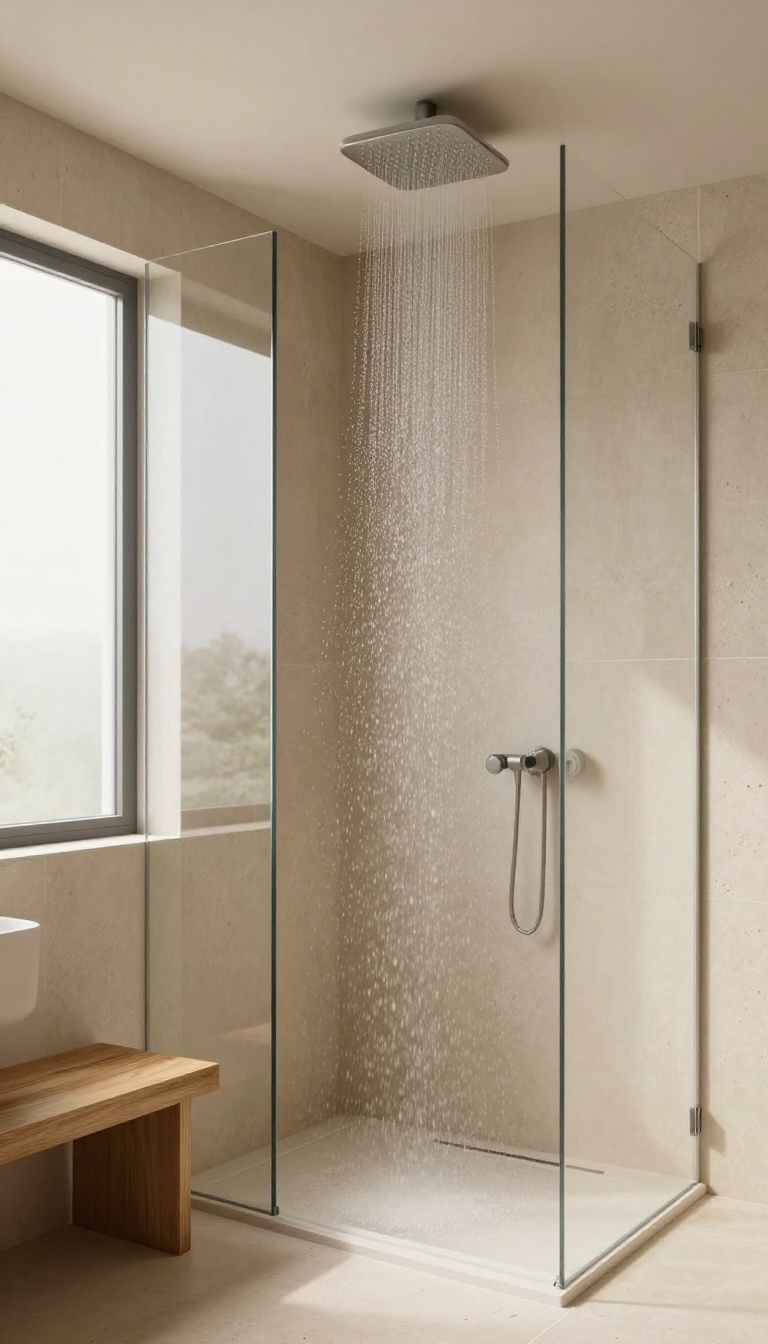
There’s something instantly soothing about stepping under a rainfall showerhead. The wide, gentle cascade feels less like a quick rinse and more like a slow, deliberate pause in your day. In a wet room, this overhead fixture becomes the centerpiece, turning an everyday routine into a small ritual.
A rainfall showerhead also works beautifully with the open layout of a wet room. Because it’s mounted overhead, it frees up wall space and keeps the visual lines clean. Pair it with a handheld sprayer, and you get both luxury and practicality in one setup.
When choosing a rainfall showerhead for your wet room, consider the size of the ceiling and the water pressure in your home. Larger heads (10 inches or more) deliver a fuller spray but need adequate flow to feel satisfying. Look for models with adjustable flow settings or water-saving features, so you can enjoy the experience without wasting resources.
Placement matters too. Center it directly over where you’ll stand, but leave enough room to move around. If your ceiling is low, a flush-mount design keeps the space feeling open.
For higher ceilings, a pendant-style head adds a touch of elegance. Don’t forget the practical side. A rainfall head can leave you wanting a more targeted spray for rinsing shampoo or cleaning the room.
That’s why a separate handheld is a smart addition—it gives you flexibility without compromising the aesthetic.
Pick The Right Size And Flow
Think about the area you want to cover. A head that’s too small won’t feel immersive, while one that’s too large might overwhelm the space. Also check your water pressure—some rainfall heads need a minimum flow to work properly.
If your pressure is low, choose a model with a wider face but smaller nozzles to maintain a gentle yet even spray.
Pair It With A Handheld For Flexibility
A handheld sprayer is a practical companion to a fixed rainfall head. Use it for quick rinses, cleaning the wet room walls, or directing water exactly where you need it. Mount it on a slide bar so it’s easy to reach, and keep the hose long enough to move around without tangling.
Mind The Mounting Height And Style
The ideal height depends on your own stature and the ceiling. A common recommendation is to mount the head about 6 to 7 feet above the floor—adjust for taller or shorter users. Flush-mount heads blend into the ceiling, while pendant styles can become a design feature.
Choose a finish that matches your fixtures, like brushed nickel or matte black, to keep the look cohesive.
6. Use Recessed Niches for Storage
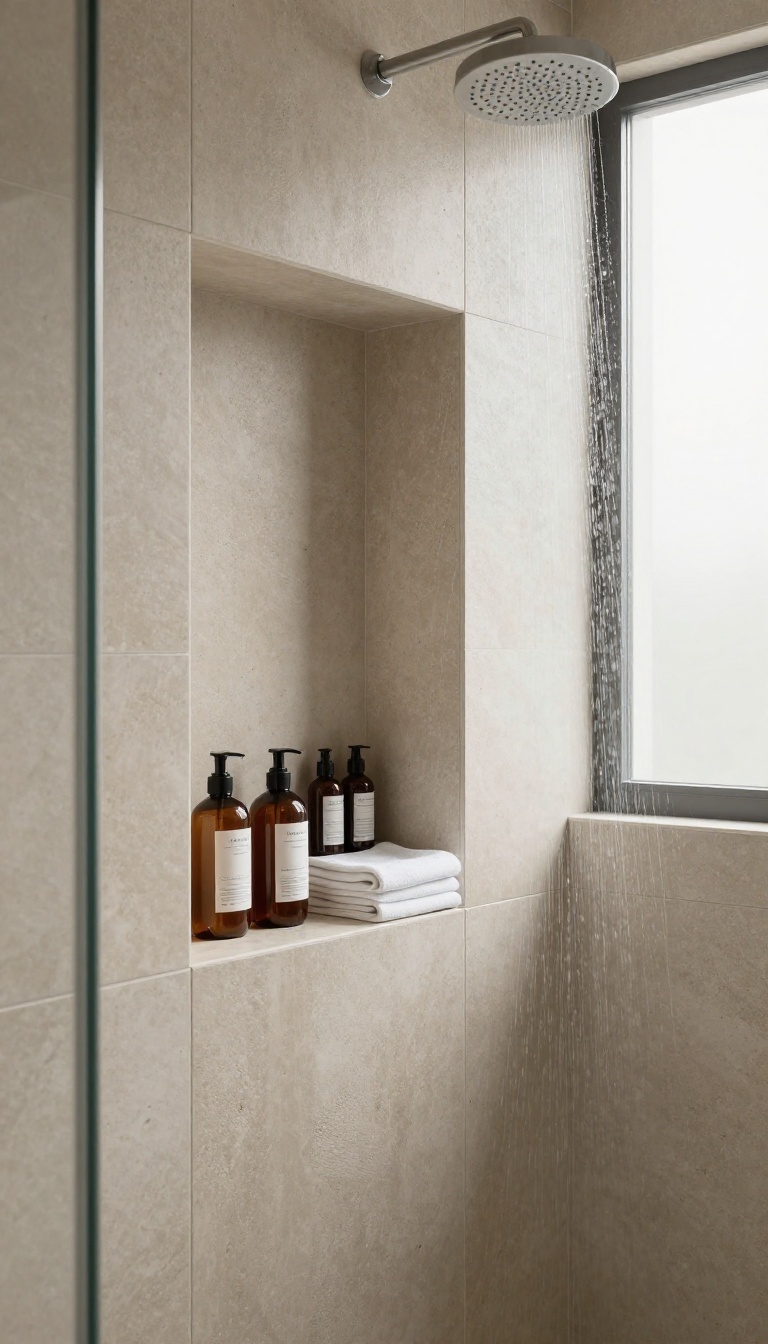
Clutter is the enemy of a calm wet room. When bottles and bars start lining the floor or hanging from caddies, the open, airy feel quickly disappears. That's where recessed niches come in—they tuck everything neatly into the wall, out of the way but still within easy reach.
Recessed niches are built into the shower wall, creating a seamless storage spot that doesn't interrupt the clean lines of your wet room. Unlike bulky shelves or corner caddies, they don't collect soap scum on exposed brackets, and they're easier to wipe down since there's no hardware to navigate. Plus, you can customize them to fit your exact bottles, so nothing rolls around or feels cramped.
Why Niches Beat Shelves
Shelves stick out, catch water, and often look cluttered. Niches sit flush, so they keep the visual flow uninterrupted. They also eliminate the need for suction cups or adhesive strips that can fail in humid conditions.
With a niche, you get a permanent, sturdy storage solution that feels built-in—because it is.
Designing For Your Bottles
Before you frame the niche, measure the tallest and widest bottles you plan to store. Standard niches are about 12 inches tall, but you can go taller for shampoo or conditioner. Think about what goes where: a lower niche for soap and a higher one for hair products keeps everything logical.
You can even add a small ledge inside to hold a razor or loofah.
Placement And Slope Tips
Position the niche at a height that feels natural—usually around chest level for the main shelf. Angle the base slightly downward (about 5 degrees) so water doesn't pool and turn into a breeding ground for grime. Also, avoid placing niches directly under the showerhead, as they'll get soaked and stay wet longer.
Instead, put them on a side wall for better access and airflow.
Materials That Keep It Low-maintenance
Use the same tile as your shower wall to make the niche blend in, or choose a contrasting tile for a subtle accent. For the base, a solid piece of stone or a prefabricated niche liner is easier to clean than grout lines. If you do use tile, pick a large-format option or a mosaic with minimal grout to reduce scrubbing.
7. Add a Skylight or High Window for Natural Light
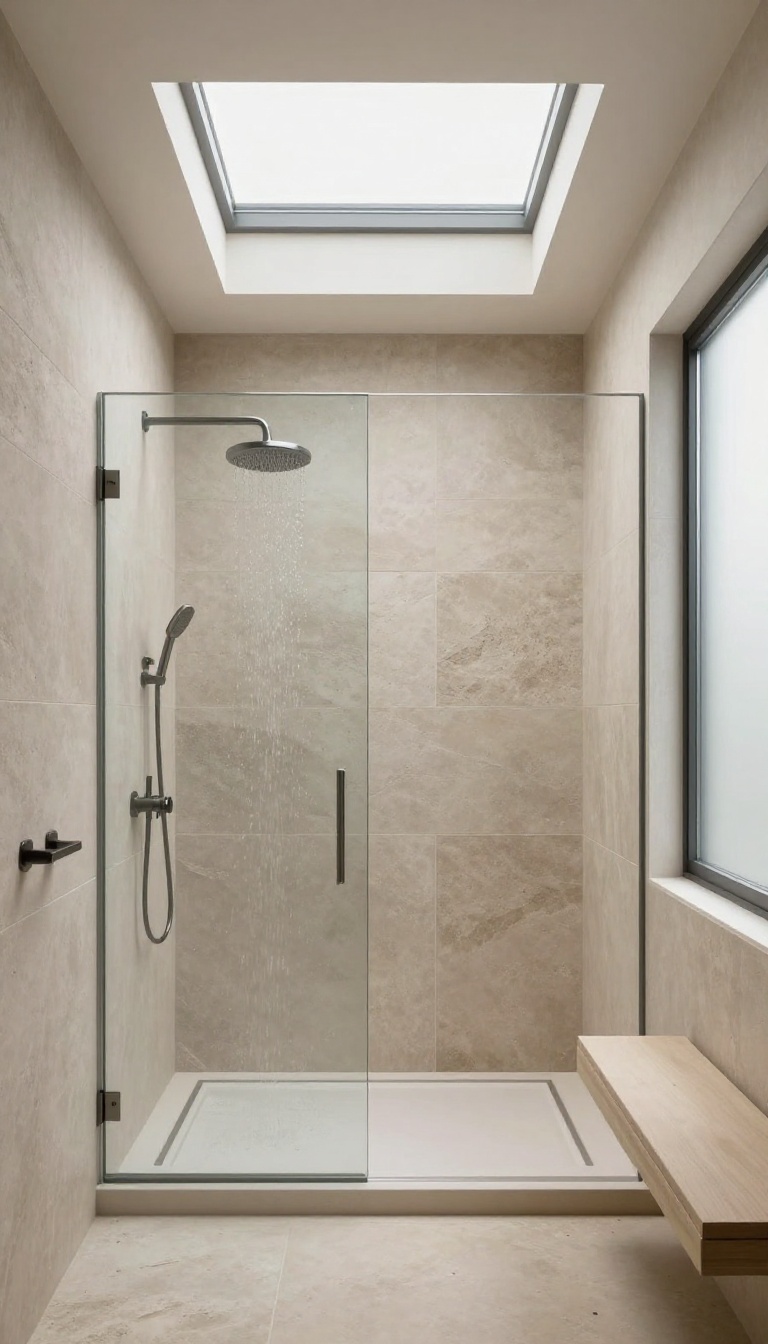
Sunlight can make a wet room feel like a private spa, but many designs rely solely on artificial lighting. A skylight or a high, frosted window brings in daylight while keeping the space private. If your layout doesn't allow for a full window, a skylight tube can channel natural light into even the most enclosed areas.
Why Natural Light Matters In A Wet Room
A wet room is all about openness and relaxation, and natural light amplifies that feeling. It makes the space appear larger, highlights the texture of your tiles, and reduces the need for harsh overhead lights during the day. Plus, a bright, sunlit shower can boost your mood and make your morning routine feel more refreshing.
Skylight Vs. High Window: What To Choose
If you have a single-story home or a top-floor bathroom, a traditional skylight is a fantastic option. It floods the room with even, diffused light from above. For rooms with limited roof access, a high, frosted window works well—it lets in light while maintaining privacy.
Consider the orientation of your home: south-facing windows bring in the most light, while north-facing ones provide softer, more consistent illumination.
Privacy Solutions Without Sacrificing Light
Privacy is a common concern, but you don't have to block out all the daylight. Frosted or textured glass is a popular choice for windows, and skylights are inherently private since they're above eye level. You can also add a motorized shade or a smart glass that turns opaque with a switch, giving you control over both light and privacy.
Skylight Tubes: A Flexible Alternative
If a full skylight isn't structurally possible, a skylight tube—also called a sun tunnel—is a clever workaround. These reflective tubes can be routed through your attic to bring daylight into a room that doesn't have direct roof access. They're relatively easy to install and can make a windowless wet room feel bright and airy.
8. Choose Heated Floors for Year-Round Comfort
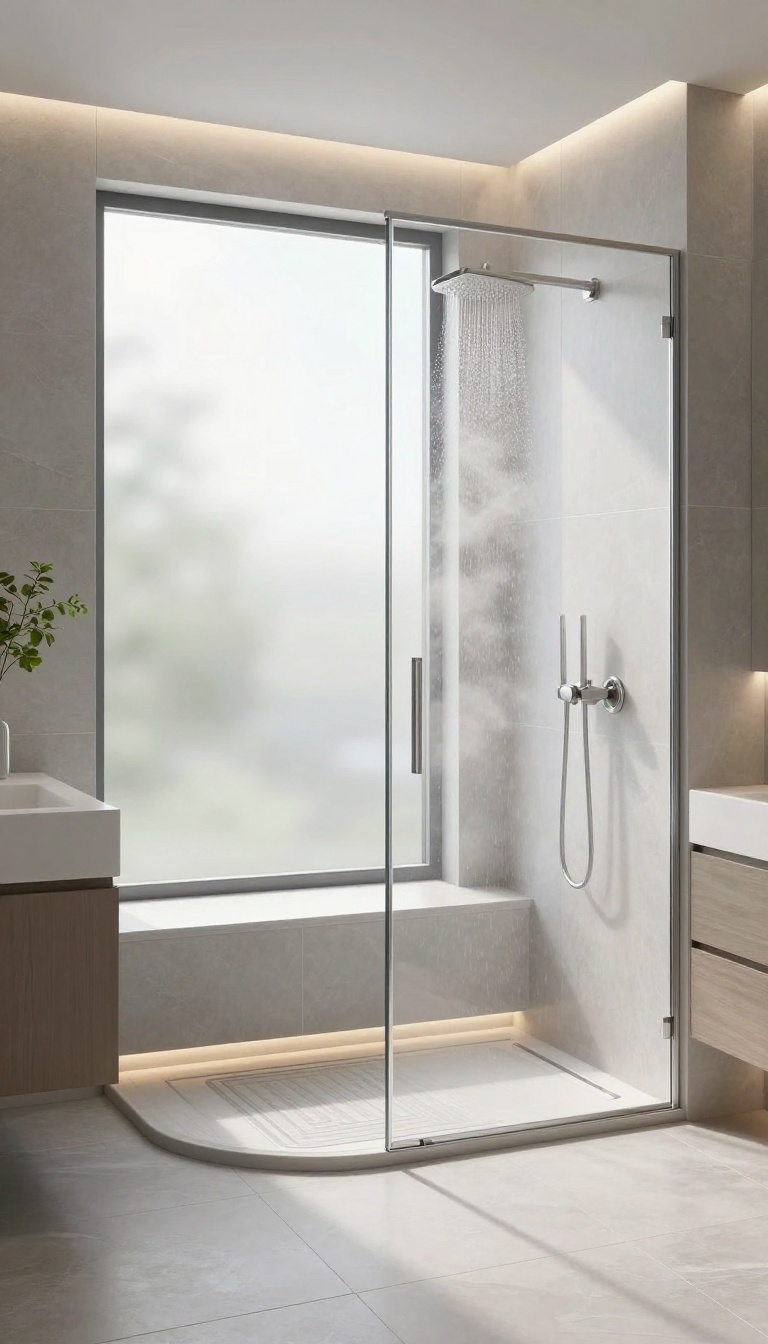
Stepping out of a warm shower onto a cold tile floor can quickly ruin the spa-like feeling you’re going for. Heated floors solve that problem elegantly, wrapping the room in gentle warmth from the ground up. Beyond comfort, radiant heat helps evaporate standing water faster, which keeps your wet room fresher and less prone to mold.
Radiant floor heating works especially well under natural stone, porcelain, or large-format tiles—materials commonly used in wet rooms. The heat radiates evenly across the surface, so there are no cold spots or sudden temperature shifts. You’ll also notice that your feet stay warm even when the air feels cool, which means you can dial down the thermostat a bit and still feel cozy.
Why Radiant Heat Works So Well In Wet Rooms
Wet rooms are all about seamless surfaces, and heated floors fit right in because they’re hidden beneath the finish. Unlike forced-air systems that can stir up dust or create drafts, radiant heat is silent and invisible. It also dries the floor quickly after every shower, which cuts down on that damp, heavy feeling some bathrooms get.
Over time, that added dryness helps protect your grout and sealants from breaking down.
Electric Vs. Hydronic Systems
For most residential wet rooms, electric radiant mats or cables are the simplest choice. They heat up fast, are easy to install under tile, and can be controlled zone by zone. Hydronic systems, which circulate warm water through tubing, are more efficient for larger areas but require a boiler or water heater connection.
If you’re remodeling a single bathroom, electric is usually the more practical route—less upfront cost and less complexity.
Smart Thermostats And Programming
A programmable thermostat turns your heated floor into a set-and-forget comfort feature. You can schedule it to warm up before your morning shower and then drop to an energy-saving mode while you’re at work. Some smart models even learn your routine over time.
That way, you get a toasty floor exactly when you need it, without wasting energy the rest of the day.
9. Incorporate a Steam Feature for a Home Spa
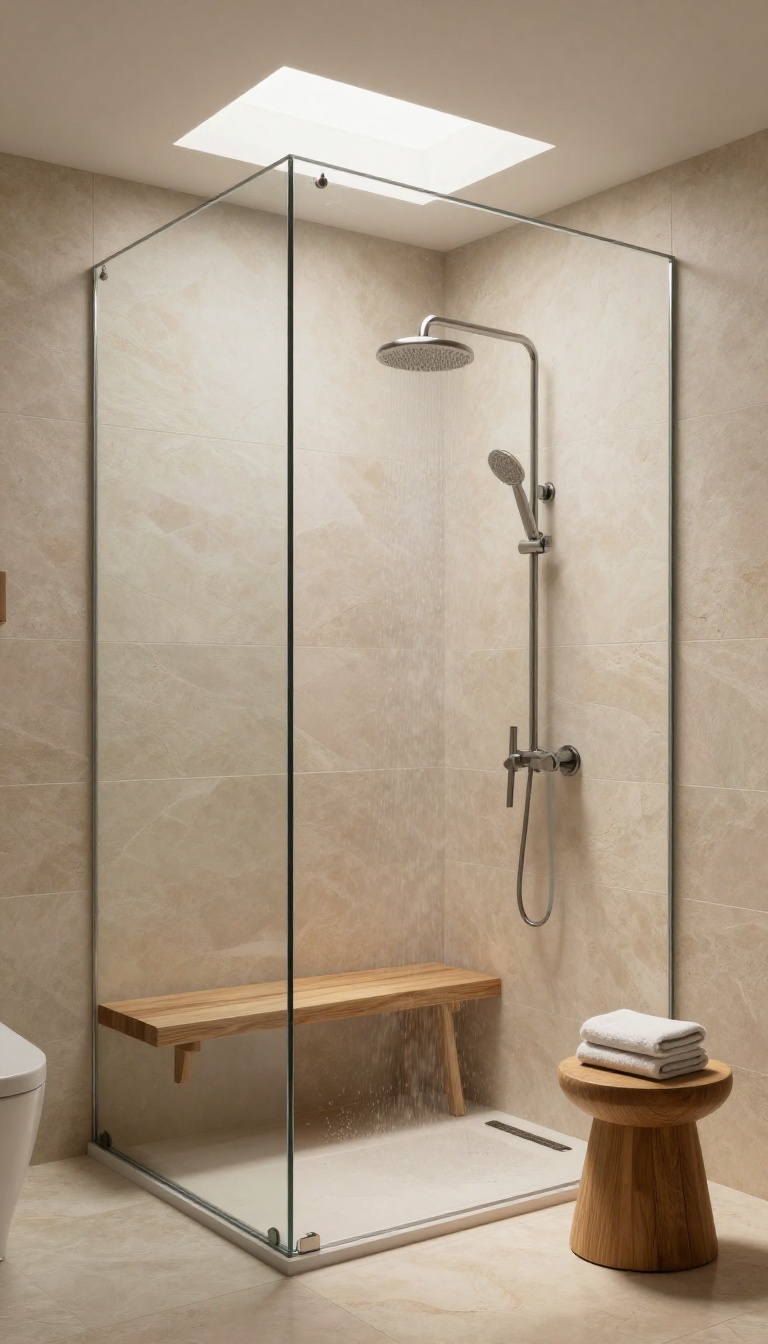
A steam generator can transform your wet room into a private sanctuary, offering relaxation and a host of potential health benefits. The warm, enveloping steam helps open pores, ease muscle tension, and promote a sense of calm—right at home. It’s a feature that turns an everyday shower into a mini-retreat, but it does require thoughtful planning to get it right.
Adding steam to your wet room is more than just a luxury; it’s a wellness upgrade. The moist heat can improve circulation, soothe tired muscles, and even help with respiratory comfort. Before you dive in, consider the practical side: proper ventilation is crucial to prevent mold and humidity issues, and your wet room must be fully waterproofed to handle the constant moisture.
With the right setup, you can create a spa-like experience that feels both indulgent and functional.
Planning For Steam: Ventilation And Waterproofing
Steam adds a lot of moisture to the air, so your wet room needs top-notch ventilation. An exhaust fan rated for high humidity or a window that opens can help keep things fresh and prevent condensation on surfaces. Waterproofing is equally important—think tanking membranes on walls and floors, and use materials like porcelain tile or sealed natural stone that can handle repeated steam exposure without warping or staining.
Choosing The Right Steam Generator
The heart of the system is the steam generator, which comes in different sizes based on the room’s cubic footage. A unit that’s too small won’t produce enough steam, while an oversized one can be wasteful. Look for models with digital controls, auto-flush features, and safety sensors.
Placement matters too—install it in an accessible spot, like a nearby closet or cabinet, for easy maintenance.
Adding Comfort And Aromatherapy
To really enjoy your steam room, include a waterproof bench or seat where you can sit and relax. Consider a built-in aromatherapy dispenser that releases essential oils like eucalyptus or lavender into the steam for an extra layer of calm. Soft, indirect lighting—like recessed LEDs or a small waterproof fixture—can enhance the mood without being harsh.
Don’t forget a sturdy grab bar and a non-slip floor for safety.
10. Add Greenery for a Fresh, Organic Touch
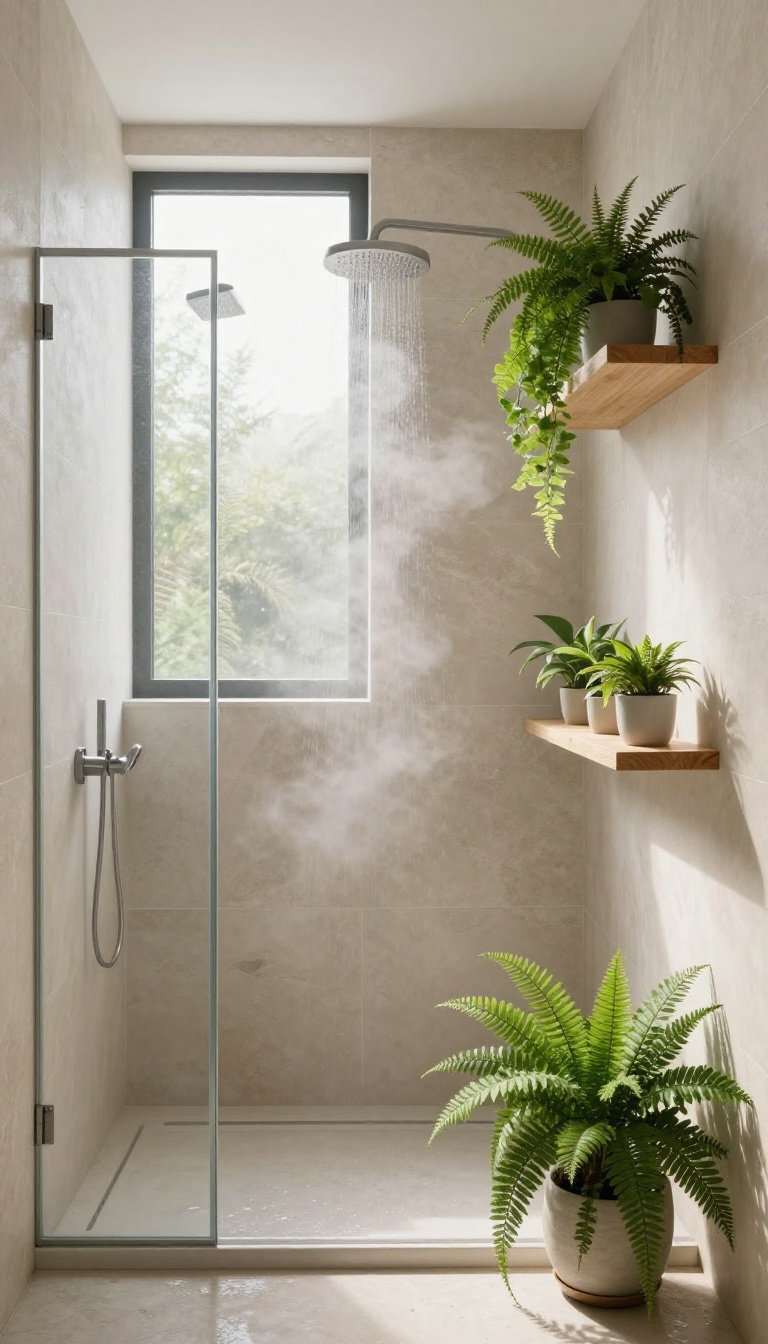
Plants bring life to any room, but they can truly transform a wet room. The humidity and warmth create a natural greenhouse effect that helps certain species flourish. Beyond the visual appeal, greenery softens the hard surfaces and adds a layer of tranquility that enhances the overall spa-like atmosphere.
Incorporating plants into your wet room design is more than just placing a potted fern on a shelf. It's about selecting species that thrive in high humidity and low light, and positioning them where they won't be constantly splashed. With the right setup, your wet room can feel like a lush, private retreat.
Choosing The Right Plants
Not all plants are suited for the steamy, moist conditions of a wet room. Ferns, orchids, and bamboo are excellent choices because they love humidity and can tolerate lower light levels. Peace lilies and spider plants also work well, adding a touch of green while helping to purify the air.
Avoid cacti or succulents that prefer dry conditions.
Safe And Stylish Placement
When placing plants, consider their proximity to water sources. Use waterproof containers or hanging planters to keep them safe from direct splashes. Wall-mounted planters or shelves high up can create a cascading effect without taking up floor space.
Ensure they're out of the way of foot traffic and shower spray.
Maintenance Made Simple
A wet room naturally provides moisture, so you won't need to water as frequently. Still, be mindful of drainage—make sure pots have proper drainage holes to prevent root rot. Wipe leaves occasionally to remove dust and soap residue.
Choose low-maintenance varieties if you prefer a set-and-forget approach.
FAQ
What is a wet shower room?
A wet shower room is a bathroom design where the shower area is not enclosed by a separate door or curtain, but instead is open to the rest of the room. The entire floor is typically waterproofed and sloped to a drain, allowing water to flow freely without damaging the space.
How do I prevent water from splashing out of a wet shower room?
To minimize splashing, use a glass divider or partial wall, install a linear drain at the entrance, and ensure the floor has a proper slope toward the drain. Also, consider using a shower curtain as a backup if needed, and choose a showerhead with a gentler flow.
What are the best flooring materials for a wet shower room?
The best flooring materials are non-porous and slip-resistant, such as porcelain or ceramic tiles with a textured finish, natural stone like slate or travertine (sealed), or even concrete with a matte sealant. Avoid smooth marble or polished tiles that become slippery when wet.
Do I need a professional to install a wet shower room?
Yes, it’s highly recommended to hire a professional contractor with experience in wet room installations. Proper waterproofing, drainage, and slope are critical to prevent leaks and structural damage. A professional can ensure the job is done correctly and up to code.
How do I keep a wet shower room clean and mold-free?
Regular cleaning with a squeegee after each use helps remove excess water. Use a ventilation fan or open a window to reduce humidity. Choose grout and sealants that are mold-resistant, and periodically deep-clean with a mild bleach solution or natural cleaners like vinegar and baking soda.
Conclusion
A wet shower room should feel like a small escape, not just another chore to clean. The ideas above show that a few thoughtful touches—like a built-in bench, a niche for toiletries, or better drainage—can make the space calmer and far more usable. Start with the two or three features that solve your biggest frustrations, then build from there.
Even one change, like adding a rain shower head or a textured floor, can shift the whole mood. Take your time, measure carefully, and let your routine guide the design. Your future self will thank you every morning.