10 Walk-In Shower Curtain Ideas with Refined, Relaxed Style
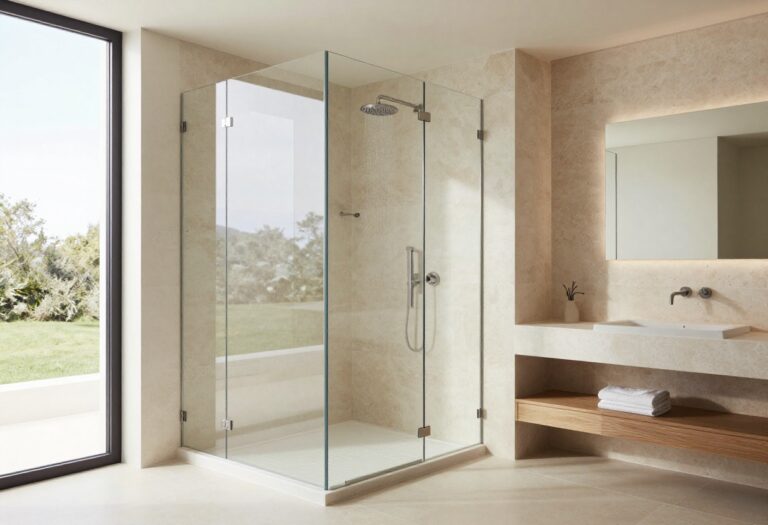
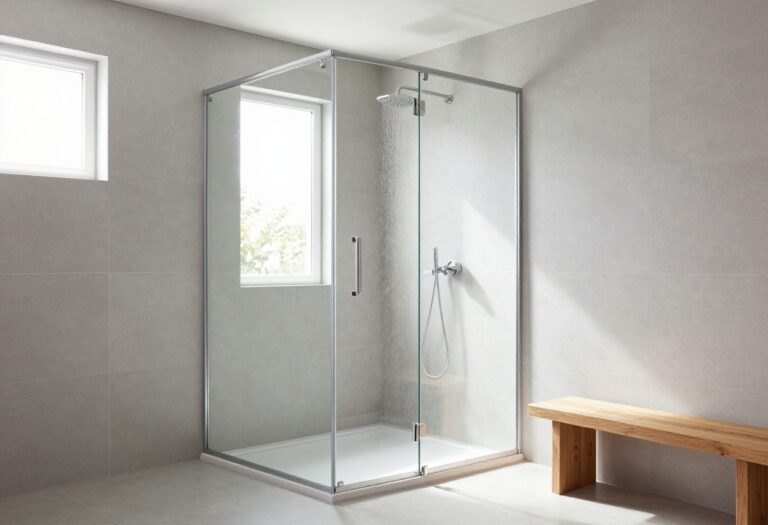
A walk-in shower already feels open and airy, but the right curtain can take it from purely functional to genuinely stylish. The payoff is immediate: a curtain that complements the space without closing it off, adding texture, color, or a touch of privacy when you need it.
Whether you're dealing with splashes or just want a softer look, these ideas focus on the visible impact—how the curtain shapes the room's mood and how it works with your daily routine.
From fabric choices to hanging methods, each idea is about making your shower feel more like a retreat and less like an afterthought.
1. Embrace the Sheer: Light-Filtering Panels for an Airy Feel
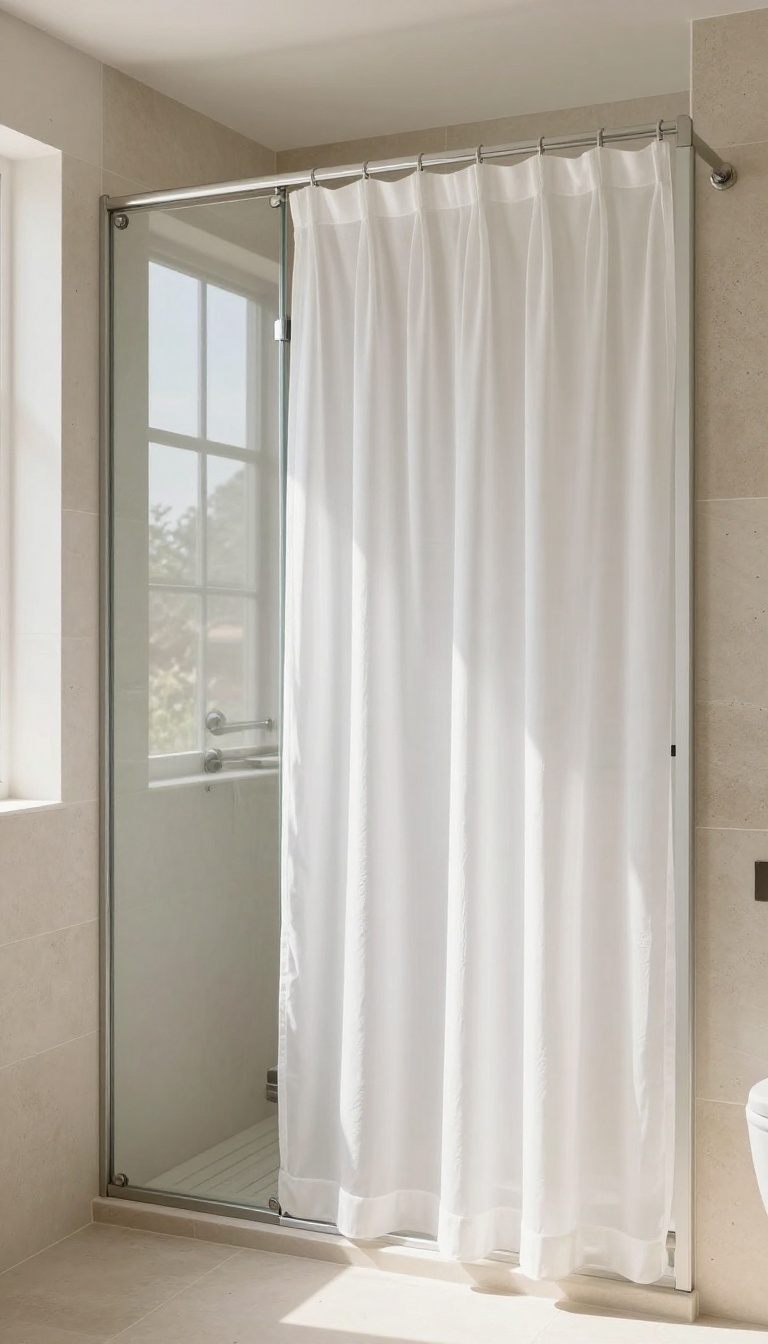
Sheer curtains are the quiet overachievers of the bathroom world. They let daylight pour in while still giving you the privacy you need, so your walk-in shower feels open and connected to the rest of the room. The result is a soft, spa-like glow that instantly relaxes the space.
When you choose a sheer curtain, you're not just picking a piece of fabric—you're deciding how light and air move through your bathroom. Unlike heavy opaque panels that can make a shower feel like a cave, sheers keep things bright and breezy. They're especially effective in bathrooms with a window or a skylight, where they amplify natural light without washing out the room.
Of course, sheers have a reputation for being delicate, but modern fabrics have changed that. Water-resistant polyester and treated linen are both practical options that handle humidity and splashes without turning into a soggy mess. You get the ethereal look of a sheer without the constant worry of mold or mildew.
Why Sheer Works In A Walk-in Shower
Walk-in showers are all about openness, and a sheer curtain keeps that feeling intact. It defines the shower zone without creating a visual barrier, so the eye can travel across the whole bathroom. This makes even a compact space feel larger and more inviting.
Plus, the soft diffused light flatters the tiles and fixtures, giving everything a gentle, polished look.
Choosing The Right Fabric
Not all sheers are created equal. For a bathroom, you need something that can handle moisture. Look for polyester or polyester blends that are labeled water-resistant—they dry quickly and resist mildew.
If you prefer natural fibers, opt for linen that's been treated with a water-repellent finish. Avoid pure cotton or silk, which can absorb water and become heavy or stained.
Styling And Hanging Tips
To make the most of a sheer curtain, hang it high and wide. Mount the rod closer to the ceiling and extend it beyond the shower opening to create a more dramatic, flowing drape. Use a curved rod to pull the curtain slightly outward, giving you extra elbow room and keeping the fabric from clinging to you.
For a relaxed, modern look, let the curtain puddle just a little on the floor—but if you prefer a cleaner line, hem it to just above the floor.
2. Go Natural with Linen: Effortless Texture and Breathability
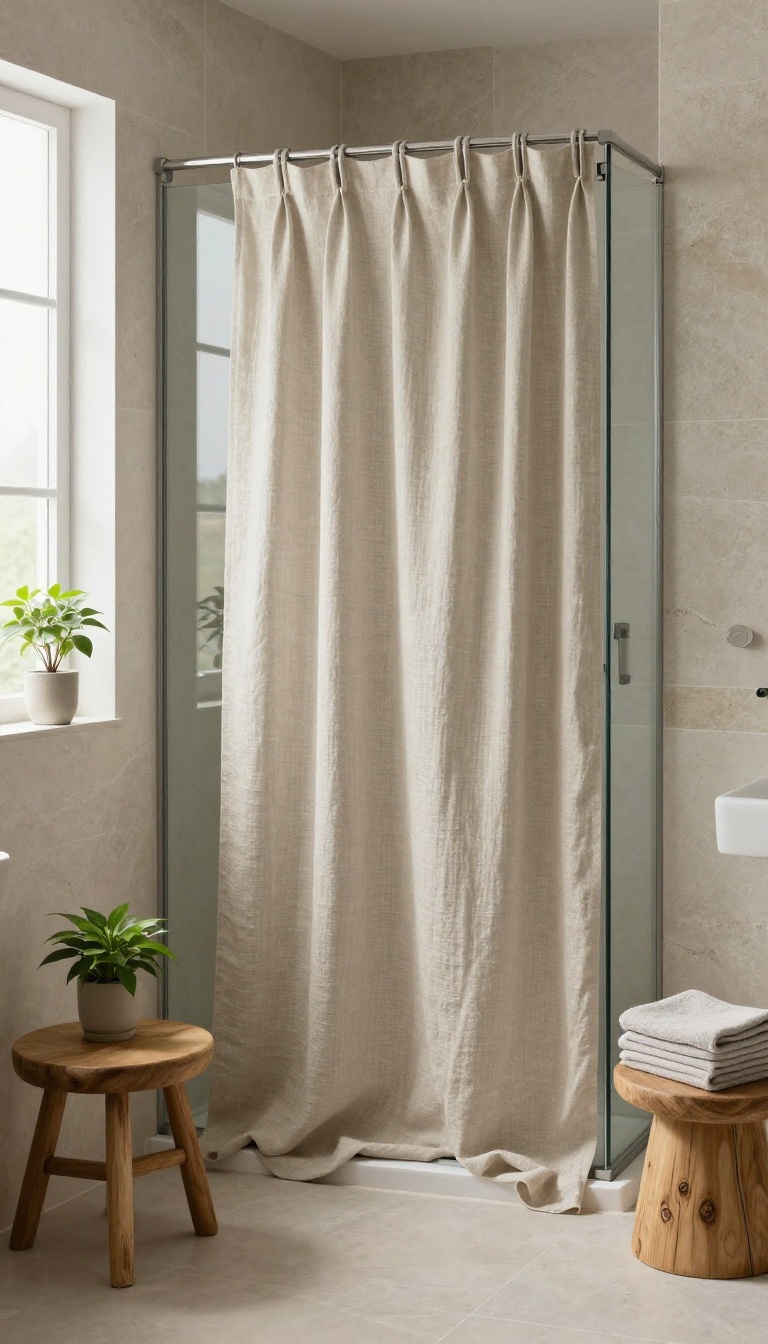
Linen is having a moment, and it's easy to see why. Its natural, slightly rumpled texture brings an organic warmth that instantly makes a bathroom feel more like a spa. Unlike shiny or stiff synthetic fabrics, linen curtains hang with a soft, relaxed drape that softens the lines of a modern walk-in shower.
Linen curtains are more than just a pretty face. They're breathable, allowing air to circulate and moisture to evaporate quickly, which helps prevent that damp, musty feeling. Linen also resists mold and mildew naturally, making it a smart choice for a humid environment—though it isn't completely waterproof.
For everyday use, you'll want to pair it with a liner to keep the curtain itself dry and protected. The payoff is a curtain that looks effortlessly chic while still being practical.
Why Linen Works In A Walk-in Shower
Linen's texture is its superpower. It adds visual interest without being busy, and its neutral tones—think oatmeal, sand, or soft white—blend seamlessly with almost any color scheme. Because linen is a natural fiber, it doesn't create that crinkly, plasticky sound when you move it, and it won't cling to your skin like some synthetic fabrics.
It also dries surprisingly fast, which means less time dealing with a soggy curtain.
How To Style Linen Curtains
For a truly relaxed look, let the linen curtain hang slightly longer than the shower threshold, so it pools just a bit on the floor. This adds to the effortless vibe. Pair it with matte black or brushed brass hardware to enhance the natural feel.
If your bathroom has cool tones, choose a warm linen shade to balance it out; if your space is already warm, a crisp white linen will keep things fresh.
Caring For Your Linen Curtain
Linen is low-maintenance but does require a little TLC. Machine wash it on a gentle cycle with cold water and hang it to dry to avoid excessive wrinkling. If you do use a dryer, take it out while still slightly damp to minimize creases.
And don't worry about a few wrinkles—they're part of linen's charm. To keep your curtain looking its best, treat it with a fabric protector or simply wash it every few weeks to prevent soap scum buildup.
3. Make a Statement with Bold Patterns: From Tropical to Geometric
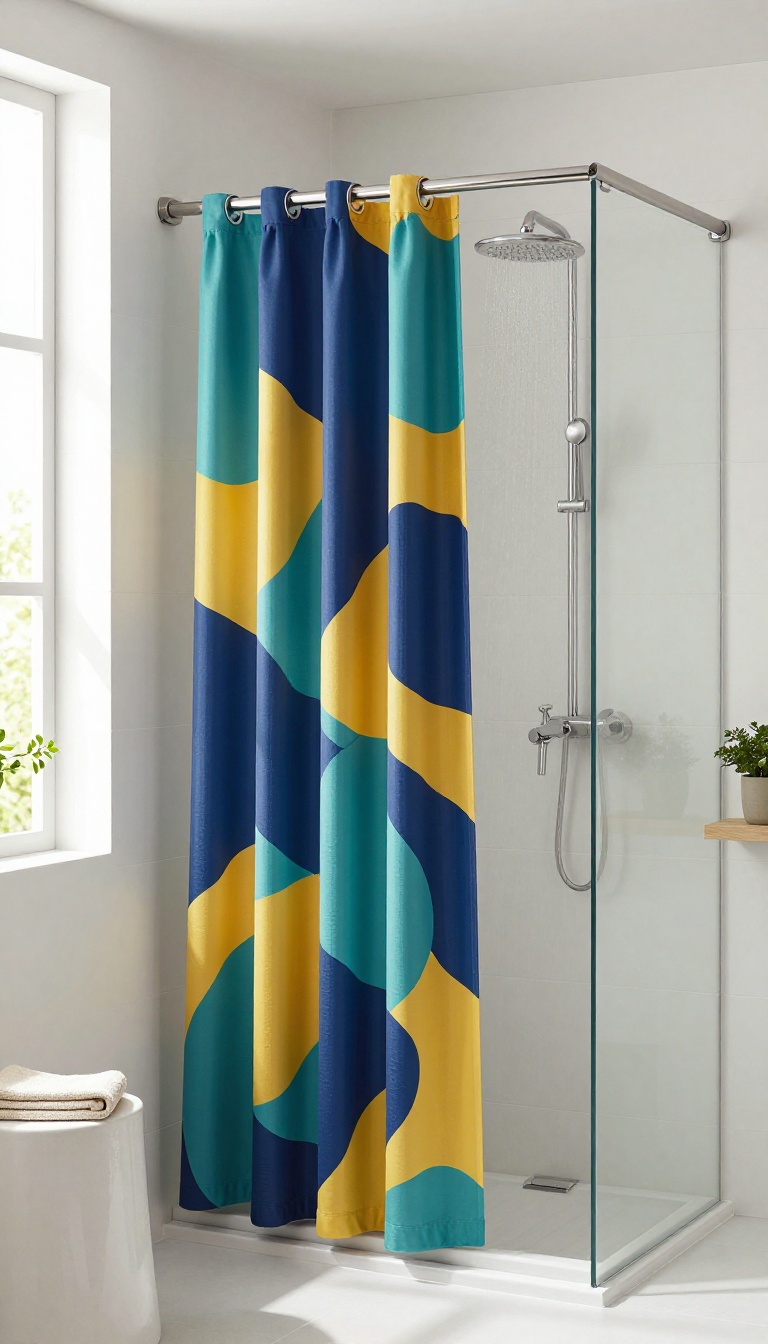
A bold patterned curtain can instantly become the centerpiece of your walk-in shower, turning a practical necessity into a design moment. The key is to choose a print that feels intentional and balanced, not overwhelming. When done right, a vibrant tropical or geometric design adds energy and personality while still letting the shower's openness shine.
Patterned shower curtains are a fantastic way to inject color and visual interest into a space that often defaults to plain white or clear. They work especially well in walk-in showers because the open layout allows the pattern to be seen in full, without the distraction of a traditional shower enclosure. The trick is to pick a pattern that complements your existing bathroom decor and to balance it with simple, uncluttered accessories.
Choosing The Right Scale And Color
When selecting a patterned curtain, consider the size of the print relative to your shower area. Large-scale patterns, like oversized palm leaves or bold abstract shapes, can make a small bathroom feel more expansive, while smaller prints might get lost in a larger space. Also, look at the colors in the pattern and pull one or two into your bath mats, towels, or other accessories to create a cohesive look without going overboard.
Pairing With Simple Accessories
A busy curtain should be the star, so keep the rest of the bathroom visually quiet. Opt for solid-colored towels, a minimal soap dispenser, and a clean shower caddy in a neutral finish. If you have open shelving, display only a few neatly folded towels or a single plant to avoid visual clutter.
This lets the pattern breathe and keeps the space feeling calm and curated.
Mixing Patterns With Texture
If you love pattern, you can still mix it with other textures to add depth. For example, pair a geometric curtain with a ribbed ceramic soap dish or a woven basket for storage. The contrast in textures prevents the pattern from feeling flat and adds a layer of sophistication to the overall look.
4. Opt for Earthy Tones: Warm Neutrals That Ground the Space
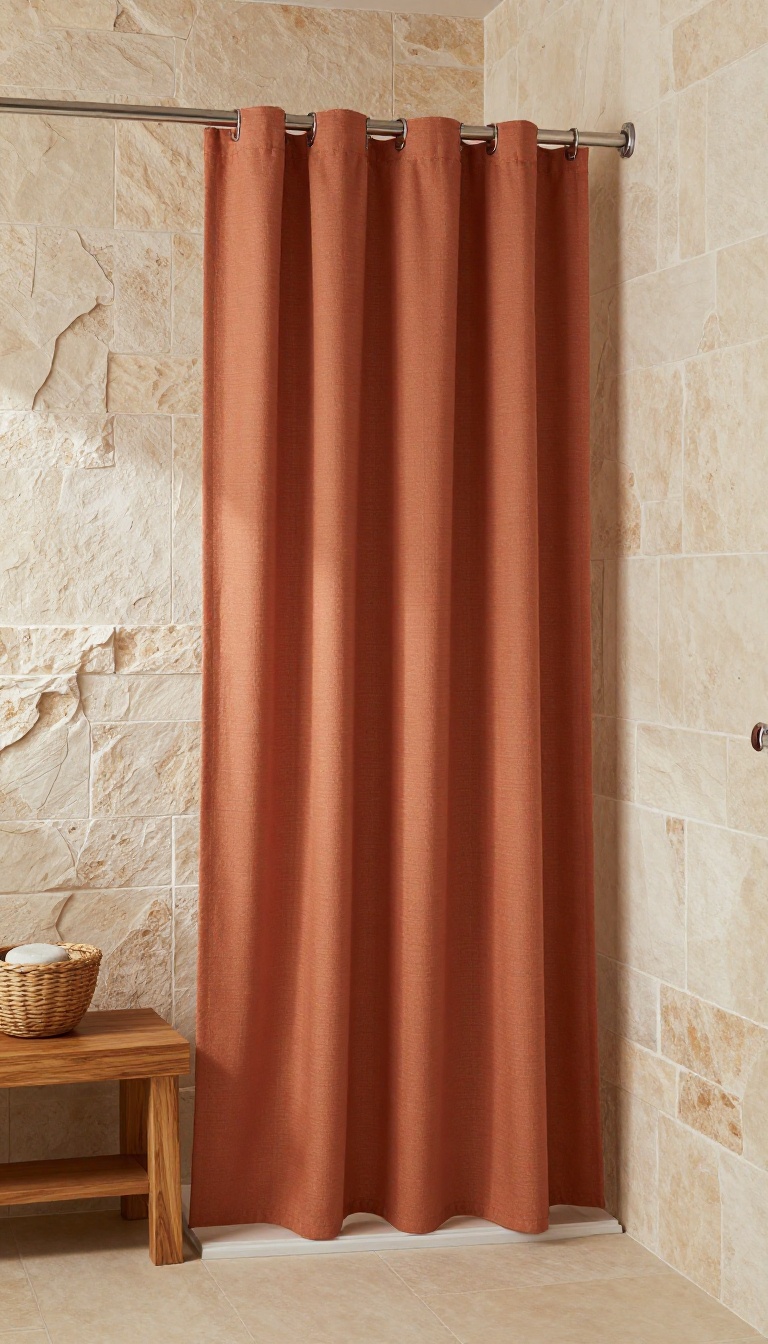
Earthy tones bring a sense of calm and connection to nature that few other color palettes can match. Terracotta, sand, and olive aren't just colors—they're moods that make your shower feel like a quiet escape from the rest of the house. These hues work especially well in walk-in showers because they soften the typically cool, wet environment without sacrificing style.
When you choose earthy tones, you're not just picking a color—you're setting a foundation for the entire bathroom. These shades pair beautifully with natural materials like wood, stone, and bamboo, creating a cohesive, organic look that feels both intentional and effortless. The key is to let the curtain act as a bridge between the shower and the rest of the room, tying together textures and finishes that might otherwise feel disconnected.
Pair With Natural Textures
Earthy curtain colors shine when paired with materials that echo their origin. Think woven baskets for storage, a teak wood bench, or a stone soap dish. The curtain itself can be cotton, linen, or even a textured weave to add depth.
This combination creates a layered, tactile experience that feels far more luxurious than a plain vinyl curtain.
Balance With Lighter Accents
To keep the space from feeling too heavy, balance deeper earthy shades like olive or terracotta with lighter accents. White or cream towels, a light-colored bath mat, or even a pale wall color can provide contrast. This prevents the room from feeling cave-like while still allowing the warm tones to take center stage.
Choose The Right Shade For Your Lighting
Lighting plays a huge role in how earthy colors appear. In a bathroom with lots of natural light, deeper shades like terracotta will look rich and inviting. In dimmer spaces, opt for lighter sand or warm beige tones to avoid making the room feel smaller.
Always test a fabric sample in your actual lighting before committing.
5. Double Up: Two Curtains for Symmetry and Flexibility
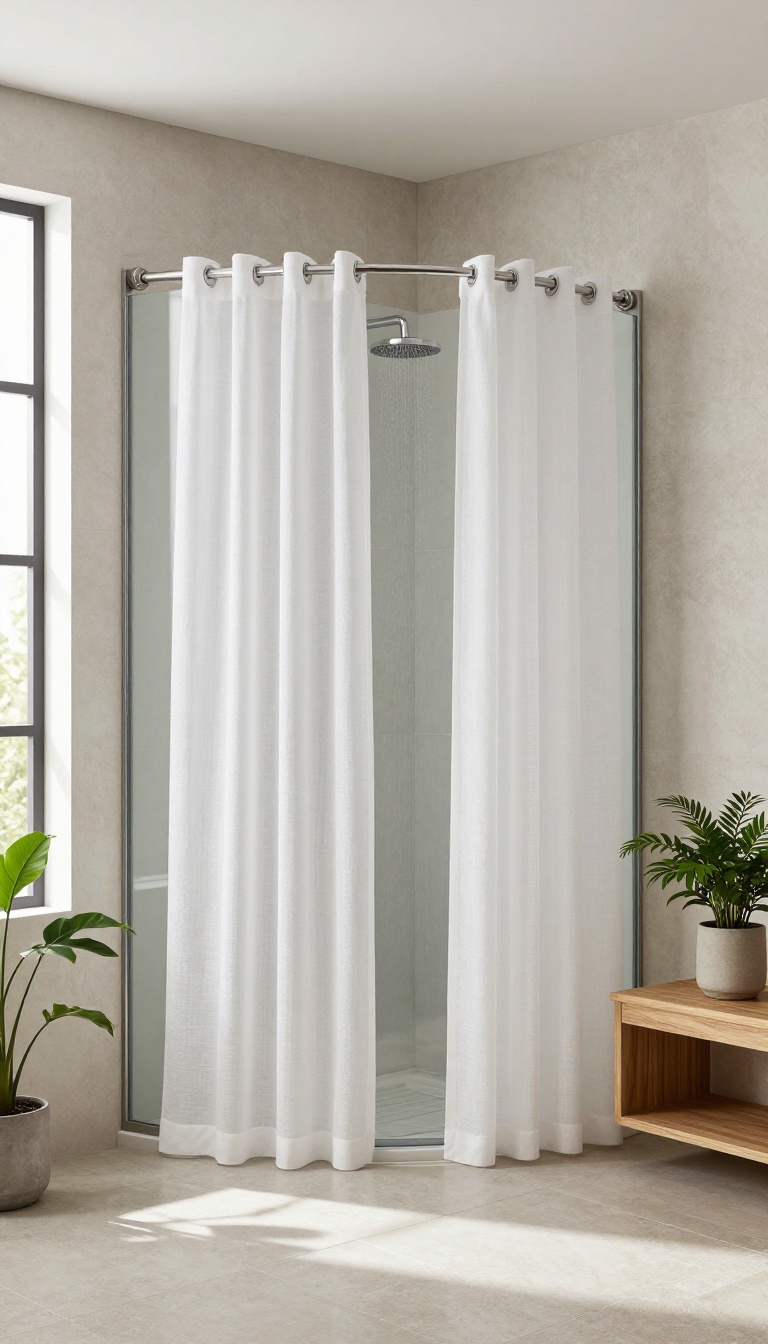
Hanging two curtains instead of one might sound like extra work, but it actually simplifies things. A double rod setup lets you open from the center, pull to one side, or keep both panels closed for full coverage. It’s a small change that gives you more control over light, privacy, and airflow.
The symmetry of two panels also adds a polished, intentional look to a walk-in shower. Whether you choose matching fabrics or mix solids with sheers, this approach makes the space feel balanced without trying too hard.
With two curtains, you can adjust coverage exactly how you want it. If you prefer a wide-open feel during the day, slide both panels to the ends. When you need privacy or want to block splashes, simply close them from the center.
It’s that simple. This setup works especially well for larger walk-in showers where a single curtain can look a bit lost. Two panels fill the space better and create a clean, symmetrical frame around the opening.
Plus, you can swap out one panel for a different texture or color to add visual interest without committing to a full makeover.
Why Two Curtains Work So Well
Double curtains give you flexibility that a single panel can’t match. You can open from the middle to step in easily, or pull one side to let in more light. The balanced look also helps define the shower area, especially in open-concept bathrooms where the shower isn’t tucked into a corner.
Choosing The Right Rod And Hardware
A tension rod or a wall-mounted double rod both work, but make sure it’s sturdy enough to hold two layers of fabric. For a seamless look, pick a rod that matches your other bathroom fixtures. If you’re mixing fabrics, go with one sheer and one opaque panel—that way you can adjust privacy and light independently.
Mixing Fabrics And Patterns
You don’t have to use identical curtains. Try a solid linen panel on one side and a subtle stripe on the other for a relaxed, collected feel. Or use a sheer behind a heavier curtain to soften the light while keeping the option for full privacy.
The key is to keep the colors in the same family so the look stays cohesive.
6. Try a Curved Rod: Maximize Space and Keep Water In
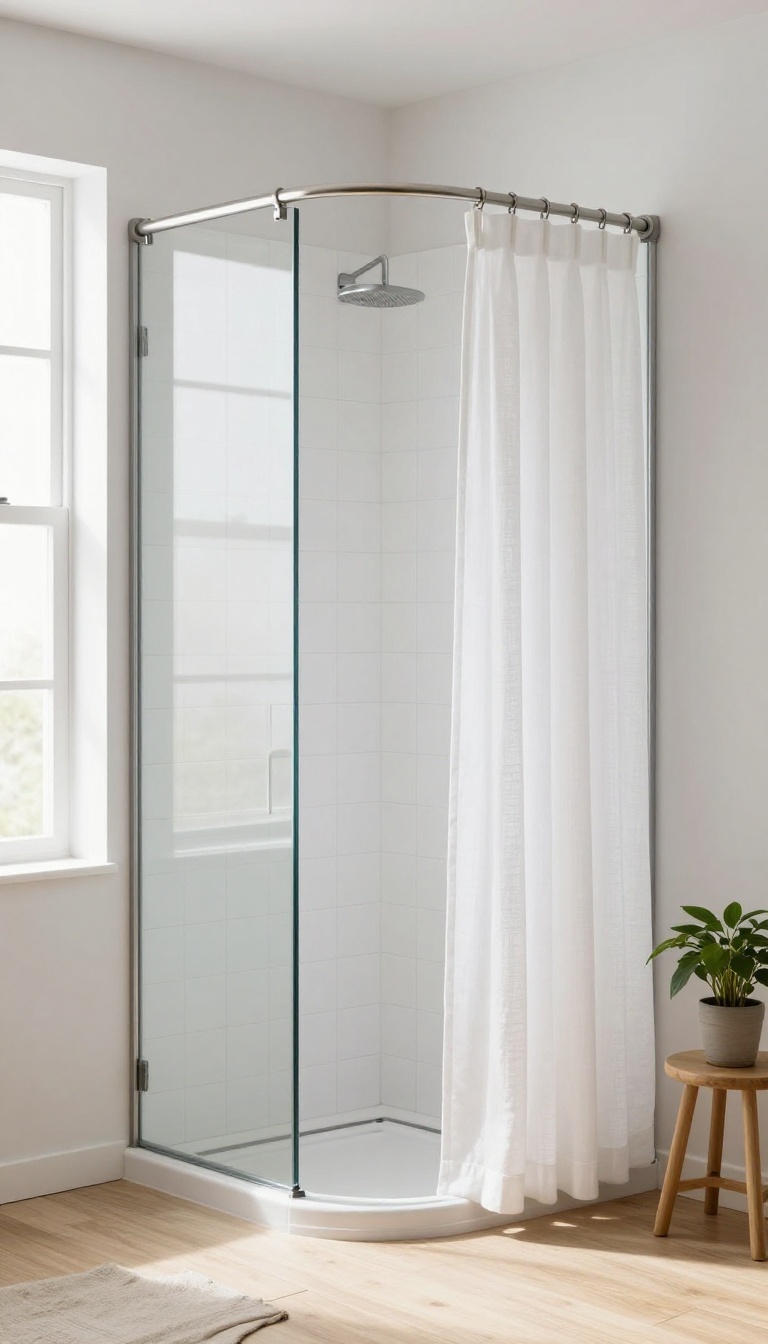
A curved rod is one of those small upgrades that changes the whole feel of a shower. It pushes the curtain outward, so you get extra elbow room without having to squeeze against a cold wall. And because the curtain arcs away from the tub or shower floor, water stays where it belongs—inside.
Beyond the practical perks, a curved rod adds a subtle architectural line that makes the shower area feel more intentional. It’s a simple tweak that can make a standard walk-in shower feel more spacious and polished.
When you step into a walk-in shower with a straight rod, the curtain often clings to you or billows inward with the slightest draft. A curved rod solves that by bowing outward, giving you a few extra inches of personal space. That little bit of room makes a big difference when you’re reaching for soap or just turning around.
The other big win is water containment. Because the curtain hangs at an angle, water droplets that hit it tend to run down the inside rather than sneaking out through gaps at the ends. This is especially helpful if your shower is in an alcove or you don’t have a door to keep splashes in check.
Visually, a curved rod adds a gentle arc that softens the straight lines of a bathroom. It’s not a dramatic change, but it makes the shower area look more designed. You can choose a finish that matches your fixtures—chrome, brushed nickel, or matte black—to tie the whole space together.
What To Look For In A Curved Rod
Not all curved rods are the same. Some have a fixed curve, while others are adjustable to fit different shower widths. Look for one that extends far enough to give you real room—usually a curve depth of 4 to 6 inches.
Also, check the mounting hardware. A sturdy rod with a solid flange will feel secure and won’t sag over time, especially if you’re using a heavier fabric curtain.
Pairing It With The Right Curtain
A curved rod works best with a curtain that has a clean, straight hem and enough length to reach the floor or just above the tub. Grommet or ring-top curtains slide smoothly along the curve, while tab-top styles can catch at the ends. For a seamless look, choose a curtain that’s slightly wider than the rod so it bunches nicely when open.
Installation Tips
Installing a curved rod is a straightforward DIY job. Use a level to mark the mounting holes, and be sure to drill into studs or use anchors if you’re not hitting a solid surface. Tighten the brackets evenly so the rod stays level.
If you’re replacing an old rod, remove the old hardware and patch any holes before mounting the new one.
7. Use Hooks That Add Character: From Wood to Brass
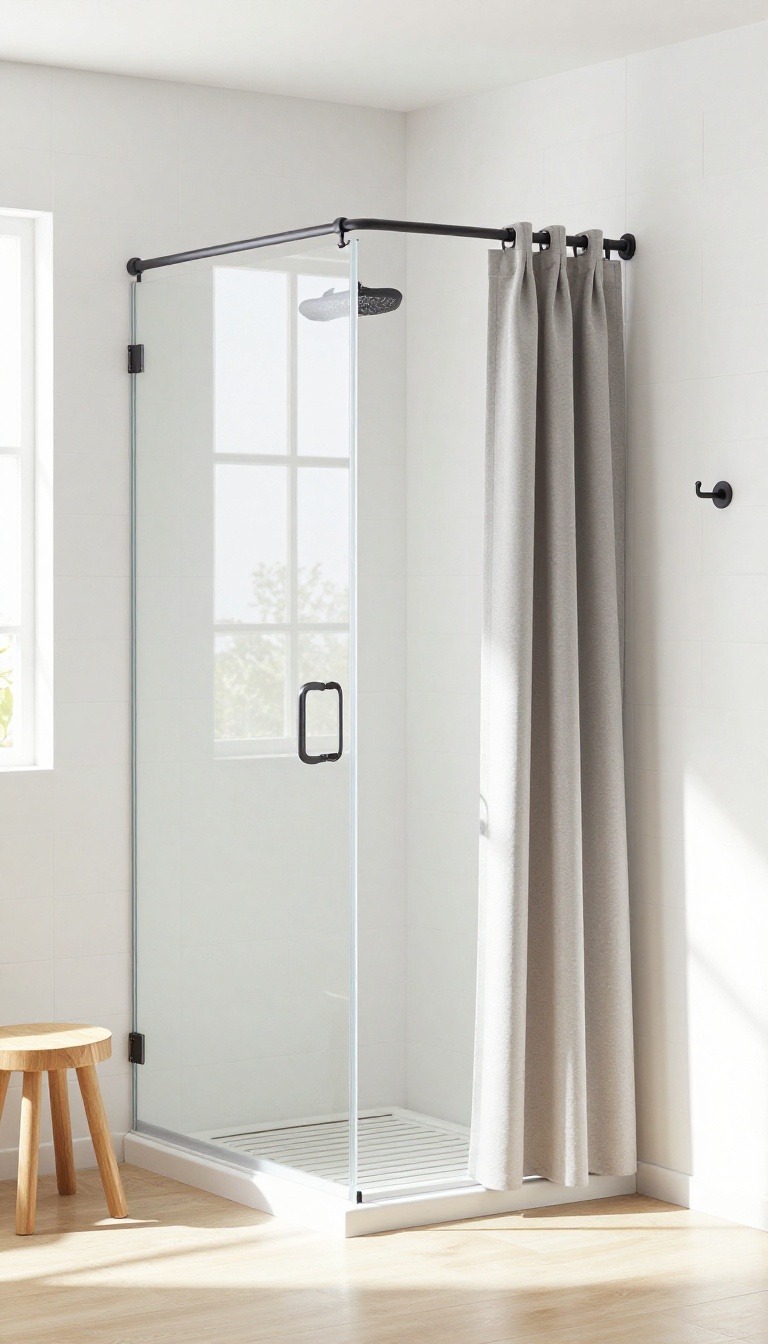
The hooks holding your curtain are often an afterthought, but they’re actually one of the first things your eye lands on. Swapping standard plastic hooks for something with a bit of personality—like wood, brass, or matte black—can subtly elevate the whole look of your walk-in shower. It’s a small detail that ties into your bathroom’s hardware and makes the space feel more intentional.
When you choose hooks that match your fixtures—whether that’s brushed nickel, oil-rubbed bronze, or warm brass—you create a cohesive, polished feel. Wooden hooks bring in a natural, spa-like vibe, especially if you have teak accessories or a wooden stool. Matte black hooks add a modern, edgy contrast against white or light tile.
The key is to pick something that feels like it belongs, not just something that holds the curtain up.
Match Your Existing Hardware
Look around your bathroom: what finish are your faucet, showerhead, and towel bars? If they’re brushed nickel, go with brushed nickel hooks. If you have brass fixtures, choose brass hooks.
This simple coordination makes the whole space feel designed, not accidental. Even if your curtain is plain, matching hooks add a layer of sophistication.
Go Natural With Wood
Wooden hooks are an easy way to bring warmth into a bathroom that might feel too sterile. Teak, bamboo, or even reclaimed wood hooks pair beautifully with neutral-toned curtains and natural textures like linen or cotton. They also age well—just make sure they’re sealed or treated for moisture, or you can swap them out when they start to look worn.
Choose A Bold Contrast
If your bathroom is all white or light gray, matte black hooks can create a sharp, graphic line that adds definition. They work especially well with black-framed shower doors or dark grout lines. This contrast gives the curtain a crisp, tailored look without much effort.
8. Consider a Fabric Liner: Softness and Customization
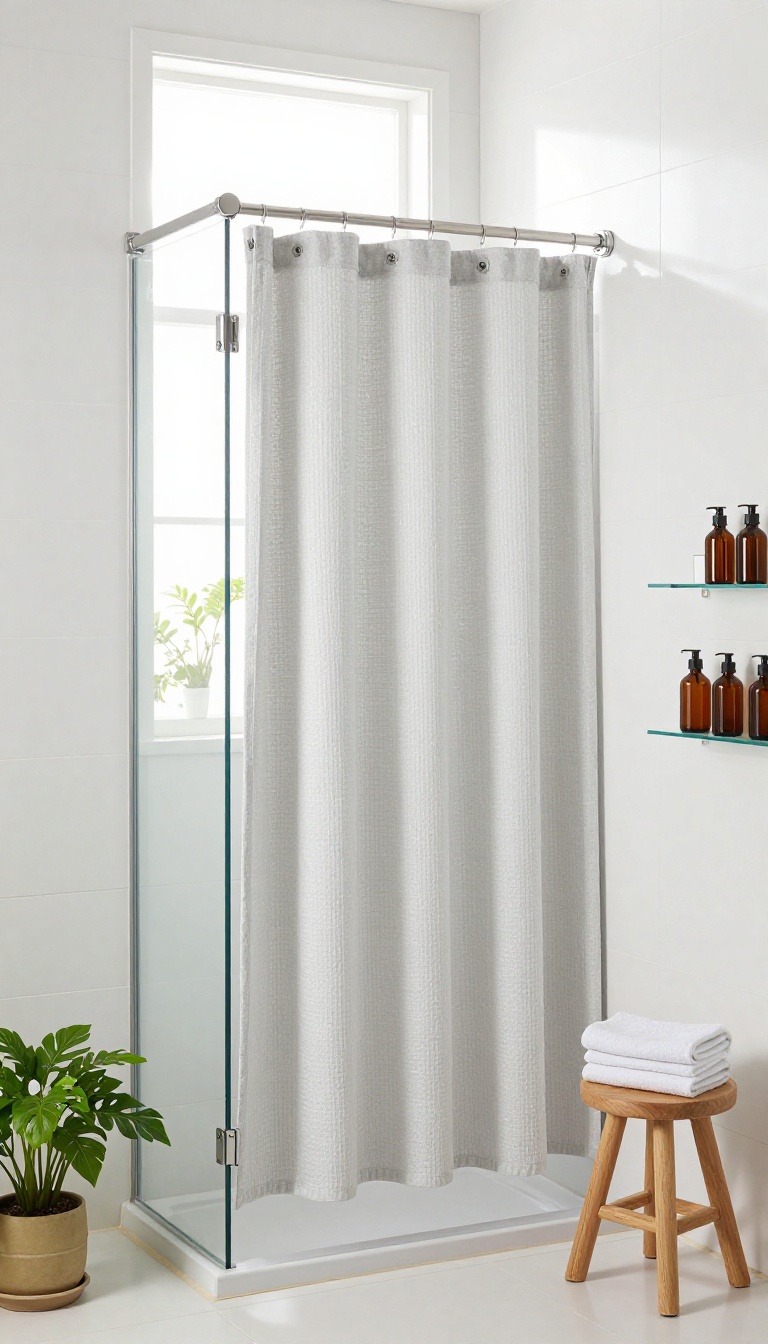
Plastic liners do the job, but they can feel cold and crinkle with every move. Swapping in a fabric liner changes that entirely—it adds a soft, quiet layer that feels more like a curtain than a barrier. Plus, fabric liners come in colors and patterns, so you can double down on your style or introduce a subtle contrast.
A fabric liner is a simple upgrade that pays off in both feel and function. It hangs behind your main curtain, catching water while adding an extra layer of texture and warmth. Many are machine-washable, which makes upkeep easier than you'd think.
Why Fabric Beats Plastic
Plastic liners often cling to your legs and make noise, which can be annoying in a walk-in shower. Fabric liners drape more naturally and feel softer against your skin. They also resist mold and mildew better when you choose a quick-dry fabric like polyester or a treated cotton blend.
Matching Or Mixing?
You can match your liner to your curtain for a seamless, put-together look, or pick a complementary color to add depth. A white liner keeps things clean and bright, while a light gray or beige adds warmth without competing with your main curtain. For a bolder touch, choose a liner with a subtle texture or pattern that peeks out when the curtain moves.
Care And Maintenance
Most fabric liners are machine-washable, so you can toss them in with your towels on a gentle cycle. Hang them back up to air dry—no dryer needed. To keep them fresh, wash every few weeks, especially if your bathroom gets humid.
Look for liners with rustproof grommets or hooks to avoid staining.
9. Hang It High: Extend the Rod to the Ceiling for Drama
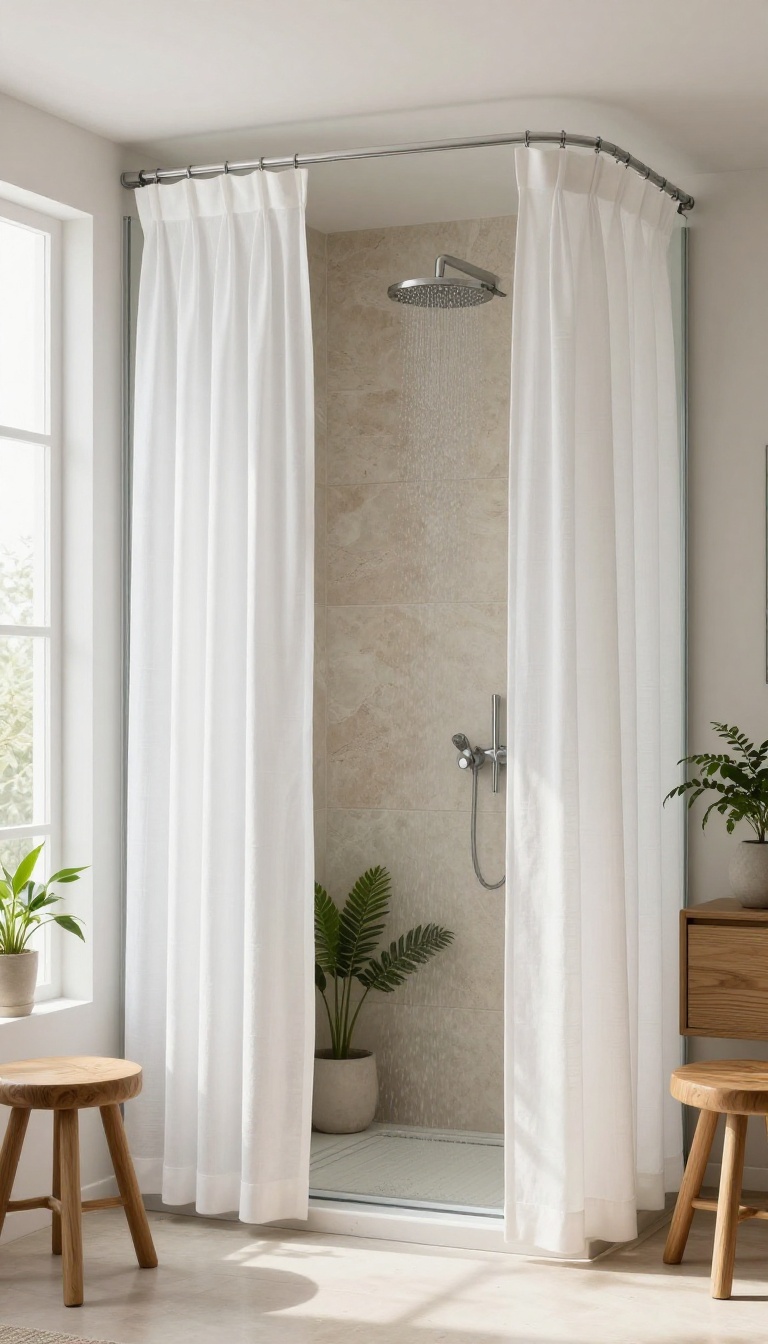
Most shower curtains hang at a standard height, but raising the rod closer to the ceiling changes the entire perception of the space. The eye follows the vertical line upward, making the ceiling feel higher and the shower more expansive. It's a simple trick that adds a touch of luxury without a major renovation.
To pull off this look, you'll need a curtain that's longer than the standard 72 inches. Look for curtains in lengths like 84 or 96 inches, or consider a custom option if your ceiling is particularly high. When hanging, position the rod about 4 to 6 inches below the ceiling, or even flush with it if you have crown molding.
This creates a seamless, floor-to-ceiling effect that feels intentional and polished.
Choosing The Right Curtain Length
Measure from the rod to the floor, accounting for the curtain's hem and any liner. If you want the curtain to just graze the floor, subtract about half an inch from that measurement. For a more relaxed, puddled look, add a couple of inches.
Many retailers offer extra-long curtains in neutral fabrics like linen or cotton, which drape beautifully and enhance the airy feel.
Installation Tips For A Secure Fit
Mounting a rod higher means it may need extra support, especially if you're using a heavy fabric. Use sturdy brackets that can handle the weight, and anchor them into wall studs if possible. If your shower area has a ceiling mount option, that can be even more stable.
Also, consider a curved rod to maximize elbow room inside the shower while maintaining the elevated look.
Styling The Space Around It
With the curtain drawing the eye upward, keep the rest of the bathroom visually balanced. Use vertical elements like tall plants, a ladder shelf, or vertically stacked towels to echo the line. Choose a curtain with subtle vertical stripes or a simple texture to reinforce the height.
Avoid heavy patterns that might make the space feel busy or shorten the visual line.
10. Mix and Match: Combine Different Textures or Colors
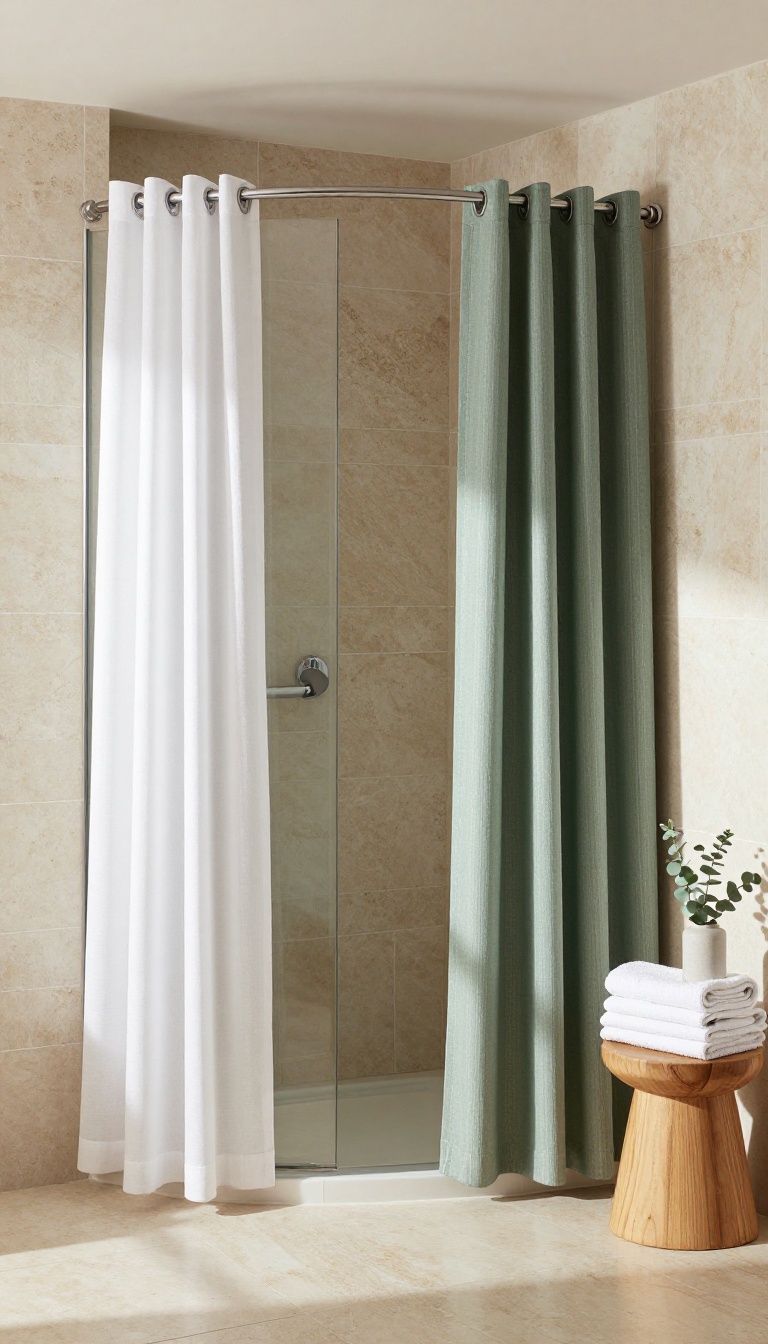
Who says you have to settle for one curtain? Mixing two different textiles—like a crisp white linen paired with a muted stripe, or a sheer voile layered over a heavier waffle weave—adds depth and personality to your walk-in shower. It’s an easy trick that makes the space feel custom-designed, even if you’re working with budget-friendly finds.
Combining curtains isn’t just about doubling up on fabric; it’s about creating visual interest and controlling light and privacy in a way that a single curtain can’t. The key is to choose pieces that share a common color palette or vibe, so the mix feels intentional rather than chaotic. Start with a neutral base, then add a contrasting pattern or texture to bring the look together.
Pair A Solid With A Stripe
A classic combination that always works: a solid curtain in a calm tone (like sage green or warm gray) paired with a vertical stripe in a complementary shade. The stripe adds a subtle geometric element without overwhelming the space. Hang them on a double rod or use clip rings to layer them on a single rod—just make sure the top hems align for a clean finish.
Layer Sheer Over Opaque
For a soft, spa-like feel, hang a sheer white curtain in front of a more opaque one in a textured fabric like cotton or bamboo. The sheer diffuses light and adds an airy layer, while the opaque curtain provides privacy and water resistance. This works especially well in walk-in showers with large windows or glass panels, where you want to let in light without feeling exposed.
Mix Textures For Depth
Don’t be afraid to pair a smooth, silky curtain with a nubby linen or a ribbed cotton. The contrast in textures adds a tactile richness that flat, single-fabric curtains lack. Choose textures that complement each other—like a matte canvas with a subtle waffle weave—and keep colors within the same family to maintain a cohesive look.
FAQ
What is the best fabric for a walk-in shower curtain?
Polyester and polyester blends are durable, water-resistant, and easy to clean. Linen and cotton offer a natural look but require a liner to prevent mold and mildew.
Do I need a shower liner if I have a walk-in shower?
Yes, a liner is recommended to protect your curtain from water damage and to keep the shower area hygienic. Choose a fabric liner for a softer feel or a PEVA liner for easy maintenance.
How long should a walk-in shower curtain be?
Standard curtains are 72 inches, but for a walk-in shower, you might prefer a longer curtain (84 or 96 inches) to create a more dramatic, floor-length look. Measure your shower height to decide.
Can I use a regular shower curtain rod for a walk-in shower?
Yes, but consider a curved or ceiling-mounted rod to maximize space and prevent water from splashing out. Ensure the rod is securely installed to support the curtain's weight.
How do I keep a walk-in shower curtain from blowing inward?
Use a heavier fabric, add magnets to the bottom hem, or install a curved rod to keep the curtain away from your body. You can also use a tension rod at the bottom to hold it in place.
Conclusion
Choosing the right curtain for your walk-in shower is about balancing style and function. Whether you prefer the airy feel of sheers or the grounded look of earthy linens, the options are plenty.
Remember to consider the practical aspects like water resistance and ease of cleaning, but don't forget the visual impact—a well-chosen curtain can transform your bathroom into a serene retreat. Take your time, explore these ideas, and find the one that speaks to your personal style.