11 Design-Forward Walk-In Shower Ideas with a Bench
A bench inside a walk-in shower isn’t just a place to sit—it’s a game-changer for comfort, safety, and style. Whether you’re shaving your legs, scrubbing tired feet, or simply wanting a spot to pause under the steam, a well-placed bench turns a functional space into a daily retreat.
The trick is picking a design that fits your layout and taste without swallowing the room.
From sleek floating teak to built-in tile with hidden storage, these 11 ideas cover the practical details that make a shower bench work hard and look effortless.
1. Floating Teak Bench for a Spa-Like Vibe
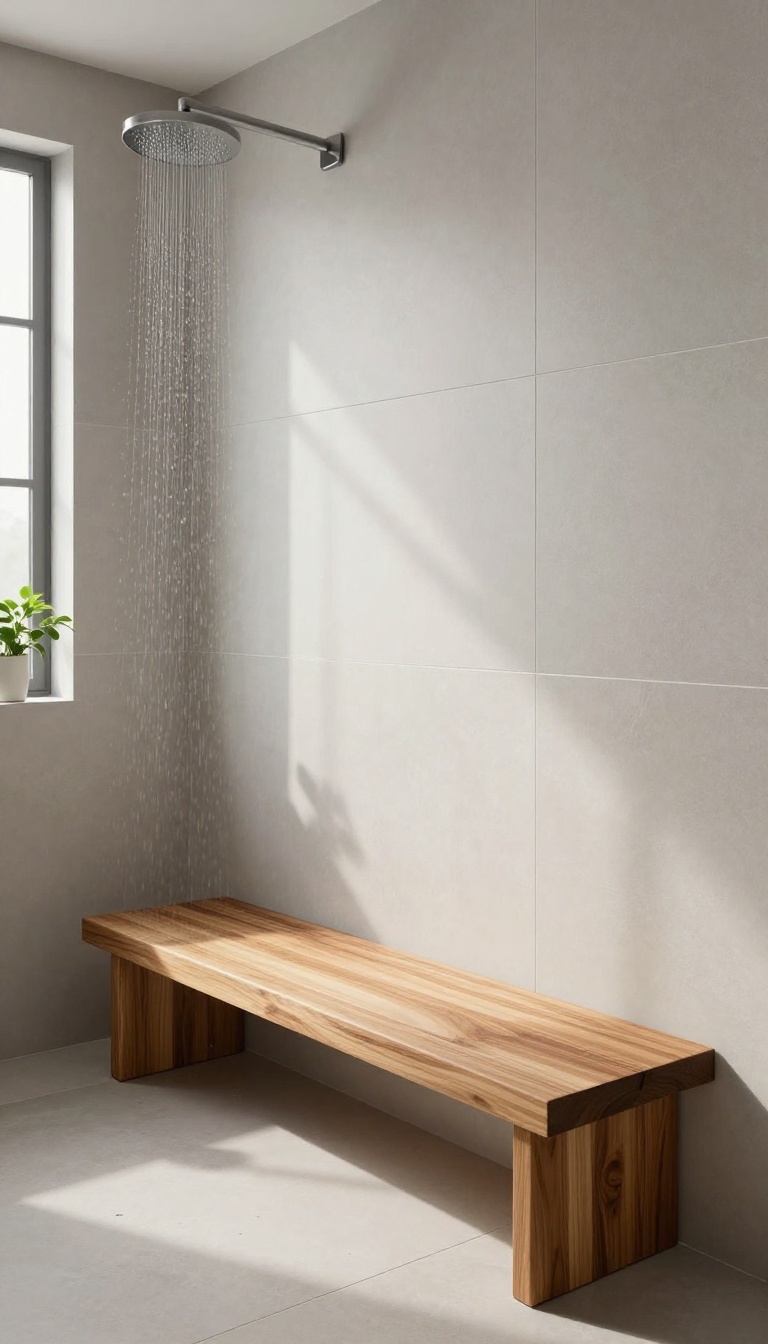
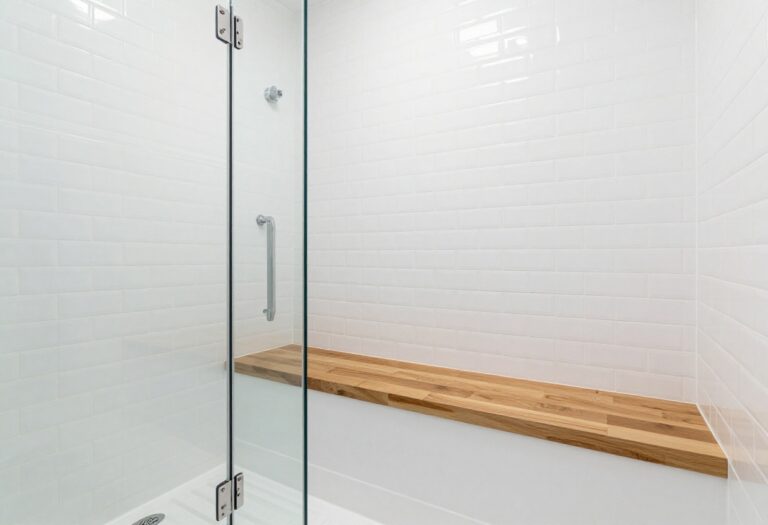
Teak has a way of making any space feel instantly more grounded and organic. A floating bench takes that warmth and lifts it off the floor, which not only looks sleek but also makes cleaning underneath a breeze. The natural oils in teak resist water and mildew, so it holds up beautifully in a steamy shower.
A floating teak bench is a smart pick if you want that high-end spa look without the permanence of a built-in seat. It's also a great DIY-friendly option if you're handy with a drill and a level. The key is to mount it securely into wall studs, and to choose a teak finish that's meant for wet areas.
Why Teak Works So Well
Teak is naturally water-resistant thanks to its high oil content. That means it won't warp or crack as easily as other woods when exposed to constant moisture. It also has a warm, honey-brown tone that contrasts beautifully with cool tile or stone, adding a touch of nature to your shower.
Mounting And Installation Tips
For a floating bench, you'll need heavy-duty brackets that can support weight. Make sure to locate the wall studs and use stainless steel screws to prevent rust. If you're not comfortable with the installation, a professional can do it quickly.
The result is a clean, minimalist look that feels like it's part of the architecture.
Caring For Your Teak Bench
Teak is low-maintenance, but a little care goes a long way. Rinse it after each use and give it a gentle scrub with a soft brush every few weeks to prevent soap scum buildup. You can also apply a teak sealer once a year to keep the color rich and the wood protected.
2. Corner Bench to Maximize Small Spaces
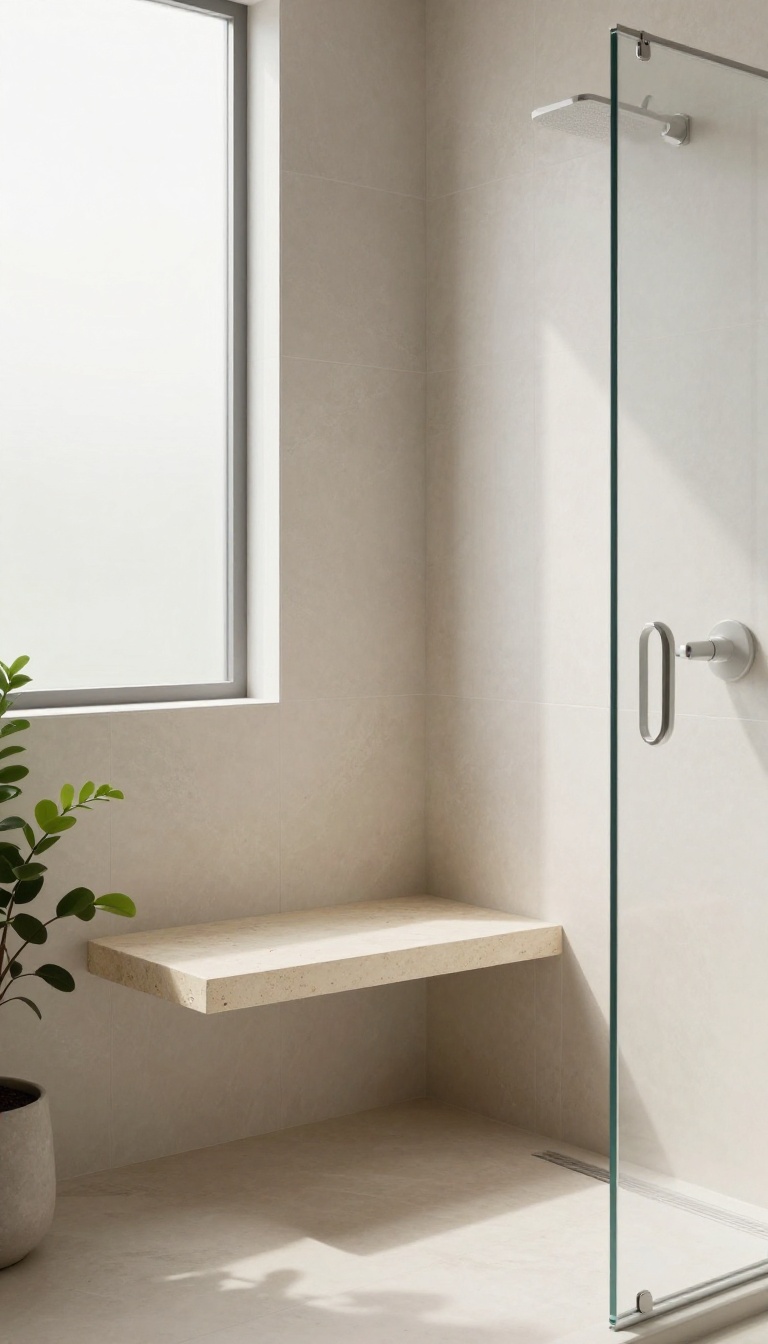
When square footage is tight, every inch counts. A corner bench slips neatly into the angle where two walls meet, freeing up the central floor area for movement. This smart layout keeps your shower feeling open while still giving you a comfortable perch.
Why A Corner Bench Works
The corner is often wasted space in a shower. By placing the bench there, you use an area that would otherwise be empty. This leaves more room for standing, turning, and reaching for soap.
It also creates a natural visual anchor, making the shower feel intentional and well-designed.
Design Ideas For Corner Benches
You can go with a simple triangular bench that fits flush into the corner, or choose a curved design that softens the lines. A floating corner bench adds a modern touch and makes cleaning easier. For a seamless look, build the bench from the same tile as the walls, or use a contrasting material like natural stone for a focal point.
Material And Safety Considerations
Since the bench is tucked into a corner, consider materials that are slip-resistant and easy to maintain. Textured tile, teak, or stone with a honed finish are great choices. Ensure the bench has a slight slope for water drainage and is installed with proper waterproofing to prevent moisture damage.
3. Built-In Tile Bench with Storage Niche
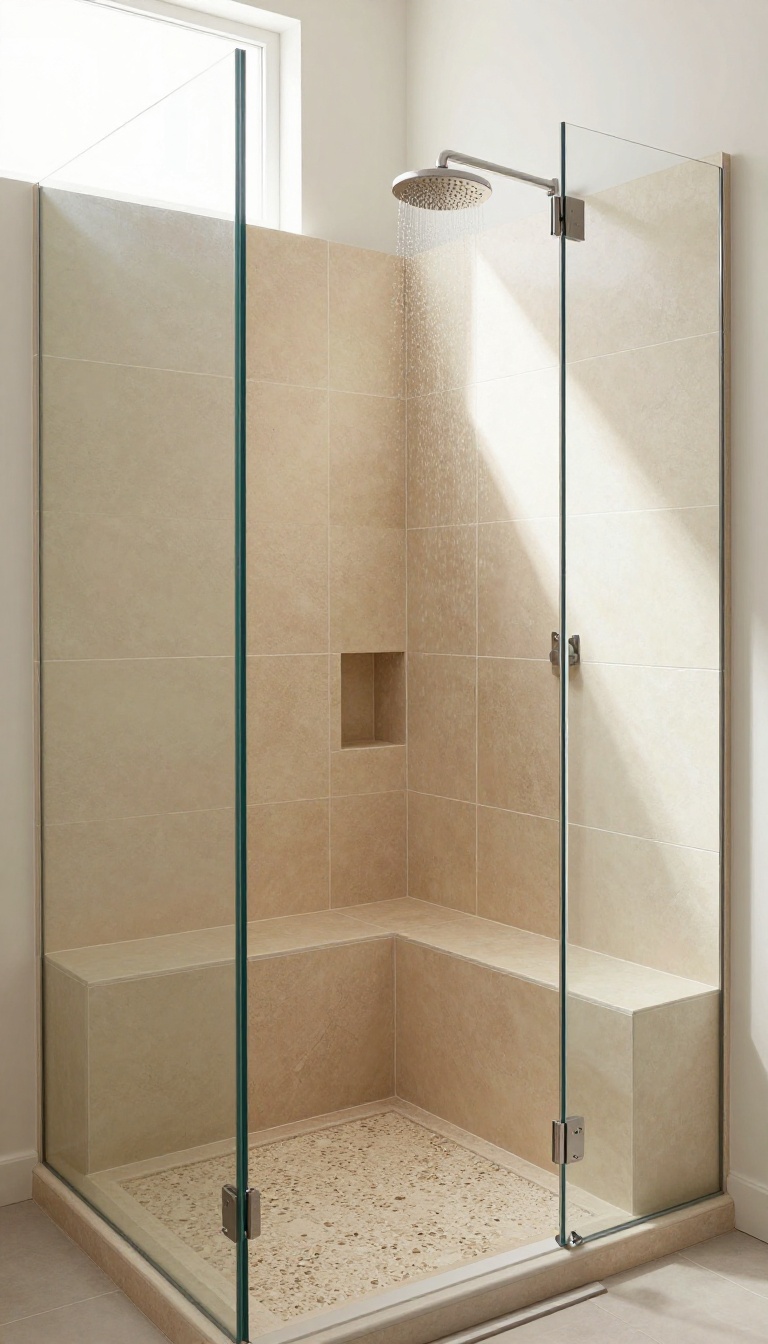
If you’re planning a custom shower, a built-in tile bench can be designed to double as a storage powerhouse. By carving out a niche right into the bench’s side or back, you get a seamless spot for shampoo, soap, and razors—no bulky caddies or corner shelves needed. The result is a clean, integrated look that feels both luxurious and practical.
A built-in tile bench with an integrated niche offers seamless storage for shampoo and soap. It's a custom look that keeps everything within reach and looks sleek.
Why A Niche Works
A niche recessed into the bench keeps your essentials off the floor and out of the way. It’s easier to clean than a wire caddy, and you can match the tile exactly for a seamless finish. Plus, having everything at arm’s length while you’re sitting down is a small luxury that makes your morning routine feel smoother.
Designing The Niche
Think about what you’ll store: tall bottles, small soaps, maybe a razor. Plan the niche’s height and depth accordingly. A standard niche is about 6 inches deep, but you can adjust it to fit your products.
Place it on the side of the bench that’s easiest to reach when you’re seated, and consider adding a slight slope to the bottom so water doesn’t pool.
Tile And Grout Tips
Choose a tile that’s slip-resistant for the bench surface, like textured porcelain or natural stone. For the niche, you can use the same tile or a contrasting accent to make it pop. Keep grout lines tight and use a high-quality sealer, especially in wet areas, to prevent moisture damage and mold.
4. Marble Bench for a Touch of Luxury
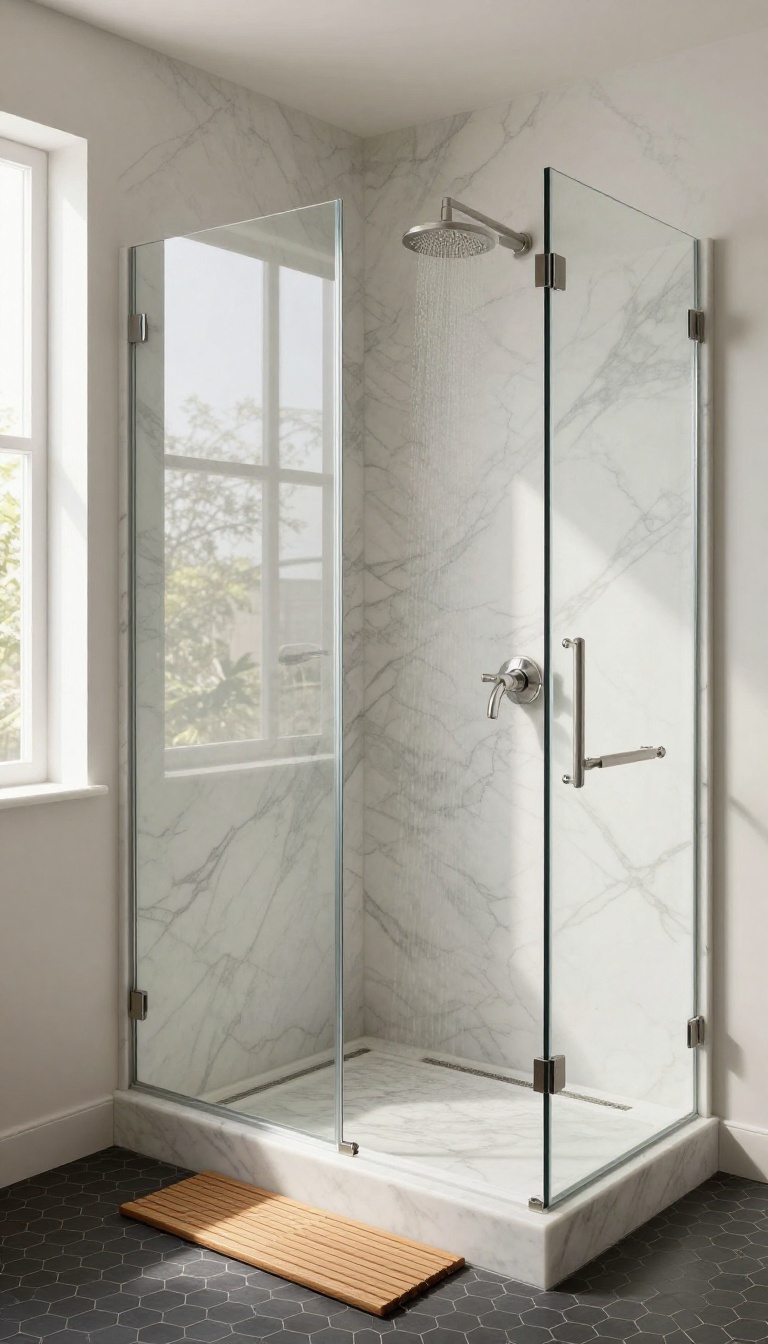
Marble has a way of making a shower feel like a five-star spa. Its natural veining and cool surface add instant elegance, and it pairs beautifully with both modern and classic fixtures. But beyond the looks, marble is surprisingly practical—it stays cool in warm water and wipes down in seconds.
A marble bench brings a sense of permanence and polish that few materials can match. It’s a choice that signals attention to detail, and it works especially well in larger walk-in showers where you can let the stone shine. If you’re worried about maintenance, don’t be—sealed marble is easy to care for, and the natural variation in color hides water spots better than you’d think.
Why Marble Works In A Shower
Marble is naturally cool to the touch, which feels refreshing on a hot day or after a workout. It’s also non-porous when sealed, so soap scum and hard water stains don’t cling as easily as they do to grout or unsealed stone. Plus, each slab is unique, giving your shower a one-of-a-kind focal point.
Design Ideas For A Marble Bench
For a seamless look, extend the same marble from the shower walls onto the bench. If you prefer contrast, pair a white Carrara bench with dark hexagon floor tiles. You can also add a slim teak mat on top for warmth and texture—just lift it out when you need to clean.
Caring For Your Marble Bench
Seal the marble when you install it and reseal every year or so. Use a pH-neutral cleaner and avoid abrasive scrubbers. Wipe up spills quickly, especially anything acidic like citrus or vinegar.
With a little attention, your marble bench will stay gorgeous for decades.
5. Fold-Down Bench for Flexible Use
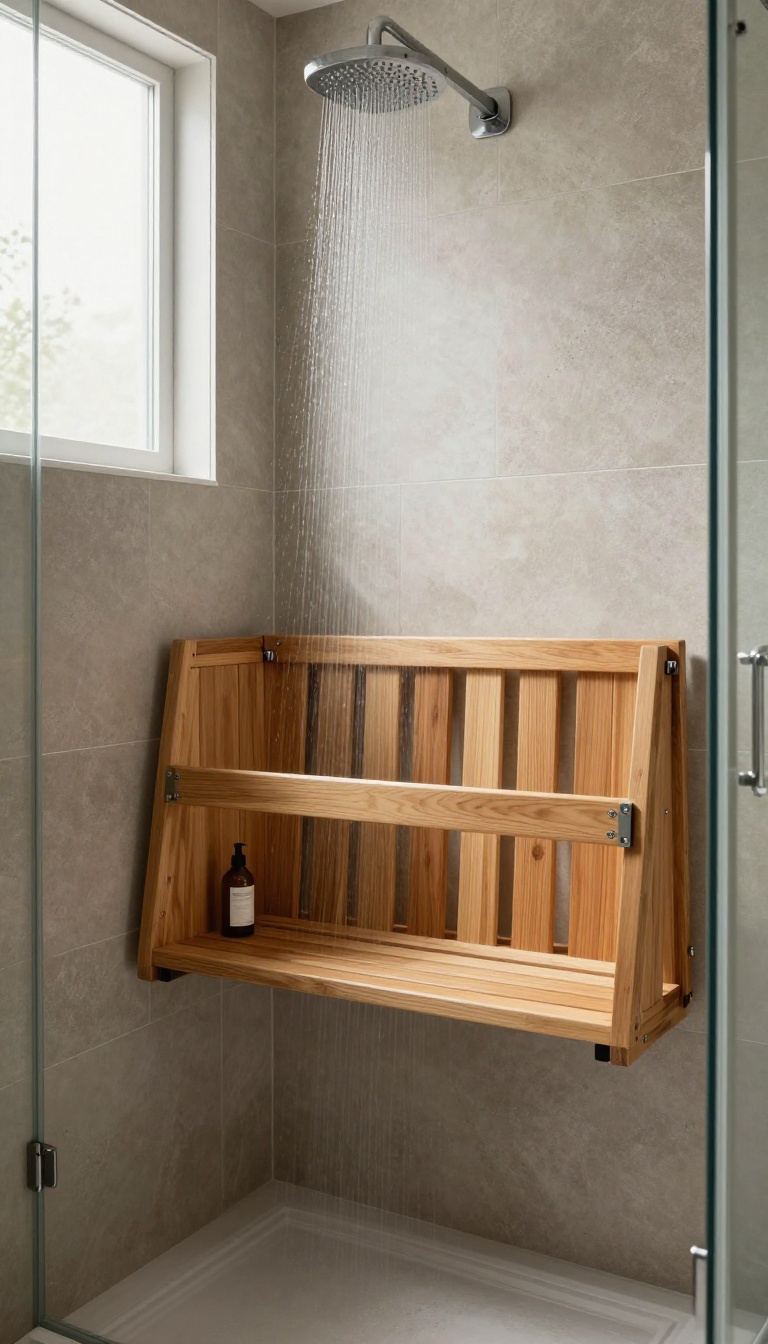
Not every shower needs a permanent bench, and that’s where a fold-down option shines. It tucks neatly against the wall when you want extra room, then flips down for a quick seat whenever you need it. This is a smart pick for smaller bathrooms or for anyone who wants the convenience of seating without the visual weight.
A fold-down bench gives you the best of both worlds: the support of a bench when you need it, and open floor space when you don’t. It’s especially handy in a walk-in shower where you might want to move around freely most of the time but appreciate a spot to sit for tasks like shaving or washing your feet. The key is choosing a model that feels sturdy and looks intentional, not like an afterthought.
Space-saving Design
Fold-down benches are a classic solution for compact bathrooms. When folded up, they take up just a few inches of wall depth, leaving the shower feeling open and airy. This makes them a great fit for corner installations or narrow showers where a fixed bench would eat up valuable floor space.
Materials And Durability
Look for benches made from materials that can handle constant moisture. Solid teak is a popular choice because it resists water damage and looks warm and natural. You can also find models with aluminum or stainless steel frames and quick-dry plastic or composite seats.
Make sure the hinge mechanism is rust-resistant and rated for wet environments.
Installation Tips
Proper mounting is crucial for safety. Always attach the bench to wall studs or use heavy-duty anchors designed for tile or stone. Consider the height that works best for you—around 17 to 19 inches is typical, but it depends on your leg length.
If you’re not comfortable with DIY, have a professional install it to ensure it can support your weight.
Accessibility And Comfort
A fold-down bench is an excellent choice for anyone with mobility concerns or who simply wants extra support. It’s also a smart option for aging in place, as it offers a stable seat that can be folded away when not needed. Add a non-slip surface on the seat for extra safety, and position grab bars nearby if necessary.
6. Curbless Shower with a Low Bench
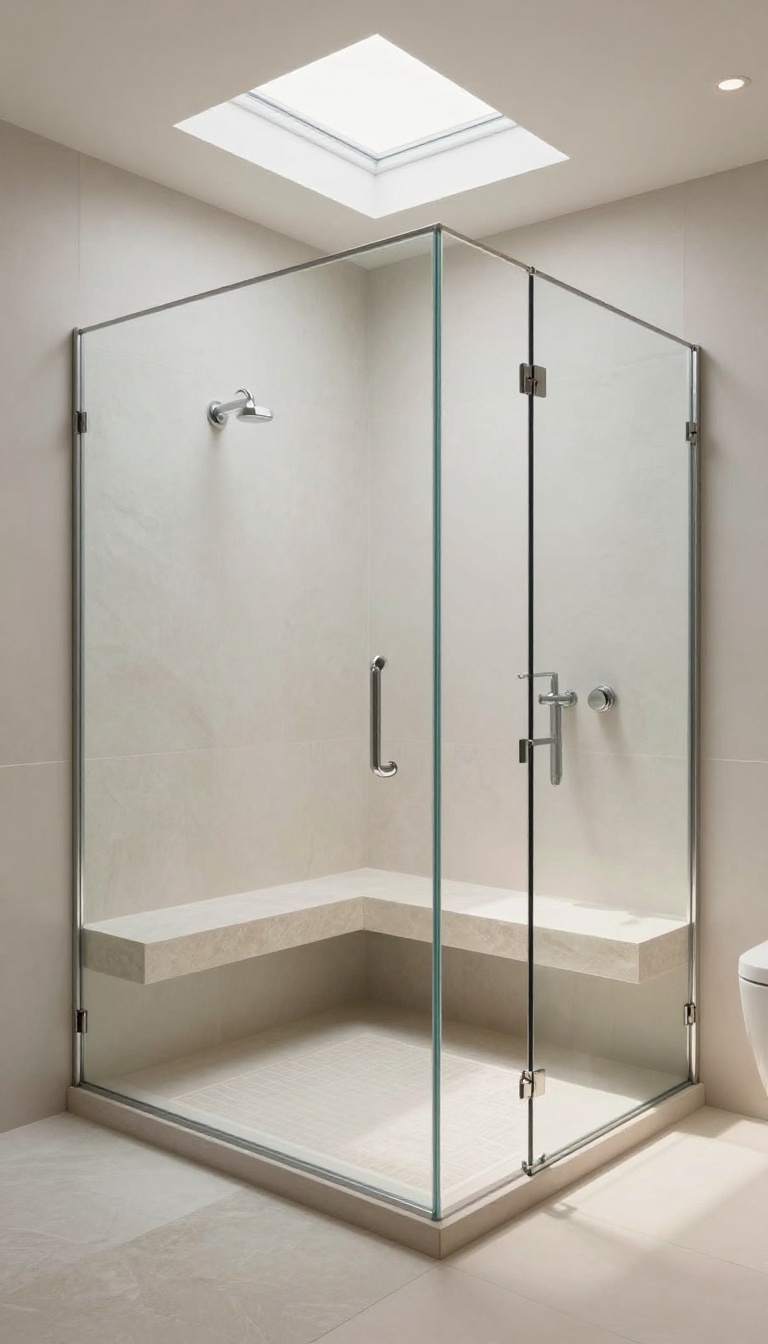
A curbless shower already feels more open and modern, but add a low bench and you’ve got a design that’s both practical and welcoming. The absence of a step makes entry effortless, while the bench offers a natural spot to sit or set things down. It’s a combination that works especially well in bathrooms where accessibility and style go hand in hand.
The low bench doesn’t interrupt the clean, seamless look of a curbless shower. Instead, it becomes a subtle extension of the floor, often built from the same tile or stone for a continuous visual line. This design choice keeps the space feeling uncluttered while providing a handy perch for shaving legs, washing feet, or just taking a moment to relax under the warm water.
Why It Works
A curbless shower removes the physical barrier that can trip you up or make entry difficult. The low bench maintains that barrier-free feel while adding function. It’s perfect for aging in place, for families with young kids, or for anyone who appreciates a more inclusive design.
The bench can also double as a ledge for shampoo bottles or a place to rest a foot while you scrub.
Design Tips
Keep the bench height around 17 to 19 inches to match standard chair height, making it comfortable to sit on. Choose materials that match your shower floor or use a contrasting accent for visual interest. If you’re worried about water pooling, slope the bench slightly toward the drain.
And don’t forget to add a grab bar if you’re planning for accessibility—it’s a small addition that makes a big difference.
Maintenance And Safety
Because the bench is low and integrated into the shower, it’s easy to clean—just wipe it down along with the rest of the tile. Make sure the surface has a non-slip texture or use a mat to prevent slips. The curbless design also means fewer corners and crevices where grime can hide, so upkeep stays simple.
7. Wood Slat Bench for a Modern Rustic Look
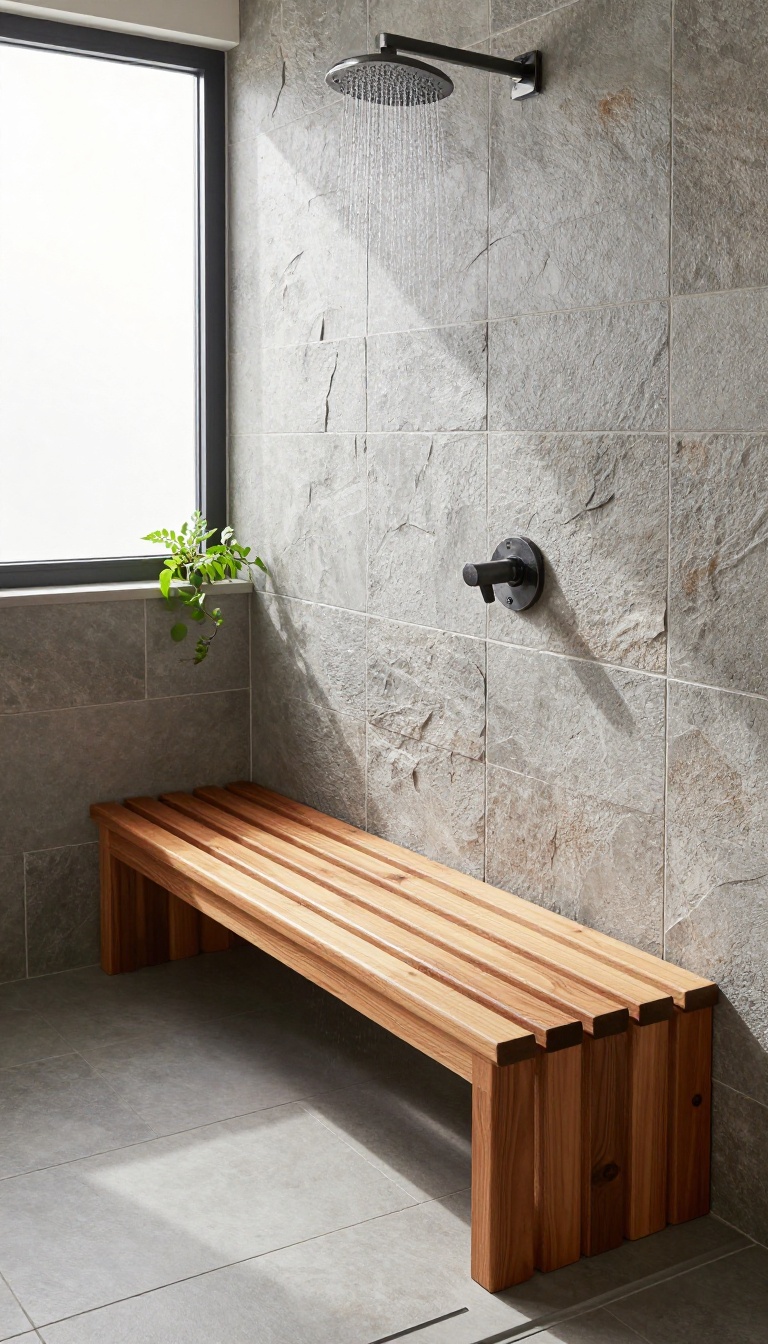
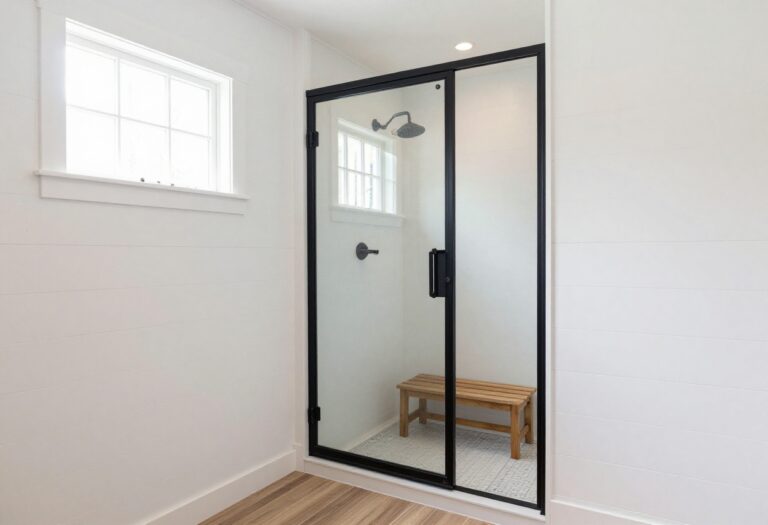
A wood slat bench brings warmth and texture that tile alone can’t match. The gaps between the slats let water slip through, so you’re not left sitting in a puddle after every shower. It’s a simple swap that instantly gives your bathroom a modern rustic feel, blending natural charm with practical function.
Wood slat benches are a favorite for good reason. They add an organic element that softens the hard surfaces of a shower, and the open design keeps things airy and quick-drying. Plus, you can choose from teak, cedar, or even thermally modified ash, each bringing its own grain and color to the space.
Why Wood Slats Work So Well
The spaced slats create natural drainage, so water doesn’t pool on the seat. That means less wiping down and a cleaner surface overall. Wood also stays cooler than tile in warm showers, making it comfortable to sit on even after the steam builds up.
Picking The Right Wood
Teak is the gold standard for bathrooms because it handles moisture beautifully and resists mildew. Cedar is lighter and smells great, but it’s softer and may need more care. For a budget-friendly option, look for eucalyptus or bamboo that’s been treated for wet areas.
Installation And Maintenance Tips
You can install a wood slat bench as a freestanding piece or build it into the shower frame. If you go freestanding, make sure it has rubber feet to keep it stable and allow airflow underneath. To keep the wood looking its best, rinse it after each use and give it a light sanding every few months to refresh the surface.
8. L-Shaped Bench for Extra Seating and Storage
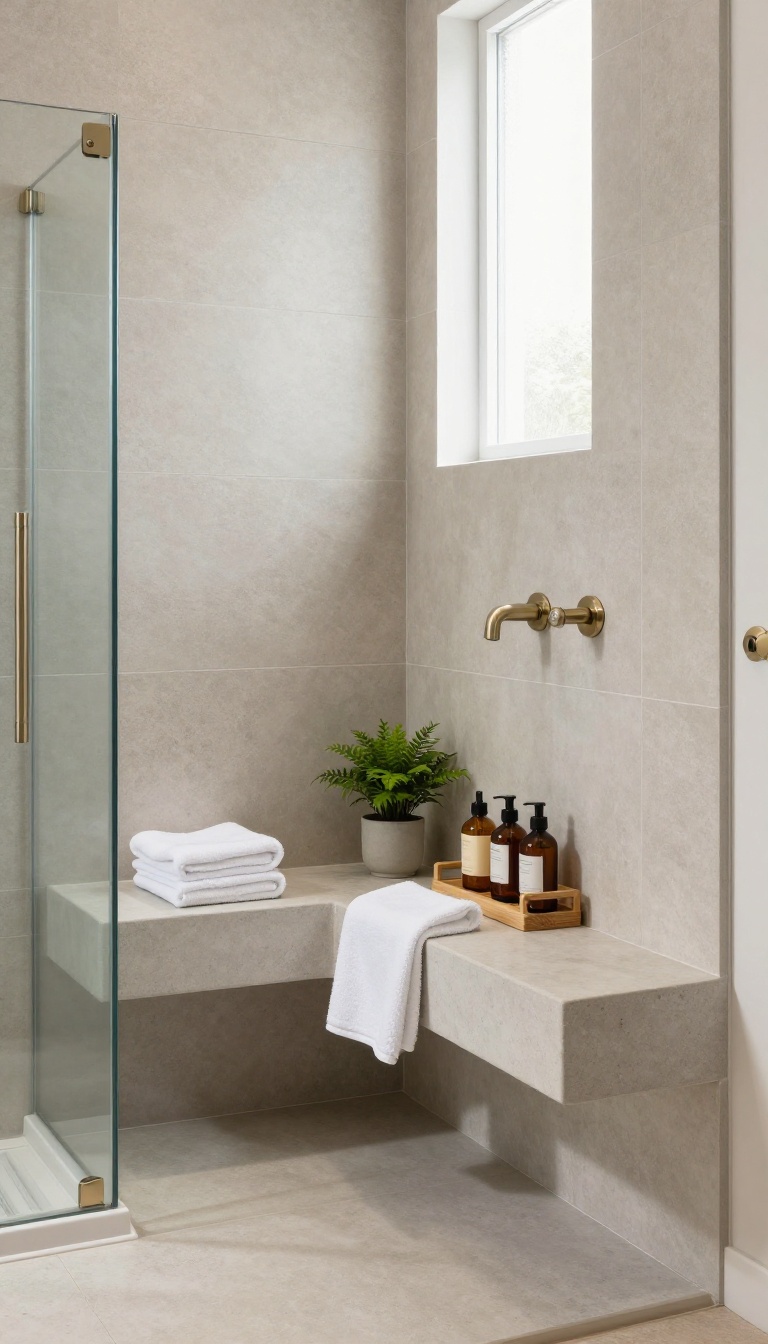
An L-shaped bench wraps around the corner, giving you two sides of seating and a handy ledge for toiletries. It’s a clever way to use otherwise dead space in a corner, and it adds a sculptural element that plain straight benches can’t match. This design works especially well in larger walk-in showers where you have room to spare.
The extended surface gives you a spot to rest a foot while shaving or to keep shampoos and soaps within easy reach, all without cluttering the floor.
The L-shape isn’t just about looks—it’s about making the most of every inch. By wrapping around a corner, you get more usable seating than a standard bench, and the extra leg can double as a shelf or a place to set a caddy. It’s a practical upgrade that feels custom, even if you’re working with a standard shower footprint.
When planning an L-shaped bench, think about how you’ll actually use it. If you like to sit facing the spray, position the longer leg along the back wall. If you want a spot to prop a foot while shaving, make sure the shorter leg is at a comfortable height.
The beauty is that you can tailor the proportions to your routine.
Why Choose An L-shaped Bench?
The main advantage is extra surface area without taking up more floor space. A straight bench gives you one line of seating, but an L-shape gives you two. That means more room for a partner to sit, a place to rest a leg, or a spot to keep bath products within arm’s reach.
It also adds visual interest, breaking up the monotony of flat tile walls.
Design Tips For A Seamless Look
For a built-in version, match the bench material to your shower walls or floor for a cohesive feel. Use the same tile or a complementary stone to make the bench look like it was always part of the plan. If you prefer a lighter look, consider a floating L-shape with open space underneath—it feels airy and makes cleaning easier.
Add a subtle slope on the seat surface so water doesn’t pool, and make sure the edges are rounded for comfort.
Storage And Functionality Ideas
The underside of an L-shaped bench can hide drawers or pull-out bins for storing toiletries, towels, or even a hair dryer. You can also add a recessed niche in the wall above the bench for extra shelving. If you’re short on space, use the shorter leg as a shelf for a soap dish or a small plant, keeping the main seating area clear.
9. Bench with Under-Bench Lighting for Ambiance
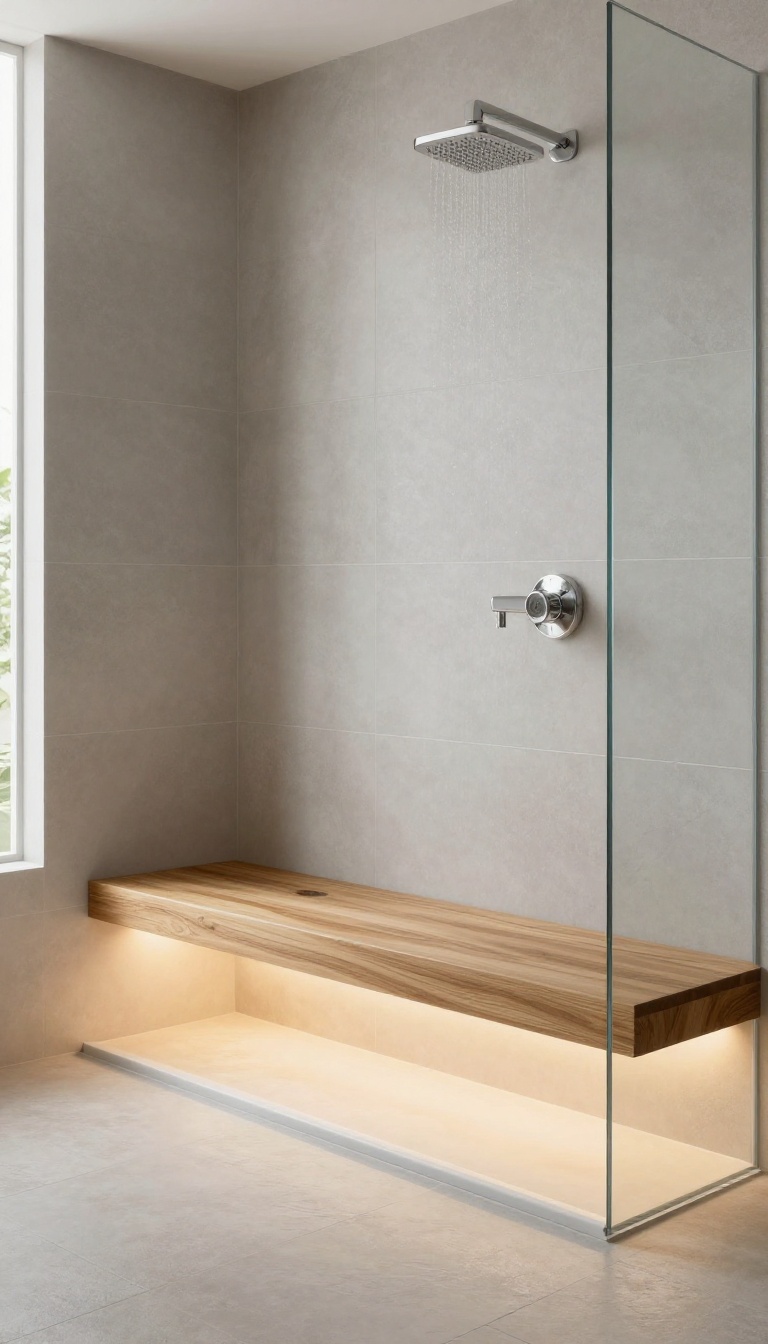
Lighting can change the entire mood of a bathroom, and the shower is no exception. When you tuck LED strips under the bench, you get a soft, floating glow that makes the space feel calm and spa-like. It’s not just about looks—this subtle light also helps you see where you’re stepping, especially during nighttime visits.
The magic of under-bench lighting lies in its simplicity. A thin LED strip mounted along the underside of the bench casts a gentle wash of light onto the floor, creating a sense of depth and warmth. You can choose warm white for a cozy feel or cool white for a crisp, modern look.
Many homeowners pair it with a dimmer switch to adjust the brightness based on their mood or time of day.
Why It Works
This lighting trick serves two purposes at once. First, it adds a layer of ambient light that makes the shower feel more inviting and less stark. Second, it acts as a subtle nightlight, so you don’t have to flip on the main overhead light every time you step in.
The result is a safer, more relaxing experience.
Installation Tips
You don’t need to be an electrician to add under-bench lighting. Many LED strips are adhesive-backed and plug into a standard outlet, making them a DIY-friendly upgrade. For a built-in look, run the wiring through the wall and connect it to a switch.
Just make sure the strips are rated for wet areas and use a low-voltage transformer for safety.
Design Variations
The placement of the lights can change the effect. A strip along the front edge of the bench creates a clear silhouette, while one at the back casts a softer, more diffuse glow. You can also use colored LEDs to add a fun, modern twist, though most people stick with neutral tones for a timeless appeal.
10. Contrasting Bench Color to Make a Statement
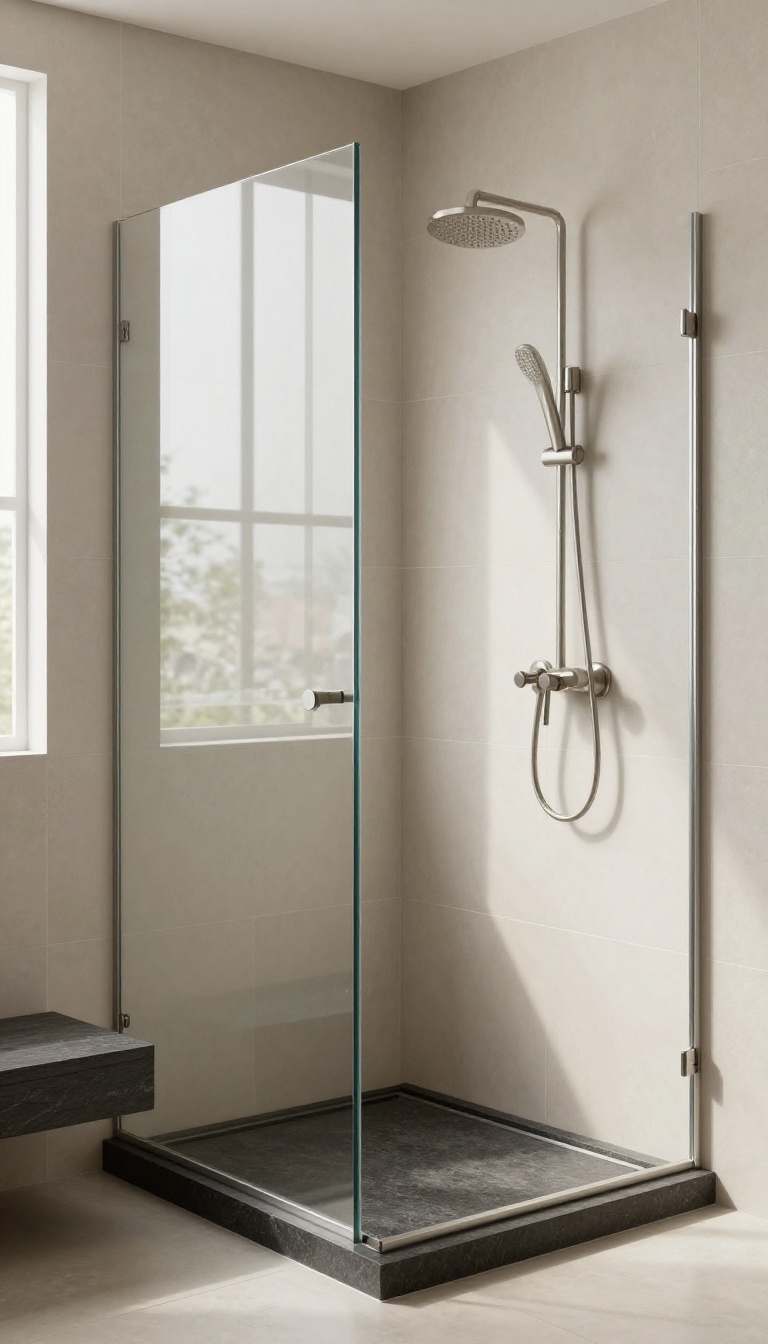
Sometimes the simplest way to elevate a shower is to let the bench do the talking. When you pick a bench in a contrasting color or material, it instantly becomes the focal point of the space. A dark stone bench against light tile, or a bold hue like deep green or navy, adds personality and visual interest without any extra decor.
A contrasting bench breaks up the monotony of a single-tile shower and gives the eye a place to rest. It’s a design trick that works in almost any style, from modern to traditional. The key is to choose a shade that complements your existing palette rather than clashing with it.
Choosing The Right Contrast
Think about the dominant colors in your shower. If your walls are light, go for a dark bench—like charcoal slate, espresso wood, or black quartz. If your tile is already dark, a lighter bench in white or light oak will pop.
For a bolder look, pick a color from your bathroom’s accent palette, such as a terracotta or emerald bench.
Material Matters
The material you choose affects both the look and the maintenance. Natural stone like travertine or slate offers a matte, earthy contrast. Teak wood brings warmth and a spa-like feel.
For a sleek, modern touch, consider a solid-surface bench in a contrasting hue—these are non-porous and easy to clean.
Making It Work In Small Spaces
If your shower is compact, a contrasting bench can still work without overwhelming the room. Opt for a slim, corner bench in a bold color, or a floating design that doesn’t take up floor space. The contrast will draw the eye and make the shower feel intentional, not cramped.
11. Bench with Built-In Shower Caddy
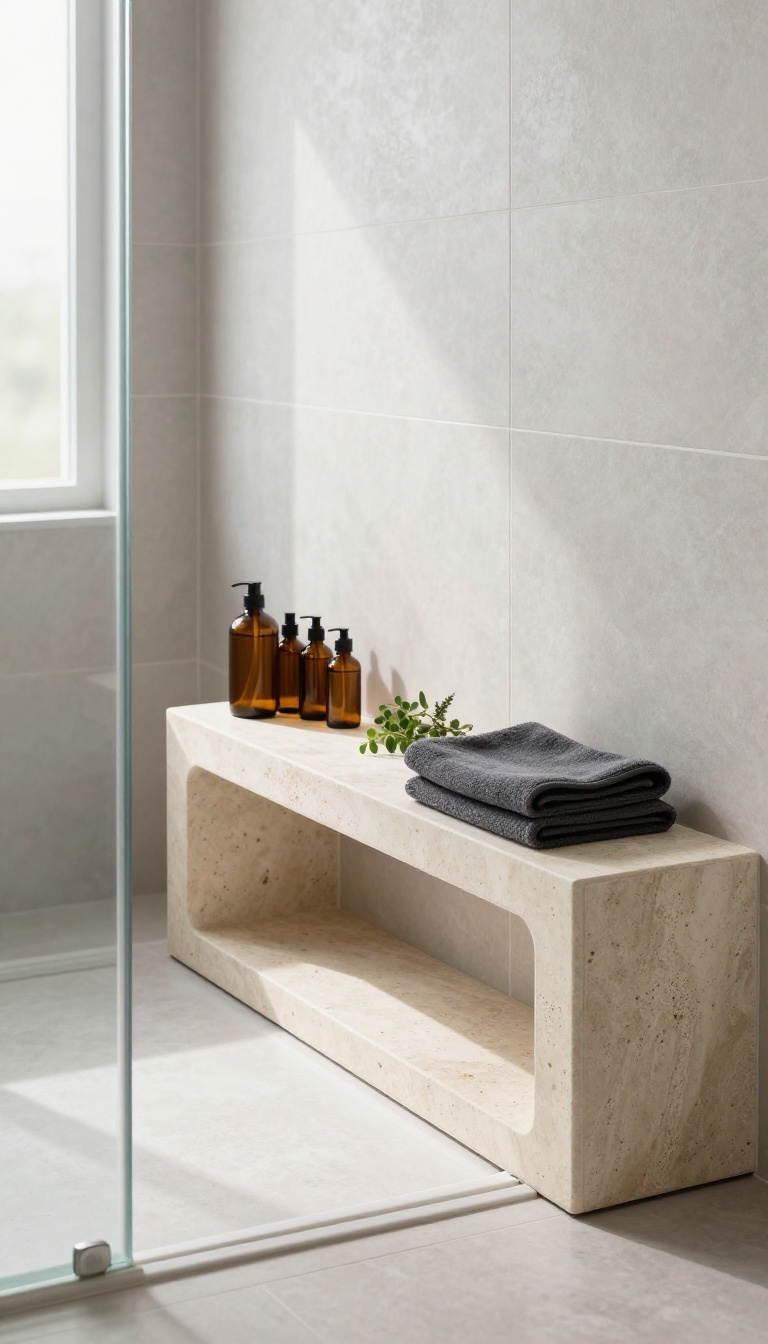
A bench that does double duty as a storage hub is a smart move for any walk-in shower. Instead of cluttering the floor with bottles and bars, you can keep everything neatly on a built-in shelf or caddy attached to the bench. It’s a simple upgrade that makes your daily routine smoother and keeps the shower looking tidy.
When you combine seating with storage, you save space and cut down on visual noise. A built-in caddy can be recessed into the bench side or added as a floating shelf above the seat. Either way, it puts your shampoo, soap, and loofah within easy reach—no stretching or bending required.
Plus, it frees up wall space that would otherwise be taken up by bulky corner caddies.
Recessed Shelves For A Seamless Look
Recessed shelves built into the bench’s side or back are a sleek, minimal choice. They blend into the tile and don’t stick out, so the shower feels open and uncluttered. You can have one long shelf or a few small niches, depending on how much you need to store.
This works especially well with large-format tile or stone, where you can cut clean openings.
Floating Shelf Above The Bench
If you prefer a more flexible option, add a floating shelf just above the bench. It gives you a place to set toiletries without taking up bench space. You can choose the material—teak, stone, or glass—to match your shower’s style.
A shelf also lets you display nice bottles or a small plant, adding a personal touch.
Choosing Materials That Last
For a built-in caddy, pick materials that can handle constant moisture. Tile, stone, and solid surface are durable and easy to clean. If you go with a metal or wood shelf, make sure it’s rated for wet areas—stainless steel and teak are reliable choices.
Avoid anything that might warp or rust over time.
FAQ
What is the best material for a shower bench?
The best material depends on your style and maintenance preferences. Teak and other hardwoods are naturally water-resistant and warm. Stone and tile are durable and easy to clean but can be cold.
Solid surface materials like quartz are non-porous and low-maintenance.
How much space do I need for a walk-in shower with a bench?
A minimum of 36 inches by 36 inches is recommended for a walk-in shower, but adding a bench requires more space. A corner bench can fit in a 48-inch by 36-inch shower, while a built-in bench along a wall may need at least 60 inches in length.
Can I add a bench to an existing walk-in shower?
Yes, you can add a free-standing or fold-down bench without major renovation. For a built-in bench, you'll need to modify the shower floor and wall, which may require professional help.
How do I clean and maintain a teak shower bench?
Teak benches should be rinsed after use and wiped dry to prevent soap scum. Occasionally, you can sand lightly and apply teak oil to maintain the finish. Avoid harsh chemicals that can strip the natural oils.
Are shower benches safe for elderly or disabled users?
Yes, benches can enhance safety by providing a place to sit. For maximum safety, choose a bench with a non-slip surface and consider installing grab bars nearby. A fold-down bench can be especially useful as it doesn't obstruct movement when not in use.
Conclusion
A bench in a walk-in shower is one of those details that turns a practical space into a daily comfort zone. Whether you need a spot to sit while shaving, a ledge for toiletries, or just a place to pause under the warm water, the right bench can make all the difference.
Start by thinking about how you actually use your shower, then pick a style that fits your routine and your room's vibe. With so many materials and layouts to choose from, you can easily find a look that feels both intentional and inviting.