10 Updated Shower Half Wall Ideas for a Calm, Cohesive Space
A half wall can completely shift the energy of your shower, making it feel more open, intentional, and calm. It’s not just about separating wet and dry zones—it’s about creating a visual anchor that ties the whole bathroom together.
From floating glass that keeps sightlines clear to textured tile that adds depth, the right half wall can turn an ordinary shower into a design feature.
These ten updated ideas focus on real materials and layouts that work in everyday homes, so you can find a style that fits your space and your routine.
1. Floating Glass Half Wall
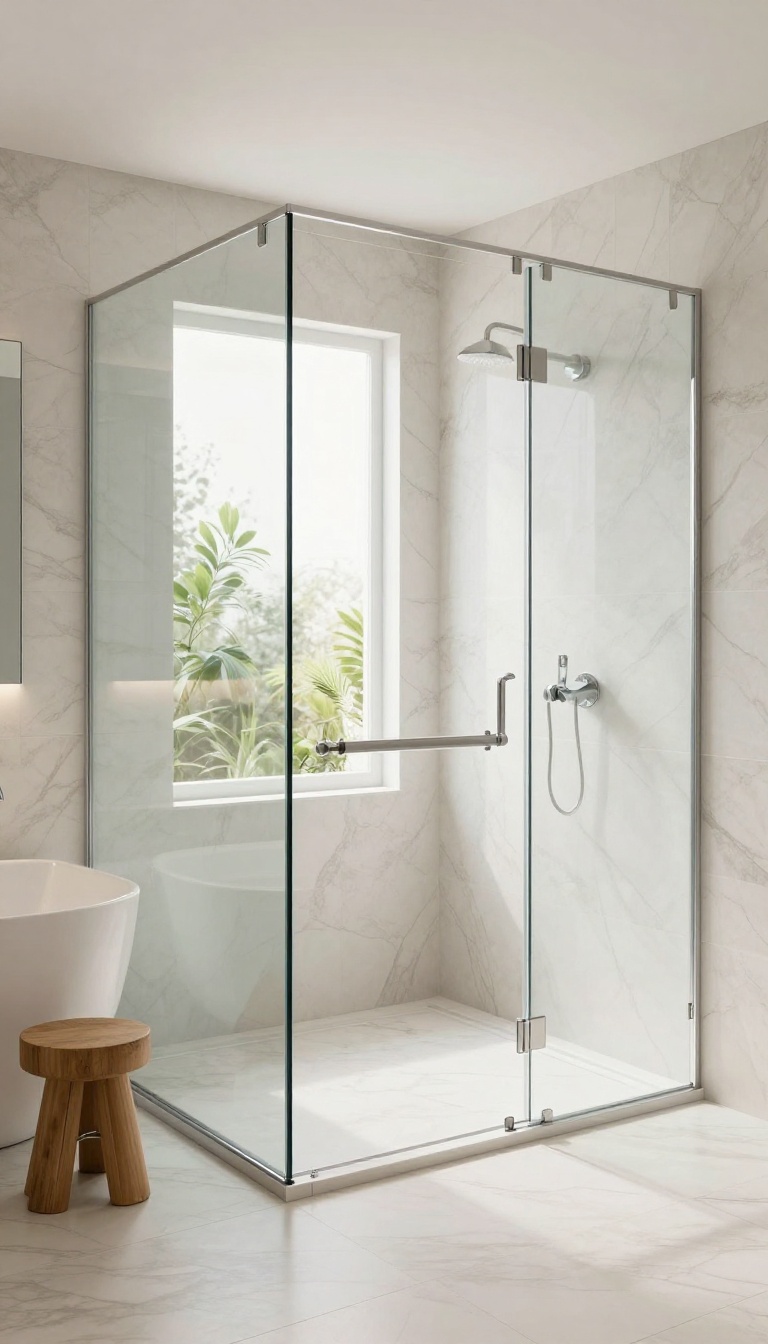
A floating glass half wall is all about illusion—it looks like it’s barely there, yet it does the heavy lifting of keeping water where it belongs. The frameless panel is mounted with sleek supports that leave a gap between the glass and the floor, which makes the whole setup feel airy and light. If you want a shower that feels open and modern without sacrificing function, this is a smart pick.
The beauty of a floating glass half wall is that it disappears visually, so your bathroom feels bigger and less boxed in. Because the glass is clear and frameless, it doesn’t block light or sightlines, which is perfect for smaller spaces or bathrooms with a nice tile pattern you don’t want to hide. Plus, the gap at the bottom makes cleaning a breeze—no track to scrub, just a smooth surface that wipes down easily.
Why It Works
The floating design creates a seamless transition between the shower and the rest of the bathroom. It’s a minimalist approach that still gives you the practical separation you need. The glass panel is tempered for safety, and the hardware is usually stainless steel or brushed nickel, so it holds up well in a wet environment.
Installation Notes
You’ll need a sturdy support system, typically a floor-mounted bracket or a wall-mounted clamp, to keep the glass stable. The gap at the bottom is usually around 1 to 2 inches, which is enough to prevent water from pooling while still containing splashes. Make sure to hire a professional for the glass cutting and installation, as the measurements need to be precise.
Style Pairings
This half wall looks fantastic with large-format tiles, especially in neutral tones like soft gray or beige. Pair it with a rainfall showerhead and a linear drain for a spa-like feel. If you want a bit of warmth, add a wooden bench or a teak mat inside the shower—the contrast of wood against glass is striking.
2. Textured Tile Half Wall
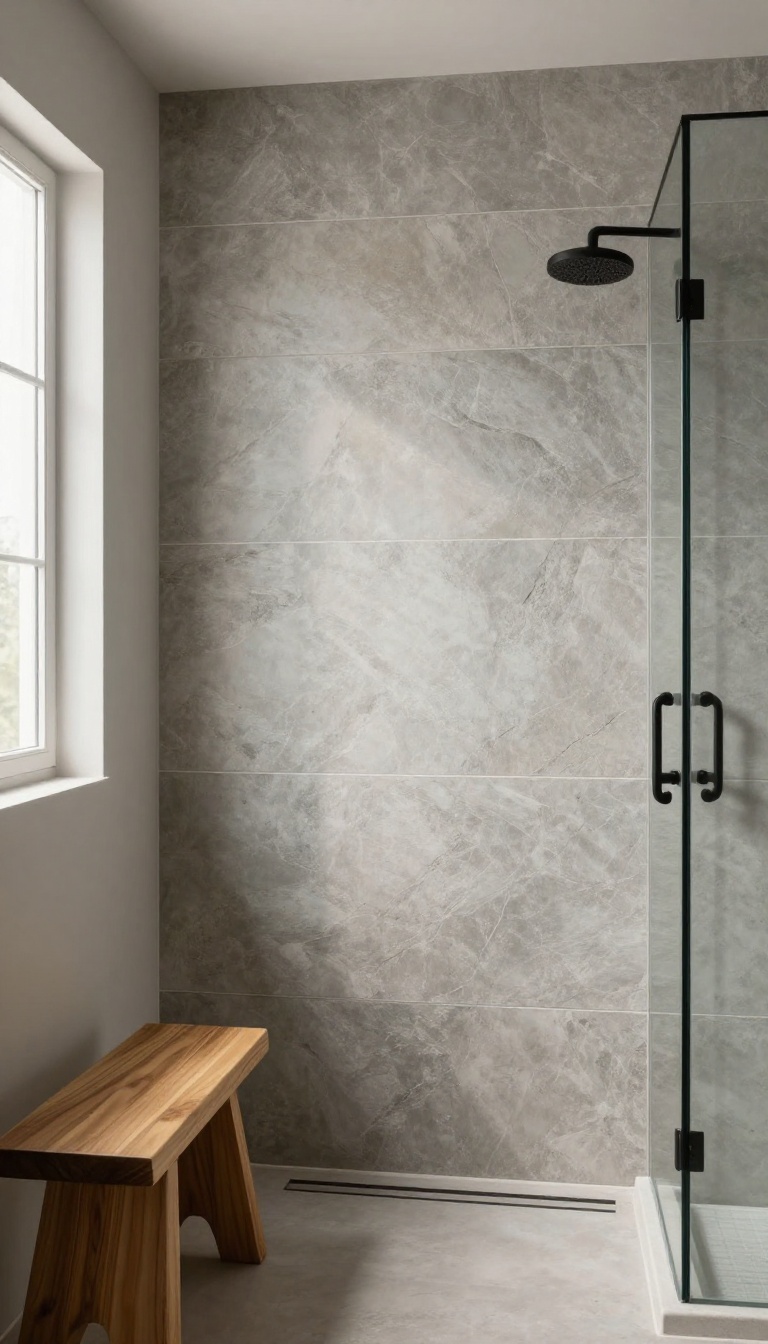
Texture is one of the fastest ways to make a shower feel less flat and more like a spa retreat. A half wall clad in large-format textured tile adds depth and visual interest without overwhelming the space. The tactile surface catches light in subtle ways, creating a calm, grounded anchor that draws the eye.
Choosing the right tile can make or break the look. Large-format tiles (12×24 inches or larger) reduce grout lines, which keeps the wall feeling clean and modern. Textured finishes like slate, travertine, or matte ceramic add a natural, organic touch that pairs beautifully with wood accents and soft lighting.
For a cohesive feel, pick a texture that echoes other elements in the bathroom, like the floor or vanity countertop.
Why Texture Works In A Shower
Smooth surfaces can feel sterile, while texture adds warmth and dimension. In a shower, where water and steam are constant, textured tile provides a subtle grip that feels safer underfoot and against the wall. It also hides water spots and soap scum better than glossy finishes, making maintenance easier.
Choosing The Right Tile Size And Finish
Large-format tiles are the go-to for a seamless look, but don't overlook rectangular tiles laid vertically to make the ceiling feel higher. For a spa vibe, go with matte or honed finishes that diffuse light rather than reflect it. If you love the look of natural stone, consider porcelain that mimics it—it's more durable and easier to care for in a wet area.
Pairing Textured Tile With Other Materials
A textured half wall doesn't have to do all the work alone. Pair it with smooth, painted drywall above or on adjacent walls to create contrast. Add a floating wood shelf or a matte black shower fixture to tie the natural feel together.
Keep the rest of the palette neutral—soft whites, warm grays, or earthy beiges—so the texture remains the star.
3. Warm Wood Accent Half Wall
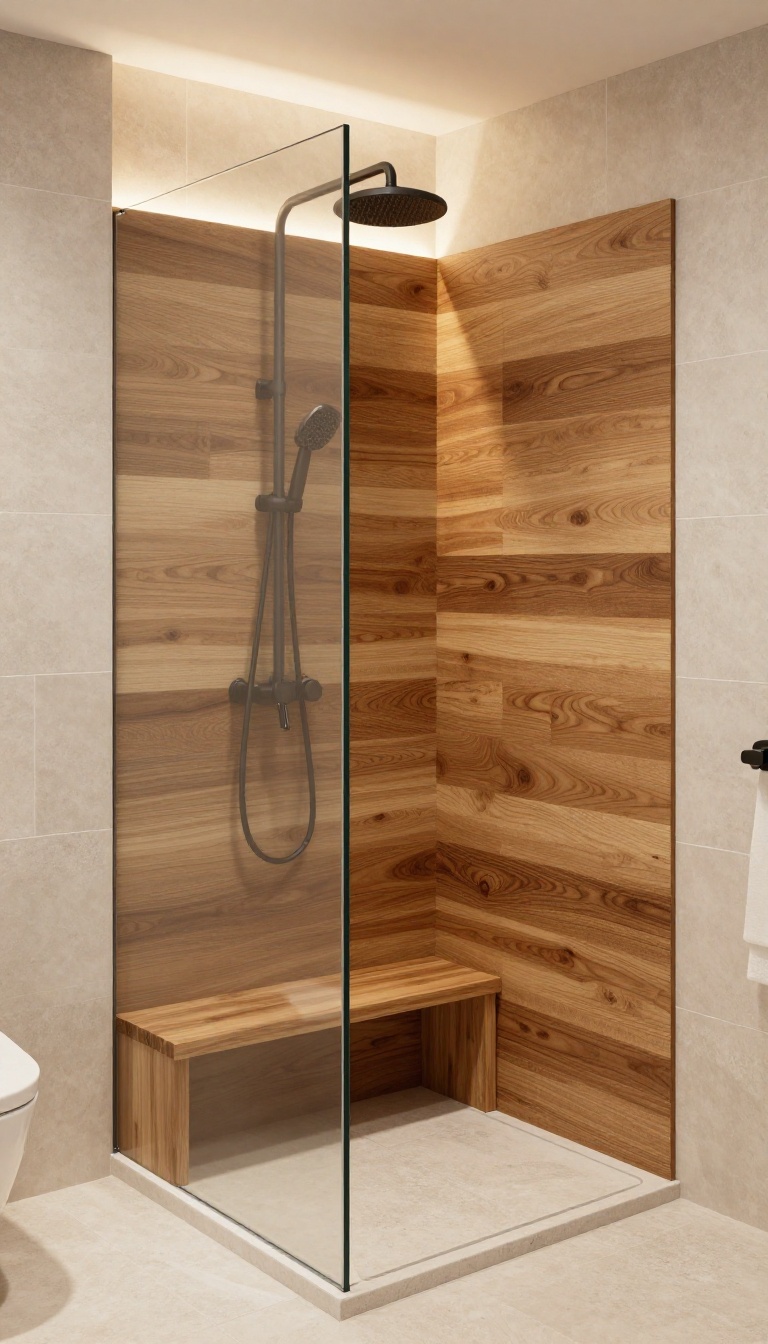
Wood in a shower might sound risky, but modern materials make it a safe and stunning choice. A warm wood accent half wall brings a natural, calming element that softens the usual tile-and-glass look. It’s about creating a cozy, spa-like feel without sacrificing durability.
Choose moisture-resistant options like teak, cedar, or wood-look porcelain tiles to get the warmth of wood without the worry of water damage. These materials handle humidity and splashes beautifully, so you can enjoy the organic texture worry-free. Pair the wood with neutral-toned tiles or paint to let it stand out as the focal point.
Pick The Right Material
Teak and cedar are naturally water-resistant, making them ideal for wet areas. If you prefer a low-maintenance option, wood-look porcelain tiles mimic the grain perfectly and never need sealing. For a budget-friendly route, consider engineered wood panels designed for bathrooms—they offer the look with extra protection.
Placement And Scale
A half wall works best when it’s tall enough to block splashes but not so tall that it blocks light. Aim for about 42 to 48 inches high, and extend it slightly beyond the shower opening for better water containment. If your bathroom is small, a shorter wall with a glass panel above keeps the space feeling open.
Styling Around The Wood
Let the wood be the hero by keeping surrounding fixtures simple. Use matte black or brushed nickel hardware to complement the warm tones, and add a bench or niche in the same material for a cohesive look. Soft lighting, like a warm LED strip under the wall, enhances the natural vibe.
4. Integrated Niche Half Wall
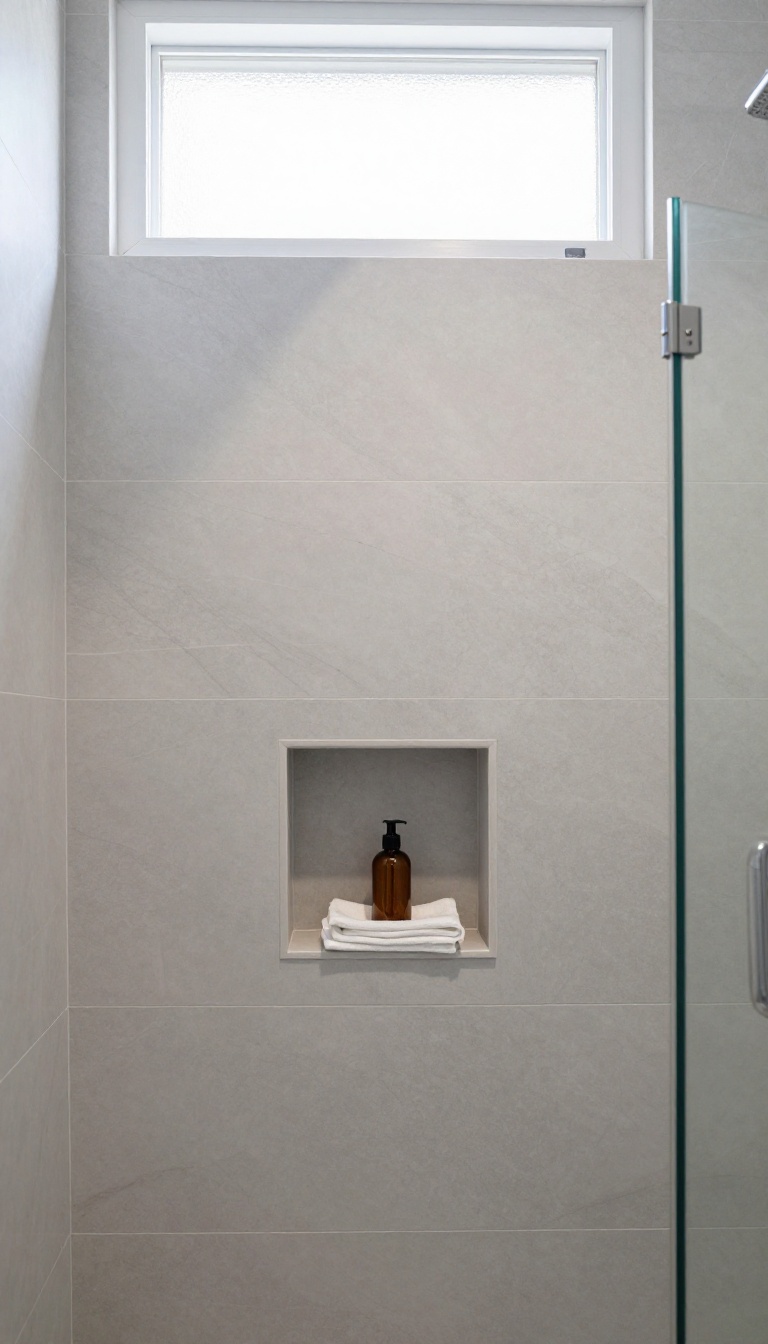
Recessed shelves aren’t just for full shower walls—they can be built right into the half wall itself. This approach turns the structure into a functional storage hub while keeping the visual line clean and uncluttered. Instead of hanging caddies or balancing bottles on the edge, you get a built-in spot that feels intentional and seamless.
An integrated niche half wall combines the privacy and definition of a half wall with the convenience of built-in storage. The niche is recessed into the wall, so it doesn’t protrude or interrupt the sleek profile. This is a smart choice for smaller bathrooms where every inch counts, as it eliminates the need for bulky shelving units or adhesive organizers.
Why A Niche Works
A niche keeps your shower essentials within arm’s reach without adding visual clutter. Unlike a ledge that can collect water and grime, a recessed shelf allows water to drain away naturally if sloped slightly. It also creates a clean, custom look that feels more high-end than off-the-shelf storage solutions.
Placement Tips
Position the niche at a height that’s comfortable for reaching shampoo and soap—usually around chest level. If you’re designing a double niche, stagger the heights for different items like tall bottles and smaller bars. Make sure the niche is sized to fit your typical products, so you’re not left with wasted space or items that don’t fit.
Material And Finish Options
Match the niche interior to the half wall’s tile for a seamless look, or use a contrasting material like brushed metal or stone for a subtle accent. Waterproofing is essential—use a waterproof membrane behind the tile and slope the shelf slightly toward the shower to prevent standing water. Choose easy-to-clean surfaces like large-format tile or solid surface inserts.
5. Curved Half Wall Design
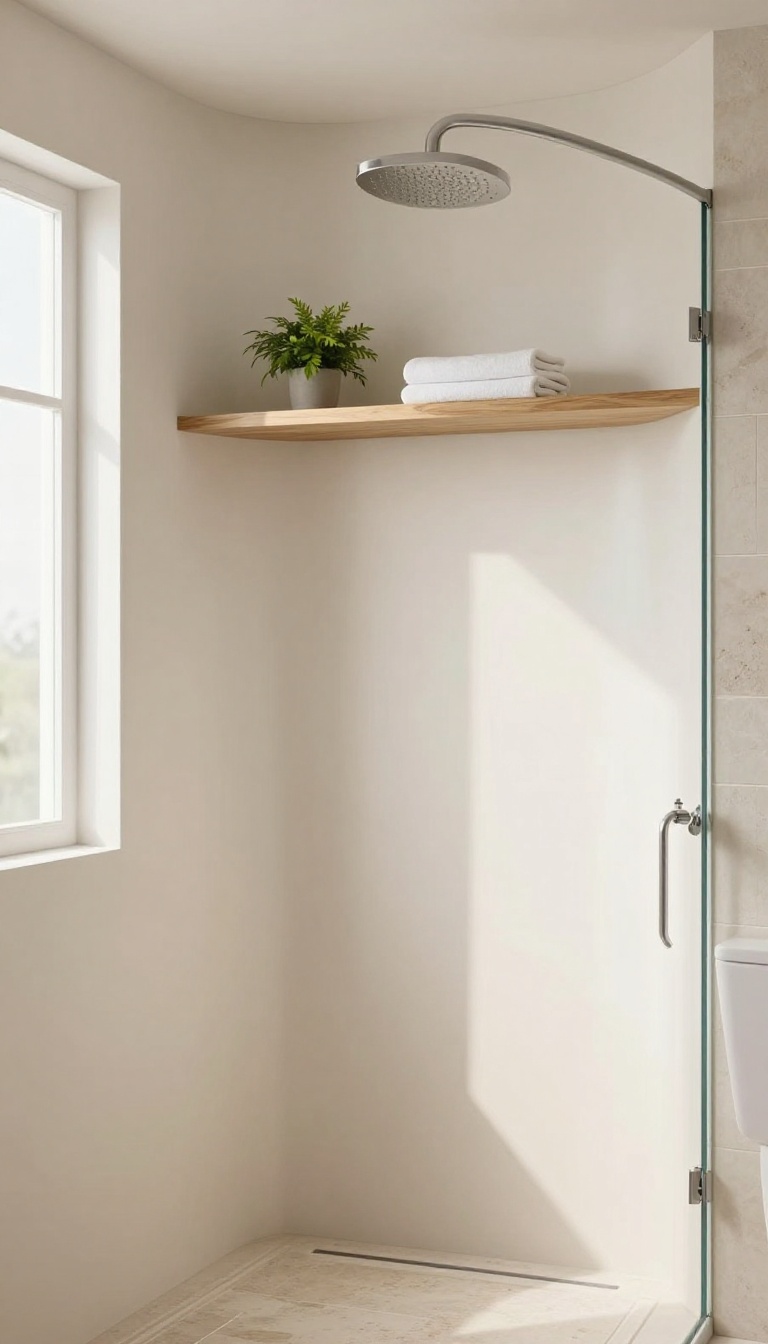
Straight lines are great, but they’re not the only option. A curved half wall brings a soft, sculptural feel to the bathroom, breaking up all those right angles. It’s a subtle change that makes the space feel more fluid and welcoming.
Plus, the curve can actually help guide foot traffic, making the layout feel more natural.
Curved half walls are a smart choice for bathrooms where a straight partition might feel too boxy or harsh. The gentle arc adds visual interest without overwhelming the room. It can also make a narrow bathroom feel wider because the eye follows the curve instead of hitting a hard edge.
Why A Curve Works
The main benefit of a curved half wall is how it softens the overall look. Straight walls can feel rigid, especially in a small space. A curve introduces a sense of motion and elegance, which is perfect if you’re going for a calm, spa-like vibe.
It also helps with traffic flow—you can walk around it more naturally without bumping into corners.
Materials And Finishes
You can build a curved half wall with the same materials as a straight one, but the finish matters even more. Plaster or stucco can be shaped seamlessly, giving a smooth, modern look. Tile works too, but you’ll need to use smaller tiles or mosaic to follow the curve without awkward gaps.
For a warm touch, consider a wood-look porcelain tile that bends easily around the radius.
Design Tips
Pair the curved wall with a glass panel on top to keep the open feel while still containing water. Or, if you want more privacy, extend the curve higher on one side. Add a slim shelf or niche along the curve for extra storage without breaking the smooth line.
Lighting can also highlight the shape—think LED strips along the base or a pendant light above.
6. Two-Tone Paint Half Wall
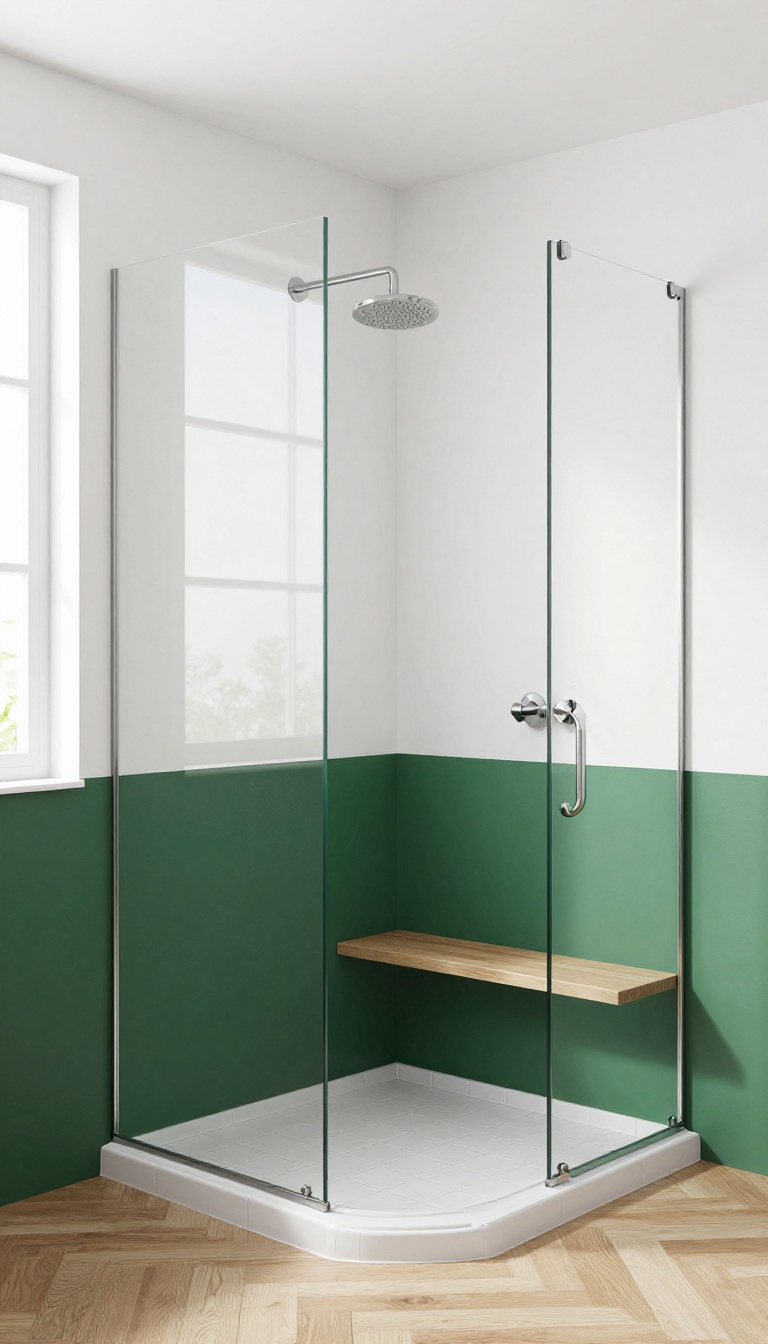
Who says a half wall has to blend in? Painting it in a contrasting color is one of the easiest ways to give your shower a custom, designer look without a full remodel. The key is choosing a shade that complements the rest of the bathroom while adding just enough drama to make the wall feel intentional.
A two-tone paint approach works because it breaks up the visual monotony of a single-color bathroom. You can go bold with a deep navy or forest green, or keep it subtle with a soft sage or warm terracotta. The contrast draws the eye to the half wall, making it a feature rather than an afterthought.
Plus, it’s a budget-friendly update you can tackle in a weekend.
Choosing The Right Color Combo
Start by looking at the existing tiles and fixtures. If your bathroom has cool gray tiles, a warm earthy tone like dusty rose or ochre will create a pleasing balance. For a crisp, modern feel, pair white tiles with a charcoal or black half wall.
Don’t forget to test paint samples in the actual lighting—shower lighting can be tricky, and what looks great in the store might feel off once it’s on the wall.
Prep And Paint Tips For Shower Walls
Shower walls face moisture and heat, so you need the right materials. Use a high-quality, mold-resistant paint (like a satin or semi-gloss finish) and a primer designed for wet areas. Clean the wall thoroughly, patch any holes, and let it dry completely before painting.
Apply two coats for a smooth, durable finish. If you’re painting over tile, use a bonding primer first—trust me, it makes a difference.
Styling Around The Contrast
Once your half wall is painted, let it anchor the space. Add a wooden stool or a teak bench in a similar warm tone to tie the look together. Keep the rest of the shower minimal—too many accessories will compete with the bold color.
A simple glass shelf or a few neutral bottles will let the wall shine without feeling cluttered.
7. Half Wall with Glass Block Accents
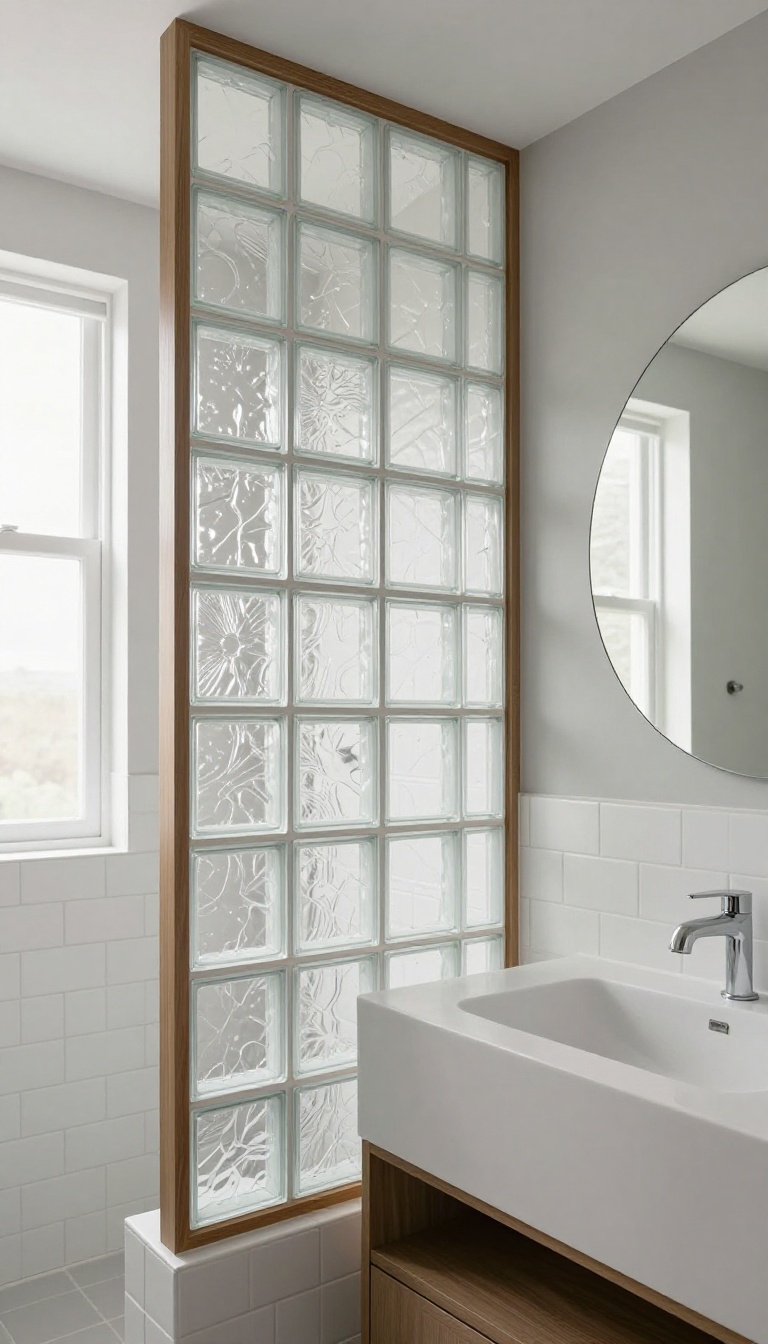
Glass blocks bring a playful, retro-modern energy that feels fresh and unexpected. Instead of a solid barrier, these translucent cubes let daylight filter through while keeping the shower area visually separate. It’s a clever way to add character without making the space feel closed off.
Glass block accents work especially well in bathrooms that get limited natural light. The blocks scatter light softly, making the whole room feel brighter and more open. You can use them as a full half-wall section or just as a decorative strip within a tiled wall for a subtle nod to the trend.
Mixing Materials For Balance
Pairing glass blocks with matte tile or painted drywall softens their industrial edge. A warm wood frame around the blocks adds organic contrast, while a dark grout makes the glass pop. Keep the surrounding palette neutral so the glass remains the focal point.
Maintenance And Cleaning
Glass blocks are surprisingly easy to care for. A daily squeegee after showers prevents water spots, and a mild glass cleaner keeps them sparkling. The sealed surface resists mold and soap scum better than traditional grout lines, so upkeep is minimal.
Privacy With Light
Unlike clear glass, blocks obscure the view while still letting light pass through. This makes them ideal for shared bathrooms or setups where you want separation without sacrificing brightness. You get the best of both worlds—privacy and a luminous, airy feel.
8. Minimalist Black Framed Half Wall
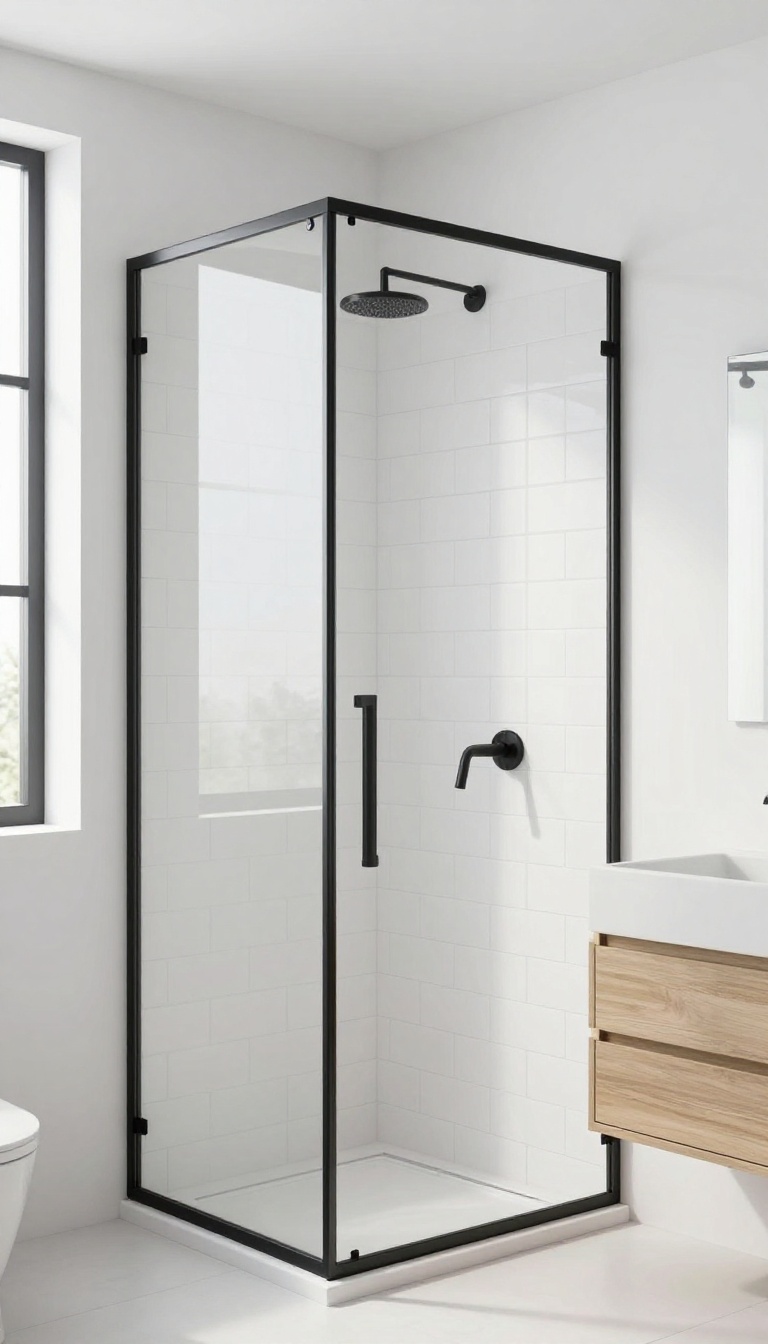
A black frame does more than just hold glass in place—it draws the eye and gives the whole shower a crisp, defined outline. The contrast against light tiles or white walls feels sharp without being harsh, and it works especially well in bathrooms that lean modern or industrial. If you want a clean look that still has a bit of an edge, this is a straightforward way to get it.
The black framed half wall is all about clean lines and a bold silhouette. The frame itself is usually slim, so it doesn't overwhelm the space, but it still creates a strong visual anchor. Pairing it with clear or frosted glass keeps the shower feeling open while adding that touch of sophistication.
It's a simple upgrade that instantly makes the bathroom look more put-together.
Why Black Works
Black is a natural neutral, so it pairs effortlessly with white, gray, beige, or even soft pastels. The dark frame creates a crisp line that helps define the shower area without closing it off. It also adds a bit of depth, making the space feel more layered and intentional.
Glass Options
Clear glass keeps the view open and makes the bathroom feel larger, while frosted glass offers more privacy and hides water spots. You can also go with textured glass for a subtle pattern that catches light. Each option changes the mood, so think about how much openness you want.
Finishing Touches
Match the black frame with black fixtures like faucets and showerheads for a cohesive look. Add a matte black shelf or a black-framed mirror nearby to tie the whole design together. Keep the rest of the bathroom simple so the frame stays the star.
9. Half Wall with Built-In Bench
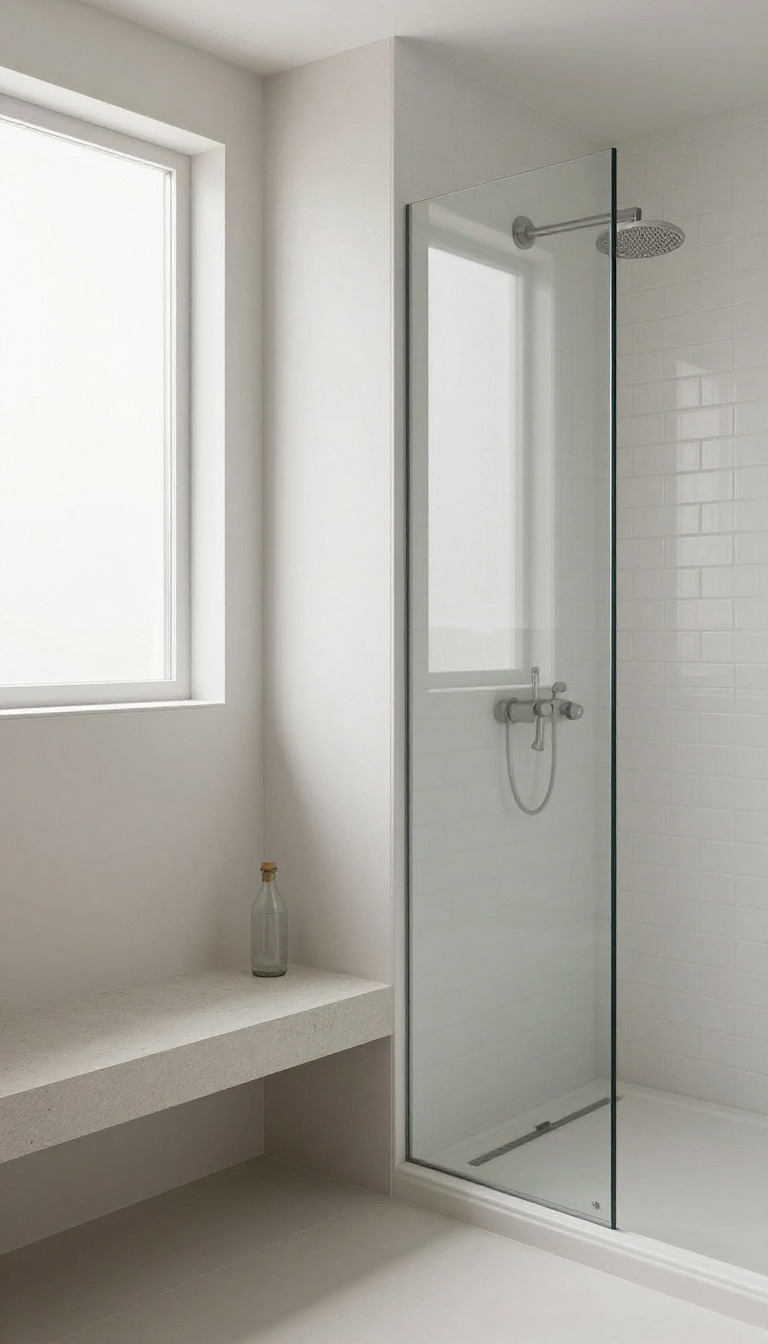
A bench tucked into the half wall turns a simple divider into a spot that actually works for you. It gives you somewhere to sit while shaving your legs or just letting the water run over you after a long day. In a larger bathroom, this addition makes the shower feel more like a private retreat rather than just a functional corner.
When you extend the half wall into a built-in bench, you’re not just adding seating—you’re creating a natural transition between the wet and dry areas. The bench can double as a ledge for toiletries or a place to rest a foot while you scrub. It also breaks up the visual mass of the wall, making the whole shower feel more open and intentional.
Where To Place The Bench
Think about how you actually move in the shower. A bench on the inside of the half wall, facing the showerhead, is great for sitting and rinsing. If you prefer more legroom, place it on the outer edge so it becomes a small seating nook for drying off or putting on socks.
Just make sure it doesn’t block the entry or make the space feel cramped.
Materials That Hold Up
Since the bench will get wet regularly, choose materials that handle moisture without warping or staining. Solid surface like quartz or Corian is seamless and easy to clean. Porcelain tile with a matte finish gives you grip and comes in lots of colors.
Avoid natural stone unless it’s sealed properly—porous stone can soak up water and look dull over time.
Adding A Hidden Niche
If you’re already building a bench, consider carving out a small niche in the wall above it. That gives you a handy shelf for shampoo or a candle without taking up bench space. Keep the niche recessed so it doesn’t catch water or collect grime.
It’s a simple detail that makes the bench feel more integrated into the design.
10. Mosaic Tile Half Wall
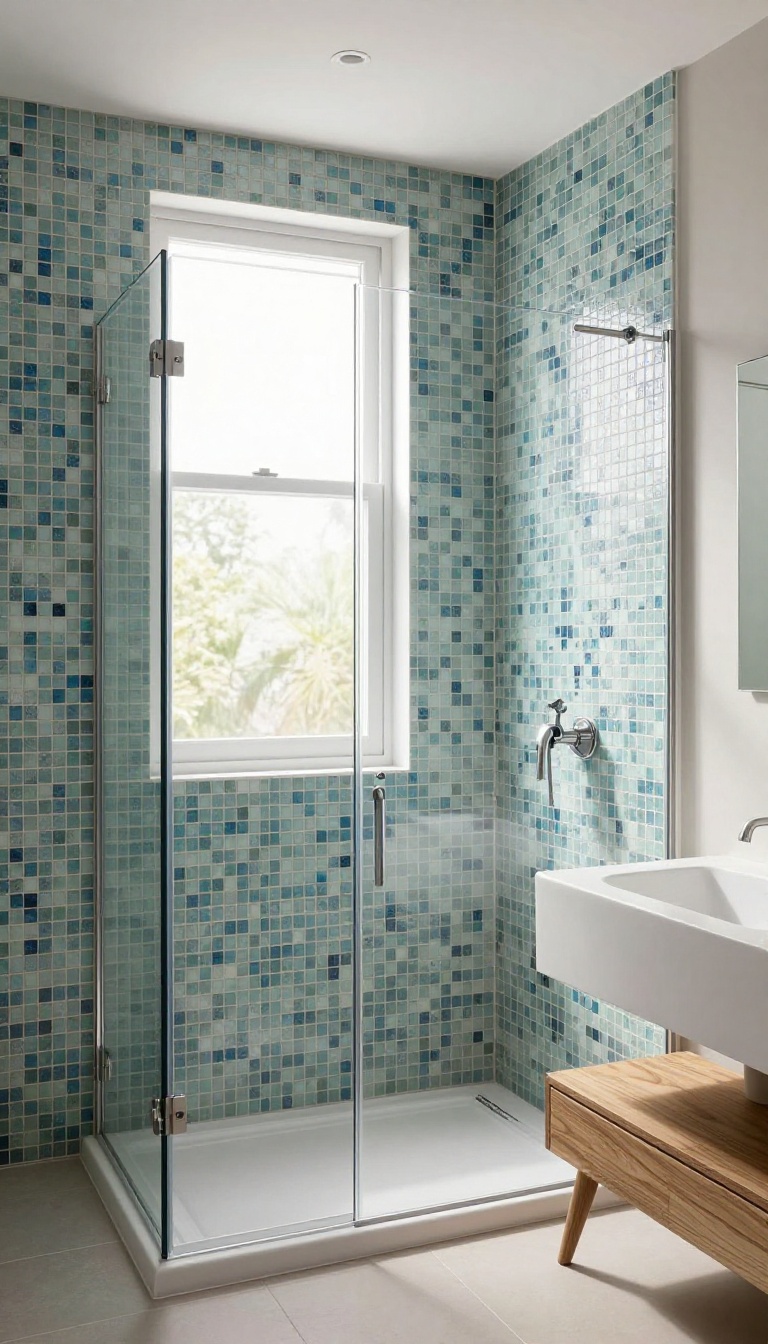
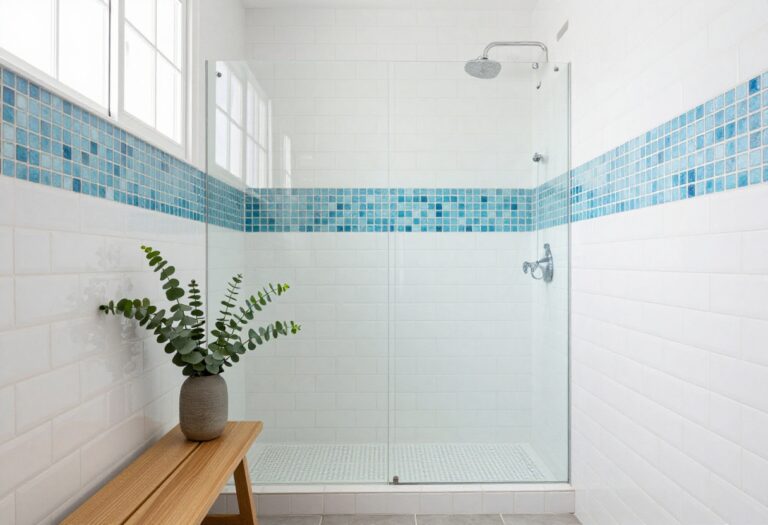
Mosaic tiles bring a level of detail that plain surfaces just can't match. Instead of a simple divider, the half wall becomes a focal point with texture and color that shifts as the light moves. It's a way to add personality without overwhelming the room.
Whether you prefer small glass squares or natural stone chips, mosaic offers endless patterns and finishes. The key is to choose a palette that complements your fixtures and keeps the space feeling cohesive, not busy.
Mosaic tile half walls are all about turning a functional element into a piece of art. The small tiles create a rich, textured surface that catches the eye and adds depth. Plus, the variety of materials—glass, ceramic, stone, or mixed—means you can match almost any bathroom style, from sleek modern to rustic farmhouse.
One of the biggest advantages is durability. Mosaic tiles are tough and water-resistant, making them ideal for wet areas. They also hide minor imperfections and are easy to clean if you choose a sealed grout.
With so many colors and patterns, you can create a custom look that feels unique to your space.
Choosing The Right Mosaic Material
Glass mosaics reflect light and make the wall feel airy, perfect for smaller bathrooms. Stone mosaics, like travertine or slate, add an organic, earthy vibe but require sealing. Ceramic or porcelain mosaics are budget-friendly and come in countless colors and finishes.
Think about maintenance and the overall mood you want before picking.
Patterns That Work In Showers
A classic grid is safe, but you can also try a herringbone or chevron pattern for a more dynamic look. If you want something subtle, use a single color with a matte finish. For a bold statement, mix complementary colors or use a gradient effect.
Just keep the rest of the bathroom simple so the mosaic can shine.
Grout And Sealing Tips
Lighter grout makes the mosaic pattern pop, while darker grout hides stains and creates a more unified look. Always use a high-quality, waterproof grout and seal natural stone tiles to prevent moisture damage. A good sealer will keep your half wall looking fresh for years with minimal effort.
FAQ
What is the ideal height for a shower half wall?
Typically, half walls range from 42 to 48 inches high. This provides privacy while keeping the space open. Adjust based on your shower head height and personal preference.
Can I install a half wall in a small bathroom?
Absolutely. A half wall can make a small bathroom feel larger by maintaining an open sightline. Opt for glass or light colors to enhance the effect.
How do I prevent water from splashing over a half wall?
Ensure the wall is tall enough (at least 42 inches) and angle the showerhead away from the opening. Adding a slight slope or a glass panel on top can also help.
What materials work best for a shower half wall?
Waterproof materials like ceramic tile, porcelain, glass, and moisture-resistant wood are ideal. Avoid untreated wood or drywall, as they can warp or mold.
Do I need a shower door with a half wall?
Not necessarily. Many half walls are open on one side, but you can add a glass panel or door for extra water containment. It depends on your layout and preference.
Conclusion
A half wall shower is one of those upgrades that quietly changes how the whole bathroom feels. Whether you're after more light, a touch of privacy, or just a cleaner sightline, these ideas give you room to make it your own. Pick the one that fits your space and start there.
Small tweaks like switching materials or adding a niche can make a big difference without a full remodel. Take your time, focus on what feels right for your daily routine, and enjoy the process. The result will be a bathroom that feels calm, open, and exactly like you wanted.