13 Eye-Catching Easy-Access Shower Ideas for Safer Walking
Navigating a traditional shower with a high step can be a daily challenge, especially for those with mobility concerns. But safety doesn't have to come at the cost of style.
With the right design choices, you can create a shower that's both beautiful and easy to enter and exit. These 13 easy-access shower ideas focus on reducing trip hazards and providing support where you need it most.
Whether you're planning a full remodel or a simple update, these concepts will help you build a safer, more comfortable space. From sleek curbless entries to cleverly placed grab bars, each idea combines functionality with visual appeal.
1. Curbless Entry: Step Right In
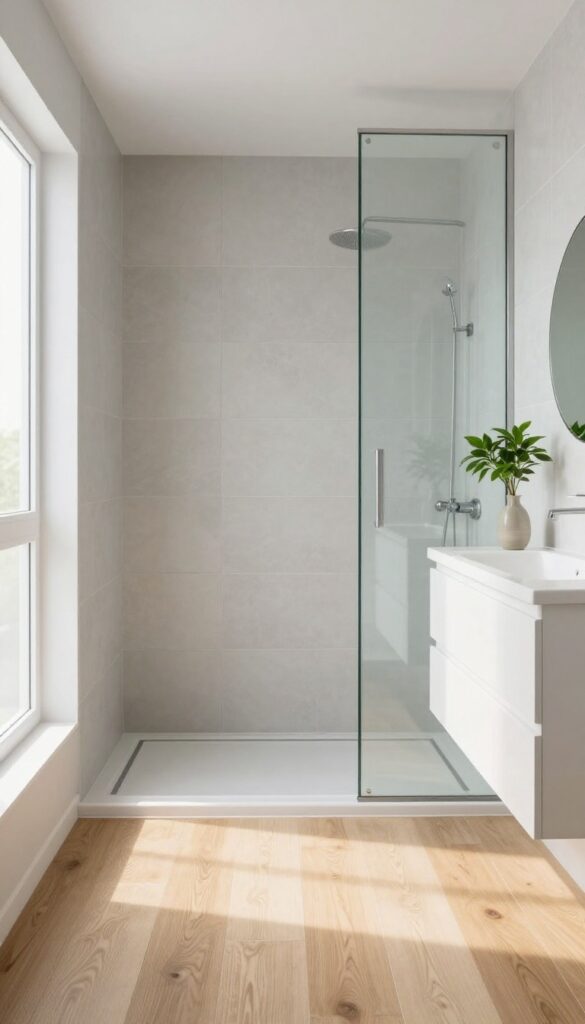
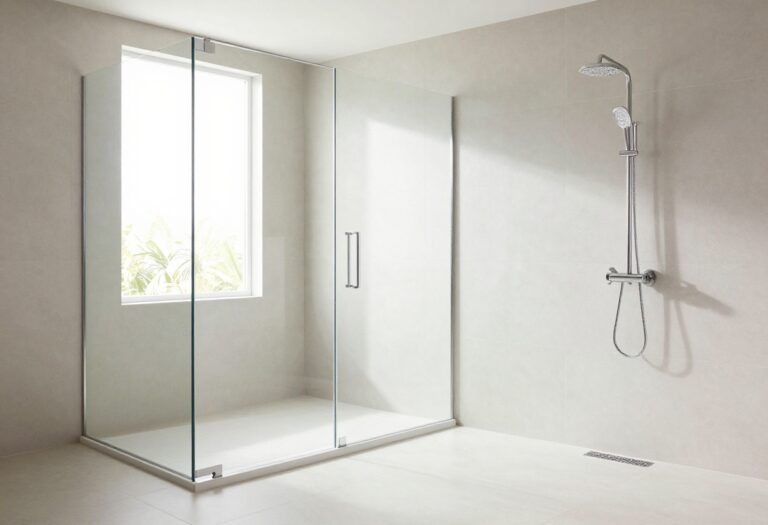
The bathroom floor can meet the shower floor at the exact same level, creating a seamless transition that feels almost invisible. That's the magic of a curbless shower—no step to trip over, no threshold to lift your feet over. It's a design choice that instantly opens up the space and makes entry feel effortless.
A curbless shower isn't just about looks; it's about removing a common obstacle that can turn a daily routine into a risky maneuver. For anyone using a walker or wheelchair, the absence of a curb means you can roll right in without assistance. Even for those who are steady on their feet, it's one less thing to think about when you're tired or in a hurry.
Why Go Curbless?
The biggest advantage is safety. A traditional shower curb is a trip hazard, especially when wet. By eliminating it, you create a smooth, continuous surface that's easier to navigate.
Plus, the open layout makes the bathroom feel larger and more accessible. It's a win-win for both function and style.
Planning For Proper Drainage
The key to a successful curbless shower is getting the floor slope right. The shower floor needs to gently slope toward the drain to prevent water from spreading into the rest of the bathroom. This usually requires a linear drain or a carefully positioned center drain.
Working with a professional plumber or contractor ensures the water flows where it should, keeping your floor dry and safe.
Design Options To Consider
You can customize a curbless shower to match your taste. Use large-format tiles to minimize grout lines and create a sleek look, or choose textured tiles for extra slip resistance. Add a glass panel or a shower curtain to keep water contained without adding a step.
The design possibilities are endless, and the result is a shower that feels open, modern, and welcoming.
2. Built-In Bench: A Rest Stop Inside
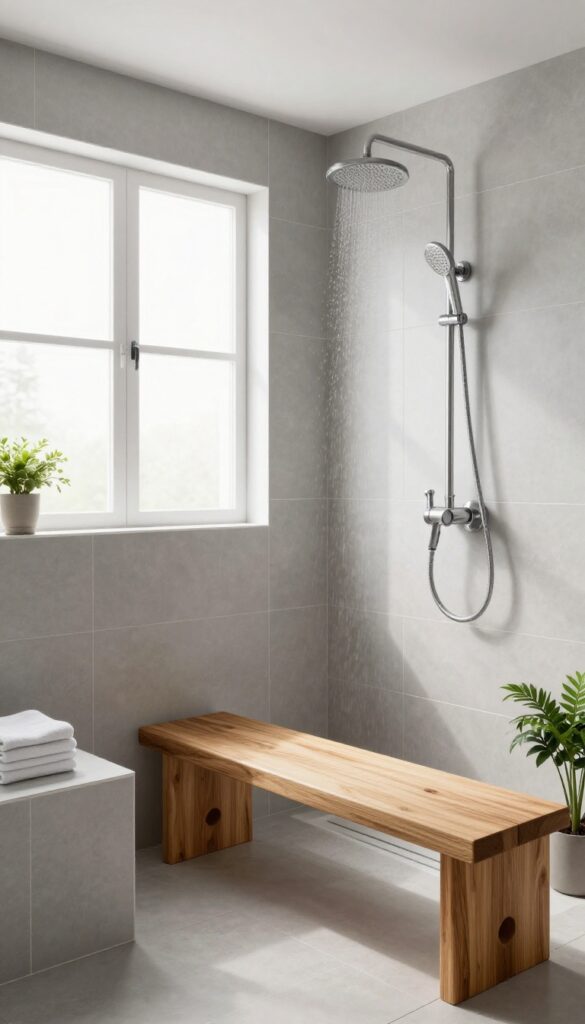
Showering can be more tiring than you'd think, especially when you're standing on a wet, slippery surface. A built-in bench changes that by giving you a secure spot to sit and catch your breath. It's not just about comfort—it's a practical safety feature that lets you wash at your own pace without the fear of losing your balance.
Adding a built-in bench to your shower is a straightforward upgrade that pays off in both safety and convenience. Whether you opt for a foldable seat that tucks away when not in use or a permanent tiled bench that becomes part of the shower's architecture, you're creating a stable resting point that reduces strain on your legs and back. This is especially helpful for anyone with limited stamina or balance issues, as it allows you to sit while soaping up or simply take a break mid-shower.
Foldable Seats: Space-saving Support
Foldable benches are a smart choice for smaller bathrooms or showers where floor space is precious. They mount securely to the wall and flip down when you need them, then fold up flat to keep the area open and easy to navigate. Look for models with a textured seat surface to prevent slipping, and make sure the hinges are rust-resistant to handle the damp environment.
This option gives you the benefit of a bench without permanently taking up room.
Permanent Tiled Benches: Seamless Style
If you're planning a full remodel, a permanent tiled bench offers a built-in look that feels like part of the shower's original design. You can match the tile exactly for a seamless appearance or use a contrasting color to make it a focal point. These benches are incredibly sturdy and can be customized to any height or length, making them ideal for those who need extra support or prefer a wider seating area.
Just ensure the surface slopes slightly for water runoff and use non-slip tile for safety.
Placement And Height: Getting It Right
Where you put the bench matters as much as the bench itself. Ideally, it should be positioned opposite the shower controls so you can reach them easily while seated. The height should allow your feet to rest flat on the floor, typically around 17 to 19 inches, so you can stand up without strain.
If you're unsure, consult with a contractor or occupational therapist to find the perfect spot and dimensions for your needs.
3. Grab Bars That Blend In
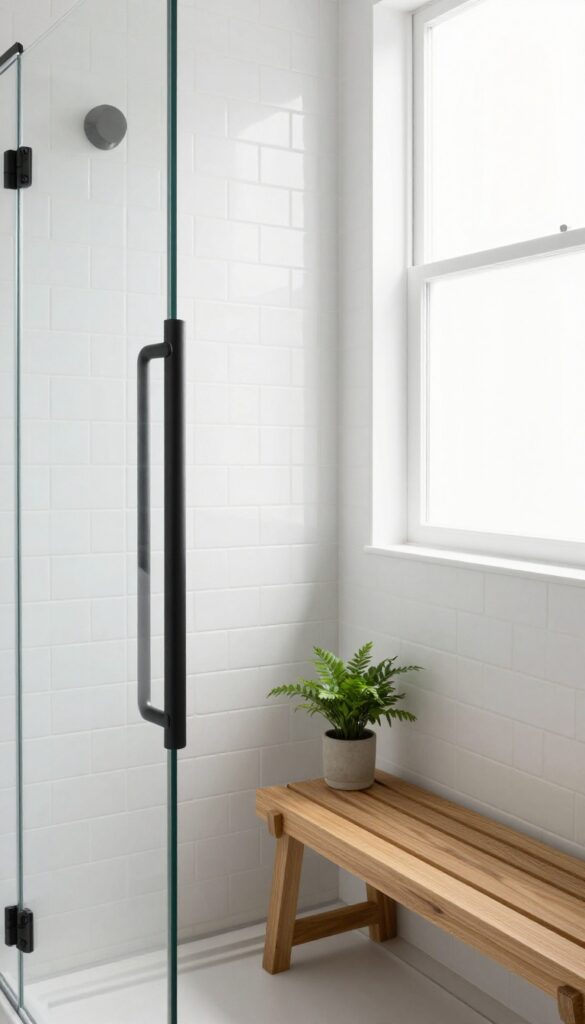
Safety rails used to scream "hospital bathroom, " but that's no longer the case. Today's grab bars are designed to look like sleek fixtures, not medical equipment. You can find them in finishes like brushed nickel, matte black, and even oil-rubbed bronze to match your existing hardware.
Placing them strategically near the entrance and inside the shower gives you support exactly where you need it, without making the space feel clinical. Plus, they're an easy upgrade that doesn't require a full remodel.
When you think of grab bars, you might picture chrome bars bolted to a sterile wall. But modern designs have changed the game. You can choose from a variety of styles, from curved and angled bars to those with textured grips or even decorative covers.
Some look like towel bars or robe hooks, so they serve double duty. The key is to pick bars that complement your bathroom's aesthetic while providing the support you need. Installation is straightforward, but make sure to secure them into wall studs or use heavy-duty anchors.
Place one near the entrance to help with stepping in and out, and another inside near the showerhead or controls. If you have a bench or seat, add one nearby to help with standing up. With the right placement, you'll feel more confident and steady every time you shower.
Style Options That Match Your Decor
Grab bars come in a rainbow of finishes and styles. Brushed nickel and chrome are classic choices that blend with most fixtures. For a more modern look, matte black or bronze add a touch of sophistication.
Some bars feature textured grips or colorful accents for extra traction and visual interest. You can even find bars with built-in shelves or soap dishes for added convenience.
Where To Place Them For Maximum Support
Think about your movements in the shower. Place a bar near the entrance to help with the step-over. Install one on the wall opposite the controls so you can steady yourself while adjusting water temperature.
If you have a bench, put a vertical bar nearby to assist with sitting and standing. The goal is to have support within easy reach at all times.
Installation Tips For Safety
Proper installation is crucial. Use a stud finder to locate wall studs and attach the bars securely. If you can't hit studs, use heavy-duty toggle bolts designed for grab bars.
Avoid placing bars on tile alone, as they can pull loose. When in doubt, hire a professional to ensure everything is rock solid.
4. Non-Slip Flooring: Stay on Your Feet
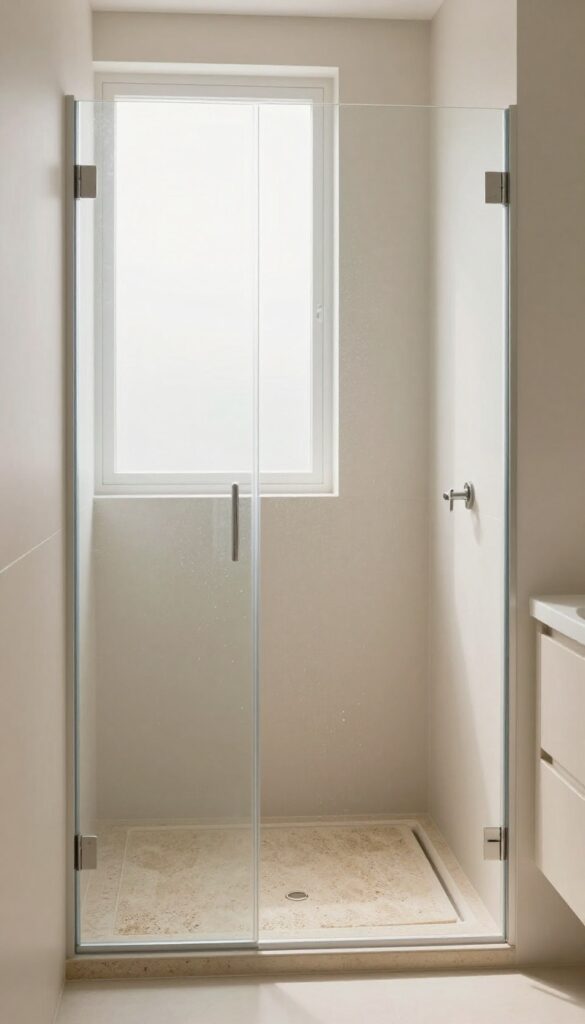
Wet floors are the number one culprit behind shower accidents, but you don't have to live with that risk. Choosing the right flooring can make a world of difference in how secure you feel every time you step in. The goal is to find materials that give you traction even when they're covered in water and soap.
When it comes to non-slip flooring, the key is the coefficient of friction (COF). A higher COF means better grip. Look for tiles specifically rated for wet areas, or add texture to your existing floor with adhesive strips or mats.
This simple upgrade can dramatically reduce slips and falls.
Tile Options That Actually Work
Porcelain and ceramic tiles with a matte or textured finish are excellent choices. They provide natural grip without looking institutional. Small-format tiles like mosaics have more grout lines, which also helps with traction.
Avoid large, glossy tiles—they're slippery when wet.
Why Stone And Concrete Shine
Natural stone like slate, travertine, or granite has inherent texture that works in your favor. Even when wet, these surfaces offer a rugged grip. Concrete with a broom finish or exposed aggregate is another durable, slip-resistant option that can be customized to match your style.
Quick Fixes For Existing Floors
If a full remodel isn't in the cards, don't worry. You can apply non-slip adhesive strips or decals to your current floor. These come in various shapes and colors, so they can blend in or add a fun accent.
Another option is to use a non-slip coating that you brush on, creating a subtle texture.
5. Handheld Showerhead: Flexibility and Control
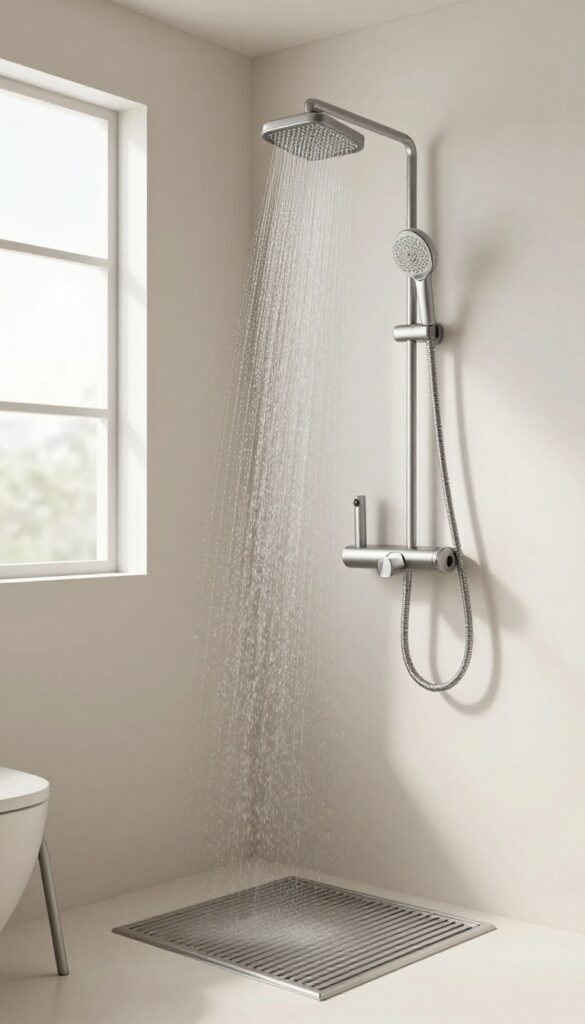
A handheld showerhead is one of those small upgrades that makes a big difference. Instead of being locked into a fixed position, you can direct the water exactly where you need it, whether you're sitting on a shower chair or standing with support. That flexibility cuts down on awkward twisting and reaching, which are common causes of slips and falls.
The beauty of a handheld showerhead lies in its simplicity. You can rinse off hard-to-reach areas without contorting your body, and you can easily wash your hair while seated. Many models come with a slide bar that lets you adjust the height, so you can set it at a level that feels comfortable for you.
It's a practical safety upgrade that doesn't require a full remodel.
Why It Improves Safety
When you don't have to reach or stretch to grab a fixed showerhead, you're less likely to lose your balance. The handheld design keeps the water close to your body, which means less water splashing onto the floor. Plus, you can sit down and still have full control over the spray, which is a game-changer for anyone with limited mobility.
Key Features To Look For
Look for a model with a long, flexible hose—at least 60 inches—so you can move it around freely. A pause button on the handle is handy for turning off the water while you soap up, and a non-slip grip ensures it won't slip from your hands. Some even come with multiple spray settings, so you can switch from a gentle mist to a stronger stream depending on your needs.
Installation And Use Tips
Most handheld showerheads are easy to install—just unscrew the old head and screw on the new one. If you're not comfortable doing it yourself, a plumber can handle it in under an hour. To get the most out of it, position the slide bar at a height that lets you reach the handle without stretching.
And when you're showering, keep the head low to minimize splashing and reduce the chance of slipping on a wet floor.
6. Wide Doorway: Room to Move
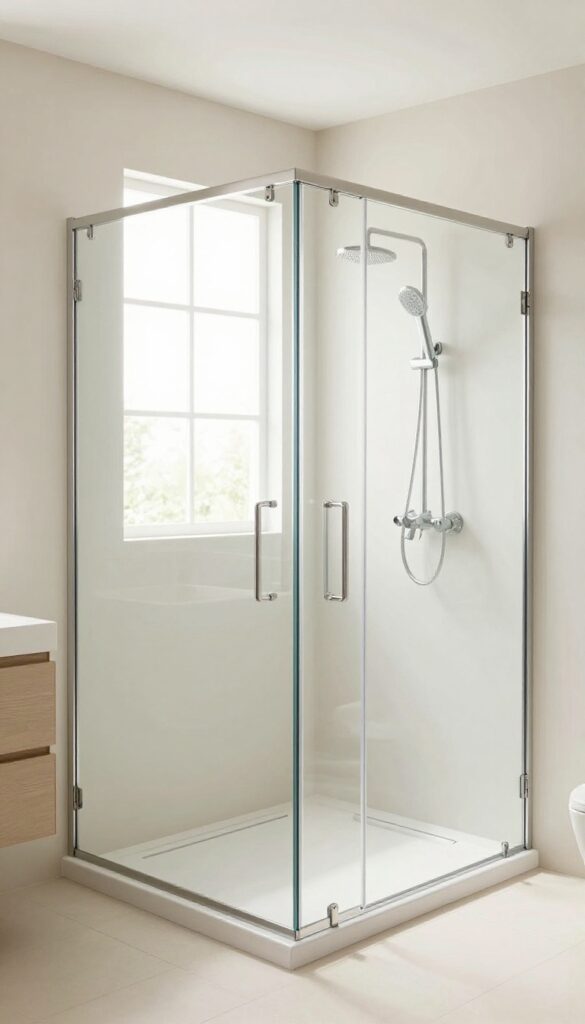
A narrow shower entry can feel like a squeeze even when you're steady on your feet. For anyone using a walker or wheelchair, it can be an outright barrier. Widening the doorway to at least 32 inches isn't just a practical move—it transforms the shower into a more open, welcoming space.
When you widen the shower entrance, you're not only accommodating mobility aids but also making the whole bathroom feel larger. A wider opening eliminates the need to twist or sidestep, which reduces the risk of losing balance. Plus, it gives you more room to maneuver soap caddies, shower chairs, or even a second person if you need assistance.
Why 32 Inches Makes A Difference
The 32-inch width is the standard for wheelchair accessibility, but it benefits everyone. It allows for comfortable passage without brushing against the sides, which can be a trip hazard. Even if you don't use a mobility device now, a wider doorway future-proofs your bathroom for changing needs.
Options For Widening The Entry
If you're remodeling, a custom glass enclosure or a sliding barn door can create a wide opening without swinging into the bathroom. For a simpler fix, consider removing the door altogether and using a curved shower rod with a curtain. This instantly opens up the space and is an easy DIY weekend project.
Balancing Privacy And Openness
A wider doorway doesn't have to mean sacrificing privacy. Use frosted glass or a textured curtain to obscure the view while still letting in light. You can also install a partial wall or a wet-room divider that gives you the openness you need without feeling exposed.
7. Shower Seat with Legs: Portable Support
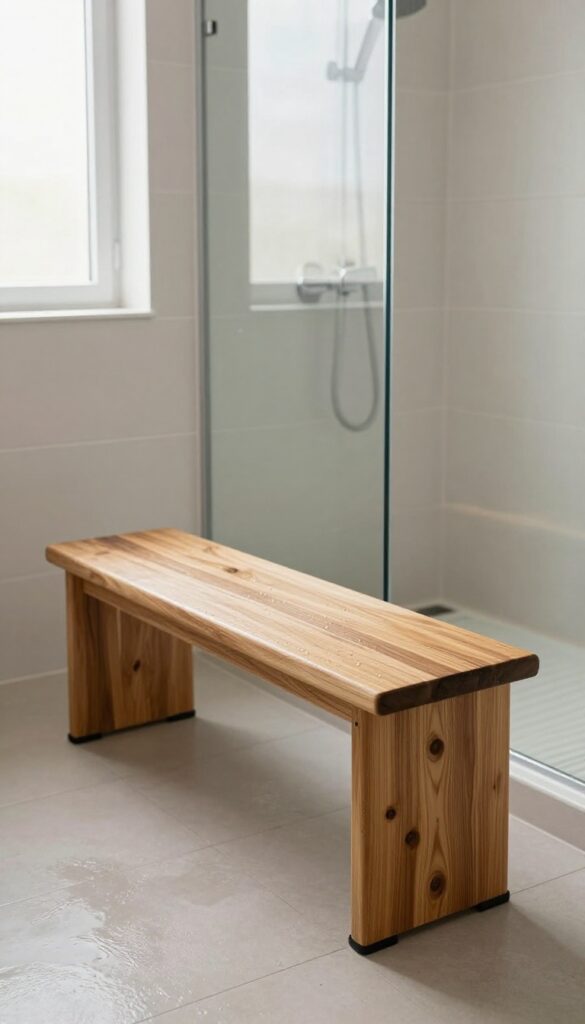
A bench that stands on its own legs can be a lifesaver when you need a spot to sit but don't want a permanent fixture. These portable seats are easy to move in and out of the shower, and they work well for anyone who rents or prefers a flexible setup. The key is choosing one that feels rock-solid under your weight.
Freestanding shower benches and stools come in many styles, from simple plastic stools to padded teak benches. The best ones have adjustable legs so you can level them on uneven floors, and non-slip feet that grip the tile. Look for a weight capacity that comfortably exceeds your needs, and make sure the seat surface has some texture or drainage to prevent slipping when wet.
Why Choose A Portable Seat?
If you're not ready for a built-in bench or you share the bathroom with people who don't need it, a portable seat is a smart middle ground. You can tuck it in a corner when not in use, take it with you if you move, and adjust its position based on your routine. It's also a budget-friendly option that doesn't require any installation.
What To Look For In A Sturdy Bench
Stability is non-negotiable. Check that the legs have wide, non-slip rubber feet and that the frame doesn't wobble when you press down. Adjustable legs are a big plus because shower floors often slope toward the drain.
Also, consider the material: aluminum and plastic are lightweight and rustproof, while teak looks warm and resists moisture naturally.
Tips For Placing And Using It Safely
Set the bench on a flat, stable area of the shower floor, away from the direct spray if possible. Always test it before stepping in, and make sure it doesn't slide when you sit. If you use a handheld showerhead, position the bench so you can reach everything without stretching.
And remember to rinse the bench after use to keep it clean and slip-resistant.
8. Sliding Door: Easy Glide Access
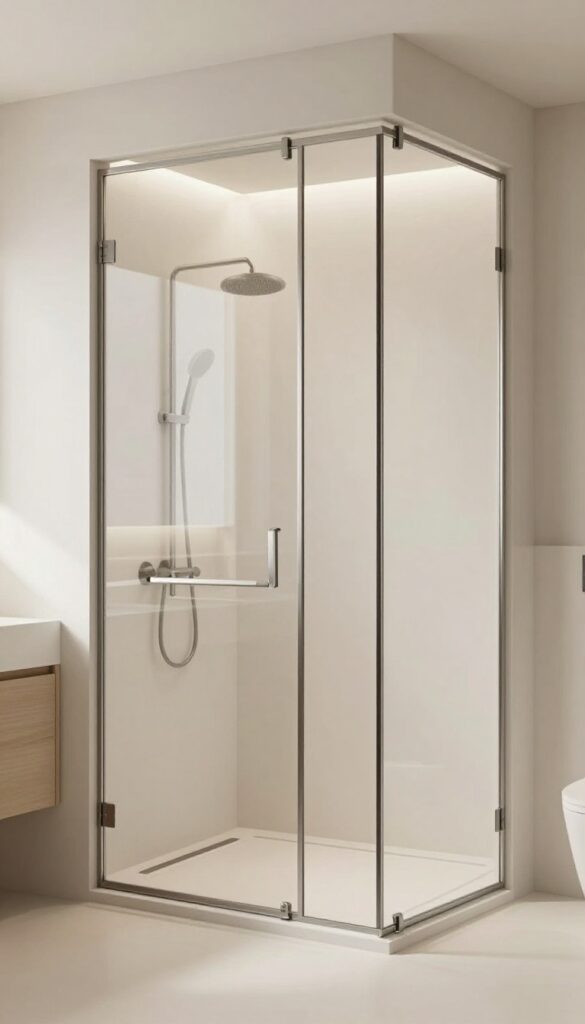
Hinged doors can be a real pain when you're trying to step in and out of the shower, especially if you're using a walker or just need a little extra room. They swing outward and can easily get in the way. Sliding doors offer a smarter, more convenient solution that many people overlook.
Sliding shower doors are easier to operate than hinged doors, especially when space is tight. They don't swing outward, reducing the risk of hitting someone or something. Choose a framed or frameless design with smooth rollers for effortless movement.
Why Sliding Doors Win
Sliding doors glide along a track, so there's no need to clear a swing radius. That means you can place a bench or storage right next to the shower without blocking the door. Plus, they're a great option for narrow bathrooms where a hinged door would be impractical.
Framed Vs. Frameless
Framed doors have metal edges that add stability and are often more affordable. Frameless doors give a sleek, modern look and are easier to clean because there are fewer crevices. Both work well, but frameless doors tend to feel more open and less cluttered.
Smooth Rolling Mechanics
The key to a good sliding door is the roller system. Look for doors with stainless steel or nylon rollers that glide quietly and smoothly. Avoid cheap plastic rollers that can wear out quickly.
A well-made track ensures the door opens with minimal effort, which is crucial for anyone with limited strength.
9. Low-Threshold Pan: A Subtle Step
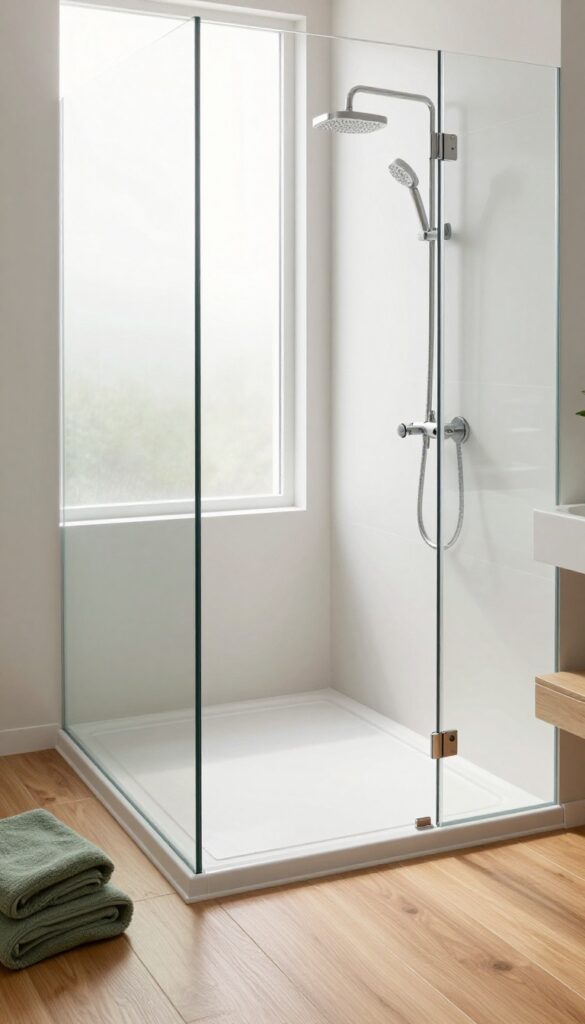
If a completely flat entry feels too exposed or you're worried about water sneaking out, a low-threshold pan might be the sweet spot. It gives you a small lip—usually under an inch—that helps keep water where it belongs without turning the step into an obstacle. For many people, that tiny rise is barely noticeable when stepping over, but it makes a real difference in keeping the floor dry.
A low-threshold pan is a smart middle ground between a curbless design and a traditional high step. It contains splashes and spills while still being easy to navigate, even if you're unsteady on your feet. Plus, it opens up more tile and layout options, so you don't have to sacrifice style for safety.
Why A Slight Lip Works
That modest lip acts like a subtle barrier, keeping water from spreading across the bathroom floor. It's especially handy in smaller bathrooms where a curbless shower might let water wander. And because the rise is so low, most people can step over it without thinking twice—no need to lift your foot high or use a grab bar just to get in.
Choosing The Right Height
Aim for a threshold that's no more than 1 inch high. Anything steeper starts to feel like a step, which defeats the purpose. You can also look for pans with a beveled edge that slopes gently, making the transition even smoother.
Some models come with a slight ramp built in, which is a nice touch if you're using a walker or just want extra peace of mind.
Styling Options That Keep It Sleek
Low-threshold pans don't have to look clinical. You can find them in a range of materials, from acrylic to tileable options that blend seamlessly with your shower walls. Choose a color that matches your grout or go with a contrasting tone to make the edge a design feature.
Either way, you get a clean, modern look that prioritizes safety without shouting about it.
10. Wet Room Design: Open and Airy
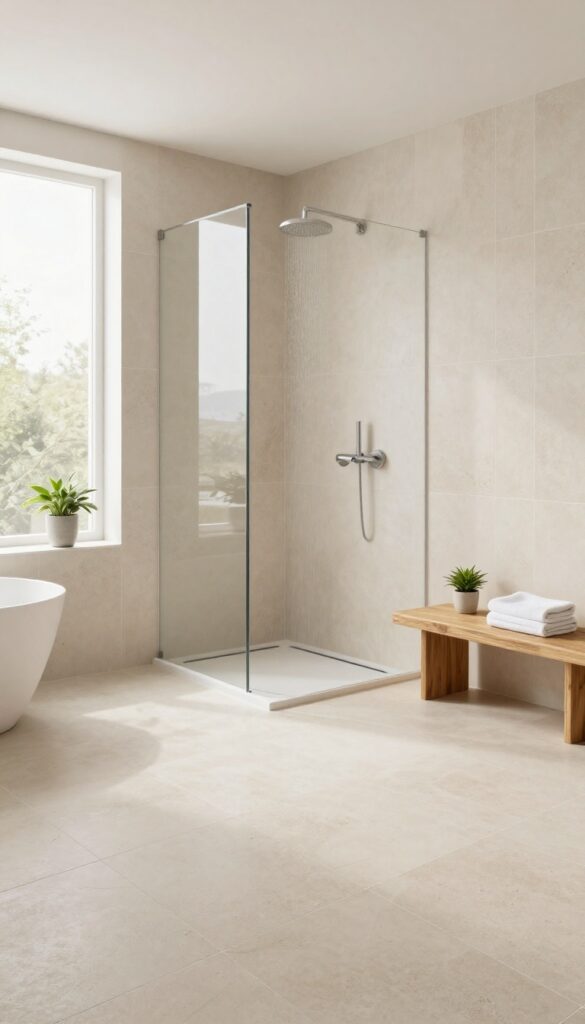
If you're ready to ditch the shower door and step over nothing at all, a wet room might be exactly what you need. This open-concept design turns the entire bathroom floor into a waterproof zone, so there's no barrier between you and the shower. It's a bold look, but it also makes moving around effortless—no thresholds, no tracks, no obstacles.
A wet room is essentially a shower without a curb or door. The whole floor is sloped slightly toward a drain, so water flows away naturally. This design is a favorite for accessible bathrooms because it gives you a completely level surface to walk on.
You can roll a wheelchair or walker right in, and there's nothing to trip over. Plus, the open layout makes the room feel larger and more luxurious, like a high-end spa.
Why A Wet Room Works For Accessibility
The key benefit is the zero-threshold entry. You don't have to lift your feet or navigate a step, which reduces fall risk significantly. The open space also gives you plenty of room to move around, whether you're using a shower chair or need assistance from a caregiver.
And because there's no door or curtain, you never have to wrestle with hardware while trying to stay balanced.
Materials And Slope: Getting It Right
For a wet room to function properly, the floor needs a gentle slope—usually about 1/4 inch per foot—directing water to the drain. Choose slip-resistant tile or textured stone to keep the floor safe when wet. Waterproof membranes and a linear drain along the wall are common choices.
It's a job best left to a professional to ensure proper waterproofing and drainage.
Design Touches For A Spa-like Feel
Wet rooms look stunning with large-format tiles and minimal grout lines. You can add a rainfall showerhead, a built-in bench, or even a small plant to enhance the spa vibe. Since there's no enclosure, consider a glass panel as a partial divider if you want to keep water from splashing outside the shower zone.
This maintains the open feel while adding a bit of separation.
11. Fold-Down Seat: Space-Saving Comfort
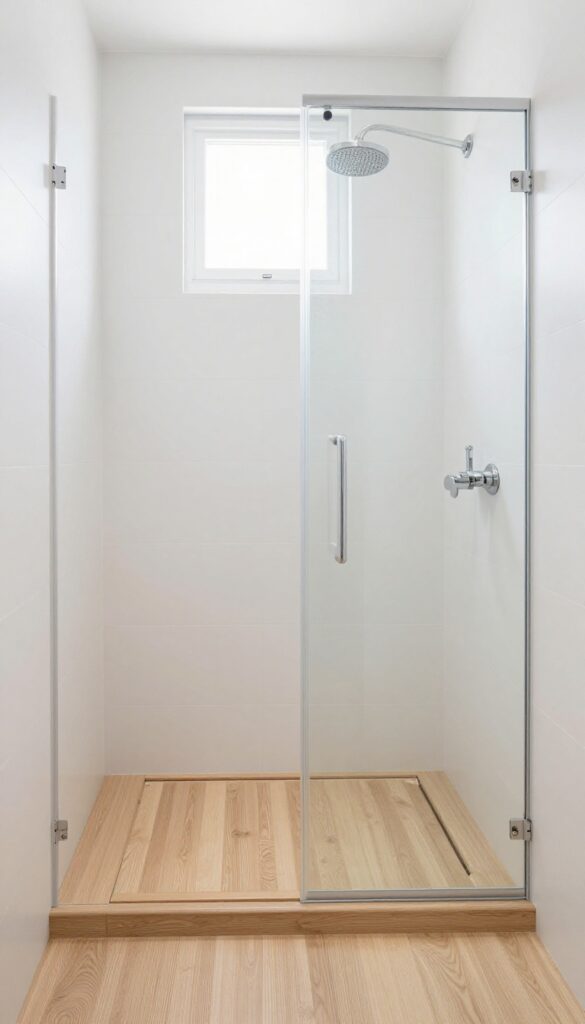
Sometimes you need a place to sit but don't want a permanent bench taking up room. A fold-down seat solves that by attaching to the wall and flipping up when not in use. It's a smart pick for compact bathrooms where every inch matters, and it gives you a sturdy spot to rest whenever you need it.
Why A Fold-down Seat Works
A fold-down seat is all about flexibility. You get the support of a bench without sacrificing floor space. When you're showering, flip it down and take a load off.
When you're done, flip it up and out of the way. It's also great for caregivers who need a stable place for someone to sit during bathing.
Choosing The Right Model
Look for a seat with a comfortable, non-slip surface—textured plastic or teak are good options. Make sure it's rated to hold at least 250 pounds and has a sturdy mounting system. Wall reinforcement is key, so check that your wall can support the weight.
Some models come with a built-in handrail, which adds extra safety.
Installation Tips
Install the seat at a height that makes sitting and standing easy—usually around 17 to 19 inches from the floor. Use a level to ensure it's even, and follow the manufacturer's instructions carefully. If you're not comfortable with DIY, hire a professional to guarantee a secure fit.
12. Adjustable Showerhead: Custom Comfort
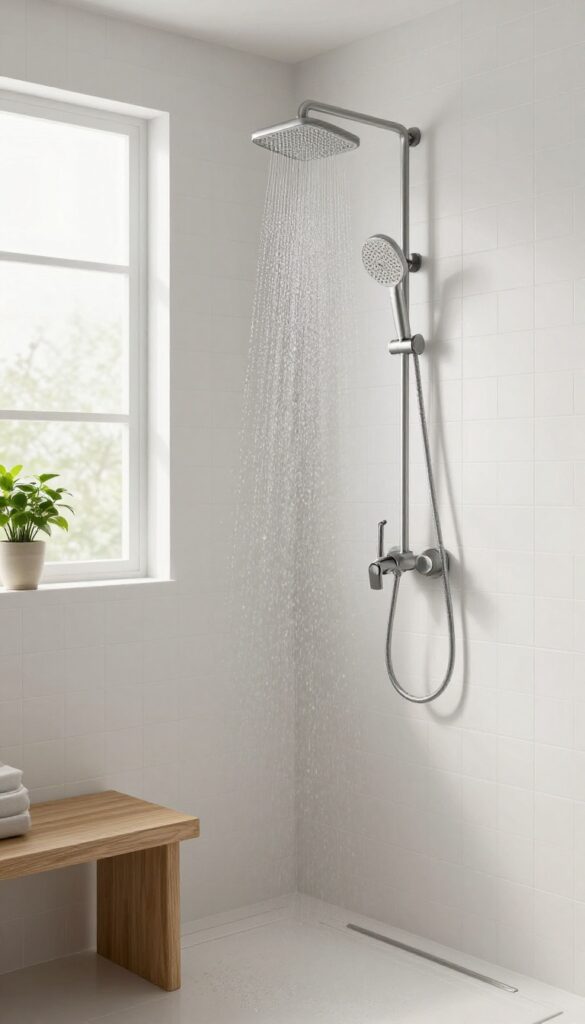
A fixed showerhead can force you into awkward positions just to get clean. An adjustable model on a sliding bar changes that by letting you set the height exactly where you need it. This small upgrade can make a big difference in how comfortable and safe your shower feels.
With an adjustable showerhead, you can avoid bending or reaching, which is a huge win for anyone with limited mobility or balance issues. The sliding bar lets you move the head up or down with minimal effort, and many models come with a handheld option for even more flexibility. A long hose adds extra reach, so you can easily rinse off while seated or target specific areas without twisting.
Why Height Matters
When the showerhead is too high, you might stretch or stand on tiptoes to adjust it. Too low, and you're crouching. An adjustable bar puts the spray right at shoulder or chest level, so you can stand naturally and keep your feet firmly planted.
That reduces the risk of losing your balance.
Handheld Flexibility
Many adjustable showerheads come with a detachable handheld unit. This is a game-changer if you need to sit on a bench or shower chair. You can direct the water exactly where you need it without moving your body, which is both safer and more convenient.
Easy Installation
Swapping out a fixed showerhead for an adjustable one is usually a straightforward DIY project. Most kits include everything you need, and you don't have to call a plumber. Just make sure the sliding bar fits your existing shower arm, and you're good to go.
13. Lighting and Contrast: See Clearly
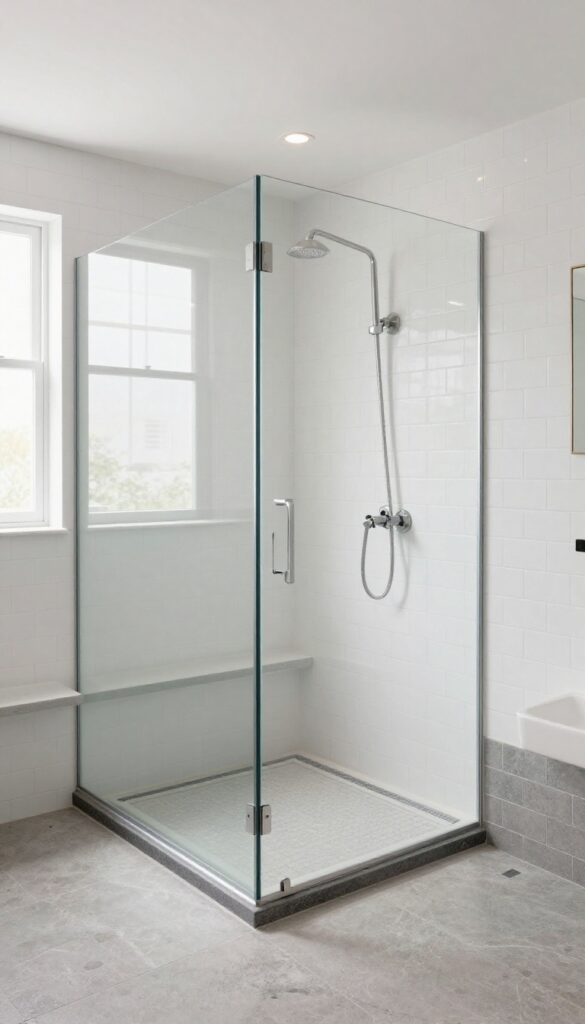
Dim, shadowy showers are a recipe for slips and missteps. When your eyes can't easily distinguish edges or changes in surface, your balance takes a hit. Bright, even lighting and thoughtful contrast can make a world of difference in how safe and comfortable your shower feels.
A well-lit shower isn't just about visibility—it's about giving your brain clear cues to navigate the space. Harsh shadows can make a wet floor look like a dry one, or a step look like a flat surface. By layering light and using color strategically, you can eliminate those confusing zones and make every step feel deliberate and secure.
Bright, Even Lighting
Start with a ceiling-mounted light that provides broad, shadow-free illumination. If you can, add a second light source, like a wall sconce or recessed light near the shower entrance. This reduces dark corners and helps your eyes adjust quickly when you step in.
Look for fixtures rated for damp or wet locations, and consider LED lights that mimic natural daylight—they make colors and textures easier to read.
Use Contrast For Depth Perception
Our brains rely on contrast to judge distances and surface changes. If your shower floor and walls are all one color, it's hard to tell where the wall ends and the floor begins. Choose a floor tile that's noticeably lighter or darker than the walls.
You can also add a contrasting strip along the edge of a curb or a different color tile on the shower seat. These visual cues help you see exactly where to step and what's ahead.
Avoid Glare And Reflections
While bright light is good, glare can be just as dangerous as darkness. Glare from shiny tiles or a wet floor can temporarily blind you, making it hard to see obstacles. Choose matte or textured tiles that diffuse light instead of reflecting it.
Position lights so they don't shine directly into your eyes when you're looking down. A dimmer switch is a great addition—you can lower the light for a relaxing soak and brighten it fully when you need maximum visibility.
FAQ
What is the easiest way to make a shower more accessible?
The simplest and most cost-effective way is to add grab bars and a non-slip mat or adhesive strips. These can be installed without major renovations and provide immediate support and traction.
How much does a curbless shower cost?
A curbless shower can cost anywhere from $2, 500 to $8, 000 or more, depending on the size, materials, and whether you need to modify the subfloor. It's a significant investment but adds both safety and value to your home.
Can I install grab bars myself?
Yes, if you're handy and have the right tools. However, it's crucial to anchor them into wall studs or use heavy-duty anchors designed for tile. If you're unsure, it's best to hire a professional to ensure they're secure.
What type of flooring is best for a shower?
Look for tile with a high coefficient of friction (COF) of 0. 6 or higher. Textured porcelain, natural stone, or pebble tiles are excellent choices.
Avoid glossy or polished surfaces that become slippery when wet.
Are walk-in showers safe for elderly people?
Yes, walk-in showers with a curbless or low-threshold entry are much safer than traditional tubs or showers with high steps. Adding features like grab bars, a bench, and a handheld showerhead further enhances safety.
Conclusion
Creating an easy-access shower doesn't mean sacrificing style. By incorporating these ideas, you can build a space that's both safe and visually appealing. Start with the changes that address your most pressing needs, and gradually add others as your budget allows.
Remember, even small upgrades like grab bars or a handheld showerhead can make a big difference in your daily routine. Prioritize safety, but let your personal taste shine through. With these ideas, you'll enjoy a shower that's as beautiful as it is functional.