15 Cleaning Gas Stove Grates Tips for Heavy Grease
Heavy grease on gas stove grates doesn't have to mean hours of scrubbing. With the right approach, you can cut through even the most stubborn layers using common household ingredients and a little patience.
These 15 tips target baked-on grime from multiple angles, so you can pick the method that fits your schedule and supplies. Some techniques work overnight while others deliver results in minutes, depending on how much elbow grease you want to invest.
The key is matching the right cleaner to your grate material and grease level. From pantry staples like baking soda and ketchup to heavy-duty options like ammonia and oven cleaner, each tip addresses a specific stage of grime.
1. The Baking Soda Paste Power Wash
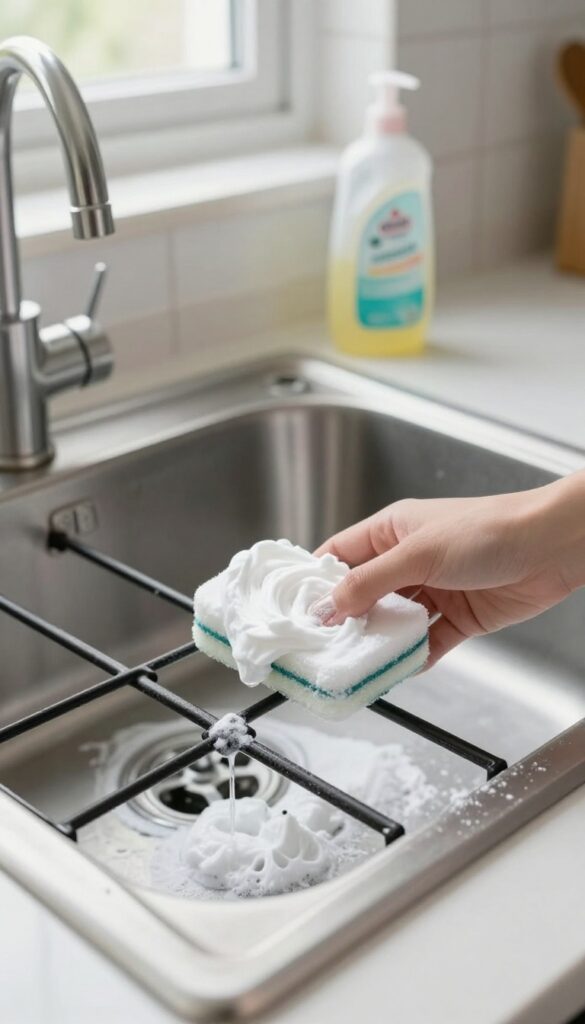
Baking soda is a gentle abrasive that works wonders on greasy grates without scratching the surface. When mixed into a thick paste, it clings to vertical surfaces and breaks down baked-on residue. This method is ideal for light to moderate grease buildup and requires only two ingredients you likely already have in your kitchen.
Start by removing the grates from your stove and placing them in a sink or large basin. Mix about half a cup of baking soda with just enough water to form a spreadable paste—think toothpaste consistency. Using a sponge or your fingers (gloves recommended), coat every surface of the grates with the paste, focusing on the greasiest areas.
Let it sit for 15 minutes to allow the baking soda to penetrate the grease. Then, scrub with a damp sponge or a soft brush, rinsing frequently. The paste will lift the grease away, leaving the grates clean and shiny.
For stubborn spots, add a little more paste and scrub again.
Why Baking Soda Works
Baking soda is mildly alkaline, which helps saponify fats—essentially turning grease into soap. Its fine crystalline structure provides gentle abrasion that dislodges grime without scratching porcelain or metal finishes. This makes it safe for all grate types, including enamel-coated ones.
Tips For Best Results
Use warm water to mix the paste—it helps the baking soda dissolve slightly and activates its cleaning power. If the paste dries out during the 15-minute wait, spritz it with a little water to keep it moist. For extra stubborn grease, add a few drops of dish soap to the paste.
Rinsing And Drying
After scrubbing, rinse the grates thoroughly with warm water to remove all baking soda residue. Dry them completely with a clean towel before putting them back on the stove to prevent water spots or rust. This method leaves no chemical aftertaste or smell.
2. Ammonia Overnight Soak for Stubborn Layers
When baking soda and elbow grease aren't cutting it, ammonia steps in as a heavy hitter. This method relies on fumes rather than scrubbing, making it ideal for grates with thick, baked-on grease that won't budge. The key is letting the ammonia work overnight in a sealed bag, so the vapors penetrate every crevice and loosen the grime.
Place your grates in a heavy-duty trash bag and pour in about 1/2 cup of clear ammonia. Tie the bag securely and let it sit overnight in a well-ventilated area, like a garage or on a porch. The ammonia fumes will break down the grease without you lifting a finger.
In the morning, remove the grates and rinse them thoroughly with hot water. Use a brush to remove any remaining residue, then wash with dish soap to eliminate any ammonia smell.
Safety First
Ammonia has strong fumes, so always work in a well-ventilated space. Wear gloves and avoid mixing ammonia with bleach or other cleaners, as this can create toxic gases. Keep the bag sealed and away from pets and children.
Tips For Best Results
For extra-stubborn spots, scrub the grates with a paste of baking soda and water after the soak. If the grease is extremely thick, let the grates soak for up to 24 hours. Always rinse thoroughly to remove any ammonia residue before using the grates again.
3. Dish Soap and Vinegar Combo Soak
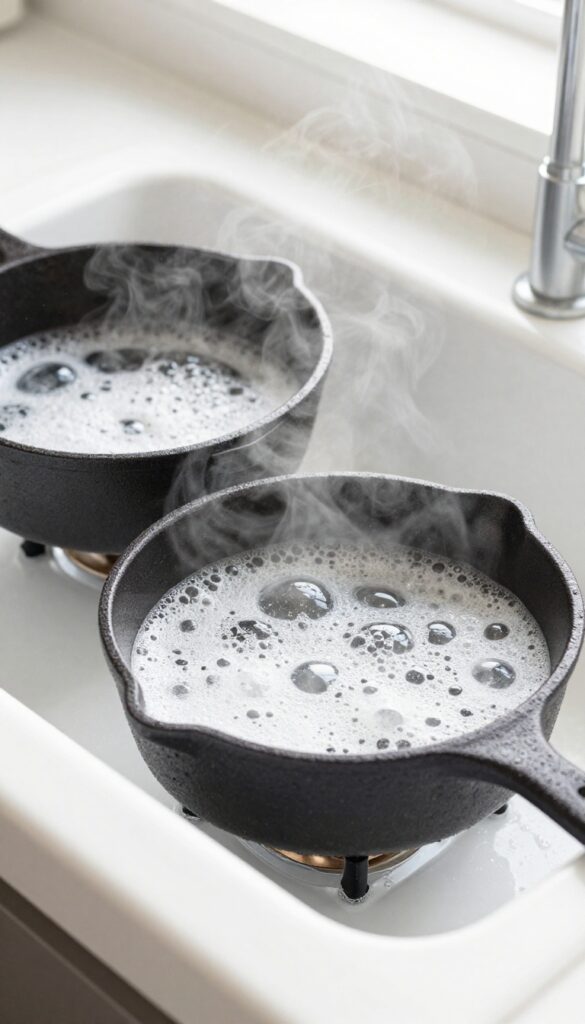
Sometimes the simplest solutions are the most effective. A soak in dish soap and vinegar works wonders on greasy grates without harsh chemicals. The vinegar cuts through grease while the soap lifts away residue, leaving grates much easier to clean.
Fill your sink or a large tub with hot water. Add a few generous squirts of dish soap and half a cup of white vinegar. Submerge the grates completely and let them soak for at least 30 minutes.
For extra heavy grease, leave them for an hour. After soaking, scrub with a non-abrasive sponge or brush. Rinse thoroughly and dry.
This method is safe for most grate materials, including porcelain and cast iron.
Why This Combo Works
Dish soap is designed to break down grease, while vinegar is a mild acid that dissolves baked-on grime. Together, they create a powerful cleaning solution that's gentle enough for regular use. The hot water helps activate both ingredients, making the soak more effective.
Best Practices For Best Results
Use the hottest water your tap can produce. If your grates are too large for the sink, use a plastic storage bin. For extra stubborn spots, add a tablespoon of baking soda to the soak.
Always rinse grates thoroughly after soaking to remove any soapy residue.
When To Avoid This Method
Avoid this soak on aluminum grates, as vinegar can cause pitting. Also, if your grates have a non-stick coating, check the manufacturer's instructions first. For heavily charred grates, you may need a longer soak or a follow-up scrub with baking soda paste.
4. Boiling Water Method for Instant Loosening
Sometimes the most stubborn grease just needs a good soak in boiling water. This method uses heat to break down carbonized grime without any harsh chemicals. If your grates fit inside a large pot, this technique can save you serious scrubbing time.
Boiling water works by softening the burnt-on grease, making it easy to wipe away. It's a simple, chemical-free approach that's especially effective for grates with thick, crusty buildup. Just be careful handling hot grates afterward.
How To Do It
Fill a large pot with enough water to fully submerge your grates. Bring it to a rolling boil, then carefully lower the grates in using tongs. Let them boil for 10 minutes.
The heat loosens the grease, and you'll see it start to float to the surface.
Cooling And Scrubbing
After boiling, turn off the heat and let the grates cool in the water until safe to handle. Remove them and scrub with a non-abrasive sponge or brush. Most of the grease should come off easily.
For stubborn spots, a little dish soap helps.
When To Skip This Method
This technique works best for cast iron or stainless steel grates. Avoid it for enamel-coated grates, as the high heat can damage the finish. Also, make sure your pot is large enough to avoid overcrowding.
5. Dryer Sheet Trick for Burnt-On Grime
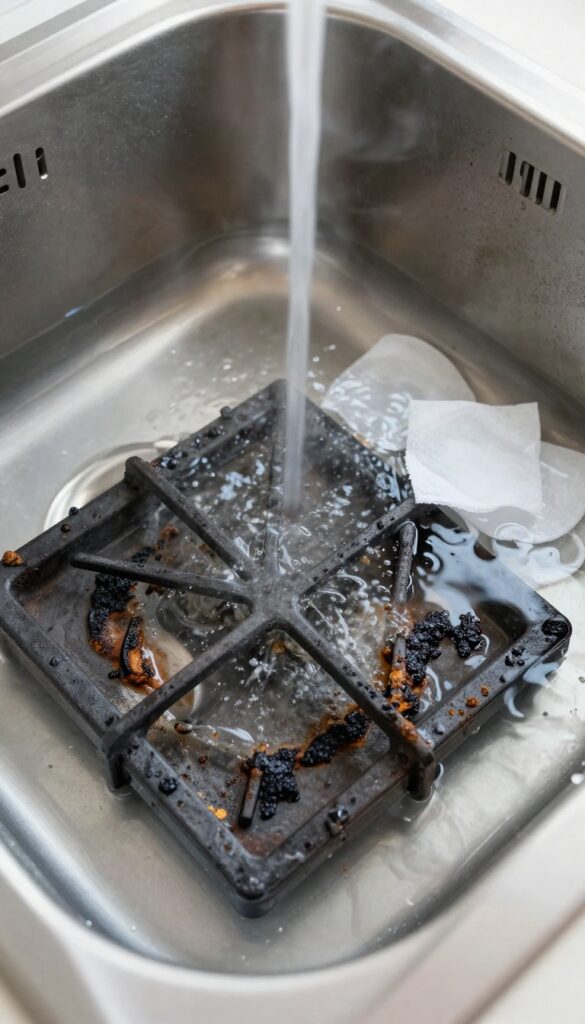
Used dryer sheets are great for more than just softening laundry. The fabric softener they contain works as a mild degreaser that helps loosen burnt-on food and grease from stove grates. This method is almost effortless and perfect for when you want to avoid harsh chemicals.
Place your grates in a large sink or basin and cover them with the hottest tap water you can get. Add a few used dryer sheets—the more the better—and let everything soak for at least an hour. The fabric softener will start breaking down the grease, making it much easier to wipe off.
After the soak, simply scrub with a sponge or soft brush; most of the grime should come off without much effort. Rinse thoroughly and dry.
Why Dryer Sheets Work
Dryer sheets are coated with a thin layer of fabric softener that contains surfactants and lubricants. When dissolved in hot water, these ingredients help lift grease and baked-on residue from the metal surface. The sheets also add a pleasant scent, leaving your grates smelling fresh.
Best Practices For Best Results
Use the hottest water possible to maximize the softening effect. If your grates are heavily caked, add a squirt of dish soap to the soak for extra degreasing power. You can reuse dryer sheets from previous loads, but avoid using new ones as they are too concentrated and may leave a sticky residue.
What To Avoid
Do not use this method on cast iron grates, as prolonged soaking can cause rust. Always check your grate material first. Also, rinse thoroughly after soaking to remove any softener residue that could affect food contact surfaces.
6. Cream of Tartar and Hydrogen Peroxide Paste
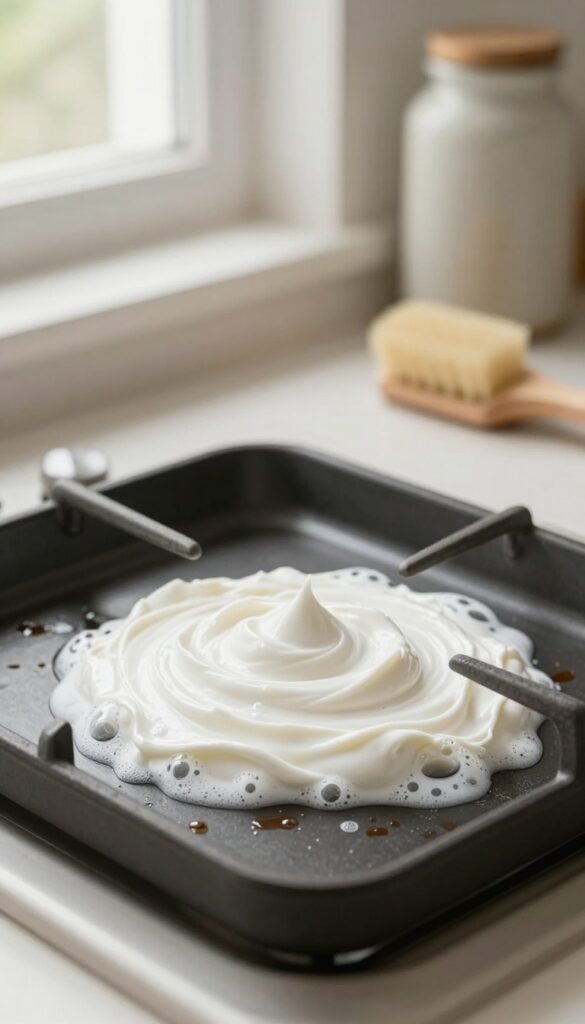
If you've got a jar of cream of tartar sitting in your spice rack, it's time to put it to work. When mixed with hydrogen peroxide, this common baking ingredient turns into a gentle but powerful paste that eats through heavy grease without scratching your grates. The combination creates a mild chemical reaction that helps lift burnt-on food and oil, making scrubbing much easier.
This method is especially good for porcelain-coated or enameled grates where you want to avoid harsh abrasives. The cream of tartar provides just enough grit to break down grease, while hydrogen peroxide adds a slight bleaching effect to brighten the surface. Start by mixing equal parts cream of tartar and hydrogen peroxide until you get a thick, spreadable paste.
Apply it generously to the greasy areas and let it sit for about 20 minutes. You'll see the paste start to bubble slightly as it works. Then scrub with a soft brush or sponge and rinse thoroughly.
For extra stubborn spots, let the paste sit longer or apply a second coat.
Why This Combo Works So Well
Cream of tartar is a mild acid (potassium bitartrate) that reacts with hydrogen peroxide, a mild bleach and disinfectant. Together they create a gentle fizzing action that helps loosen grease without the harsh fumes of chemical cleaners. The paste also has a slightly gritty texture that acts as a non-scratch scrubber.
Best Grates For This Method
This paste is safe for most grate materials, including porcelain, enamel, and stainless steel. Avoid using it on uncoated cast iron, as the acid can strip seasoning. For cast iron grates, stick to methods like baking soda or ammonia.
Always test a small hidden area first if you're unsure.
Tips For Maximum Effectiveness
For the best results, make sure your grates are cool to the touch before applying the paste. If the hydrogen peroxide isn't bubbling much, it may be old or expired—fresh peroxide works best. You can also add a few drops of dish soap to the paste for extra degreasing power.
Rinse thoroughly after scrubbing to prevent any residue.
7. Ketchup Acidic Lift for Discoloration
Ketchup isn't just for fries—it's a surprisingly effective cleaner for gas stove grates. The acidity in tomatoes helps break down grease and can even restore some of the original color to discolored grates. This method is especially handy when you want to avoid harsh chemicals.
Spread a generous layer of ketchup over the grates, making sure to cover all the greasy and discolored areas. Let it sit for about 30 minutes—the acidity works to loosen the grime. Then, rinse thoroughly with warm water and dry completely.
You'll notice a difference in both cleanliness and appearance.
Why Ketchup Works
Ketchup contains vinegar and tomato acids that cut through grease and help lift discoloration caused by heat and buildup. It's a gentle option that won't damage the grate's finish, making it safe for enameled or coated grates.
Best Practices For Best Results
For heavy grease, apply a thick layer and let it sit longer—up to an hour. Use an old toothbrush to scrub into crevices after the soak. Rinse with hot water to remove all residue, and dry immediately to prevent water spots.
When To Use This Method
This tip is ideal for grates with light to moderate grease and noticeable discoloration. If your grates are heavily caked, consider a stronger degreaser first, then use ketchup as a finishing touch to brighten the surface.
8. Oven Cleaner Spray for Heavy-Duty Jobs
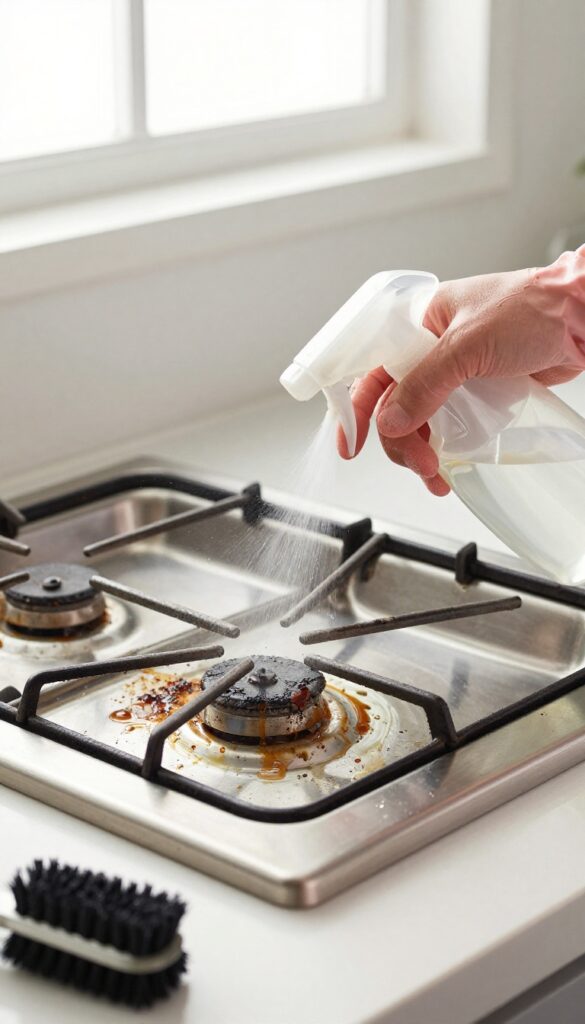
When grease has baked into a thick, crusty layer, gentle cleaners just won't cut it. Oven cleaner is a heavy-duty degreaser that breaks down carbonized grime quickly, making it a go-to for the toughest jobs. Just be sure to use it in a well-ventilated area and protect your skin with gloves.
How To Apply It Safely
Take the grates outside or place them in a sink with the window open. Spray a generous coat of oven cleaner over the entire surface, focusing on the greasiest spots. Let it sit for 15-20 minutes—don't let it dry out completely, or it becomes less effective.
Scrubbing And Rinsing
After the wait, scrub each grate with a stiff nylon brush or an old toothbrush. The grease should lift off easily. Rinse extremely well with hot water to remove all chemical residue.
Any leftover cleaner can affect food taste or cause irritation.
Important Cautions
Avoid using oven cleaner on aluminum grates—the chemicals can discolor or damage the metal. Stick to stainless steel or porcelain-coated grates only. Always wear gloves and eye protection, and keep the area ventilated throughout the process.
9. Steam Cleaning with a Handheld Steamer
A handheld steamer isn't just for fabrics or upholstery—it's a powerhouse against heavy grease on stove grates. The combination of high heat and moisture works fast to break down stubborn residue without any chemicals. It's a quick, clean method that leaves grates ready to wipe away.
Steam cleaning is ideal for those who want a chemical-free approach. The steam penetrates baked-on grease, softening it within seconds. You'll need a handheld steamer with a nozzle attachment for precision.
This method works best on grates that are already removed from the stove and placed on a protected surface.
How To Steam Clean Grates
Place the grate on a towel or in a sink. Fill your steamer with water and heat it up. Direct the steam nozzle at the greasy areas, holding it an inch or two away.
Move slowly across the surface, letting the steam soak in for a few seconds. You'll see the grease loosen and start to drip.
Wiping Away The Residue
After steaming, use a microfiber cloth or sponge to wipe off the softened grease. For stubborn spots, steam again and scrub gently with a non-abrasive brush. Rinse with warm water and dry thoroughly.
The grates will look clean without any chemical residue.
Why Skip The Chemicals
Steam cleaning avoids harsh fumes and potential residue that can affect food. It's safe for all grate materials, including enamel and cast iron (as long as you dry them well). Plus, it's eco-friendly and uses only water—a win for both your kitchen and the planet.
10. Dishwasher Cycle for Porcelain Grates
If your stove grates are porcelain-coated and labeled dishwasher-safe, let your machine do the heavy lifting. A heavy-duty cycle with a grease-cutting detergent can blast away baked-on grime without any scrubbing on your part. Just be sure to check the manufacturer's instructions first—some porcelain finishes can chip or fade in high heat.
Loading For Best Results
Place grates upright in the dishwasher, angled so water can drain freely. Avoid stacking them flat, which traps water and can lead to rust or spotting. If your dishwasher has a third rack, use it to keep grates separated and stable.
Choosing The Right Cycle And Detergent
Select the heaviest cycle available, like pots-and-pans or heavy wash. Use a detergent formulated for tough grease, such as a powder with enzymes or a gel with degreasing agents. Avoid using rinse aid if your grates are porcelain—it can leave a cloudy residue.
Drying And Finishing Touches
Once the cycle ends, open the dishwasher door slightly to let steam escape. Remove grates while still warm (use oven mitts) and dry them immediately with a microfiber cloth to prevent water spots. If any grease remains, a quick wipe with a damp sponge will finish the job.
11. Lemon and Salt Scrub for Natural Degreasing
Sometimes the simplest ingredients do the best work. A lemon and coarse salt scrub cuts through grease without harsh chemicals, and it leaves your grates smelling fresh and clean. The citric acid breaks down oil while the salt provides gentle abrasion to lift stubborn residue.
It's a quick, eco-friendly method that also deodorizes.
This method works best on moderately greasy grates. For heavy buildup, you may need to repeat the process or combine it with a soak. The fresh lemon scent is a bonus that lingers after rinsing.
How The Lemon And Salt Combo Works
Lemons contain citric acid, a natural degreaser that helps dissolve baked-on oil. Coarse salt acts as a gentle abrasive, scrubbing away residue without scratching the grate's surface. Together, they create a paste-like scrub that's tough on grime but safe for most materials.
Step-by-step Scrubbing Process
Cut a lemon in half and sprinkle the cut side generously with coarse salt. Scrub the grates firmly, focusing on greasy spots. Let the lemon juice sit for a few minutes, then rinse with warm water.
Dry thoroughly to prevent rust.
When To Use This Method
This scrub is ideal for light to moderate grease. For heavy, crusty buildup, consider soaking the grates in hot water and dish soap first, then follow up with the lemon scrub. It's also a great maintenance technique between deep cleans.
12. Bar Keepers Friend for Stubborn Spots
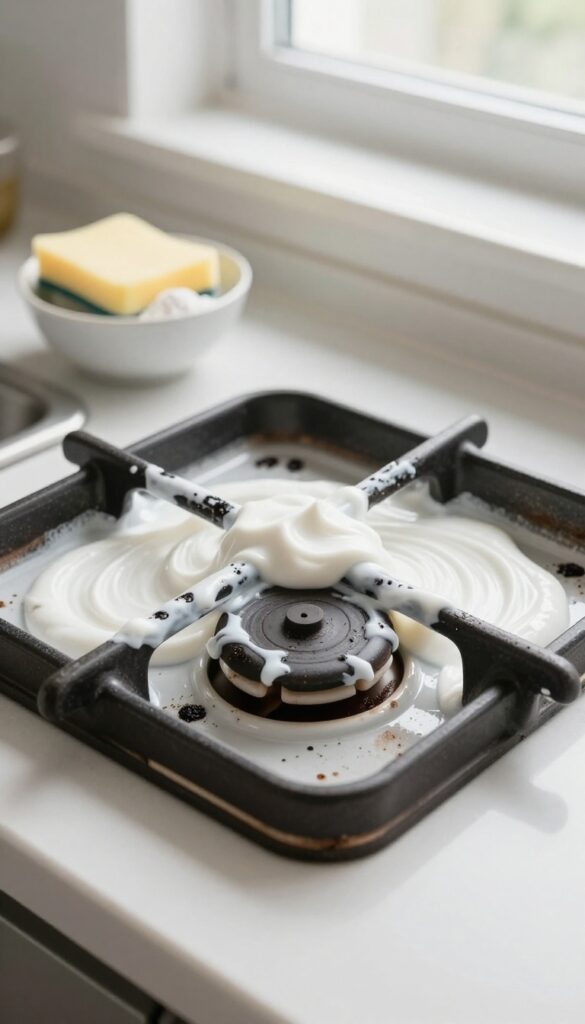
Sometimes the toughest grease requires a specialized cleaner. Bar Keepers Friend is a gentle abrasive that tackles oxidation and baked-on grime without scratching most surfaces. It's especially effective on porcelain and enamel grates.
When heavy grease leaves behind dark, stubborn spots that resist dish soap and baking soda, Bar Keepers Friend steps in. Its oxalic acid formula breaks down mineral deposits and discoloration while the fine powder provides mild scrubbing power. This cleaner is safe for most stove grate materials, but always test on a small area first.
How To Make The Paste
Mix Bar Keepers Friend powder with just enough water to form a thick paste—similar to toothpaste. Use about two parts powder to one part water. Stir until smooth, then apply directly to the greasy spots with a sponge or soft cloth.
Application And Dwell Time
Spread the paste evenly over the stained areas. Let it sit for 5 minutes to allow the oxalic acid to work on the grease and oxidation. Don't let it dry completely; if it starts to dry, spritz a little water on it.
Scrubbing And Rinsing
After the dwell time, scrub gently with a non-abrasive sponge or a soft-bristled brush. You'll see the grime lift away. Rinse thoroughly with warm water and dry with a clean towel.
Repeat if necessary for extra stubborn spots.
13. Hydrogen Peroxide and Baking Soda Fizz
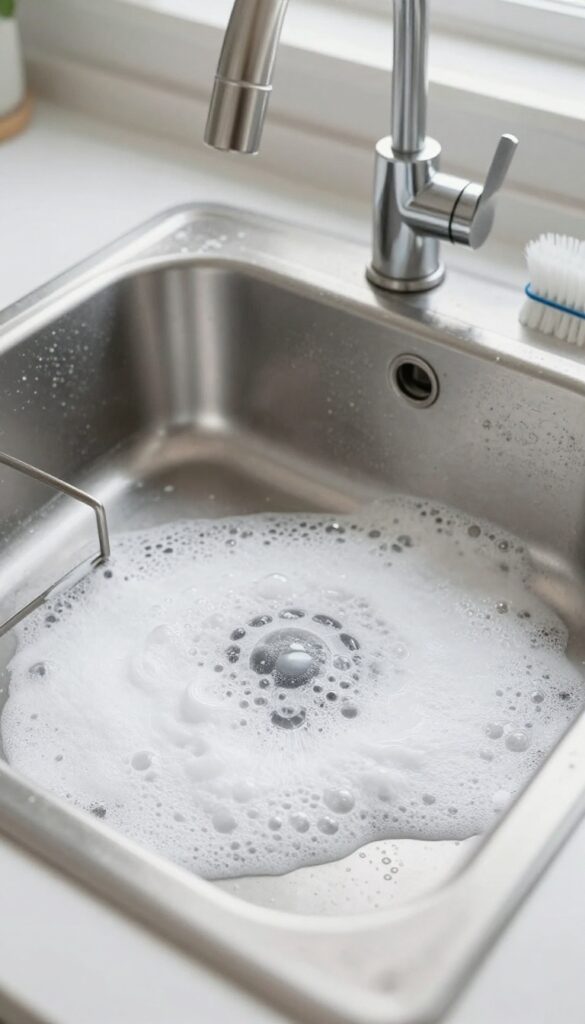
If you enjoy a little kitchen chemistry, this fizzing combo is both fun and effective. Baking soda and hydrogen peroxide react to create oxygen bubbles that help lift grease right off the metal. It's gentle enough for daily use but powerful on heavy buildup.
Start by removing the grates and placing them in a sink or on a tray. Sprinkle a generous layer of baking soda over the greasy areas, then spray hydrogen peroxide (3% solution) until the powder is damp. The mixture will bubble and fizz for several minutes.
Let it sit for about 10 minutes—the reaction will loosen even baked-on grease. Scrub with a stiff brush or sponge, then rinse thoroughly with warm water. For extra stubborn spots, repeat the process or let it sit longer.
Why This Works
Hydrogen peroxide is a mild oxidizer that breaks down organic compounds, while baking soda is a gentle abrasive. Together, they create a fizzy reaction that mechanically lifts grease without harsh chemicals.
Best For Porcelain And Stainless Steel
This method is safe for both porcelain-coated and stainless steel grates. Avoid using it on aluminum or cast iron, as peroxide can cause discoloration. Always test a small hidden area first if you're unsure.
Pro Tip: Boost With Dish Soap
Add a few drops of liquid dish soap to the baking soda before spraying peroxide. The soap helps break down grease further and makes scrubbing even easier. Just rinse well afterward to avoid residue.
14. Vinegar and Cornstarch Thick Paste
Cornstarch isn't just for thickening sauces—it's a surprisingly effective grease absorber. When mixed with white vinegar, it forms a paste that clings to grates and pulls out baked-on oil without harsh scrubbing. This method works especially well for grates with heavy, sticky residue that other cleaners struggle to penetrate.
The cornstarch acts like a sponge, drawing grease out of the metal as the vinegar breaks down the grime. Once the paste dries, it lifts away easily, taking the grease with it. This technique is gentle on all grate materials, including porcelain and cast iron, and requires minimal effort.
How To Make The Paste
Combine 1/4 cup white vinegar with 2-3 tablespoons cornstarch in a small bowl. Stir until it forms a thick, spreadable paste. Adjust the ratio if needed—add more cornstarch for a thicker consistency or more vinegar if it's too stiff.
Application And Drying
Apply the paste generously over the greasy areas of the grates using a brush or your fingers (wear gloves if you prefer). Let it sit for at least 30 minutes, but for heavy grease, leave it on for 1-2 hours until the paste is completely dry and cracked.
Removing The Paste
Once dry, simply wipe off the paste with a dry cloth or paper towel. The grease should come off with it. For stubborn spots, lightly scrub with a soft brush.
Rinse the grates with warm water and dry thoroughly before putting them back on the stove.
15. Regular Maintenance with a Grease-Cutting Spray
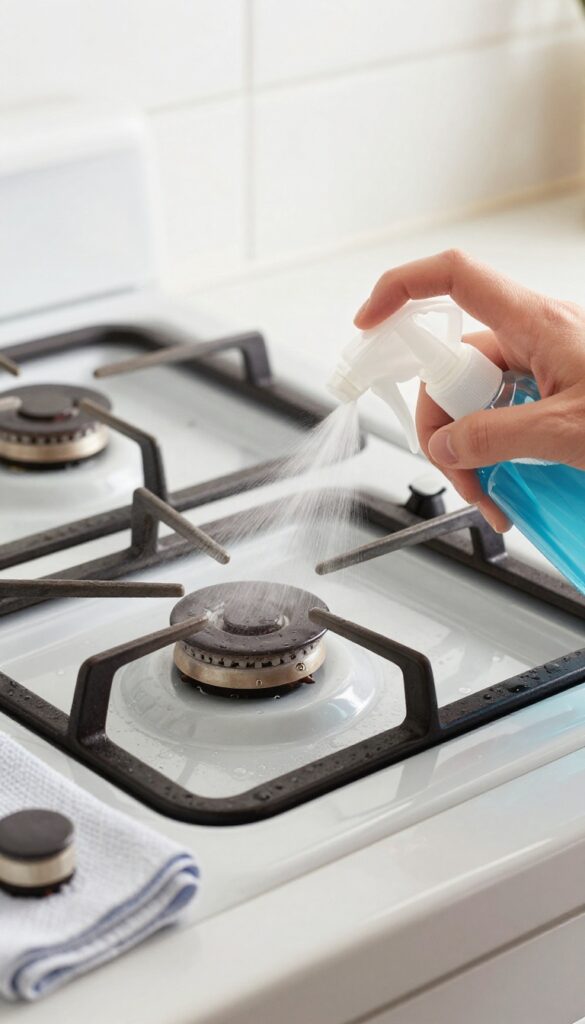
A little prevention goes a long way when it comes to heavy grease on stove grates. Instead of waiting for a thick, baked-on layer to form, make it a habit to give your grates a quick wipe after each cooking session. This simple routine can cut your deep-cleaning time by more than half.
Keeping a spray bottle of diluted dish soap and water near your stove makes post-cooking cleanup effortless. A few spritzes and a wipe with a microfiber cloth remove fresh grease before it has a chance to harden. Over time, this habit prevents the stubborn buildup that requires heavy scrubbing or harsh chemicals.
The Right Spray Ratio
Mix about one tablespoon of liquid dish soap with two cups of warm water in a spray bottle. Dish soap is designed to break down grease, so this simple solution is surprisingly effective. Avoid using too much soap, as excess suds can leave a residue that attracts more dirt.
Best Tools For The Job
Microfiber cloths are ideal because they trap grease without scratching the grate finish. For textured or porcelain grates, a soft sponge works well too. Keep a dedicated cloth near the stove so you can grab it right after cooking.
When To Spray
The best time to wipe grates is while they're still warm but not hot enough to burn you. Warmth helps loosen fresh grease, making it easier to remove. Let the grates cool for a few minutes after turning off the burner, then spray and wipe.
FAQ
Can I use bleach to clean gas stove grates?
Bleach is not recommended because it can damage the finish and is harsh on metal. Stick to gentler degreasers like baking soda, vinegar, or dish soap.
How often should I deep clean my gas stove grates?
Deep clean every 1-2 months depending on usage. If you cook greasy foods often, monthly cleaning prevents stubborn buildup.
Are all gas stove grates dishwasher safe?
Not all. Check your stove's manual. Porcelain-coated grates are often dishwasher safe, but cast iron or aluminum grates may rust or discolor.
Hand washing is safer for most.
What is the best natural cleaner for heavy grease?
A paste of baking soda and water, or a soak in vinegar and dish soap, works well. For tougher jobs, ammonia or lemon juice are effective natural options.
How do I prevent grease from building up on grates?
Wipe grates after each use with a damp cloth or a spray of diluted dish soap. Also, use a splatter screen while cooking to reduce grease splatters.
Conclusion
Cleaning heavy grease from gas stove grates doesn't have to be a dreaded chore. With the right technique, you can restore them to like-new condition without spending hours scrubbing. From natural pastes to overnight soaks, these 15 tips give you options for every level of buildup.
Pick the method that fits your schedule and supplies. A little regular maintenance will keep your grates looking great and make future cleanings even easier. Your stove will thank you.