10 Upstairs Living Room Ideas to Turn a Loft into a Retreat
Your upstairs living room might feel like an afterthought right now—a place where furniture goes to be forgotten. But with a few smart moves, it can become the retreat you actually look forward to at the end of the day.
Lofts and upper-floor rooms come with quirks: sloped ceilings, odd corners, limited natural light. Instead of fighting those features, you can work with them to create a space that feels intentional and inviting.
Below are 10 ideas that range from quick fixes to bigger changes. Pick a few, or go all in—either way, you'll end up with an upstairs living room that feels like a genuine escape.
1. Embrace the Slope with Low-Profile Furniture
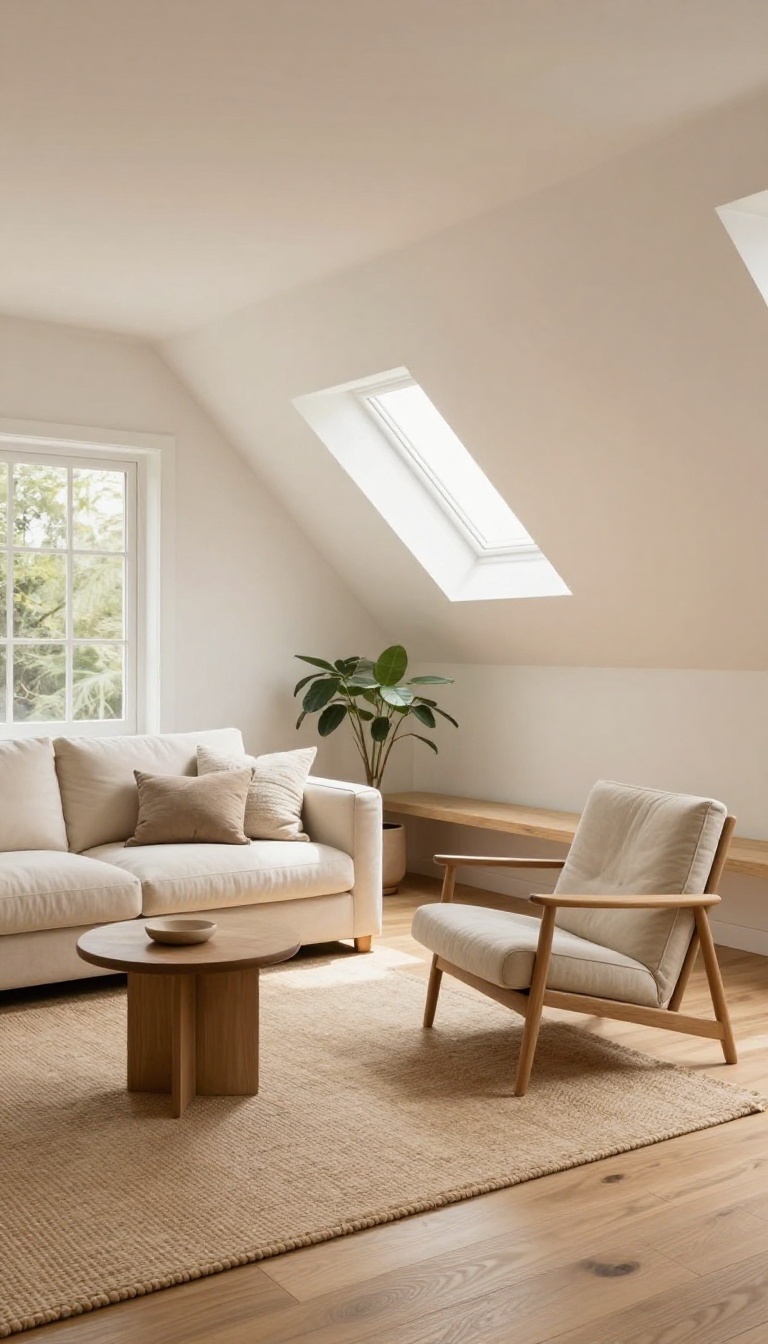
Sloped ceilings can make an upstairs living room feel cramped, but they don't have to. By choosing furniture with low backs and sleek profiles, you can tuck seating under the slope without losing comfort. This simple swap opens up the room and makes it feel larger, turning an awkward angle into a cozy asset.
When you're working with a sloped ceiling, the last thing you want is a tall, bulky sofa that makes the space feel closed in. Low-profile furniture is your best friend here. It fits neatly under the slope, keeps sightlines open, and actually makes the room feel bigger.
Plus, it forces you to be intentional about your layout, which often leads to a more streamlined, relaxing space.
Why Low Backs Work
Low-back sofas and chairs are designed to sit below the slope, so you don't have to worry about headroom. They also create a clear line of sight across the room, which visually expands the space. And because they're closer to the ground, they can make the ceiling feel higher than it actually is.
Picking The Right Pieces
Look for sofas with a back height of 30 inches or less. Modular pieces are great because you can arrange them to follow the angle of the ceiling. Chairs with open frames or low arms also work well.
Just make sure the seat depth is comfortable—low doesn't have to mean cramped.
Arranging For Flow
Place the lowest pieces under the lowest part of the ceiling. If you have a window on the sloped wall, put a low bench or a pair of poufs there to create a reading nook. Keep the taller items, like bookshelves or floor lamps, on the wall where the ceiling is highest.
This balance keeps the room from feeling top-heavy.
2. Create a Cozy Reading Nook in an Overlooked Corner
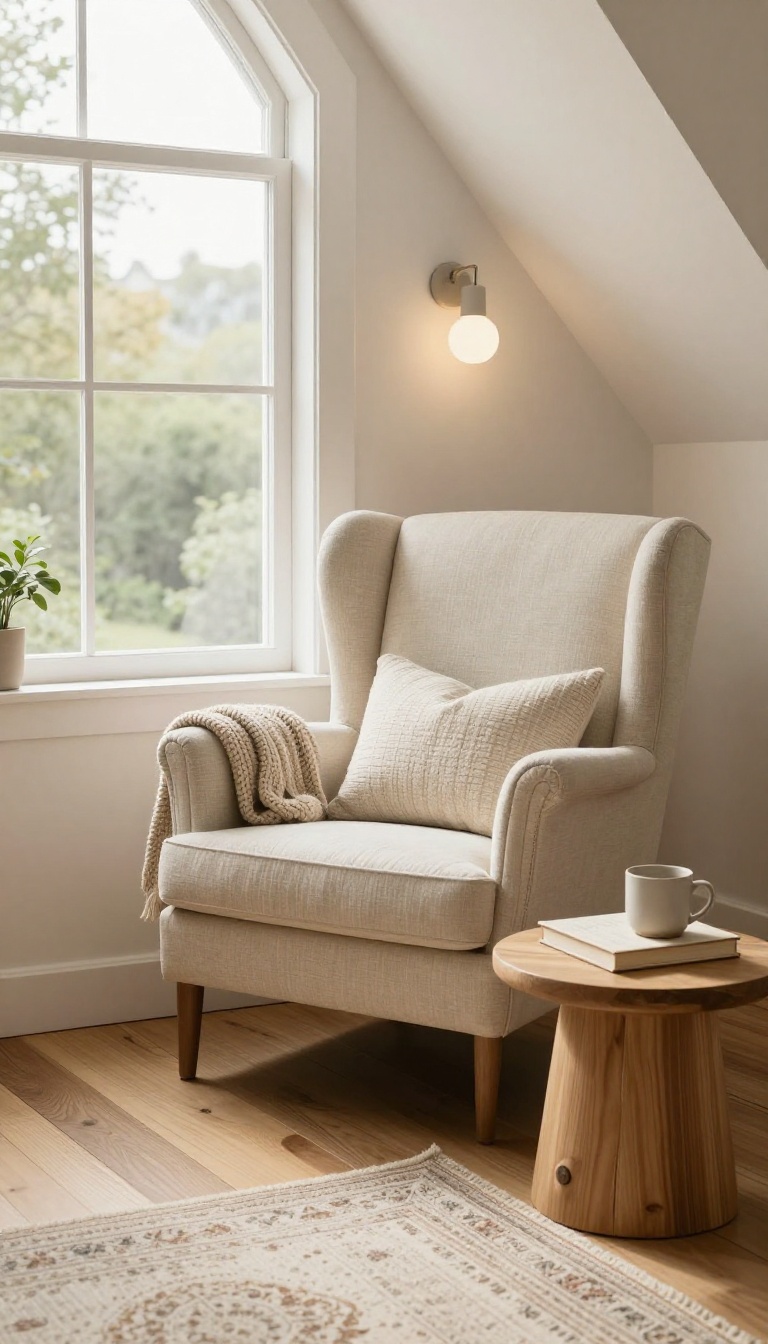
Every upstairs living room has that one corner that just collects dust—maybe it's next to a window, under a sloped ceiling, or behind the door. Instead of ignoring it, turn it into a dedicated reading spot. With a few key pieces, you'll gain a functional retreat that makes the whole room feel more intentional.
A reading nook doesn't need much space. A comfortable chair, a small side table, and a wall-mounted light are the essentials. But the real magic is in how you arrange them to make the corner feel like its own little world.
Pick The Right Chair
Go for something with good back support and a bit of cushion—a wingback, a slipper chair, or even a papasan if you want a boho vibe. Test it out: sit for 20 minutes and see if you'd stay longer. If not, keep looking.
Add A Side Table That Fits
You need a surface for a mug, a book, and maybe a small plant. A round accent table or a slim C-table works well in tight corners. Just make sure it's tall enough to reach without stretching.
Light It Without Wires
Wall-mounted sconces or plug-in swing-arm lamps save floor space and give you focused light. If you can't hardwire, opt for a rechargeable or battery-operated model. Aim for warm white bulbs—they're easier on the eyes.
Layer In Comfort
A throw blanket, a lumbar pillow, and a small rug anchor the nook and make it feel separate from the rest of the room. Keep colors and textures consistent with your overall palette so it doesn't look like an afterthought.
3. Use a Large Area Rug to Define the Living Zone
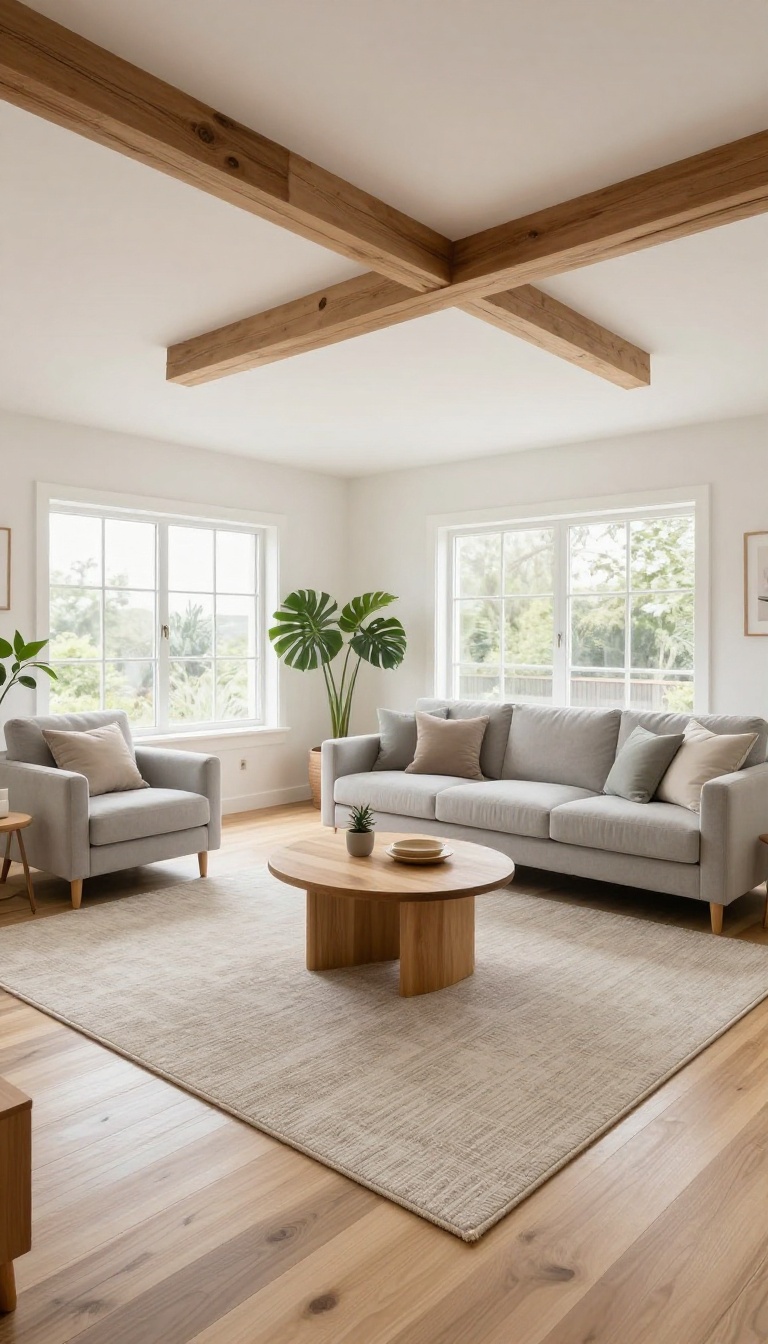
An oversized area rug does more than soften your steps. It draws a clear boundary around your seating area, telling everyone where the living zone begins and ends. In an upstairs room that doubles as a hallway or play space, that visual cue keeps things from feeling like one big jumble.
Think of the rug as the foundation for your furniture arrangement. When it's large enough, all your main pieces—sofa, chairs, coffee table—sit on it together, which instantly makes the grouping feel intentional. A rug that's too small can make even a nice sofa look like it's floating.
Aim for a size that extends at least a few inches beyond your furniture on all sides. Beyond looks, a thick rug absorbs sound, which matters in lofts with hard floors and high ceilings. It also adds warmth underfoot, so the space feels cozier on chilly mornings.
And because it's easy to swap out, you can change the whole mood of the room without repainting or replacing furniture.
Pick The Right Size
Measure your seating area before you shop. For a typical sofa-and-two-chairs setup, you'll want at least an 8×10 rug, but 9×12 works better in larger lofts. If you can't find one big enough, layer a smaller rug over a larger neutral one to cover more ground.
Choose A Style That Grounds The Room
In an upstairs space with sloped ceilings or odd angles, a rug with a simple pattern or subtle texture won't compete with the architecture. Solid colors or low-contrast geometrics keep the focus on the furniture and the view. If the room feels dark, go lighter; if it's washed out, a deeper tone adds depth.
Keep It In Place
A rug pad prevents slipping and adds extra cushioning. It also keeps the rug from bunching up if kids or pets are running around. Trim the pad slightly smaller than the rug so edges lie flat.
4. Layer Lighting for Ambiance and Task Needs
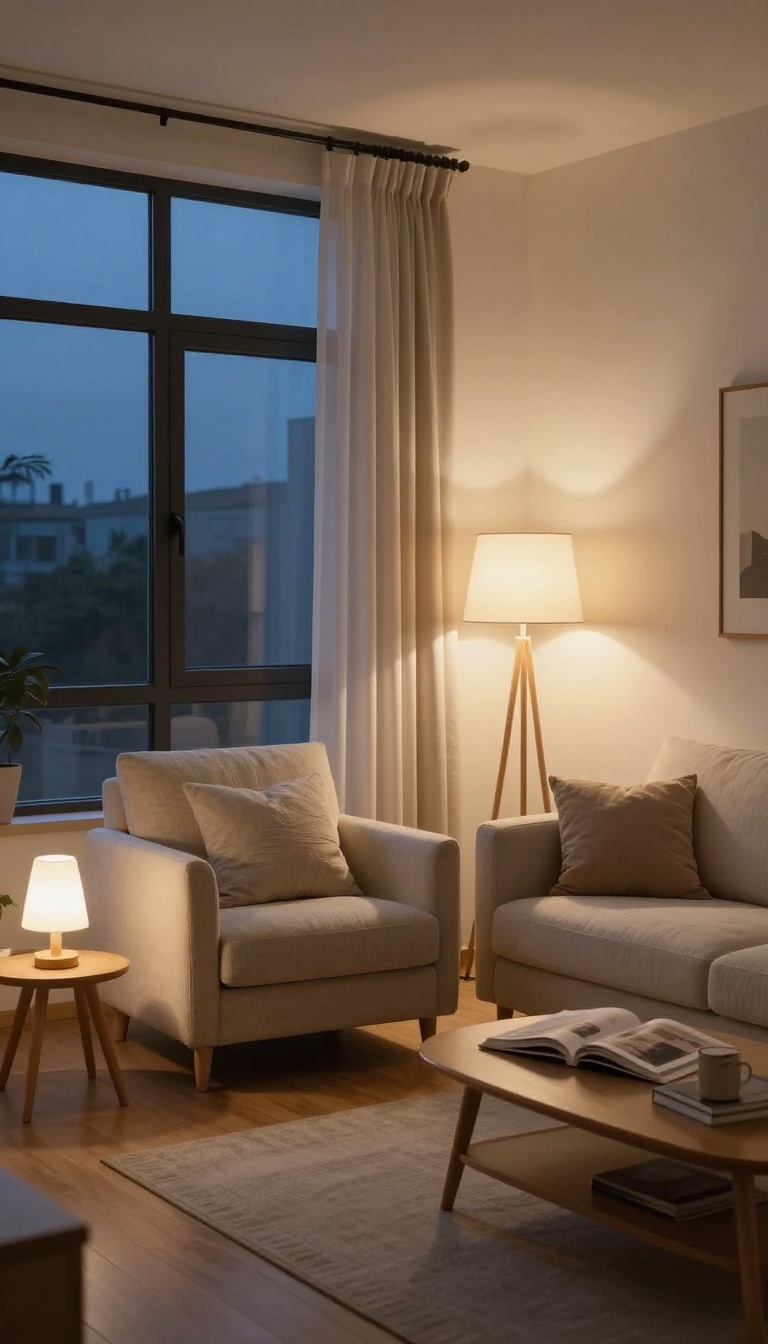
One overhead light rarely does an upstairs living room any favors. It either floods the space with harsh brightness or leaves corners in shadow. Layering different types of light gives you control—bright enough to read, dim enough to unwind.
The goal is flexibility, so the room shifts with your mood and the time of day.
Think of lighting in three layers: ambient, task, and accent. Ambient light fills the room, task light focuses on specific activities, and accent light adds depth and interest. When you combine them, you can adjust each layer independently.
That way, you're not stuck with a single setting that feels wrong half the time.
Start With Ambient Light
Ambient light is your base layer—it should be soft and spread out. Instead of a single ceiling fixture, try a few sources: a floor lamp in one corner, a table lamp on a side table, maybe a pendant if you have a higher ceiling. Dimmers are key here.
They let you dial the brightness down for evenings and up when you need to clean or host. Warm white bulbs (around 2700K) keep the atmosphere cozy rather than clinical.
Add Task Lighting Where You Need It
Task lighting is for reading, working, or hobbies. A swing-arm wall sconce next to a reading chair puts light exactly where you need it without lighting up the whole room. If you have a desk, a focused lamp prevents eye strain.
Adjustable options are best—you can aim them at a book or a laptop and avoid glare. Just make sure the light doesn't shine directly into your eyes or reflect off a screen.
Use Accent Light For Depth
Accent lighting highlights architectural features or adds a warm glow. Uplights behind a plant can wash a sloped ceiling with soft light, making the room feel taller. A small lamp on a bookshelf draws the eye and adds interest.
Even a string of fairy lights tucked into a corner can work if it fits your style. These small touches make the room feel layered and intentional.
Smart Bulbs And Dimmers Make It Easy
You don't need a complicated system to get flexible lighting. Smart bulbs let you change brightness and color temperature from your phone or with voice commands. Dimmer switches on wall fixtures are a simple upgrade.
If you want to go further, smart plugs can turn regular lamps into scheduled or voice-controlled lights. The point is to make adjustments effortless so you actually use them.
5. Add Built-In Storage to Keep Clutter Out of Sight
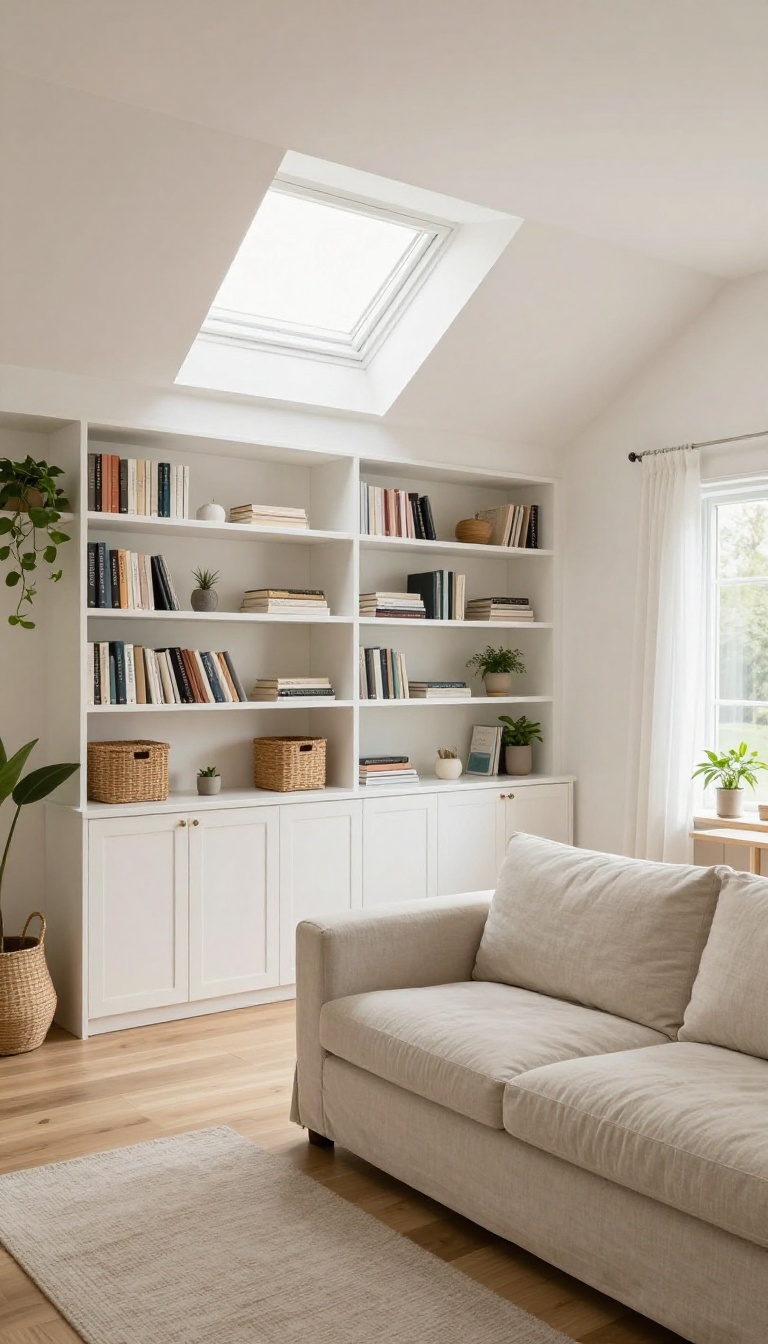
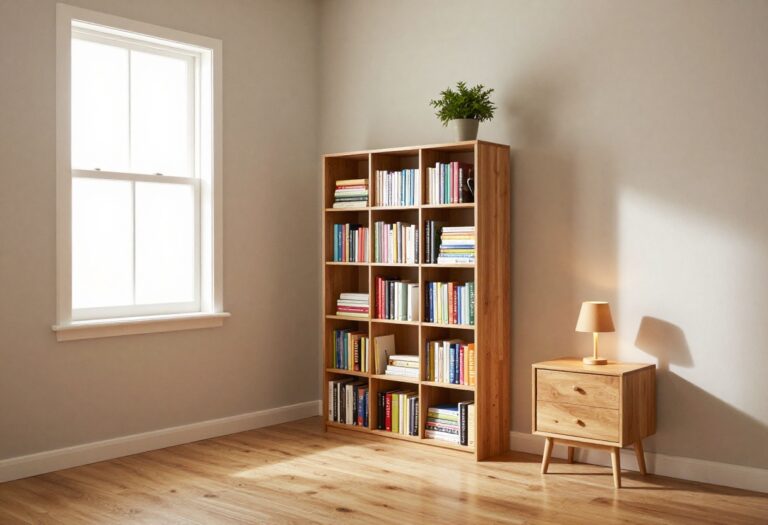
Clutter has a way of making even a spacious loft feel tight. In an upstairs living room, where every inch counts, built-in storage is the secret weapon that keeps things tidy without eating up floor space. By customizing shelves and cabinets to follow the roofline, you turn awkward angles into functional assets.
The result is a room that feels open, organized, and effortlessly put together.
Built-ins do double duty: they stash your stuff and add architectural interest. In a loft, where walls can be short and ceilings slanted, off-the-shelf furniture often leaves gaps and wasted areas. Custom pieces solve that problem by using every available inch.
You get storage that looks like it was always meant to be there, not an afterthought.
Work With The Angles
Sloped ceilings and dormer nooks are prime spots for built-in shelves. A carpenter can craft units that hug the roofline, turning dead space into display and storage. Low cabinets under the eaves can hold board games, extra blankets, or seasonal decor.
Even a small triangular shelf in a corner can make a difference.
Choose The Right Materials
Paint-grade wood or MDF keeps costs down and lets you match your wall color for a seamless look. If you want a furniture-like feel, try oak or walnut with a clear finish. For a modern vibe, mix open shelves with closed cabinets.
Whatever you pick, make sure it complements the room's style.
Keep It Functional
Think about what you actually need to store. Books and media look great on open shelves, but throws and pillows are better behind closed doors. Add a few baskets or bins for small items.
Labeling shelves can help everyone in the house keep things in order.
Don't Forget The Details
Built-ins can include hidden outlets for charging devices or LED strip lighting to highlight displays. A bench with storage underneath adds seating and hides clutter. Even a slim cabinet behind a sofa can hold remotes and magazines.
These small touches make the space more usable.
6. Choose a Soft, Muted Color Palette for Calm
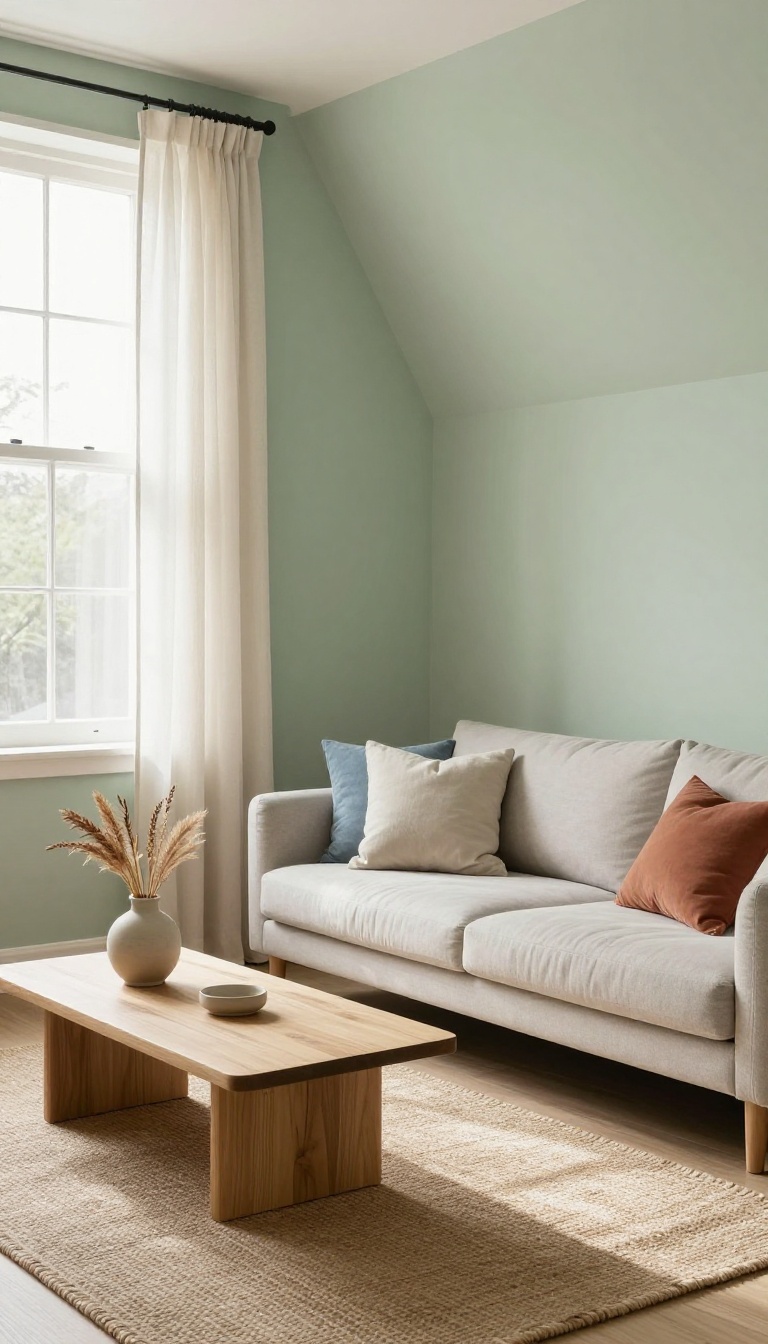
Color sets the mood before you even sit down. In an upstairs living room, bold or high-contrast walls can make sloped ceilings and tight corners feel heavier than they are. Soft, muted tones do the opposite—they open up the space and help it breathe.
You do not need to paint everything white. The goal is a palette that feels quiet and cohesive, so your eye can relax instead of bouncing around the room.
Start with the largest surfaces: walls and ceiling. Light, soothing shades like warm off-white, pale greige, soft sage, or dusty blue reflect more light and make the room feel airy. If you have sloped ceilings, painting them the same color as the walls helps them blend in rather than cut the room in half.
Once the base is calm, layer in texture so the room does not feel flat. Natural materials and woven fabrics add depth without adding visual noise. Think linen curtains, a chunky cotton throw, a jute rug, or a few wooden accents.
Keep contrast low and intentional. One or two slightly deeper tones—like a muted terracotta or soft charcoal—can ground the space without breaking the calm.
Pick A Base That Reflects Light
Choose a light, muted wall color with a warm or neutral undertone. Warm off-white, pale greige, and soft sage all work well in upstairs rooms that get less natural light. Test a few swatches on different walls before you commit, since light changes throughout the day.
Blend The Ceiling Into The Walls
If your upstairs living room has sloped or angled ceilings, paint them the same color as the walls. This simple trick makes the ceiling recede and the room feel taller and more open. It also softens awkward angles that can otherwise feel like obstacles.
Add Texture, Not More Color
Balance a muted palette with natural materials. Linen, cotton, wool, jute, and wood bring warmth and interest without introducing busy patterns. A textured throw, a woven rug, or wooden side tables can do more for the room than another coat of paint.
Keep Contrast Gentle
Avoid sharp black-and-white contrasts in an upstairs retreat. Instead, use one or two deeper muted tones for grounding—like a soft charcoal sofa or terracotta cushions. Low contrast keeps the room feeling calm and cohesive.
7. Bring the Outside In with Strategic Greenery
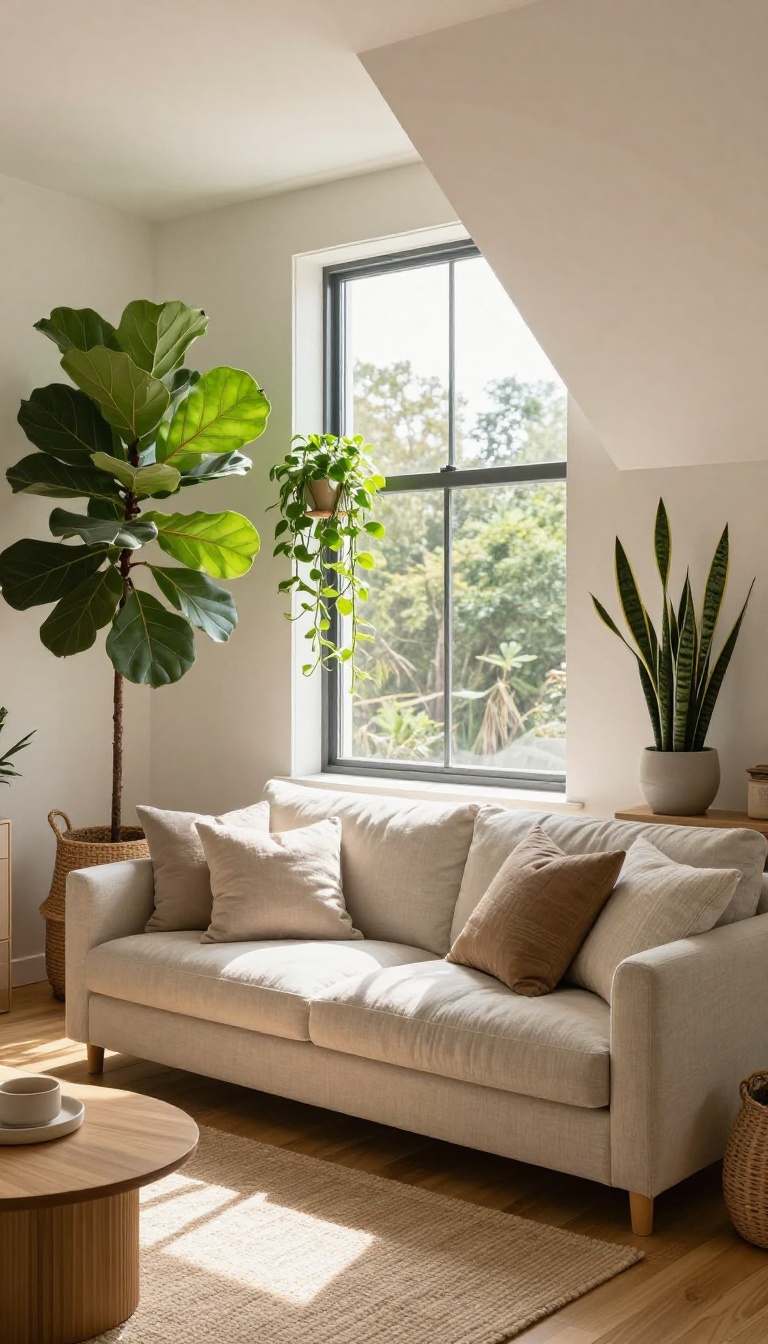
Plants have a way of making a room feel finished. They add color, texture, and a little bit of life to a space that might otherwise feel cold or unfinished. In an upstairs living room, where sloped ceilings and hard surfaces can make things feel boxy, greenery softens the edges and draws the eye upward.
Plus, many plants clean the air, which is a nice bonus for a room you actually want to relax in. You don't need a jungle—just a few well-placed plants can transform the vibe.
The key is to be strategic. You're not just scattering plants around; you're using them to highlight architectural features, fill empty corners, and create a connection to the outdoors. Think about where natural light falls throughout the day and place plants accordingly.
Also consider the scale of your space—a tiny succulent will get lost in a big loft, while a towering fiddle leaf fig might overwhelm a cozy nook. Mix heights and textures to keep things interesting. And don't forget about maintenance: choose plants that fit your lifestyle, so they thrive instead of struggle.
Pick Plants That Thrive Upstairs
Upstairs rooms often have unique light conditions—maybe a skylight, a dormer window, or just a single window that gets indirect light. Choose plants that match those conditions. Snake plants and ZZ plants are nearly indestructible and do well in lower light.
If you have a bright window, succulents, fiddle leaf figs, or monsteras will be happy. For low-maintenance options, pothos and philodendrons are forgiving and grow quickly. Avoid plants that need constant humidity or frequent watering unless you're ready for the commitment.
Placement That Works With Your Layout
Use plants to solve design problems. A tall plant can fill an awkward corner or soften a sloped ceiling. A trailing plant on a shelf can draw the eye up and add vertical interest.
Group smaller plants on a windowsill or a side table to create a mini garden. If you have a blank wall, consider a floating shelf with a few small pots. Just make sure plants aren't blocking walkways or natural light—they should enhance the space, not clutter it.
Low-maintenance Greenery For Busy People
Not everyone has a green thumb, and that's okay. There are plenty of low-maintenance plants that still look great. Snake plants, ZZ plants, and cast iron plants are tough as nails.
Air plants are fun and need no soil—just a quick soak now and then. If you want the look of greenery without the care, high-quality faux plants have come a long way. Mix real and faux to keep things easy.
The goal is to add life, not stress.
8. Make Windows a Feature with Simple Treatments
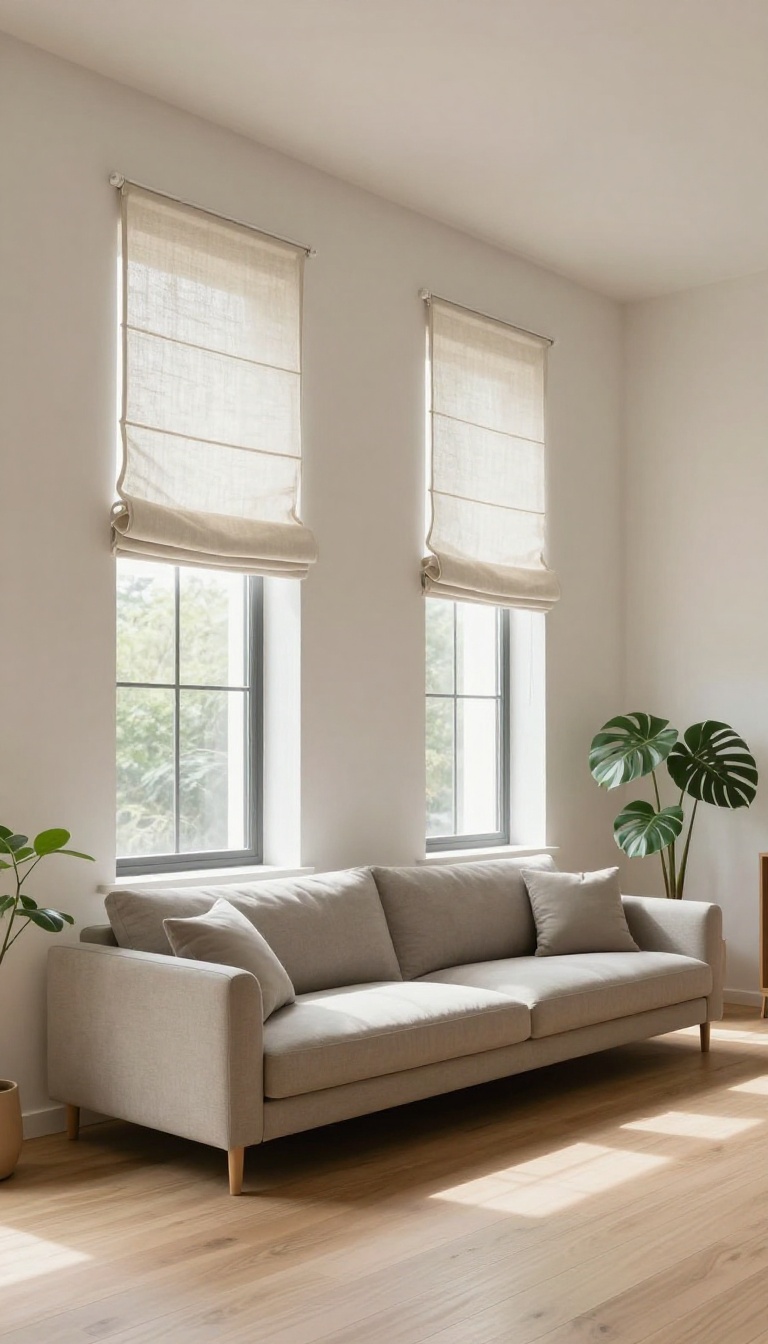
Windows in an upstairs living room are often the main source of natural light, but they can also become a design afterthought. The right treatments can turn them into a focal point while giving you control over glare and privacy. The goal is to enhance, not overwhelm, so keep things simple and let the windows do the talking.
Start by considering the shape and placement of your windows. Loft windows can be tall, narrow, or set into sloped walls, which makes standard treatments tricky. Measure carefully and choose styles that work with the architecture rather than against it.
The key is to find a balance between function and form.
Choose Roman Shades For A Clean Look
Roman shades offer a tailored appearance that suits both modern and traditional lofts. They stack neatly when raised, so they don't block views or light. Look for light-filtering fabrics if you want brightness without harsh glare.
For blackout needs, add a liner, but keep the overall profile slim.
Hang Curtains High And Wide
Mounting curtain rods close to the ceiling and extending them beyond the window frame makes windows appear larger. This trick also draws the eye upward, which is great for low ceilings. Choose a fabric that complements your color scheme without competing with it.
Linen and cotton blends hang beautifully and feel relaxed.
Skip Heavy Valances And Swags
Bulky valances can make an upstairs room feel closed in, especially if the ceiling is already low. They also block light and add visual weight. If you want a decorative top treatment, opt for a simple cornice or a subtle pelmet instead.
Less really is more here.
Layer For Light Control
Combining sheer curtains with Roman shades gives you flexibility throughout the day. Sheers diffuse bright sunlight, while shades provide privacy at night. This layered approach is practical and looks intentional.
Just make sure the hardware can handle both without looking cluttered.
9. Zone the Space with a Room Divider or Screen
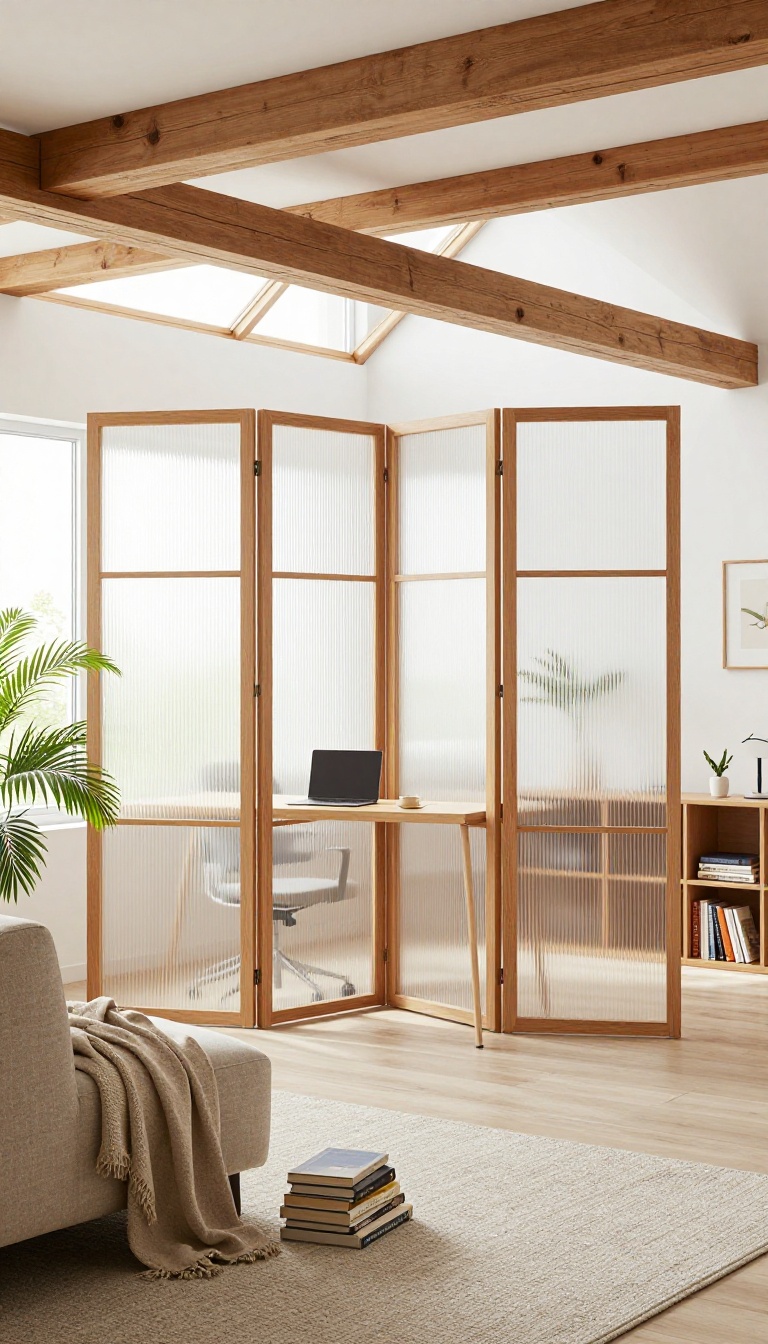
A loft that tries to do everything at once often ends up doing nothing well. You might have a TV corner, a reading nook, and a home office all fighting for attention in one open stretch. A simple divider or screen can give each zone its own identity without closing anything off.
It's one of the easiest ways to make an upstairs living room feel intentional.
The trick is to separate without sealing. You want clear visual boundaries, but you also want air and light to move freely. That's why folding screens, open shelving, and low bookcases work so well in lofts.
They define space while keeping that open, airy feel you probably fell in love with in the first place. Think about how you actually use the room. Do you need a quiet spot for video calls?
A place to stash toys? A clear path to the stairs? Once you know what needs its own zone, choosing the right divider gets a lot simpler.
Pick The Right Divider For Your Loft
Folding screens are the most flexible option. You can move them, angle them, and fold them away when you need more room. Choose one with a solid panel if you want privacy, or a slatted design if you want light to pass through.
For a more permanent feel, open shelving works double duty—it separates areas and gives you display space for books, plants, or baskets. Low bookcases are another good pick because they don't block sightlines. Just measure your space first so you don't end up with a divider that feels like a wall.
Placement Tips That Actually Work
Don't just drop a screen in the middle of the floor. Anchor it along a natural line, like the edge of a rug or the end of a sofa. That helps the divider feel like part of the design, not an afterthought.
If you're separating a workspace from a lounge area, place the divider so you can't see the desk from the couch. That mental separation makes a big difference. And leave at least a few feet of walkway on either side so the room still flows.
Style It To Blend In
A divider can add visual interest, but it shouldn't scream for attention. Match the material to your existing furniture—wood tones, metal finishes, or woven textures. If your loft leans modern, go with a clean-lined screen in a neutral color.
If it's more eclectic, try a vintage folding screen with a pattern. You can also hang a lightweight curtain from the ceiling for a softer, more temporary zone. Either way, keep the top third open so light still travels across the room.
10. Personalize with Art and Meaningful Accessories
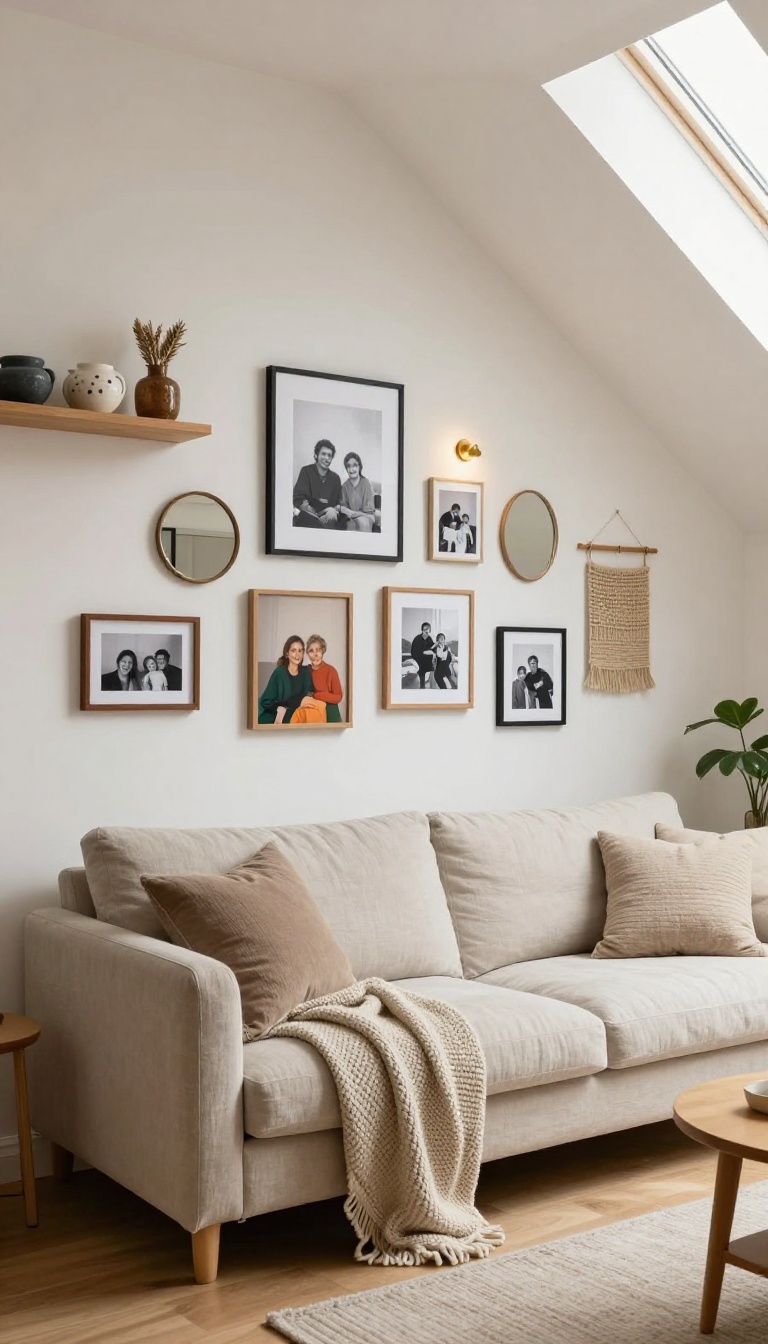
A retreat should feel like yours, not like a showroom. That's why the final layer of any upstairs living room is the personal stuff—art you love, objects with stories, and pieces that spark a memory. These touches are what turn a nice loft into a space you actually want to spend time in.
You don't need a big budget or a gallery-level collection. A few framed prints, a shelf of small treasures, or a textile from a trip can do more than a whole cart of generic decor. The goal is simple: let the room reflect the people who use it.
Personalizing is less about following a formula and more about paying attention to what you already own and love. Start by gathering items that make you smile, then find spots where they can breathe. A little restraint goes a long way—edit as you go so the room feels curated, not crowded.
Lighting matters here too. A small picture light or a well-placed lamp can make even a simple print feel intentional. And don't overlook the floor or ceiling; a woven hanging or a sculptural piece can add personality without taking up surface space.
If you're stuck, think in themes rather than random objects. A travel wall, a family photo corner, or a collection of ceramics gives the eye something to follow. That kind of cohesion makes the room feel designed, even when it's deeply personal.
Build A Gallery Wall That Tells Your Story
A gallery wall works best when it mixes sizes, shapes, and mediums. Combine framed photos with prints, postcards, or even a small mirror to keep it from feeling flat. Lay everything out on the floor first—this saves you from patching a dozen holes later.
Keep the arrangement tight enough to read as one unit. A good rule is to leave two to three inches between frames. If you're hanging above a sofa or console, aim for the bottom edge to sit about six to ten inches above the furniture.
Display Collections Without Clutter
Collections look best when they're grouped and given room to breathe. Pick a shelf, tray, or side table and corral similar items together—vases, books, stones, whatever you collect. Odd numbers tend to look more natural than even ones.
Rotate pieces seasonally or when you get bored. Storing half your collection and swapping it out keeps the display fresh and prevents dust from becoming a full-time job.
Add Texture With Textiles And Soft Goods
Textiles bring warmth and sound absorption to a loft, which often has hard surfaces. A throw from a trip, a handwoven runner, or a patterned pillow can add color and meaning at the same time. Layer different weaves and weights for depth.
Don't forget the floor. A small rug near a reading chair or a runner along a walkway can define zones and make the space feel cozier. Choose pieces you actually want to touch—this is a retreat, after all.
Let Lighting Highlight What Matters
Good lighting makes personal pieces pop. A picture light over a favorite painting or a small spotlight aimed at a sculpture draws the eye and adds drama. Battery-operated options exist if you don't want to run wiring.
Warm bulbs (around 2700K) flatter art and skin tones better than cool white. Dimmers let you shift the mood from bright and social to soft and wind-down without touching a single object.
FAQ
How can I make my upstairs living room feel bigger?
Use light colors, low-profile furniture, and mirrors to reflect light. Keep clutter to a minimum and choose multi-functional pieces to maximize space.
What's the best way to light a loft living room with sloped ceilings?
Combine recessed lights, wall sconces, and floor lamps. Dimmable options let you adjust the mood, and warm bulbs create a cozy feel.
Can I create a separate zone in an open loft living room?
Yes, use area rugs, room dividers, or furniture arrangement to define different areas without building walls. This keeps the space open yet organized.
What furniture works best under a sloped ceiling?
Low-back sofas, chaise lounges, and armless chairs fit well. Measure the lowest point and choose pieces that leave comfortable headroom.
How do I keep an upstairs living room cool in summer?
Use light-colored window treatments, ceiling fans, and breathable fabrics like cotton or linen. Portable fans and keeping blinds closed during peak sun also help.
Conclusion
A loft retreat does not happen overnight, and it should not. Pick the idea that solves your biggest daily annoyance, whether that is harsh overhead light, a blank wall, or a corner nobody uses. Try it for a week before layering in another.
Two or three moves done well will always beat a rushed weekend of shopping. Let the space stay a little imperfect. That is usually where the calm lives anyway, and it is what makes the upstairs finally feel like yours.