10 Budget-Friendly Kitchen Dining Ideas for Relaxed Everyday Meals
Your kitchen table doesn't need to look like a magazine spread to feel special. With a few thoughtful tweaks, you can turn everyday meals into moments you actually look forward to. The best part?
You don't have to spend a fortune to make it happen. These ideas focus on what works for real life—spills, busy mornings, and all. Think cozy textures, smart storage, and pieces that pull double duty.
Each suggestion is designed to feel achievable, whether you rent or own. Ready to give your kitchen dining area a refresh that won't stress your budget? Let's dive into ten simple, stylish ways to make mealtime feel a little more relaxed.
1. Mix and Match Thrifted Dinnerware
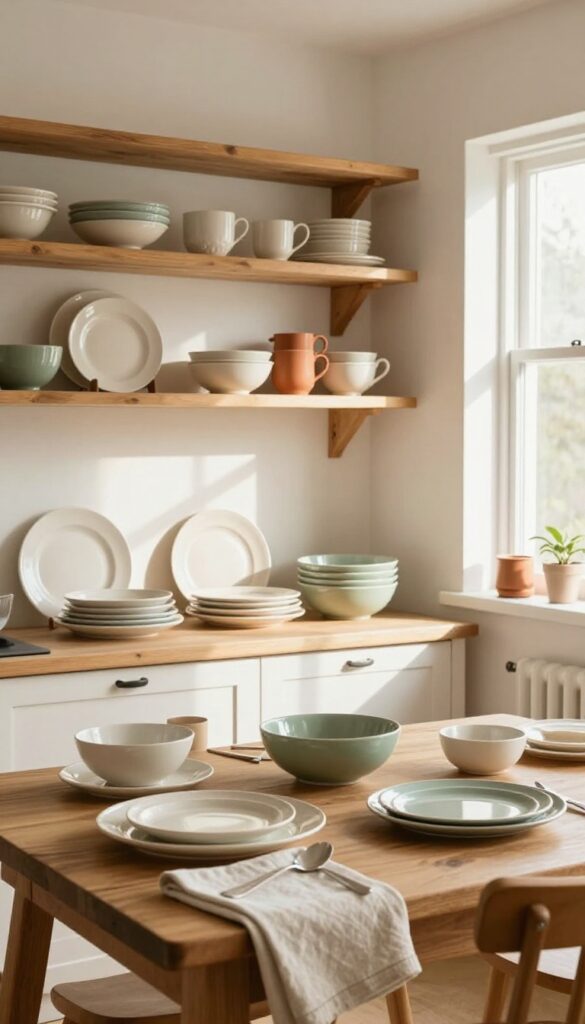
Forget the pressure of a perfectly matched dinner set. Scouring thrift stores and flea markets for individual plates, bowls, and mugs gives your table a relaxed, collected-over-time feel. The key is sticking to a loose color palette—think warm neutrals or soft blues—so the mix feels intentional, not chaotic.
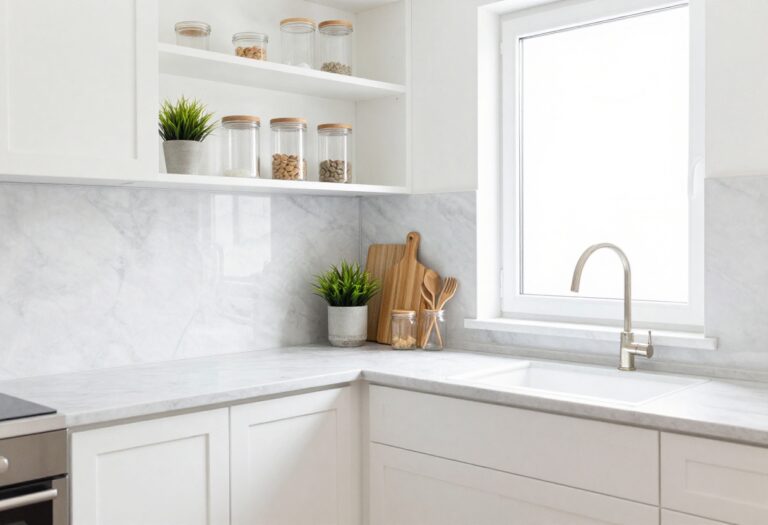
Displaying your finds on open shelving turns them into everyday art, making meals feel special without any fuss.
This approach is perfect for budget-conscious decorators who still want a stylish, personal dining space. By hunting for unique pieces, you save money and avoid the generic look of mass-produced sets. Plus, the thrill of the hunt means each piece has a story.
To keep things cohesive, limit your palette to two or three complementary colors. For example, pair creamy whites with sage greens and terracotta accents. The slight variations in patterns and shapes add depth, while the color thread ties it all together.
Open shelving is the ideal display spot—it keeps your collection visible and accessible, reinforcing that casual, lived-in vibe. Just be sure to arrange pieces in small clusters rather than lining them up, and mix in a few wooden or ceramic serving pieces for texture.
Where To Hunt And What To Look For
- Start at local thrift stores, estate sales, and flea markets. Look for sturdy stoneware or porcelain with simple patterns—hand-painted florals, geometric lines, or solid glazes. Avoid heavily chipped or cracked pieces unless you plan to repurpose them.
- Focus on items that feel good in your hand and fit your chosen palette. Don't overlook mugs and small bowls; they add variety and are easy to find.
Styling Your Shelves
- Stack plates in groups of three or four, alternating patterns. Lean a few larger plates against the back of the shelf, then nestle smaller bowls in front. Intersperse with wooden cutting boards or a small plant for warmth.
- Leave some breathing room—crowded shelves look messy. Keep the most used pieces at eye level, and store extras below in cabinets.
Budget-Friendly Swap
If thrifting feels overwhelming, start with just one new piece from a discount store and mix it with what you already own. Or swap dinner plates with a friend for a fresh look without spending a dime. The goal is to break away from uniformity, not to buy a whole new set overnight.
2. Layer a Washable Runner Over a Basic Table
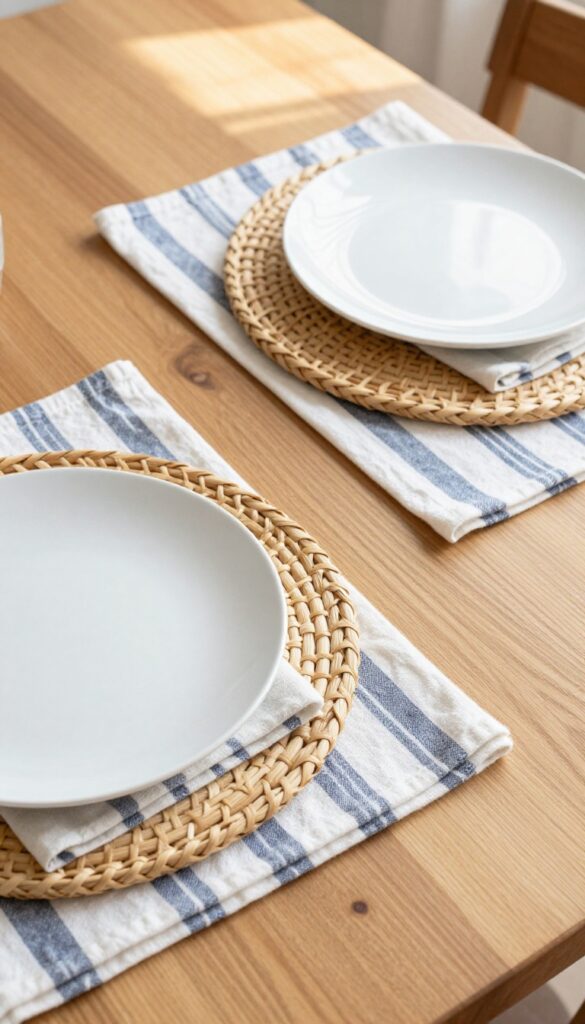
A plain table can feel a little too basic, even in a relaxed dining space. The fix is surprisingly simple: add a machine-washable table runner. It brings color, texture, and a finished look without the fuss of a full tablecloth.
Plus, you can swap it out seasonally or toss it in the wash after a messy meal.
A cotton or linen runner softens hard surfaces and makes everyday meals feel a bit more special. Choose a pattern like stripes or small florals that hide stains well. The runner doesn't have to match perfectly—contrasting with your table's wood tone or paint color adds visual interest.
Keep it slightly longer than the table for a casual drape, or tuck the ends under for a neater look.
Best Fabrics For Everyday Use
Stick with natural fibers like cotton or linen that are durable and easy to care for. Look for pre-washed or stonewashed options—they soften up nicely and resist wrinkles. Avoid delicate materials like silk or rayon that require special handling.
Patterns That Hide Messes
- Busy prints are your friend here. Stripes, gingham, small florals, or abstract patterns disguise spills and crumbs better than solid colors. If you prefer solids, go with darker shades or heathered textures.
- A mid-tone blue or green can be surprisingly forgiving.
Styling Tip: Layer With Placemats
- For extra texture and function, layer placemats over the runner. Use round bamboo or woven grass mats to break up the lines. This adds dimension and protects the runner from heavy wear.
- It's an easy way to change the look without buying a whole new table setup.
3. Use Bar Carts as Mobile Sideboards
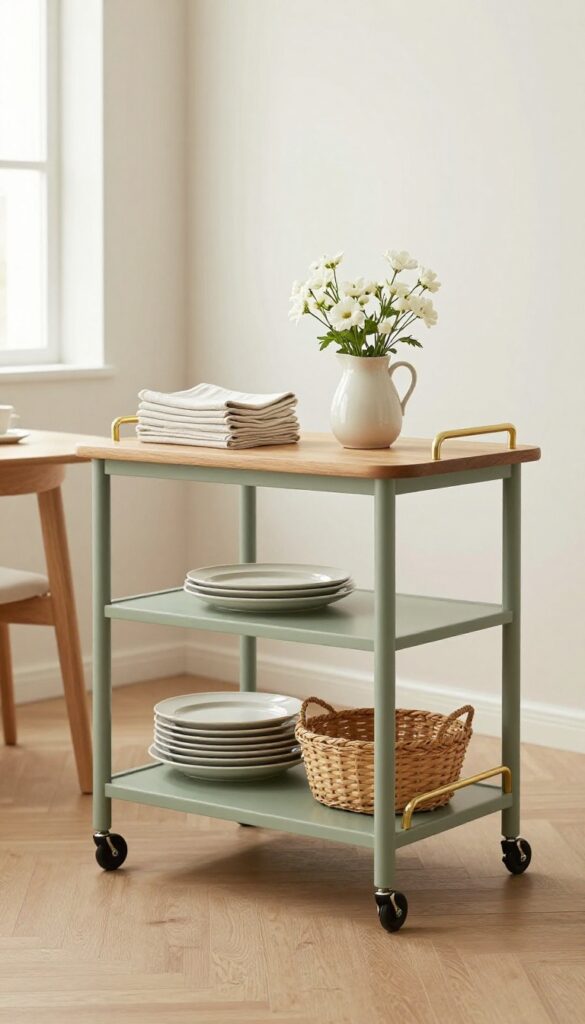
A bar cart isn't just for drinks—it's one of the most flexible pieces of furniture you can own. Roll one next to your dining table, and suddenly you have a mobile sideboard that keeps napkins, placemats, and serving dishes within arm's reach but neatly tucked away when not in use. It's a practical solution that adds a touch of curated style without taking up permanent floor space.
Secondhand bar carts are easy to find and even easier to refresh with a coat of paint in a color that ties into your kitchen or dining area. A matte black or sage green cart can anchor the space, while a brass or chrome frame adds a hint of glamour. Use the top tier for everyday items like a stack of linen napkins and a small vase of flowers, and the lower shelf for bulkier pieces like extra dinner plates or a bread basket.
The wheels let you move it out of the way when you need more room or roll it closer to the table for casual buffets.
Best Colors
Stick with neutral tones like black, white, or wood tones for a seamless look, or go bold with a deep navy or mustard yellow to make the cart a statement piece. If your cart has a metal frame, consider spray-painting it in a brushed brass or copper finish for warmth.
Budget-Friendly Swap
Skip the expensive new carts and hunt for vintage or thrifted finds. A simple wooden cart can be painted in an afternoon, and replacing the hardware with brass pulls instantly elevates the look. You can also repurpose a rolling kitchen island or a utility cart for the same effect.
Styling Tip
Layer textures by mixing materials: a marble or wood cutting board on top, a woven basket on the lower shelf, and ceramic or glass containers for utensils. Keep it functional but visually balanced—group items in odd numbers and leave some breathing room so it doesn't look cluttered.
4. Swap Out Pendant Lights for Warm, Dimmer-Controlled Options
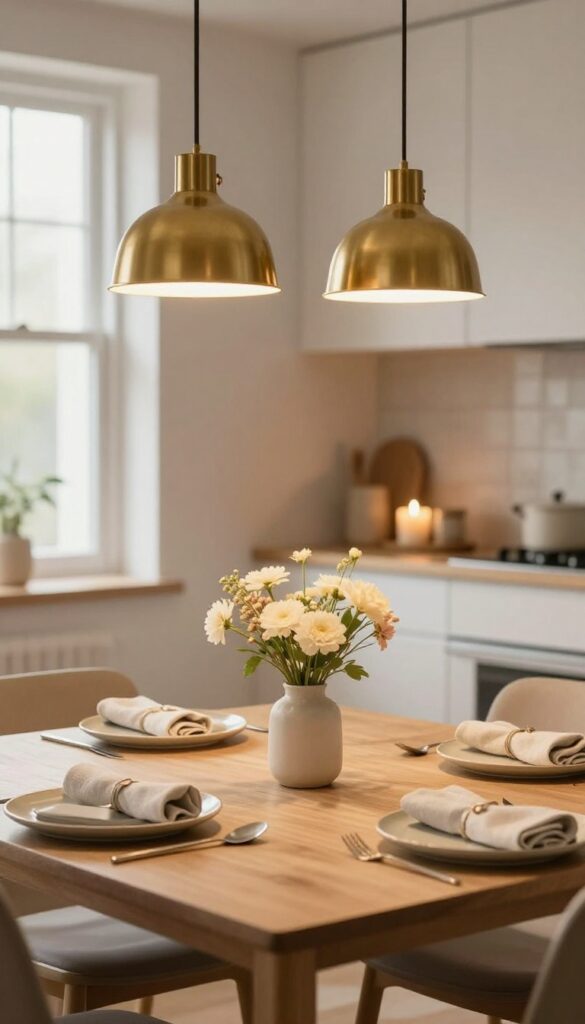
Lighting sets the mood more than any decor piece. Replace harsh overhead fixtures with warm-toned pendant lights on a dimmer switch. You can find affordable options at big-box stores or online.
The ability to dim the lights instantly makes dinner feel cozier without any major renovation.
Swapping your pendant lights is one of the quickest ways to change the entire feel of your dining area. Warm-toned bulbs (2700-3000K) create a soft, inviting glow that flatters both food and faces. Adding a dimmer gives you control—bright for meal prep, low for intimate dinners.
Look for fixtures with metal shades in brass or black for a touch of style that won't break the bank.
Budget-Friendly Swap
- You don't need to spend a fortune. Stores like IKEA, Target, and Home Depot offer stylish pendant lights under $100. Choose a simple drum or cone shape in a warm metal finish.
- Pair with a universal dimmer switch (around $15) that you can install yourself in minutes.
Placement Tip
Hang pendants 30 to 36 inches above your dining table for the best light distribution. If you have a long table, use two or three smaller pendants spaced evenly. This creates a balanced look and ensures every seat gets enough light.
Cozy Detail
Layer with a table lamp or candles on a sideboard for extra warmth. The combination of dimmed pendants and flickering candlelight makes even a quick weeknight dinner feel special. Keep the bulbs exposed or use a fabric shade for a softer glow.
5. Create a DIY Centerpiece with Grocery Store Finds
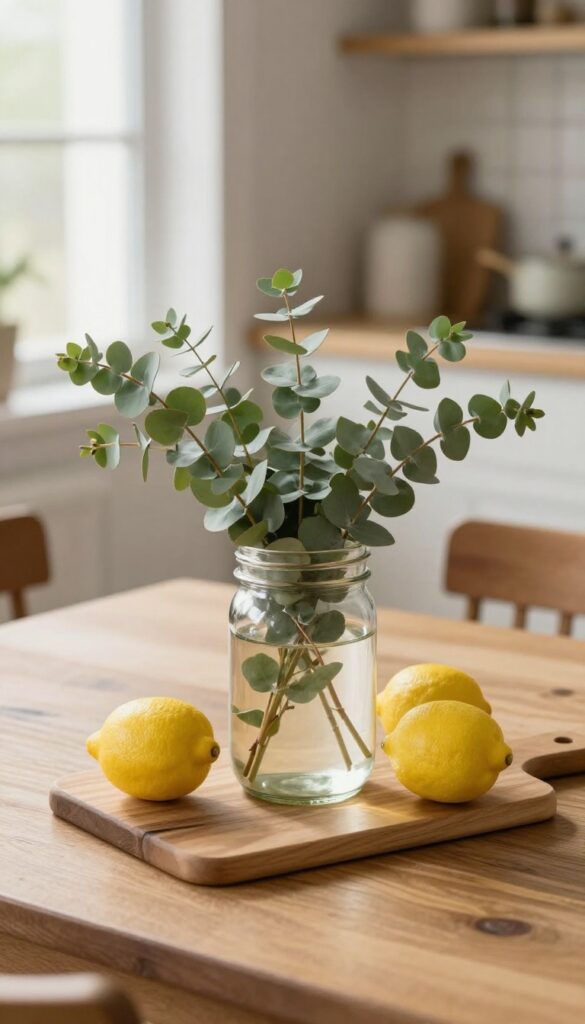
You don't need a florist or a big budget to make your dining table feel special. Next time you're at the grocery store, grab a bunch of eucalyptus, a few lemons, or some seasonal greens. Pop them in a simple mason jar or a thrifted vase, and you've got a centerpiece that looks fresh, costs next to nothing, and takes about two minutes to put together.
The best part? You can swap it out weekly with whatever looks good that week.
Forget expensive floral arrangements that wilt in days. A grocery store centerpiece is the ultimate low-effort, high-impact decor move. It keeps your table feeling current and alive without any planning or fuss.
Plus, it's easy to tailor to the season—think bright citrus in summer, pine branches in winter, or dried herbs in fall.
Best Materials To Grab
- Look for sturdy, long-lasting greens like eucalyptus, rosemary sprigs, or kale. Add a pop of color with lemons, limes, or small apples. For a rustic touch, pick up a bundle of dried lavender or wheat stalks.
- Stick to one or two types of greenery and one accent fruit or flower to keep it simple and cohesive.
Budget-Friendly Swap
Instead of buying a new vase, repurpose something you already own. A clean pasta sauce jar, a tin can with the label removed, or a ceramic mug all work beautifully. If you want a cohesive look, spray-paint a few jars in the same color—matte white or black keeps it modern.
Styling Tip For Everyday Use
- Keep the arrangement low so it doesn't block sightlines across the table. Trim stems short and cluster them in a tight bunch. Place the vase on a small wooden board or a folded linen napkin to anchor it.
- Change the water every few days to keep greens perky for over a week.
6. Add a Bench for Flexible Seating
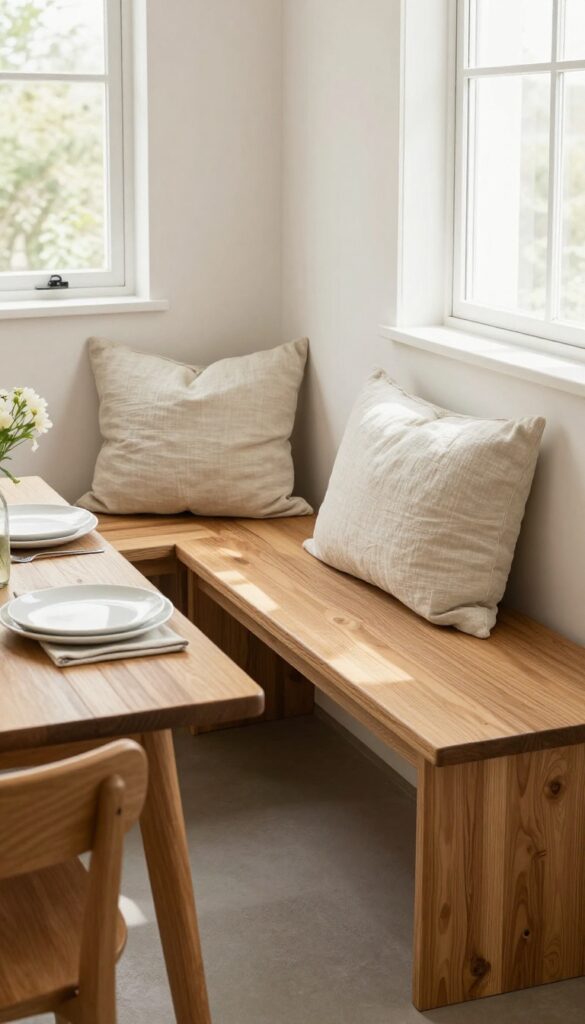
A wooden bench on one side of your dining table instantly shifts the room into a more casual, welcoming space. It breaks up the formality of a full set of chairs and makes everyday meals feel relaxed. Plus, benches are incredibly practical—they slide under the table when not in use, freeing up floor space in smaller kitchens or eat-in nooks.
The beauty of a bench is how it adapts to your needs. On busy weeknights, it lets you squeeze in an extra kid or two without hunting for a folding chair. For gatherings, guests can scooch together comfortably.
Look for unfinished benches at craft stores or online—they're budget-friendly and easy to customize. A simple stain or paint job in a color that complements your table gives it a built-in, intentional look. Pair it with a mix of chairs on the opposite side for an eclectic, lived-in vibe that still feels put together.
Best Materials
Solid pine or acacia wood benches are durable and affordable. If you want a lighter look, go for a whitewashed or natural oak finish. For a farmhouse feel, choose a bench with a chunky, distressed surface that hides everyday wear and tear.
Budget-Friendly Swap
Skip the expensive pre-finished benches. Instead, buy an unfinished bench from a craft store and apply a coat of stain or chalk paint yourself. This saves money and lets you match the exact color of your existing table or chairs.
Cozy Detail
Add a few lumbar pillows along the backrest or a long cushion on the seat. This softens the wood and makes the bench more comfortable for lingering over coffee or dinner. Choose fabrics in warm neutrals or subtle patterns to keep the look cohesive.
7. Display Everyday Glassware on a Small Tray
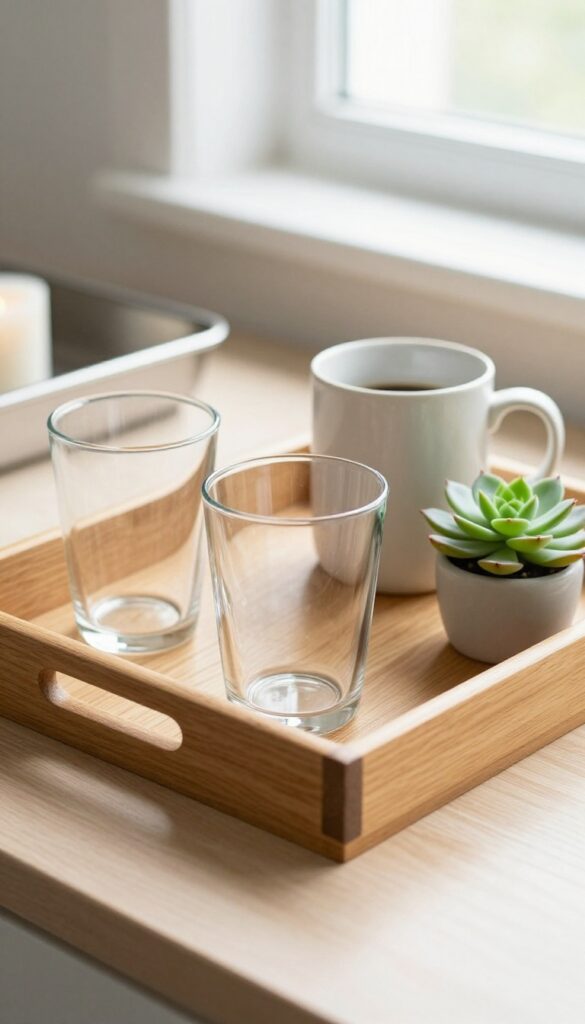
A tray isn't just for serving—it's a clever way to keep your daily glassware organized and within arm's reach. Placing a small tray on your kitchen table or sideboard corrals water glasses, coffee mugs, or even a few bottles, so they're always handy without looking messy. The trick is choosing a tray with a slight lip to catch condensation, then adding a tiny plant or candle for a finished look.
It's a simple, budget-friendly move that makes your kitchen feel more intentional and less cluttered.
This idea works especially well in open-concept kitchens where the dining table doubles as a drop zone. By dedicating a tray to everyday glassware, you create a designated spot that prevents cups from wandering off or piling up near the sink. Plus, it's an easy way to introduce a pop of color or texture—think a wooden tray with ceramic mugs or a metal tray with sleek glassware.
The best part? It costs next to nothing if you already have a tray at home, and it instantly makes your space feel more curated.
Best Materials For The Tray
- For a practical yet stylish look, go with a tray that can handle drips and daily use. Wood trays add warmth but need to be sealed or have a removable liner. Metal trays (like stainless steel or enamel) are durable and easy to wipe down.
- If you want a softer look, consider a woven seagrass or rattan tray—just keep in mind it may not hold up to moisture as well. A ceramic or melamine tray with a raised edge is another great option, especially if you plan to include a small plant that might need occasional watering.
Budget-Friendly Swap
- Don't have a tray? No problem. Use a large cutting board, a shallow baking dish, or even a clean pizza pan as a temporary stand-in.
- You can also repurpose a wooden crate or a flat basket from a thrift store. Spray-paint it in a coordinating color for a custom look. The goal is to create a contained zone—any flat, lipped surface works.
- This approach keeps costs near zero while still delivering the same organized effect.
Styling Tip: Add A Small Accent
- To keep the tray from feeling too utilitarian, layer in a small decorative item. A mini succulent, a tea light candle, or a small salt cellar adds visual interest without taking up much space. Stick to one or two accents so the tray still functions as a grab-and-go station.
- If your glassware is colorful, choose a neutral accent; if your glasses are clear, a pop of green from a plant or a bright ceramic dish can add life. This small touch makes the tray feel intentional, not just a catchall.
8. Hang a Pegboard for Utensils and Linens
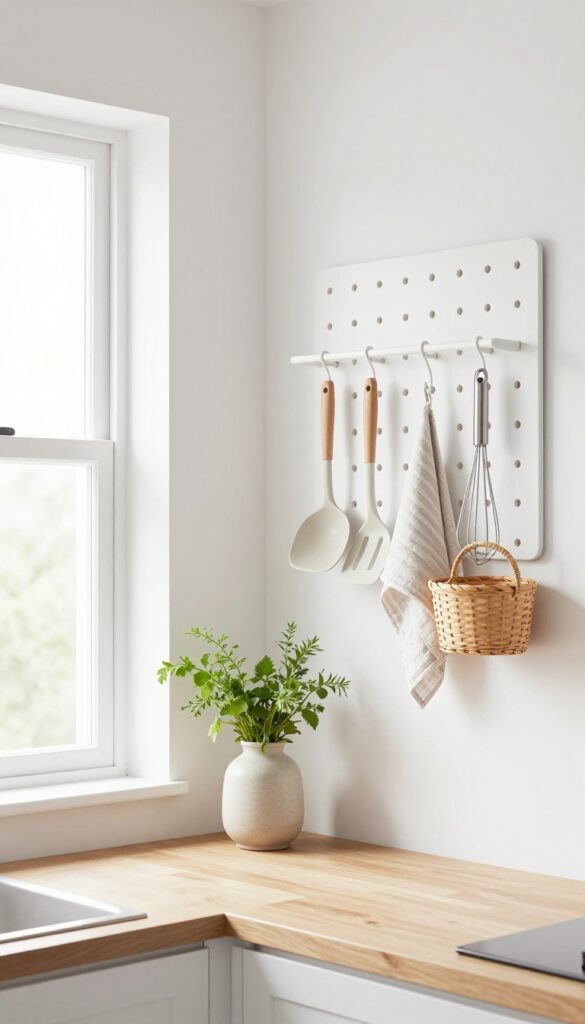
If your kitchen walls are looking bare and your drawers are overflowing with spatulas and dish towels, a pegboard is the budget-friendly hero you didn't know you needed. It turns unused vertical space into a display-worthy storage system that keeps everyday items within arm's reach. Plus, it adds a graphic, industrial edge that feels intentional, not thrown together.
Mount a pegboard on a nearby wall to hang utensils, dish towels, and even lightweight baskets for napkins. It's functional and adds a graphic, industrial touch. Paint the pegboard the same color as the wall for a built-in look.
Best Colors
For a seamless look, paint the pegboard the exact same shade as your wall. White or soft gray blends in and keeps the focus on what's hanging. If you want a pop of contrast, try a deep navy or charcoal to anchor the wall without overwhelming the space.
Storage Tip
Use a mix of hooks, small shelves, and baskets to hold different items. Reserve the lower area for everyday tools like spatulas and tongs, and use upper hooks for measuring cups or lightweight colanders. Add a small basket for napkins or pot holders to keep everything tidy.
Budget-Friendly Swap
Skip expensive custom pegboards and buy a standard square panel from a hardware store. Sand the edges lightly, apply a coat of paint, and mount it with simple furring strips for a custom look at a fraction of the cost.
9. Incorporate a Small Rug Under the Table
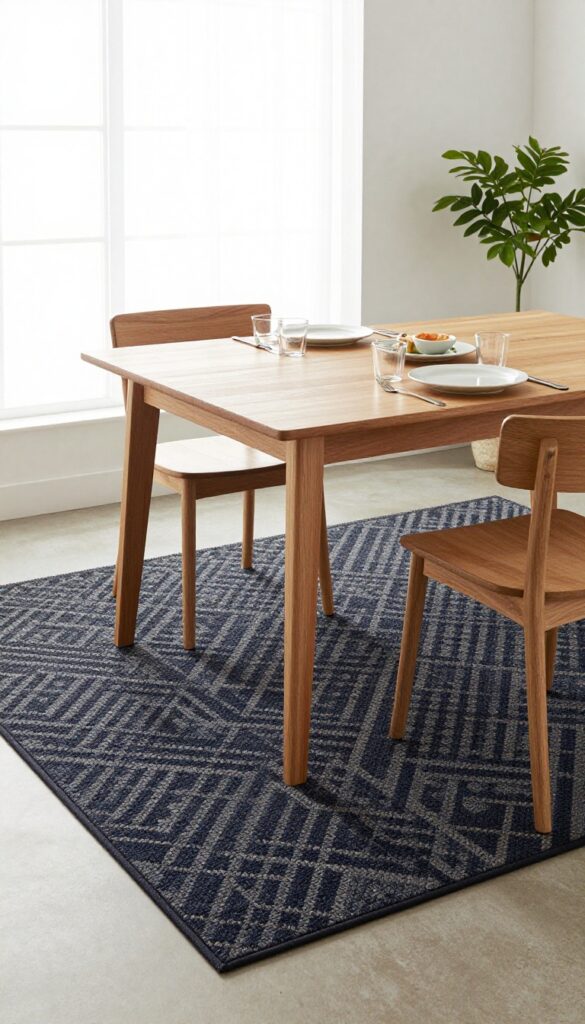
A rug under your dining table does more than just protect the floor. It anchors the space, making even a small breakfast nook feel intentional and cozy. For relaxed everyday meals, a low-pile rug in a dark, patterned fabric is your best friend—it hides crumbs and spills while adding texture and warmth underfoot.
And when you choose an indoor-outdoor style, you get durability and easy cleaning without sacrificing style.
A rug under your dining table does more than just protect the floor. It anchors the space, making even a small breakfast nook feel intentional and cozy. For relaxed everyday meals, a low-pile rug in a dark, patterned fabric is your best friend—it hides crumbs and spills while adding texture and warmth underfoot.
And when you choose an indoor-outdoor style, you get durability and easy cleaning without sacrificing style.
Best Colors And Patterns
- Stick with dark tones like charcoal, navy, or deep terracotta. Patterns like geometrics, stripes, or subtle florals are great at disguising stains. Avoid light solids—they show every drop.
- A busy print also adds visual interest to a simple table setting.
Budget-Friendly Swap
Indoor-outdoor rugs are the ultimate budget-friendly pick. They're made from polypropylene or similar synthetics, so they resist moisture, fading, and heavy foot traffic. Many cost under $100 for a 4×6 size, and you can just hose them down or spot-clean with mild soap.
Sizing And Placement Tip
Make sure the rug extends at least 24 inches beyond the table on all sides so chairs stay on the rug when pulled out. For a small table, a 4×6 or 5×7 rug works best. Use a rug pad underneath to prevent slipping and add a little cushion.
10. Repurpose a Bookshelf as a Dining Hutch
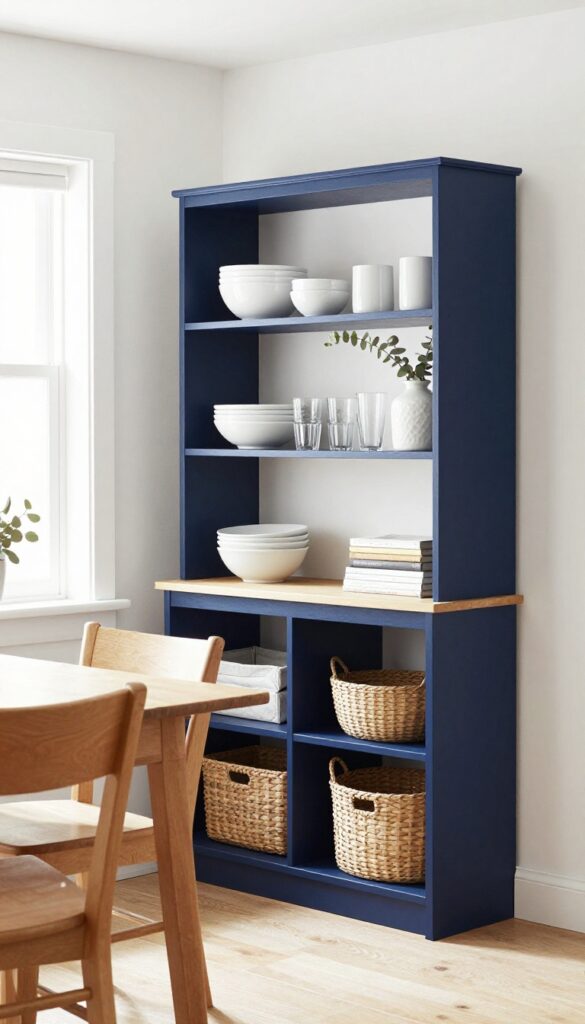
You don't need a fancy built-in to get that cozy, collected dining room look. A basic bookshelf can pull double duty as a hutch, storing dishes, glassware, and cookbooks while adding character. Paint it to match your trim for a seamless feel, or go bold with a contrasting color that pops against the wall.
It's an easy, budget-friendly way to add storage and style without a major renovation.
A bookshelf-turned-hutch works best when you treat it like a real piece of dining furniture. Start with a sturdy unit—think IKEA Billy or a thrifted find. Paint it in a shade that complements your dining set (navy, sage, or even a warm terra-cotta can look fantastic).
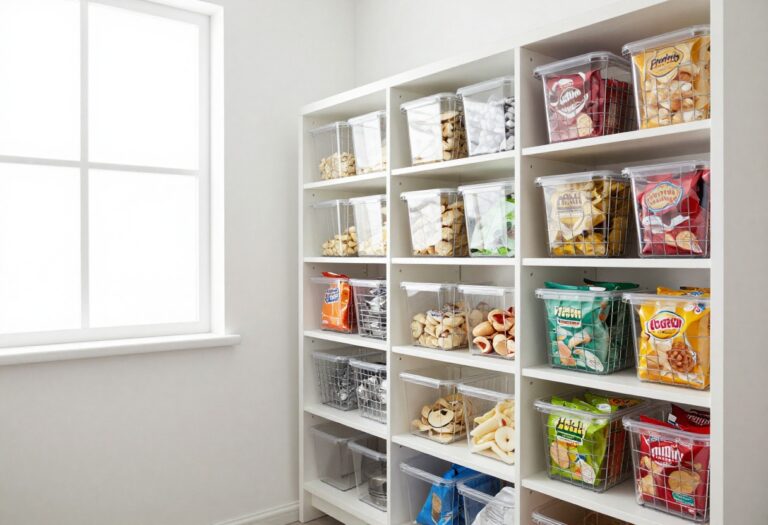
Use the open shelves for everyday dishes and pretty glassware, and stash less attractive items—like plastic containers or bulk snacks—in baskets on the lower shelves. The mix of open and hidden storage keeps the look intentional, not cluttered.
Best Colors
For a seamless look, paint the bookshelf the same color as your trim or wall. If you want it to stand out, try a deep charcoal, forest green, or blush pink. The key is to pick a color that ties into your existing palette—maybe pull from a rug or artwork in the room.
Shelf Styling Tip
- Group items in odd numbers and vary heights. Stack plates on a small stand, lean a cookbook against the side, and place a small plant or ceramic vase in front. Leave some breathing room so each piece gets noticed.
- Use matching baskets on the bottom to hide odds and ends—they'll also anchor the visual weight.
Budget-Friendly Swap
Skip expensive hutch inserts. Instead, use inexpensive adhesive hooks on the inside of the bookshelf frame to hang mugs or small utensils. You can also add a tension rod across a shelf to hang tea towels or lightweight baskets—no drilling required.
FAQ
How can I make my kitchen dining area look more expensive on a budget?
Focus on a few high-impact changes: swap out lighting for warm dimmable fixtures, add a textured rug, and use cohesive colors even with mismatched pieces. Small upgrades like new drawer pulls or a fresh coat of paint on furniture go a long way.
What's the best way to style a small kitchen table for everyday meals?
Keep the surface mostly clear. Use a slim runner, a small tray for daily items, and a low centerpiece like a single candle or small plant. Avoid bulky decor that takes up eating space.
Are there any easy DIY projects for kitchen dining decor?
Absolutely. You can stain a plain bench, paint a thrifted bar cart, or create a pegboard organizer. Even sewing simple cloth napkins from fabric remnants adds a personal touch without much cost.
How do I choose a rug for under the dining table?
Pick a low-pile or flatweave rug that's easy to clean. Go for a dark color or busy pattern to hide stains. Make sure it's large enough that chairs stay on the rug when pulled out—usually at least 8×10 feet for a standard table.
What colors work best for a relaxed kitchen dining space?
Warm neutrals like beige, cream, and soft gray create a calm base. Add pops of color through accessories—think muted blues, sage green, or terracotta. These tones feel inviting and are easy to update seasonally.
Conclusion
Creating a kitchen dining space that feels relaxed and inviting doesn't require a big budget or a complete overhaul. Small, intentional choices—like a washable runner, thrifted dinnerware, or a simple tray—can transform how the room feels during everyday meals. The key is to focus on what makes you and your family comfortable.
Pick a few ideas that resonate with your style and give them a try. You might be surprised how much a little thoughtfulness can change the way you enjoy your meals.