17 Cleaning Cookie Sheets Tips for Burnt Baking Stains
You pull a cookie sheet out of the oven, and it's covered in dark, crusty stains that no amount of scrubbing seems to touch. Burnt-on residue doesn't just look bad—it can affect baking performance and even transfer flavors to your next batch of cookies.
The good news is you don't need harsh chemicals or expensive cleaners to fix it. These 17 tips use simple ingredients you probably already have in your pantry.
From baking soda pastes to surprising tricks like dryer sheets, each method targets tough burnt stains without damaging your pans. Let's get those cookie sheets sparkling again.
1. Baking Soda and Hydrogen Peroxide Paste
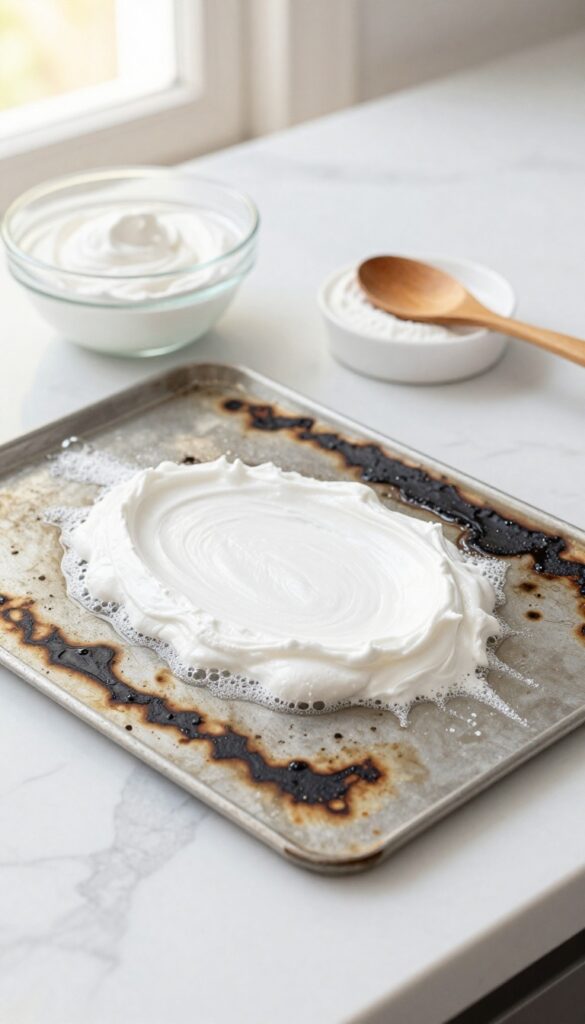
When burnt-on stains refuse to budge, a paste made from baking soda and hydrogen peroxide can work wonders. The baking soda provides gentle abrasion while hydrogen peroxide lifts and breaks down the carbonized residue. This combination is powerful enough to tackle even the toughest baked-on messes without scratching your pans.
Mix three parts baking soda with one part hydrogen peroxide to form a spreadable paste. Apply a thick layer over the stained areas and let it sit for 30 minutes. The paste will start to bubble and loosen the burnt bits.
After the wait, scrub with a non-abrasive sponge or brush. Rinse thoroughly with warm water and dry. For extra stubborn spots, let the paste sit longer or apply a second coat.
Why This Combo Works
Baking soda is a mild alkali that reacts with acids and breaks down grease. Hydrogen peroxide is an oxidizing agent that helps dissolve organic stains. Together, they create a fizzing action that lifts burnt residue from the surface without harsh scrubbing.
Tips For Best Results
Use 3% hydrogen peroxide from the drugstore—higher concentrations can be too strong. Make sure the paste is thick enough to stay put on vertical surfaces. If the paste dries out, spritz with a little water to reactivate.
Always test on a small hidden area first if your cookie sheet has a non-stick coating.
2. Boil with Dish Soap and Baking Soda
If scrubbing feels like a losing battle, let heat do the heavy lifting. Boiling water combined with dish soap and baking soda creates a powerful cleaning solution that loosens even the most stubborn burnt-on residue. This method is especially effective for cookie sheets with thick, baked-on stains that resist regular scrubbing.
Fill your cookie sheet with enough water to cover the burnt areas. Add a few drops of dish soap and a quarter cup of baking soda. Place the sheet on the stove over medium heat and bring the water to a boil.
Let it boil for about 10 minutes, then remove from heat and let it cool slightly. The combination of heat, soap, and baking soda works to break down grease and carbonized food, making stains easy to wipe away with a sponge or cloth. For extra stubborn spots, let the solution sit for another 15 minutes before scrubbing.
Why This Works
The heat from boiling water softens burnt-on residue, while baking soda acts as a mild abrasive and deodorizer. Dish soap helps cut through grease, creating a triple-action cleaning effect. This method is safe for most metal cookie sheets, including aluminum and stainless steel, but avoid using it on non-stick surfaces as the heat may damage the coating.
Step-by-step Instructions
- Place the cookie sheet on the stovetop and fill it with water until the burnt areas are submerged. 2.
Add a few drops of dish soap and 1/4 cup of baking soda. 3. Bring the water to a boil over medium heat, then let it boil for 10 minutes.
- Turn off the heat and allow the water to cool slightly. 5.
Pour out the water and scrub the sheet with a non-abrasive sponge. Rinse thoroughly and dry.
Pro Tips For Best Results
Use a large burner or two burners to ensure even heating. If your cookie sheet is too large for the stovetop, you can use a large pot or roasting pan instead. For extra tough stains, add a tablespoon of white vinegar to the boiling water.
Always let the pan cool before handling to avoid burns.
3. Vinegar and Baking Soda Fizz
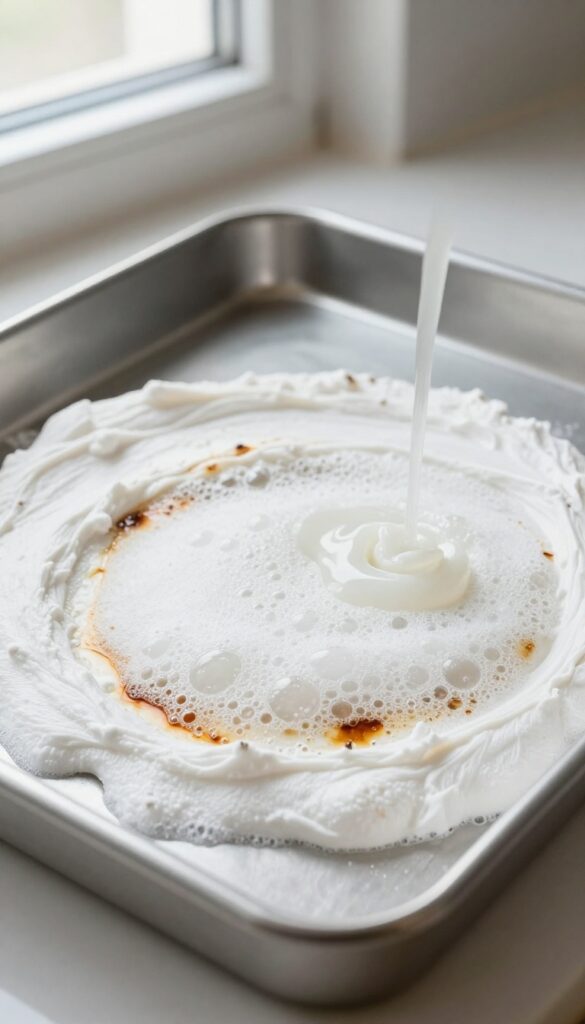
This classic kitchen duo isn't just for volcanoes and cleaning drains—it's a powerhouse for burnt cookie sheets too. The fizzing reaction between baking soda (a base) and vinegar (an acid) helps lift carbonized grease without harsh scrubbing. It's gentle enough for non-stick pans but effective on stubborn stains.
Sprinkle a generous layer of baking soda over the burnt areas, then pour white vinegar over it until it fizzes. Let the mixture sit for 15 minutes to break down the grime. Rinse with warm water and scrub with a soft sponge—the stains should come off easily.
For extra stubborn spots, repeat or let it soak longer.
Why This Works
The chemical reaction creates carbon dioxide bubbles that physically lift burnt residue from the surface. Vinegar's acidity also helps dissolve mineral deposits and grease, making it a two-in-one cleaner.
Best For Light To Medium Stains
This method works wonders on fresh-ish burnt marks or layers of baked-on grease. For deeply charred, years-old stains, you might need a stronger approach—but it's always worth a try first.
Tips For Best Results
Use a ratio of about 2 parts baking soda to 1 part vinegar. Let it fizz undisturbed—don't stir. If the paste dries out, add a splash more vinegar.
Rinse thoroughly to avoid any aftertaste on future cookies.
4. Lemon Juice and Salt Scrub
Lemons and salt are a dynamic duo for cutting through burnt-on grease without harsh chemicals. The acid in lemon juice breaks down stubborn residue while coarse salt provides just enough abrasion to lift it away. Plus, you get a fresh citrus scent that beats any artificial cleaner.
This method works best on light to moderate burnt stains. For heavier buildup, you may need to repeat the process or let the lemon juice sit for a few minutes before scrubbing.
How To Do It
Cut a lemon in half and sprinkle coarse salt (like kosher or sea salt) onto the cut side. Scrub the burnt areas using firm circular motions. The salt acts as a gentle scrubber while the lemon juice dissolves grease.
Rinse with warm water and dry immediately.
When To Use This Method
This scrub is ideal for cookie sheets with baked-on grease spots or light caramelized sugar stains. Avoid using it on non-stick pans, as the salt can scratch the coating. Stick to stainless steel, aluminum, or uncoated sheets.
Pro Tips
For extra stubborn spots, squeeze some lemon juice directly onto the stain and let it sit for 5-10 minutes before scrubbing. You can also mix lemon juice with baking soda to form a paste for a deeper clean. Always rinse thoroughly to prevent any sticky residue.
5. Cream of Tartar Paste
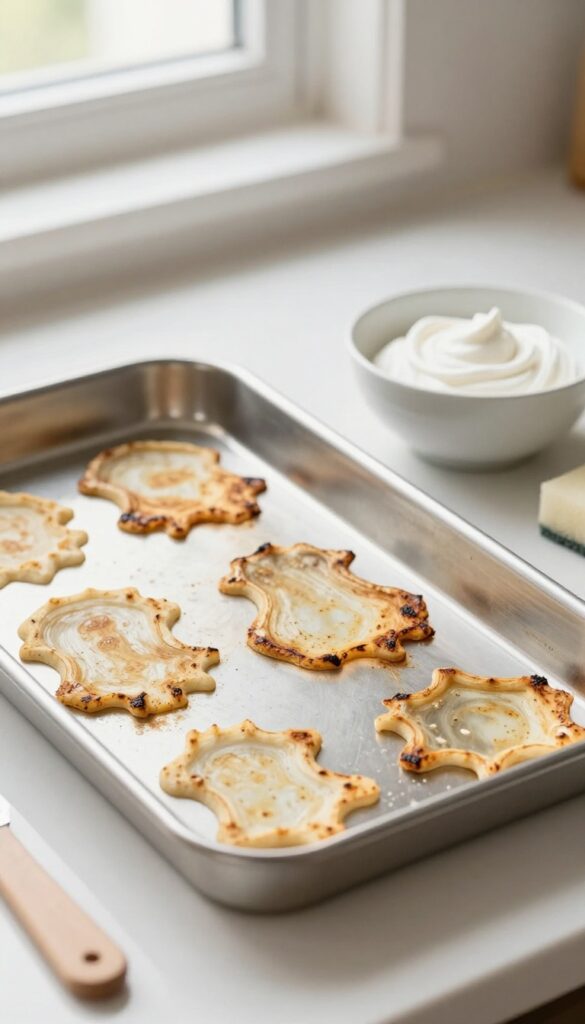
Cream of tartar is a mild acid that works wonders on burnt-on stains without the harsh scrubbing. Mix it with a little water to form a paste, apply to the stains, and let it sit for 20 minutes. The acid gently breaks down the burnt residue, making it easy to wipe away.
Cream of tartar is a mild acid that works wonders on burnt-on stains without the harsh scrubbing. Mix it with a little water to form a paste, apply to the stains, and let it sit for 20 minutes. The acid gently breaks down the burnt residue, making it easy to wipe away.
Why Cream Of Tartar Works
Cream of tartar is potassium bitartrate, a byproduct of winemaking. Its acidity reacts with the carbonized food particles, loosening them without damaging the metal. It's especially effective on aluminum and stainless steel cookie sheets.
How To Make And Apply The Paste
In a small bowl, mix 2 tablespoons of cream of tartar with just enough water to form a thick paste. Spread it over the burnt areas and let it sit for 20 minutes. For extra stubborn stains, let it sit up to an hour.
Then scrub gently with a non-abrasive sponge and rinse.
Tips For Best Results
For heavy buildup, add a few drops of lemon juice to boost acidity. Avoid using on non-stick pans, as the acid can damage the coating. Always test a small area first.
After cleaning, dry the pan thoroughly to prevent water spots.
6. Dryer Sheet Soak
You might not think of laundry supplies as kitchen helpers, but dryer sheets are surprisingly effective at loosening burnt-on gunk. The fabric softener contains surfactants that break down grease and baked-on residue without harsh scrubbing. It's a set-it-and-forget-it method that does the work while you sleep.
To use this trick, place a couple of dryer sheets in the bottom of your cookie sheet. Fill the pan with warm water—enough to cover the burnt areas. Let it soak overnight, or at least 8 hours.
In the morning, dump the water and rinse. Most of the residue should wipe away easily. For stubborn spots, a gentle scrub with a non-abrasive sponge finishes the job.
This method works best on light to moderate burnt stains, not rock-hard carbonized layers.
Why It Works
Dryer sheets contain cationic surfactants that reduce surface tension and help lift oily, baked-on residues. The warm water activates these compounds, allowing them to penetrate the burnt layer. It's a chemical reaction that softens the stain without scrubbing.
Best Practices
Use unscented or lightly scented sheets to avoid transferring fragrance to your pans. Avoid using this method on non-stick or aluminum cookie sheets, as the chemicals may damage the coating. Stick to stainless steel or heavy-gauge baking sheets for best results.
When To Skip This Method
If your burnt stains are extremely thick or charred, the dryer sheet soak might not be strong enough. In those cases, try a baking soda paste or a commercial oven cleaner instead. Also, never combine dryer sheets with bleach or ammonia—it can create harmful fumes.
7. Bar Keepers Friend Cleanser
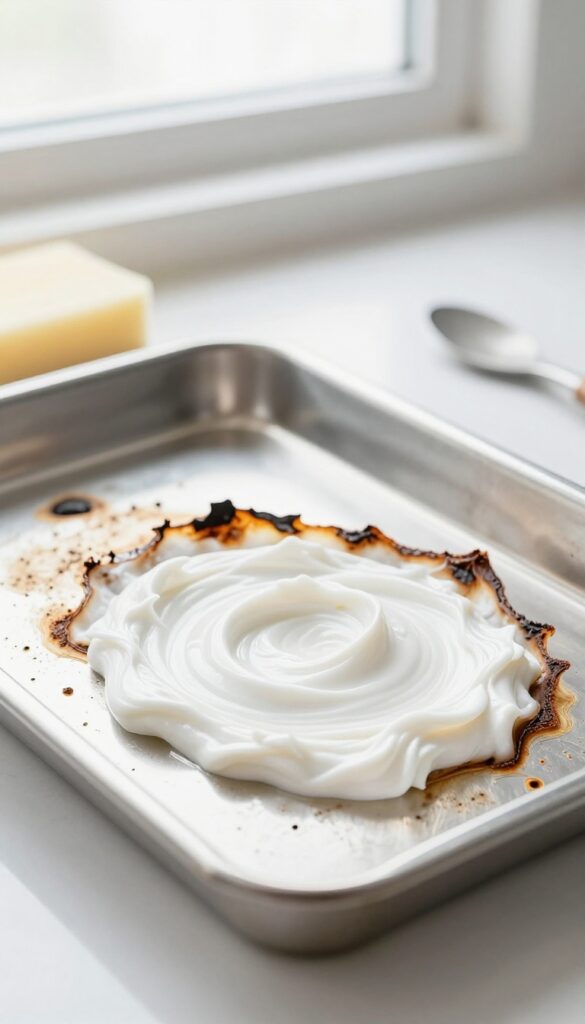
Bar Keepers Friend is a household name for a reason. This powdered cleanser contains oxalic acid, which cuts through burnt-on stains without the elbow grease. It's gentle enough for most metals but tough on carbonized gunk.
For burnt cookie sheets, this is one of the most reliable solutions. It works chemically to dissolve discoloration and baked-on residue, leaving your pans looking nearly new.
How To Use It Correctly
Sprinkle a generous amount of Bar Keepers Friend powder over the damp cookie sheet. Add just enough water to make a paste. Let it sit for 1-2 minutes—don't let it dry out.
Scrub gently with a non-abrasive sponge or soft brush. Rinse thoroughly and dry immediately.
Why It Works So Well
The oxalic acid in Bar Keepers Friend reacts with the burnt-on carbon compounds, breaking them down so they lift away easily. Unlike harsh abrasives, it doesn't scratch stainless steel or aluminum when used as directed.
Pro Tips For Best Results
Always test on a small hidden area first, especially on non-stick or colored coatings. For extra-stubborn stains, let the paste sit for up to 5 minutes. Avoid using on cast iron or copper, as the acid can damage those surfaces.
8. Oven Cleaner Spray
When gentle methods fail, it's time to bring out the big guns. Oven cleaner is formulated to dissolve the toughest baked-on grease and carbon, making it ideal for cookie sheets that look beyond saving. Just remember: this is a heavy-duty chemical, so treat it with respect.
Spray oven cleaner on the cookie sheet, let sit for 15-20 minutes, then wipe clean. Use in a well-ventilated area and wear gloves—this is a heavy-duty option for severe burnt-on stains.
Safety First
Work in a well-ventilated space—open windows or turn on a range hood. Wear rubber gloves and avoid breathing in fumes. Keep the cleaner away from aluminum pans (it can darken them) and never mix it with other cleaners.
Application Tips
Place the cookie sheet on newspaper or a trash bag. Spray an even coat over the burnt areas, then let it sit for 15–20 minutes. For extra-stubborn spots, let it sit up to 30 minutes, but don't let it dry completely.
Wipe And Rinse
After the dwell time, wipe off the loosened residue with a paper towel or sponge. Rinse thoroughly with warm water and dish soap to remove any chemical residue. Dry immediately to prevent water spots.
9. Aluminum Foil and Baking Soda Scrub
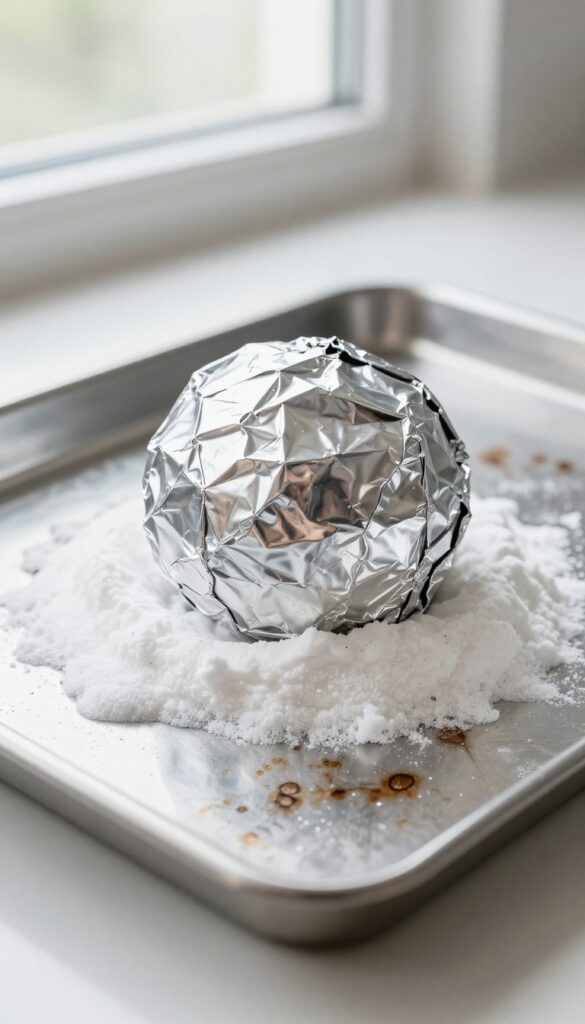
Sometimes the best tools are already in your kitchen drawer. Crumpled aluminum foil paired with a simple baking soda paste makes a surprisingly effective scrub for burnt-on stains. The foil acts as a gentle abrasive—tough enough to lift gunk but soft enough to avoid scratching your pans.
This method is perfect for those stubborn, baked-on spots that resist regular scrubbing. It’s also incredibly cheap and uses items you likely have on hand. Just be sure to use a non-scratch test on a small area first, especially on non-stick or delicate surfaces.
How To Make The Paste
Mix three parts baking soda with one part water in a small bowl. Stir until it forms a thick, spreadable paste. You want it to cling to the foil without dripping.
Adjust the ratio if needed—too runny and it won’t scrub effectively.
The Scrubbing Technique
Tear off a sheet of aluminum foil and crumple it into a tight ball. Dip the foil ball into the baking soda paste, then scrub the stained areas in a circular motion. Apply moderate pressure—the foil will gradually flatten, but you can re-crumple it as needed.
Rinse with warm water and check your progress.
When To Use This Method
This scrub works best on stainless steel or aluminum cookie sheets with heavy, burnt-on residue. Avoid using it on non-stick coatings, as the foil can damage the surface. For lighter stains, try a softer method first.
Always rinse thoroughly after scrubbing to remove any paste residue.
10. Dishwasher Tablet Soak
Dishwasher tablets aren't just for cleaning dishes. Those powerful little cubes are packed with enzymes and detergents that break down grease and burnt-on food. One tablet dissolved in hot water creates a soaking solution that can tackle even the toughest baked-on stains on your cookie sheets.
How To Do It
Fill your sink or a large basin with hot water—enough to fully submerge the cookie sheet. Drop in one dishwasher tablet and let it dissolve completely. Place the pan in the water and let it soak for at least an hour.
For extra stubborn stains, let it sit overnight. After soaking, the burnt residue should be soft and easy to scrub off with a non-abrasive sponge.
Why It Works
Dishwasher tablets contain surfactants, enzymes, and bleach that are designed to break down food soils and grease. The hot water activates these ingredients, allowing them to penetrate and loosen the carbonized layers of burnt-on stains. It's a chemical reaction that does the heavy lifting for you.
Pro Tips
Use a tablet from a reputable brand—generic ones may not be as effective. If your pan is too large for the sink, place it in the oven-safe dish and pour the hot tablet solution directly into the pan. Cover with foil to retain heat.
Always rinse thoroughly after soaking to remove any chemical residue before using the pan again.
11. Salt and Vinegar Scrub
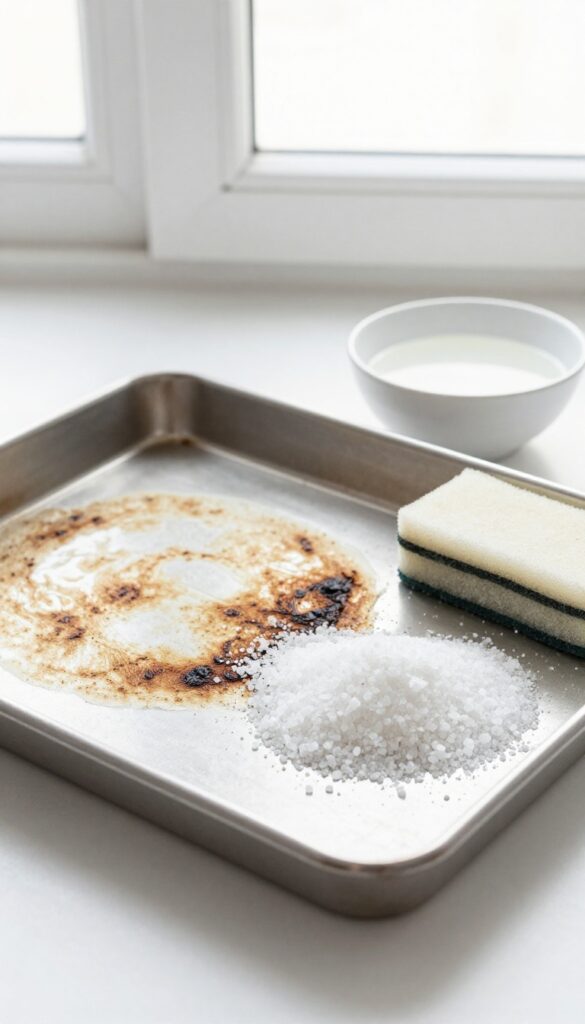
If you prefer a straightforward, non-toxic approach, the salt and vinegar scrub is a classic. Coarse salt acts as a gentle abrasive, while vinegar cuts through grease and burnt residue. This combo works best on light to moderate stains and won't scratch your pans.
For best results, use coarse salt like kosher or sea salt. Sprinkle a generous layer over the stained areas, then add enough white vinegar to moisten the salt into a paste. Let it sit for 5–10 minutes to loosen the grime.
Scrub in circular motions with a non-abrasive sponge or brush. Rinse thoroughly and dry.
Why It Works
Salt provides physical grit to lift burnt bits, while vinegar's acidity breaks down grease and carbon deposits. Together, they create a mild chemical reaction that helps dissolve stubborn stains without harsh fumes.
Tips For Stubborn Spots
For extra tough areas, let the paste sit longer—up to 30 minutes. You can also warm the vinegar slightly to boost its cleaning power. Avoid using this method on aluminum sheets, as vinegar can cause discoloration.
12. Hydrogen Peroxide and Baking Soda Spray
If you've ever mixed baking soda and hydrogen peroxide into a paste, you know it works—but it can be messy. This spray version gives you the same cleaning power with less fuss. It's perfect for quick touch-ups when you don't want to spend time spreading paste all over the pan.
Combine equal parts hydrogen peroxide and baking soda in a spray bottle, shake gently to mix, then spray directly onto burnt stains. Let it sit for about 10 minutes—you'll see the stains start to lift. Wipe clean with a damp cloth or sponge.
This method is especially good for cookie sheets with light to moderate burnt spots, and it's less abrasive than scrubbing with paste.
Why This Combo Works So Well
Hydrogen peroxide is a mild bleach that breaks down organic residue, while baking soda provides gentle abrasion. Together, they create a fizzing action that helps lift burnt-on food without harsh scrubbing. The spray format makes it easy to target specific spots without wasting product.
Best Practices For Using The Spray
Shake the bottle before each use to keep the baking soda suspended. Apply generously to stains and let it sit for at least 10 minutes—longer for tougher spots. For extra stubborn stains, you can scrub lightly with a non-abrasive sponge after the solution has sat.
Rinse thoroughly with water and dry immediately to prevent any residue.
When To Use This Method Vs. Paste
Use the spray for quick cleanups or when you only have a few small stains. It's less messy and requires less effort. But for heavily burnt or layered stains, the thicker paste version (mixing the two into a spreadable consistency) may be more effective because it stays in place longer and provides more direct contact with the stain.
13. Ketchup Application
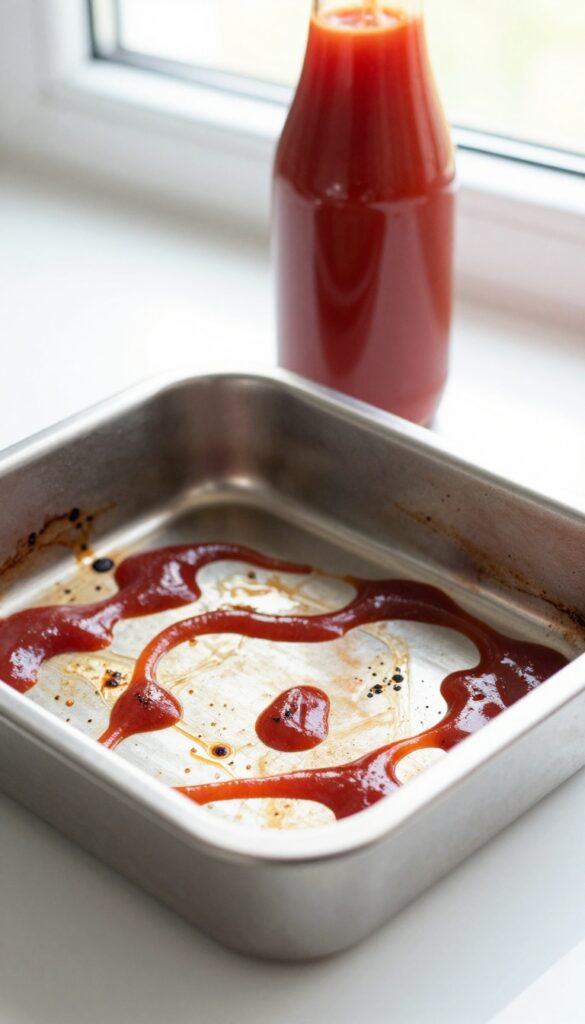
Yes, ketchup. The same condiment you slather on burgers can actually help lift burnt-on gunk from your cookie sheets. It sounds strange, but the acidity and natural enzymes in tomatoes work like a gentle chemical cleaner, breaking down carbonized residue without harsh fumes.
This method is especially handy when you want a non-toxic approach and you've already got a bottle in the fridge. It's not the fastest trick, but it requires almost no elbow grease—just patience.
How It Works
Tomatoes are naturally acidic, and that acidity helps dissolve the bonds between burnt food and metal. The enzymes in tomatoes also help break down proteins and starches in the residue. Ketchup adds a bit of sugar and salt, which can aid in lifting stains.
Step-by-step
Squeeze a generous layer of ketchup directly onto the burnt spots. Spread it evenly with a spatula or the back of a spoon, covering all the stained areas. Let it sit for at least 30 minutes—longer for tougher stains.
Then rinse with warm water and scrub gently with a sponge. The burnt crust should come off easily.
When To Use This Trick
It works best on light to moderate burnt stains, especially if the residue is more of a dark film than a thick, charred layer. For heavy buildup, you might need a second application or a follow-up with baking soda. Avoid using this on aluminum pans, as the acid can cause discoloration.
14. Coca-Cola Soak
Who knew your favorite soda could double as a cleaning agent? The phosphoric acid in Coca-Cola works wonders on burnt-on gunk and rust spots. It's a low-effort method that does the heavy lifting for you—just pour, wait, and scrub.
This trick is almost too easy. Grab a can or bottle of Coca-Cola (generic cola works too) and pour enough over the stained areas to fully submerge them. Let it sit for about an hour—the acid will start breaking down the carbonized residue.
After the soak, dump the cola and scrub with a non-abrasive sponge or brush. Most of the burnt bits should lift right off. For stubborn spots, repeat or let it soak longer.
Rinse thoroughly with warm soapy water afterward to remove any sticky residue.
Why It Works
Coca-Cola contains phosphoric acid, which is mild enough for kitchen use but strong enough to dissolve mineral deposits and burnt food. The carbonation also helps lift particles from the surface. It's a gentle alternative to harsh chemicals, especially on aluminum or non-stick sheets.
Best For
This method shines on cookie sheets with moderate to heavy burnt stains and light rust. It's also great for removing dark discoloration from metal pans. Avoid using it on seasoned cast iron or delicate non-stick coatings, as the acid may damage them.
Pro Tip
Use a baking sheet or shallow pan that fits your cookie sheet to minimize cola waste. If the stains are only on one side, flip the sheet so the stained side faces down and pour cola just enough to cover it. You can also add a layer of crumpled aluminum foil to the soak—the foil reacts with the acid to create a gentle abrasive action.
15. Baking Soda and Water Paste with Heat
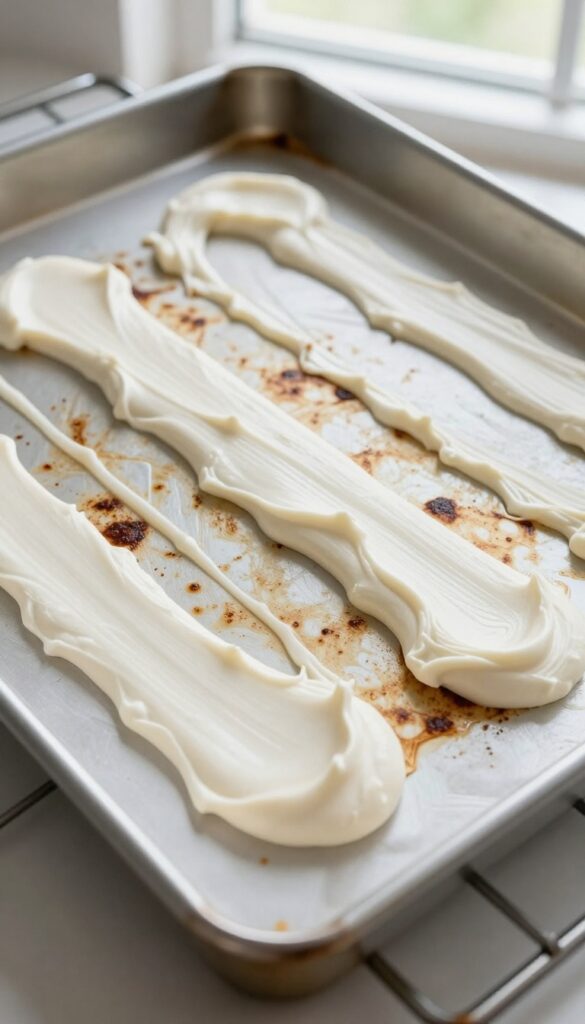
Baking soda is a classic cleaner, but adding heat takes it to another level. The warmth helps the paste penetrate baked-on grease and carbon, loosening the gunk without harsh scrubbing. It's a simple trick that turns a basic paste into a powerful stain remover.
Mix baking soda with just enough water to form a thick, spreadable paste. Apply a generous layer over the burnt areas, then place the cookie sheet in a 200°F oven for 15 minutes. The gentle heat activates the baking soda, softening the residue.
After cooling, scrub with a non-abrasive sponge and warm soapy water. For stubborn spots, let the paste sit an extra 10 minutes before scrubbing.
Why Heat Matters
Heat helps the baking soda paste work deeper into the burnt crust. It softens the carbonized layer without damaging the metal. This method is especially effective for sheets with multiple layers of baked-on stains.
Paste Consistency Tips
You want a paste that's thick enough to stay put but not so dry it cracks. Aim for a peanut butter-like texture. If it's too runny, add more baking soda; too thick, add water a drop at a time.
Post-heat Scrubbing
After heating, let the sheet cool until it's warm to the touch, not hot. Rinse off the paste and scrub gently. Most residue should lift off easily.
For tough spots, sprinkle a little dry baking soda on the sponge for extra abrasion.
16. Pumice Stone for Stubborn Spots
When baking soda and vinegar just aren't cutting it, it's time to bring out the big guns. A pumice stone—yes, the same one you might use on your feet—can be a game-changer for those rock-hard burnt spots on cookie sheets. The trick is to use it wet and with a light touch, so it gently abrades the stain without scratching the surface underneath.
This method is best reserved for glass or ceramic-coated sheets, where the hard, non-porous finish can handle the gentle scraping. Skip it on non-stick pans, as the abrasive action can damage the coating.
Pumice stones are made from volcanic rock and have a porous, abrasive texture that's perfect for lifting burnt-on residue. When used correctly, they can save you from hours of scrubbing. The key is to keep the stone and the pan wet—this lubricates the surface and prevents scratching.
Start by soaking the pumice stone in water for a few minutes, then wet the stained area on your cookie sheet. Gently rub the stone back and forth over the burnt spots, applying only light pressure. You'll see the residue start to lift away almost immediately.
Rinse the pan frequently to check your progress and remove any loosened debris. Once the stain is gone, wash the sheet with soap and water to remove any grit. This method works like a charm on glass baking dishes and ceramic-coated metal pans, but avoid using it on aluminum or non-stick surfaces, as it can leave scratches.
How It Works
Pumice is essentially a very fine natural abrasive. When you rub it against a hard surface like glass or ceramic, it acts like sandpaper on a microscopic level, wearing away the burnt carbon deposits without damaging the underlying material. The water acts as a lubricant, reducing friction and preventing the stone from gouging the surface.
It's a physical, chemical-free method that's surprisingly effective on tough, baked-on stains.
Best Practices
Always wet both the stone and the pan before you start. Use a dedicated pumice stone for cleaning—don't use one you've used on your skin. Apply gentle, even pressure; let the stone do the work.
Avoid circular motions; stick to back-and-forth strokes in one direction. Rinse the stone occasionally to clear away the residue you've removed. After cleaning, wash the cookie sheet thoroughly to remove any stone particles.
When To Avoid This Method
Never use a pumice stone on non-stick, Teflon, or seasoned cast iron pans—it will scratch or strip the coating. It's also not suitable for thin aluminum sheets that can dent or warp under pressure. Stick to glass, Pyrex, stoneware, and heavy-duty ceramic-coated metal pans.
If you're unsure, test on a small, inconspicuous area first.
17. Prevent Future Stains with Parchment Paper
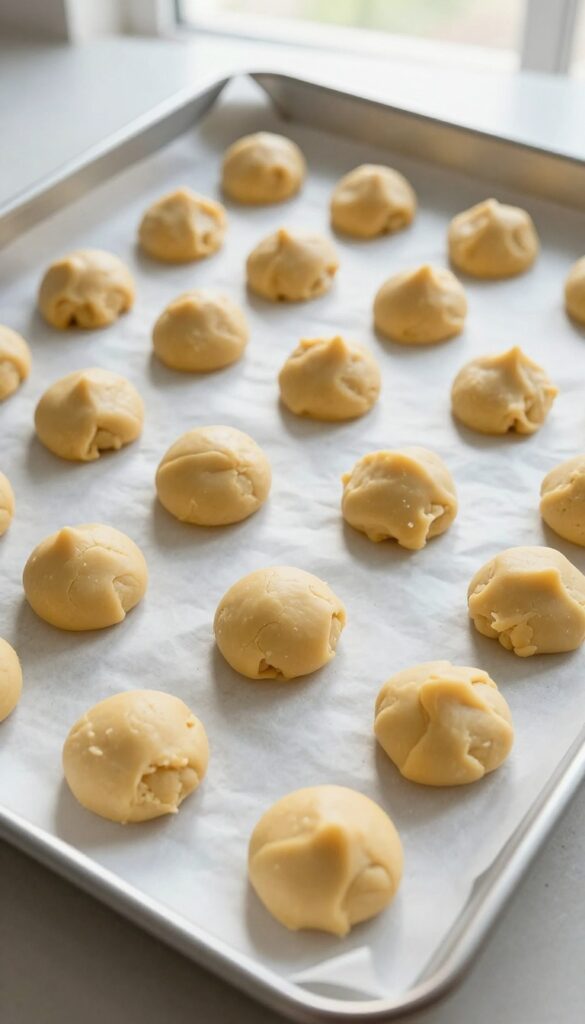
The best way to deal with burnt-on stains is to stop them from happening in the first place. A simple, inexpensive barrier between your food and the pan can save you hours of scrubbing down the road. Parchment paper and silicone baking mats are game-changers.
They create a non-stick surface that catches spills and drips, so your cookie sheets stay clean batch after batch.
Using parchment paper or silicone mats is the easiest preventive measure. Not only do they protect against stains, but they also promote even baking and make cleanup a breeze. Just toss the paper or wipe down the mat, and you're done.
For best results, use unbleached parchment paper that can withstand high heat (usually up to 450°F). Silicone mats are reusable and eco-friendly, but ensure they fit your pan properly to avoid shifting. Either option is a small investment that pays off in time saved.
Why It Works
Burnt stains form when food sugars and fats caramelize directly on the metal surface. Parchment paper and silicone mats act as a sacrificial layer, absorbing the brunt of the heat and preventing direct contact. This means spills turn into crispy bits on the paper instead of baked-on crud on your pan.
Choosing The Right Liner
Not all liners are created equal. Look for parchment paper that's labeled "oven-safe" and can handle temperatures up to 450°F. Silicone mats should be food-grade and BPA-free.
Avoid wax paper—it's not heat-resistant and will melt in the oven. For heavy-duty baking, consider investing in a set of high-quality silicone mats that fit your standard half-sheet pans.
Pro Tips For Best Results
Cut parchment paper to size so it lies flat without curling edges. If you reuse silicone mats, wash them with warm soapy water and dry thoroughly before storing. For sticky foods like caramel or meringue, lightly grease the parchment or mat for extra insurance.
And remember: even with liners, avoid stacking hot pans directly on top of each other, as trapped steam can cause stains.
FAQ
Can I use steel wool on my cookie sheets?
It depends on the material. Steel wool can scratch aluminum, non-stick, or coated sheets. For stainless steel, fine steel wool is okay but use it sparingly.
Stick to gentle abrasives like baking soda or nylon scrubbers for most pans.
Will these methods work on non-stick cookie sheets?
Yes, but be cautious. Avoid harsh abrasives like steel wool or pumice stones that can damage the non-stick coating. Stick to gentler methods like baking soda paste, vinegar soaks, or dishwasher tablets.
Why do my cookie sheets get burnt stains so quickly?
High heat, sugary foods, and grease splatters are common culprits. Using parchment paper or silicone mats can help. Also, avoid overheating empty pans and clean spills promptly to prevent buildup.
Can I put my cookie sheets in the dishwasher?
It depends on the material. Aluminum sheets can discolor or oxidize in the dishwasher. Stainless steel and some coated sheets are dishwasher-safe, but hand washing is gentler and extends the life of your pans.
Conclusion
Burnt cookie sheets don't have to be a permanent eyesore. With these 17 tips, you can tackle even the toughest stains using items you already have at home. From baking soda pastes to surprising helpers like dryer sheets and ketchup, there's a method for every level of burnt-on mess.
Remember that prevention is just as important—lining your pans with parchment paper or silicone mats can save you from future scrubbing sessions. Try a few of these techniques and see which ones work best for your pans.